
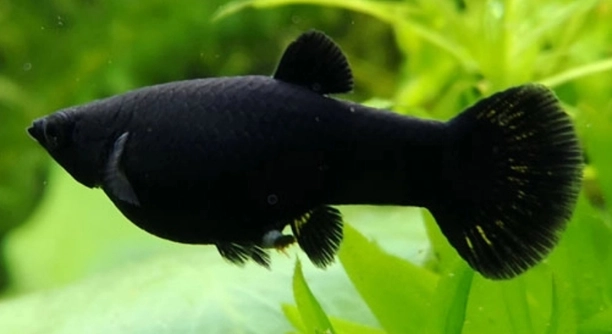
Do your Black Mollies seem uneasy in a new tank environment? Adjusting to tank mates can be tricky for these peaceful fish. Observing their behavior carefully helps ensure a calm and healthy aquarium community.
Black Mollies that struggle to adjust to tank mates often exhibit signs such as hiding, fin clamping, erratic swimming, or aggression. Recognizing these behaviors early allows for interventions that promote stable social interactions and overall well-being.
Monitoring their interactions closely is essential, as early detection of stress helps maintain harmony and supports their long-term health in a shared tank.
Hiding and Excessive Retreats
Black Mollies that are struggling with tank mates often spend long periods hiding behind plants, decorations, or in corners. This behavior is a clear sign of stress or discomfort. When they retreat frequently, it indicates that they feel threatened or unsafe in their environment. Over time, excessive hiding can lead to reduced activity levels and affect their appetite, which in turn can compromise overall health. Observing where and how often they hide gives insight into which tank mates may be causing tension. Some Mollies may adjust slowly, but consistent avoidance suggests that changes are needed, such as rearranging the tank or reconsidering the mix of fish. Mollies are social fish, so if they avoid interaction for prolonged periods, it disrupts their natural behavior patterns. Providing safe spaces and monitoring interactions is essential to help them regain confidence and comfort within the community tank.
Persistent hiding may also indicate illness or poor water conditions, so monitoring health is crucial.
Long-term hiding can impact social behavior, making Mollies less willing to interact even after adjustments, requiring patient observation and careful management.
Fin Clamping and Physical Stress
Fin clamping is a visible indicator that a Black Molly is uncomfortable with its tank mates.
When a Molly keeps its fins close to its body and avoids movement, it signals stress. This can be caused by aggressive neighbors or overcrowding. Clamped fins reduce mobility and hinder natural swimming patterns, affecting feeding and exercise. Stress from social tension can weaken their immune system, making them more susceptible to disease. Monitoring fin posture daily helps detect early signs of discomfort. Adjusting tank mates or providing more space can encourage normal behavior. Sometimes Mollies show brief clamping during minor disturbances, but prolonged clamping requires attention. Ensuring water quality, adequate hiding spaces, and a calm tank environment minimizes stress. Black Mollies rely on steady social conditions, and persistent fin clamping shows that current conditions are not optimal. Observing all interactions helps prevent escalation and supports their overall well-being.
Addressing fin clamping promptly prevents long-term health problems and promotes harmony among fish.
Erratic Swimming Patterns
Erratic swimming, such as sudden bursts, darting, or circling, often indicates stress in Black Mollies.
Black Mollies may swim unpredictably when they feel threatened by tank mates or an unfamiliar environment. These bursts of movement are energy-draining and can interfere with normal feeding and resting habits. Observing patterns over several days helps identify whether the behavior is temporary or persistent. Stress can be triggered by aggressive fish, overcrowding, or rapid changes in water parameters. Providing more hiding spaces, reducing tank disturbances, and adjusting the social mix can help Mollies regain normal swimming behavior. Long-term erratic swimming may lead to exhaustion or injury if not addressed, so consistent monitoring is essential.
Erratic swimming disrupts daily routines, often signaling that the tank setup or community composition needs immediate attention.
When Mollies swim unpredictably, it may indicate both physical and social stress. Tank layout, current, and companion behavior all play a role. Removing aggressive fish or rearranging decorations can reduce stress and promote calmer, more predictable swimming. Additionally, stable water conditions and proper nutrition support recovery, helping Mollies regain confidence. Regular observation ensures that erratic behavior does not escalate into illness or injury, maintaining a healthy, balanced aquarium.
Aggression Toward Tank Mates
Black Mollies may display biting or chasing when stressed.
Aggression can emerge if Mollies feel crowded, threatened, or unsure of social hierarchy. They may nip fins or chase smaller fish repeatedly. This behavior disrupts tank harmony and can injure other fish, leading to stress for the entire community. Aggressive episodes are often triggered by lack of hiding spots, uneven group sizes, or incompatible tank mates. Recognizing early signs, such as flared fins and repeated lunging, allows for timely interventions. Separating aggressive individuals temporarily or rearranging the tank layout can reduce tensions. Stress and poor conditions can worsen aggression, so water quality and diet must also be monitored carefully.
Managing aggression involves monitoring interactions, adjusting social structure, and providing adequate space to prevent injury.
Reducing aggression requires careful observation and intervention. Introducing more plants or decorations creates visual barriers and escape routes, helping stressed Mollies feel secure. Balancing male-to-female ratios and avoiding overly territorial species minimizes conflict. In some cases, temporarily isolating aggressive fish can reset social dynamics. Consistent feeding schedules and stress-free environments further reduce competitive behavior. Over time, these measures help Mollies settle into peaceful interactions while protecting the overall health and safety of all tank inhabitants.
Loss of Appetite
A Black Molly that stops eating may be stressed by its tank mates.
Reduced appetite often appears when fish feel threatened or insecure. Stress can affect digestion and energy levels, making it important to observe feeding behavior closely.
Monitoring meal times and adjusting tank conditions can help Mollies regain interest in food.
Lethargy and Minimal Movement
Lethargy is a clear indicator that a Black Molly is uncomfortable or stressed in its current environment. Stress reduces energy levels, causing fish to float or rest at the bottom instead of swimming actively. Persistent lethargy may also weaken the immune system, making the fish more susceptible to illness.
Constant Flashing or Rubbing
Flashing, where a Molly rubs against objects or surfaces repeatedly, is often a response to irritation or stress. This behavior can indicate discomfort caused by tank mates or environmental issues, such as poor water quality or parasites. Regular observation is needed to identify the cause and address it promptly.
How can I tell if my Black Molly is stressed by tank mates?
Stress in Black Mollies shows through both behavior and appearance. Common signs include hiding for long periods, clamped fins, erratic swimming, aggression, loss of appetite, lethargy, or constant flashing against objects. Observing these behaviors over several days helps determine if stress is persistent or situational. Stress may also cause color fading or unusual swimming patterns, which are less obvious but important indicators. Keeping a close eye on interactions and noting any changes in behavior or appearance is key to identifying discomfort early, allowing timely adjustments to tank conditions or social groups.
What should I do if my Molly is constantly hiding?
If hiding is frequent, check the tank for overcrowding, aggressive fish, or insufficient hiding spots. Rearranging plants and decorations can create secure areas, giving Mollies a sense of safety. Temporary isolation of aggressive tank mates may also help reduce stress. Maintaining clean water, proper temperature, and consistent feeding routines further supports their comfort. Sometimes hiding is temporary, as fish adjust to new environments, but prolonged avoidance indicates ongoing stress that must be addressed.
Why is my Molly clamping its fins, and how can I help?
Fin clamping is usually a response to stress, fear, or illness. Aggressive tank mates or sudden environmental changes often trigger this behavior. Improving water quality, adding hiding spots, and ensuring peaceful companions can encourage fin expansion. Clamped fins reduce mobility and affect feeding, so prompt action is necessary. Observation and minor adjustments, like reducing tank disturbances, often restore normal behavior over time.
What causes erratic swimming in Black Mollies?
Erratic swimming, such as darting or circling, is typically a response to stress or irritation. Aggressive neighbors, sudden changes in water parameters, or overcrowding can trigger this behavior. Providing secure spaces, stabilizing water conditions, and monitoring social interactions can reduce unpredictable swimming. Persistent erratic movement may indicate underlying health issues, so careful observation is essential.
How do I handle aggression between Mollies and other tank mates?
Aggression can be managed by adjusting the tank setup and social composition. Adding plants and decorations creates visual barriers and escape routes. Balancing male-to-female ratios and avoiding overly territorial species helps maintain peace. Temporarily isolating aggressive fish can reset social dynamics. Consistent feeding and a calm environment further reduce conflict.
My Molly has stopped eating. What should I do?
Loss of appetite often results from stress, illness, or poor water conditions. Ensure water quality is optimal, maintain a stable feeding schedule, and provide adequate hiding spaces. Removing aggressive tank mates or reducing overcrowding can help restore normal feeding habits. Observation over several days allows you to determine if additional interventions, such as adjusting diet or tank layout, are needed.
Why is my Molly rubbing against objects?
Flashing or rubbing indicates irritation, stress, or possible parasites. Checking water quality and observing tank mate interactions can help identify the cause. Addressing environmental issues and separating aggressive fish when necessary reduces discomfort and promotes healthier behavior. Consistent monitoring ensures early detection of problems and prevents long-term stress.
Can environmental changes help stressed Mollies adjust?
Yes, creating a stable, well-planted environment with adequate hiding spots helps Mollies feel secure. Proper water parameters, reduced disturbances, and careful selection of tank mates minimize stress. Gradual adjustments rather than sudden changes support their comfort and allow them to adapt more effectively.
How long does it take for Black Mollies to adjust to new tank mates?
Adjustment periods vary depending on the individual fish, tank conditions, and temperament of other fish. Some Mollies adapt within a few days, while others may take several weeks. Continuous observation, monitoring water quality, and providing safe spaces help ensure a smoother transition. Patience and careful management are essential for successful integration.
When should I seek professional help for my Mollies?
If stress behaviors persist despite adjustments, or if fish show signs of illness such as discoloration, open wounds, or prolonged lethargy, consulting a vet or aquatic specialist is recommended. Early intervention can prevent serious health issues and improve tank harmony.
Black Mollies are generally peaceful and social fish, but they can struggle when adjusting to new tank mates. Observing their behavior carefully is essential for maintaining a calm and healthy aquarium. Signs such as hiding, fin clamping, erratic swimming, aggression, loss of appetite, lethargy, and flashing against objects indicate that a Molly is stressed or uncomfortable. Recognizing these signs early allows you to make changes to the tank environment or social setup before issues escalate. Stress can affect not only behavior but also the health of the fish, so addressing problems promptly is important for their long-term well-being. By providing stable conditions and monitoring interactions, Mollies can regain confidence and establish a balanced social dynamic with their tank mates.
Proper tank management plays a major role in how well Black Mollies adjust. Providing adequate hiding spots, balanced male-to-female ratios, and non-aggressive companions helps reduce tension. Consistent water quality, stable temperatures, and a reliable feeding schedule also support comfort and health. Environmental adjustments, such as rearranging plants and decorations, can create safer spaces for stressed Mollies and help prevent prolonged hiding or aggression. Observation is key, as Mollies may respond differently depending on their personality and the behavior of other fish. Even small changes, like adjusting the placement of decorations or separating aggressive individuals temporarily, can significantly reduce stress. A well-maintained tank with thoughtful social management encourages natural behavior, allowing Mollies to swim actively, feed properly, and interact peacefully.
Patience is essential when helping Black Mollies adapt. Some fish adjust quickly, while others may take weeks to feel secure with their tank mates. Monitoring daily behavior and responding to signs of stress helps ensure a smooth transition. Avoiding sudden changes, maintaining clean water, and providing a calm environment reduce the risk of prolonged stress. Even when issues arise, proactive care, careful observation, and minor adjustments can make a noticeable difference in the overall well-being of your fish. By paying attention to both behavioral and environmental factors, you create conditions where Mollies can thrive and coexist peacefully. Supporting their adjustment fosters a healthier, more balanced aquarium where each fish can exhibit natural behavior and maintain long-term health.

Hello,
If you enjoy the content that we create, please consider saying a "Thank You!" by leaving a tip.
Every little bit helps us continue crafting quality advice that supports the health, happiness, and well-being of pets around the world, for pets of all shapes, sizes, and species.
We really appreciate the kindness and support that you show us!