
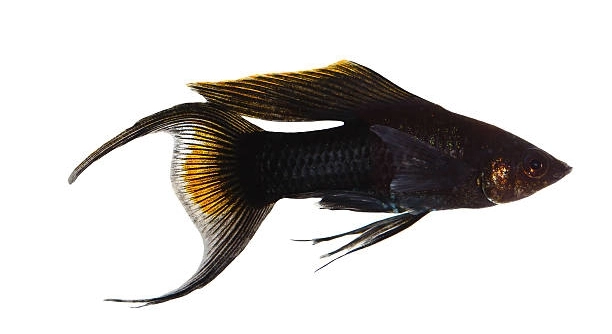
Breeding can bring noticeable changes in behavior that may surprise even the most attentive pet owners. Observing these shifts can help you understand your pet better and anticipate adjustments in their daily routines.
After breeding, animals often display alterations in social interactions, activity levels, and responses to stimuli. Hormonal changes, energy redirection towards offspring care, and environmental adaptations contribute to these behavioral modifications, which are typically predictable and temporary.
Recognizing these changes early allows you to support your pet’s well-being effectively and ensure a smoother transition during this period.
Increased Nesting and Resting Behavior
After breeding, many animals spend more time nesting and resting. This is a natural adjustment as their bodies focus energy on recovery and caring for offspring. You may notice them choosing quiet corners, rearranging bedding, or becoming less active than usual. These changes are particularly common in mammals and birds, reflecting instinctual behaviors tied to protection and warmth. Even animals that were previously highly social may prefer solitude, prioritizing the safety of their young. Observing these behaviors helps you gauge when to give them space and when to provide gentle support. Offering comfortable, secure areas and minimizing disruptions can make a noticeable difference in their comfort and stress levels. Recognizing these shifts ensures their physical and emotional needs are met while they adjust to this new phase.
Providing a calm environment allows animals to recover more effectively and reduces the risk of stress-related behaviors or health issues.
Creating consistent routines and quiet areas helps them maintain security, and observing subtle changes ensures their long-term well-being and adaptability.
Appetite and Feeding Adjustments
Breeding often alters an animal’s appetite, causing fluctuations in eating habits or food preferences.
Animals may eat more to replenish energy or eat less due to hormonal shifts. These changes can vary between individuals, requiring careful observation. Ensuring access to nutritious food and fresh water is crucial.
Monitoring feeding behaviors closely is essential. Sudden reductions or increases in appetite may indicate stress or health concerns. Providing balanced diets and adjusting portions helps maintain their energy levels during recovery. Some animals may develop selective eating patterns, preferring certain foods over others, which should be accommodated while maintaining nutritional balance. Tracking their intake can prevent weight loss or gain that could impact overall health. Minor changes in mealtime behavior, like slower eating or temporary disinterest, are typically temporary. Consistent observation, patience, and small adjustments ensure that animals regain stability in their dietary routines. Over time, most will return to normal feeding patterns, reflecting a healthy adaptation to post-breeding life.
Increased Protective Instincts
Animals often become more alert and protective after breeding. They may react quickly to movements or sounds near their offspring, showing heightened vigilance. This behavior is a natural response to ensure the safety of their young.
Heightened protective instincts can affect interactions with humans and other animals. You might notice your pet growling, hissing, or positioning themselves between you and their offspring. This behavior is not aggression but a form of instinctive care. Understanding these signals helps you avoid unnecessary stress and potential conflicts. Creating a secure environment with minimal disturbances allows them to fulfill these instincts while feeling safe.
Over time, as offspring become more independent, protective behaviors typically decrease. Continuing to respect boundaries and providing reassurance ensures your pet maintains trust while adjusting to changing responsibilities. Observing these behaviors can strengthen your awareness of their natural tendencies.
Changes in Social Interaction
Social behavior often shifts significantly after breeding, with some animals withdrawing from usual companions. This change is influenced by hormonal shifts and focus on offspring care.
Reduced social interaction is common as animals prioritize nesting and vigilance. They may avoid play or limit contact with humans or other pets. This withdrawal is temporary and varies by species and individual temperament. Providing a calm environment and avoiding forced interaction supports their comfort. Understanding these changes reduces stress for both pet and owner, making adaptation smoother.
Some animals may also display selective social behaviors, preferring familiar companions over new ones. Offering consistent attention to trusted individuals while respecting boundaries is important. This approach encourages gradual reintegration without overwhelming them. Over weeks, most animals regain their social balance, resuming normal interactions while maintaining a cautious awareness of their surroundings. Patience and observation are key to supporting this adjustment effectively.
Increased Vocalization
Many animals become more vocal after breeding. They may use sounds to communicate with their offspring or signal alertness to potential threats.
This increase in vocalization is a natural response to protect and guide their young. Monitoring these changes helps you understand their needs and reduces unnecessary stress for both pet and caretaker.
Shifts in Activity Levels
Post-breeding, animals often show fluctuating energy levels. Some may become more lethargic to conserve energy, while others may display bursts of activity to care for offspring or adjust their environment. These variations are influenced by hormonal changes and recovery needs. Adjusting daily routines to match these energy shifts supports their health. Providing safe spaces for rest and gentle stimulation for activity ensures they maintain strength without overexertion. Over time, energy levels typically stabilize, reflecting adaptation to new responsibilities and ongoing physical recovery after breeding.
Grooming and Hygiene Changes
Animals may groom themselves or their offspring more frequently after breeding. This behavior helps maintain cleanliness and supports bonding.
FAQ
Why does my pet seem more tired after breeding?
After breeding, many animals experience fatigue due to hormonal changes and the physical demands of recovery. Energy is directed toward healing and caring for offspring. Providing quiet, comfortable spaces and minimizing disturbances helps them rest effectively while regaining strength.
Is it normal for my pet to eat more or less than usual?
Yes, changes in appetite are common post-breeding. Some animals eat more to restore energy reserves, while others eat less due to hormonal shifts or stress. Monitoring their intake and offering balanced, nutritious food ensures they stay healthy during this period.
Why is my pet more protective than before?
Heightened protective instincts are a natural response to safeguard offspring. Animals may position themselves strategically, growl, or show defensive behaviors toward perceived threats. Respecting boundaries and providing a secure environment supports their instincts without creating unnecessary stress.
Will my pet’s social behavior change permanently?
Most social changes are temporary. Animals may withdraw or interact selectively after breeding, focusing on offspring care. Over time, as the young become independent, pets usually return to normal social patterns, though some may remain more cautious or selective.
Why is my pet more vocal lately?
Increased vocalization is often linked to communication with offspring or alerting to potential danger. Monitoring patterns can help distinguish normal protective behavior from signs of stress or illness. Providing a calm, safe environment often reduces excessive vocalizations.
How can I help my pet maintain proper hygiene after breeding?
Grooming behaviors may increase to clean themselves or their offspring. Ensuring access to clean bedding, appropriate water, and safe grooming areas supports this instinct while preventing stress or discomfort. Avoid forcing grooming, as animals naturally manage hygiene at their own pace.
Should I expect changes in my pet’s activity level?
Yes, activity levels can fluctuate post-breeding. Some may rest more to conserve energy, while others show bursts of activity to care for offspring. Adapting daily routines to match these energy shifts helps them stay healthy without overexertion.
When should I consult a veterinarian about behavioral changes?
If changes are extreme, prolonged, or accompanied by signs of illness—such as significant weight loss, lethargy, or aggression—seeking veterinary advice is important. Early intervention ensures your pet’s health and supports smooth behavioral recovery.
Can environmental changes reduce stress for my pet?
Providing a quiet, secure space with minimal disruptions helps reduce stress and supports natural behaviors. Maintaining consistent routines, proper nutrition, and access to comfortable resting areas allows them to adapt more easily to post-breeding responsibilities.
How long do these behavioral shifts typically last?
Duration varies by species, individual temperament, and care conditions. Many behaviors gradually normalize over several weeks as hormones stabilize and offspring become more independent. Patience, observation, and consistent support are key to helping your pet adjust successfully.
Is it normal for my pet to show selective attention after breeding?
Yes, many animals focus on familiar companions or offspring, reducing interaction with others. Respecting these preferences while maintaining gentle care encourages trust and supports their natural post-breeding adjustments.
Are there signs that indicate behavioral changes are not normal?
Signs include persistent aggression, refusal to eat, excessive hiding, or abnormal repetitive behaviors. Such symptoms may indicate stress, illness, or other complications and should be addressed promptly with professional guidance.
How can I encourage healthy social interactions post-breeding?
Allow gradual reintroduction to familiar companions, provide positive reinforcement, and avoid forcing contact. Supporting natural interactions ensures pets regain social balance without added stress.
Do hormonal changes affect mood or temperament?
Yes, hormonal fluctuations can influence mood, making pets more irritable, cautious, or withdrawn. Understanding this helps you respond appropriately, offering reassurance while respecting boundaries.
Can monitoring subtle behaviors help predict needs?
Observing minor changes, like grooming frequency, vocalizations, or rest patterns, provides insight into comfort, stress levels, and health. Adjusting care based on these observations ensures their well-being during post-breeding recovery.
Is it normal for pets to prefer certain areas of the home after breeding?
Yes, they often select quiet, safe spots for rest and offspring care. Supporting these preferences with accessible bedding or secluded areas helps reduce stress and encourages natural behaviors.
How important is routine during this period?
Consistent feeding times, rest periods, and interactions help stabilize behavior and reduce anxiety. Routine creates a sense of security, allowing pets to adapt to post-breeding changes more smoothly.
Can these changes affect long-term behavior?
While most shifts are temporary, some pets may retain cautious or selective tendencies. Continued observation, positive reinforcement, and supportive environments help them integrate previous routines safely.
How do I know if my pet’s behavior is improving?
Signs include normalized feeding, balanced energy, resumed social interactions, and reduced vocalizations or protective behaviors. Gradual improvement indicates successful adaptation to post-breeding life.
What steps support a smooth transition after breeding?
Provide a calm, secure environment, monitor food and water intake, respect boundaries, and observe behaviors closely. Offering gentle reassurance and consistent care helps pets regain stability while ensuring long-term well-being.
This FAQ covers common behavioral shifts, practical responses, and signs requiring attention, helping you support your pet confidently after breeding.
Breeding brings many noticeable changes in an animal’s behavior. These shifts are usually natural responses to physical recovery, hormonal changes, and the care of offspring. Animals may adjust activity levels, feeding patterns, and social interactions as they adapt to their new responsibilities. Increased resting, nesting, or grooming are often signs that they are managing energy and maintaining comfort. Protective behaviors, heightened alertness, and selective social attention also reflect instinctual responses to ensure safety and stability for themselves and their young. Understanding these patterns helps you anticipate changes and respond appropriately, providing support without interfering with their natural instincts.
Being aware of these behavioral shifts allows you to make adjustments in the home environment to reduce stress and promote well-being. Offering quiet, secure spaces, consistent routines, and appropriate nutrition supports recovery and helps animals maintain a healthy balance between activity and rest. Monitoring subtle changes, such as vocalization, movement, and interactions, gives insight into their comfort and emotional state. Respecting boundaries while providing gentle care reassures them without forcing behaviors, which may lead to stress. Over time, most animals gradually return to their normal routines, with behavioral adjustments fading as hormones stabilize and offspring gain independence. Observing patterns closely helps prevent misunderstandings and ensures their needs are met efficiently.
Patience and consistency are key in helping animals navigate the period after breeding. While some behaviors may seem challenging, they are typically temporary and part of a healthy adjustment process. Supporting their natural instincts while maintaining safety and care allows them to adapt smoothly and regain balance in their daily life. Understanding that these changes are normal reduces worry and enhances your ability to provide effective care. By paying attention to feeding habits, activity levels, social behavior, and protective instincts, you can guide them through this phase successfully. In the long term, these adjustments contribute to a stronger bond and improved overall well-being for both you and your pet.

Hello,
If you enjoy the content that we create, please consider saying a "Thank You!" by leaving a tip.
Every little bit helps us continue crafting quality advice that supports the health, happiness, and well-being of pets around the world, for pets of all shapes, sizes, and species.
We really appreciate the kindness and support that you show us!