
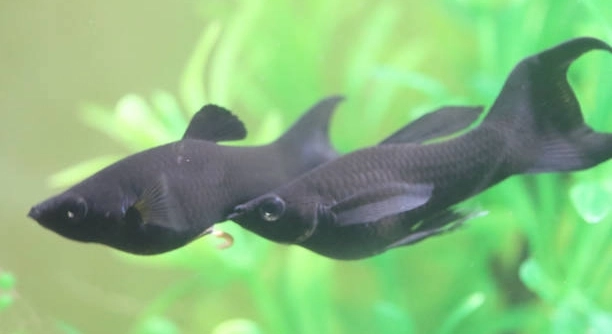
Do you ever notice your Black Molly fry staying in one spot, barely moving around the tank? Observing them can feel a little worrying, especially if you are trying to ensure they grow healthy and strong.
Black Molly fry often hover in one spot due to stress, water quality issues, or lack of proper food. Ensuring stable tank conditions, appropriate temperature, and regular feeding helps maintain their activity and overall health.
Understanding why this behavior occurs can help you create a safer, more comfortable environment for your fry to thrive and grow.
Water Quality and Tank Conditions
Maintaining good water quality is essential for Black Molly fry. Poor water conditions can make them stressed and inactive, often causing them to hover in one spot. Ammonia or nitrite levels that are too high can irritate their gills and weaken them. Temperature fluctuations can also affect their behavior, as fry are sensitive to sudden changes. Consistent filtration and gentle water movement help them feel secure, encouraging normal swimming patterns. Regular water testing is important to ensure levels remain safe. Fry tanks should not be overcrowded, as too many fish can increase stress and reduce oxygen levels. Providing hiding spots like plants or small decorations also gives them a sense of safety. When the environment feels stable, fry are more likely to explore their tank, eat regularly, and grow healthily. Consistency in tank maintenance supports their natural activity and reduces the risk of long-term health issues.
Stress from poor water quality can significantly affect Black Molly fry behavior.
Monitoring tank conditions regularly and making small, consistent adjustments can prevent hovering behavior and support healthy development in your fry, ensuring they remain active, alert, and responsive to feeding times.
Diet and Feeding Habits
Fry need a proper diet to grow strong.
Providing the right food in small amounts ensures fry stay active and healthy. Underfeeding or overfeeding can both cause them to linger in one spot.
Black Molly fry require frequent feeding with finely crushed flakes, micro-pellets, or specialized fry food. Uneaten food should be removed to prevent water contamination, which can stress the fry further. Observing their eating habits helps you understand their nutritional needs and adjust feeding schedules. Variety in food, such as occasional live or frozen options like baby brine shrimp, encourages them to swim and explore the tank. Healthy fry are naturally more active and will move around to search for food. Overcrowding and competition can also affect feeding success, so it is helpful to keep fry in small groups or provide multiple feeding areas. By maintaining proper feeding routines and monitoring water quality, you create an environment that promotes growth and reduces the tendency for fry to hover in one spot.
Stress and Environmental Factors
Fry can become stressed by sudden movements, loud noises, or frequent changes in their tank environment. Stress often causes them to hover in one spot and avoid swimming around freely. Minimizing disturbances helps them feel safer and more active.
Stress in Black Molly fry can result from a combination of environmental factors. Sudden changes in light, temperature, or water chemistry can make them feel insecure. Overcrowding in the tank increases competition for space and food, adding to stress levels. Even constant tapping on the glass or rapid handling during cleaning can trigger fear responses. Providing hiding spaces and keeping the tank environment stable encourages fry to explore and move naturally. Stress management is key to maintaining healthy growth, proper feeding habits, and active behavior, which prevents prolonged hovering.
Creating a predictable and calm environment is crucial for fry development. Maintaining gentle water flow, steady temperature, and low-noise surroundings allows them to focus on feeding and swimming. Plants, small rocks, or decorations provide comfort and security. Observing their behavior regularly helps identify early signs of stress, allowing you to adjust conditions before problems become serious. With consistency and care, fry become more confident and active, reducing the tendency to hover in one spot for long periods.
Genetics and Natural Behavior
Some fry naturally hover due to inherited traits or slower development.
Genetic differences influence activity levels, size, and behavior. Some Black Molly fry are naturally calmer, making hovering a normal part of their growth.
Genetics can play a significant role in fry behavior. Some lines of Black Molly may produce offspring that are naturally less active or slower to explore their surroundings. These fry might hover more frequently without any health issues. Differences in metabolism or energy levels can also make certain fry appear more stationary. While diet, water quality, and stress are key factors, it is important to recognize that some behavior is simply inherited. Observing overall growth, responsiveness, and feeding habits helps distinguish normal genetic tendencies from environmental or health-related issues. Understanding these patterns allows for more informed care decisions and prevents unnecessary worry about naturally calm fry.
Oxygen Levels and Water Flow
Low oxygen in the tank can cause fry to hover near the surface. Slow water flow or poor circulation reduces oxygen availability, making them less active and more stationary.
Improving aeration with gentle bubblers or filters increases dissolved oxygen. Proper water circulation ensures fry receive enough oxygen throughout the tank, encouraging natural swimming behavior and reducing hovering tendencies.
Tank Companions and Social Behavior
Fry may hover due to the presence of other fish. Aggressive or larger tankmates can intimidate them, causing them to stay in one spot for safety.
Observation and Monitoring
Regular observation helps identify changes in behavior or health. Noticing subtle shifts in movement, appetite, or interaction can indicate stress, illness, or environmental issues.
FAQ
Why do Black Molly fry hover in one spot instead of swimming around?
Black Molly fry hover when they feel stressed, tired, or insecure in their environment. Poor water quality, sudden temperature changes, or strong tank currents can make them stay still. Fry also hover when searching for food or when they are naturally calmer due to genetics. Providing a stable tank and gentle conditions encourages more movement.
Can water temperature affect fry activity?
Yes, temperature has a direct effect on fry activity. Black Molly fry prefer a steady range between 76–82°F. Water that is too cold slows metabolism, making them less active. Too warm can stress them, sometimes causing lethargy or hovering near the surface. A thermometer helps maintain consistent temperature for healthy growth.
How does feeding impact hovering behavior?
Underfed fry may hover due to low energy. Overfeeding can pollute the water, stressing fry and affecting movement. Small, frequent feedings with appropriate fry food like crushed flakes or baby brine shrimp help them stay active. Observing whether fry move toward food gives insight into their health and energy levels.
Do tank decorations influence fry movement?
Yes, plants, small rocks, or hiding spots reduce stress and provide security. Fry feel safer and are more likely to explore when they have places to retreat. Bare tanks or overcrowded spaces can increase hovering as fry try to avoid confrontation or feel exposed.
Can other fish affect Black Molly fry behavior?
Larger or aggressive tankmates can intimidate fry, causing them to hover in one spot for safety. Even similar-sized fish may compete for space or food, making fry less active. Keeping fry in a separate tank or providing plenty of hiding spots can reduce stress and encourage swimming.
Is hovering always a sign of illness?
Not always. Some fry hover due to calm genetics, temporary stress, or adjusting to new conditions. Illness usually comes with other signs like loss of appetite, clamped fins, or discoloration. Monitoring overall behavior helps distinguish normal activity from potential health issues.
How often should water quality be checked for fry?
Testing water at least once a week is recommended, or more often if problems arise. Ammonia, nitrite, nitrate, and pH levels should stay within safe ranges. Stable water conditions prevent stress and reduce the tendency for fry to hover, supporting overall development.
Do fry grow faster if they are more active?
Active fry generally feed better and build strength more efficiently. Hovering occasionally is normal, but prolonged inactivity may limit growth. Ensuring proper diet, water quality, and minimal stress helps fry move naturally and develop at a healthy rate.
What signs show fry are stressed?
Stress indicators include prolonged hovering, clamped fins, erratic swimming, or hiding constantly. Fry may also avoid food or appear pale. Identifying stress early allows adjustments to water conditions, feeding schedules, or tank setup to help fry return to normal activity.
Can genetics determine fry behavior permanently?
Yes, genetics can influence natural energy levels, temperament, and activity. Some fry are calmer and hover more often without any health issues. Observing multiple fry together can show which behavior is environmental and which is inherited. Adjusting care practices ensures even calmer fry thrive.
How can I encourage more movement in fry?
Providing proper water flow, consistent temperature, safe hiding spots, and frequent small feedings encourages activity. Reducing disturbances and avoiding overcrowding also helps fry feel secure enough to explore. Regular monitoring allows you to track improvements and maintain healthy swimming behavior.
Are there quick fixes for hovering fry?
Quick fixes usually involve correcting immediate stressors, like adjusting temperature, improving aeration, or removing aggressive tankmates. While these help temporarily, consistent care over time ensures fry remain active and healthy, rather than returning to hovering behavior due to recurring issues.
How long is hovering behavior normal?
Short periods of hovering are normal as fry rest, explore cautiously, or feed. Persistent hovering over days or weeks may indicate stress, poor water quality, or insufficient food. Monitoring environmental conditions and fry behavior helps determine if intervention is necessary.
Does tank size matter for fry activity?
Smaller tanks can cause overcrowding and stress, leading to more hovering. Fry need space to swim freely while still feeling safe. Proper tank size, along with plants and hiding areas, balances comfort and activity, promoting natural movement patterns for Black Molly fry.
Can lighting affect fry behavior?
Lighting impacts fry activity and comfort. Bright, constant light can stress fry, while dim or consistent lighting encourages natural exploration. Including shaded areas or floating plants allows fry to choose preferred light levels, reducing hovering caused by discomfort.
How important is consistency in care?
Consistency in feeding, water maintenance, and environmental conditions is crucial. Fry are sensitive to sudden changes, which can trigger hovering and stress. Regular routines help them feel secure, eat properly, and develop normal swimming behavior.
Are there health risks if fry hover too much?
Excessive hovering can indicate stress, poor water quality, or illness. Prolonged inactivity may lead to weaker muscles, slower growth, and higher vulnerability to disease. Addressing environmental and dietary needs reduces health risks and encourages normal activity.
Can I combine all solutions for best results?
Yes, maintaining clean water, proper temperature, appropriate diet, and a safe environment together supports active fry. Combining these factors ensures stress is minimized, growth is optimal, and hovering behavior is reduced naturally without forcing movement.
How can I track progress in fry behavior?
Observing and recording activity levels, feeding response, and general health daily or weekly provides insight into improvement. Noting changes after adjustments to diet, water quality, or tank setup helps evaluate which factors have the most impact on reducing hovering.
What is the main takeaway for managing hovering fry?
Hovering is usually a response to environmental factors, diet, stress, or genetics. By providing stable conditions, proper food, gentle tankmates, and safe spaces, fry can grow healthily and show natural, active behavior. Regular observation ensures issues are addressed before they affect development.
Black Molly fry are delicate little fish that require attention and care to grow healthy. Observing them hover in one spot can feel concerning, but this behavior is often a natural response to their environment. Factors like water quality, temperature, stress, diet, and even genetics all play a role in how active fry are. Understanding these influences helps create a safer and more comfortable tank where fry can thrive. While some hovering is normal, persistent inactivity usually signals that something in the tank needs adjustment. Paying attention to water parameters, feeding habits, and tank setup can make a big difference in their activity and overall health.
Maintaining a stable and consistent environment is key for Black Molly fry. Temperature fluctuations, poor water quality, or strong currents can make fry feel unsafe and encourage them to stay in one spot. Providing hiding places, gentle water flow, and appropriate tankmates helps reduce stress and promotes natural movement. Fry are sensitive to changes, so small adjustments should be made carefully. Regular observation allows you to notice any signs of stress, illness, or dietary needs early. A tank that feels secure encourages fry to explore, feed properly, and develop strong swimming habits. Diet also plays a critical role, as proper feeding provides the energy fry need to move actively and grow healthily.
Genetics can also influence how fry behave, but environmental factors are usually the ones that need immediate attention. Even naturally calmer fry will benefit from proper water conditions, adequate food, and a safe space. Over time, providing consistent care, regular observation, and a stress-free environment helps fry become more confident and active. Hovering is often a temporary behavior that improves when conditions are ideal. By understanding the needs of Black Molly fry and making simple, consistent adjustments, you can ensure they develop properly, stay healthy, and move around their tank naturally. Careful attention, patience, and observation are the best ways to support their growth and well-being.

Hello,
If you enjoy the content that we create, please consider saying a "Thank You!" by leaving a tip.
Every little bit helps us continue crafting quality advice that supports the health, happiness, and well-being of pets around the world, for pets of all shapes, sizes, and species.
We really appreciate the kindness and support that you show us!