
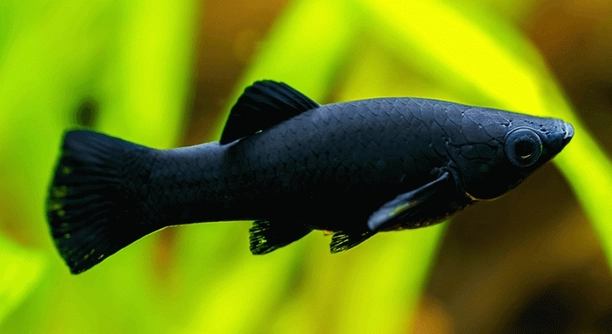
Do you ever notice how your Black Molly fish swim quietly in the tank and wonder if they sense more than just water and light? These small fish can be surprisingly aware of their surroundings.
Black Molly fish are sensitive to vibrations in the water. Their lateral line system allows them to detect movement, changes in water pressure, and nearby disturbances. This sensitivity helps them respond quickly to potential threats and environmental changes.
Understanding how vibrations affect them can improve your tank setup and their overall comfort and well-being.
How Black Molly Sense Vibrations
Black Molly fish rely on their lateral line system to detect vibrations in the water. This system is made up of tiny sensory organs along their body that respond to movement and pressure changes. It helps them navigate the tank, avoid obstacles, and notice other fish nearby. Vibrations from taps, sudden movements, or even nearby footsteps can startle them. Many hobbyists notice that their mollies react quickly to these subtle disturbances, often darting to a corner or hiding behind plants. In addition to protecting them from perceived danger, sensing vibrations also helps them locate food. When a small ripple passes through the water, they can detect it and move toward potential meals. Proper tank setup, including gentle filtration and stable decorations, can reduce excessive vibrations and help your mollies feel secure. Observing how they respond can give insight into their comfort and stress levels, which is important for keeping them healthy.
Their sensitivity means even minor disturbances can cause noticeable reactions in the tank.
Providing a calm environment with minimal sudden vibrations supports healthier behavior and reduces stress.
Common Sources of Vibrations in Your Tank
Daily household activities can create vibrations that affect your mollies. Small movements near the tank, such as walking, closing doors, or using appliances, can send ripples through the water. Even water filters and air pumps create consistent vibrations that fish can detect.
Too many vibrations can stress your Black Mollies, making them swim erratically or hide frequently. They may even lose appetite or become less active if disturbances are constant. By identifying and reducing vibration sources, you create a calmer environment. Place the tank on a sturdy surface away from high-traffic areas. Check that pumps and filters are properly secured to minimize excess movement. Using soft pads under the tank can help absorb shocks from minor bumps. Plants, rocks, and decorations can also break up water movement, giving fish safer areas to retreat. Monitoring their behavior allows you to adjust your setup, ensuring they feel comfortable. A peaceful environment encourages natural swimming patterns and reduces stress, helping mollies thrive in captivity.
Protecting Black Mollies from Excess Vibrations
Even small vibrations can stress Black Mollies, so keeping the tank environment stable is important. Sudden taps, loud noises, or nearby appliance vibrations can startle them, leading to erratic swimming or hiding.
Securing the tank on a sturdy, level surface helps reduce movement. Soft pads beneath the tank can absorb minor shocks and prevent vibrations from spreading. Make sure filters, heaters, and air pumps are tightly installed to avoid unnecessary shaking. Using decorations like plants and rocks strategically can create hiding spots, allowing fish to retreat when water movement becomes too strong. Observing their reactions over time helps identify problem areas and adjust the tank setup for a calmer, more secure environment.
Limiting vibrations also supports feeding habits. Black Mollies may ignore food if water is unsettled, so maintaining a quiet, stable environment encourages natural behavior. Smooth, consistent filtration and gentle water changes reduce stress and help them thrive in captivity. Proper care and attention to environmental stability make a noticeable difference in their overall well-being.
Signs Your Black Mollies Are Affected
If Black Mollies experience too many vibrations, their behavior often changes. Frequent hiding, rapid darting, or clinging near tank walls are common signs of stress.
These fish may lose appetite or swim in unusual patterns when the water feels unstable. Over time, constant stress can weaken their immune system and make them more prone to illness. It’s important to watch for subtle changes, such as increased aggression between tank mates or less interaction with their surroundings. Adjusting the environment by reducing noise, securing equipment, and providing natural cover can improve their comfort. Consistent monitoring ensures that vibrations do not interfere with their daily routines, feeding, or social behavior.
Maintaining a calm environment also benefits their growth and activity levels. Stress from vibrations can cause lethargy or slower development. Regular observation allows you to respond promptly and make small changes that improve tank stability. By prioritizing a vibration-free environment, your Black Mollies remain healthy, active, and more likely to exhibit natural behaviors. Small adjustments, such as moving the tank away from foot traffic or dampening mechanical sounds, can greatly enhance their quality of life. Over time, you’ll notice a more relaxed, confident school of fish thriving in their habitat.
Minimizing External Vibrations
Placing the tank on a sturdy stand prevents shaking from everyday movements. Thick mats or foam pads under the tank can absorb minor vibrations from footsteps or nearby activity.
Keep the tank away from loud appliances and high-traffic areas. Even small vibrations can unsettle Black Mollies and affect their behavior.
Choosing the Right Tank Equipment
Filters and air pumps produce constant vibrations that Black Mollies can detect. Choosing quieter, low-vibration models reduces stress. Installing equipment securely and checking connections prevents unnecessary shaking. Decorations like plants and rocks also help break up water movement, giving fish safer areas to rest and feel secure. Properly maintained equipment ensures consistent water flow without creating sudden disturbances, supporting healthier swimming patterns. Observing your mollies’ reactions to changes in equipment helps you fine-tune the setup for a calm and stable environment. Adjusting these elements can significantly improve their overall comfort and well-being.
Monitoring Fish Behavior
Regularly watching how your Black Mollies swim and react helps detect stress early.
FAQ
Do Black Mollies react to vibrations from outside the tank?
Yes, Black Mollies can sense vibrations from outside the tank. Their lateral line system picks up changes in water pressure, so even footsteps, doors closing, or appliance vibrations can startle them. Over time, repeated disturbances may cause stress, so keeping the tank in a stable area helps them feel secure.
Can vibrations affect their feeding behavior?
Vibrations can make Black Mollies hesitant to eat. If the water is unsettled or they feel threatened, they may ignore food or feed less actively. A calm, stable environment encourages regular feeding habits and ensures they get proper nutrition without unnecessary stress.
How do I know if vibrations are stressing my fish?
Signs of stress include rapid darting, frequent hiding, clinging to tank walls, or loss of appetite. Fish may swim erratically or avoid areas where vibrations are strongest. Observing subtle changes in behavior is key to detecting stress early and adjusting the environment.
Do air pumps and filters create too much vibration?
Some equipment produces vibrations that Black Mollies can detect. Using quiet models or placing filters and pumps securely can reduce disturbances. Regular maintenance ensures smooth operation, while decorations like plants and rocks can absorb or diffuse water movement.
Are certain tank surfaces better for reducing vibrations?
Yes, thick mats, foam pads, or sturdy stands help absorb shocks from external vibrations. Avoid placing tanks on unstable furniture or near high-traffic areas. Even small adjustments, like moving the tank slightly away from heavy foot traffic, can make a noticeable difference.
Will vibrations affect social behavior in Black Mollies?
Excess vibrations can increase aggression or tension between tank mates. Fish may compete for hiding spots or become more territorial if they feel stressed. Reducing disturbances and providing adequate cover helps maintain natural social interactions and a balanced community.
Can vibrations impact breeding or fry survival?
Yes, constant vibrations can stress breeding pairs or fry. Stress may reduce spawning behavior or cause adults to abandon eggs. Fry are especially sensitive to water movement, so a calm tank with minimal vibrations improves breeding success and survival rates.
How often should I monitor vibrations in the tank?
Observing your mollies daily helps identify stress from vibrations early. Watch for changes in swimming patterns, feeding, or hiding. Regular monitoring allows small adjustments to equipment, tank placement, or decorations to maintain a stable environment.
Do decorations and plants help reduce vibration effects?
Yes, decorations and plants create barriers and break up water movement. They provide hiding spots where fish can retreat when vibrations occur. Arranging the tank with plenty of cover improves comfort, reduces stress, and encourages natural behavior.
Can I train my Black Mollies to tolerate vibrations?
Fish can become more accustomed to minor, consistent vibrations over time, but sudden or strong disturbances will always trigger a stress response. Minimizing unexpected vibrations is the best approach to ensure long-term comfort and health.
Is water quality affected by vibrations?
Indirectly, yes. Stress from vibrations can reduce feeding and immune response, leading to poorer health and potential water quality issues from uneaten food or waste. Maintaining a calm tank supports both fish well-being and overall water stability.
Do all Black Mollies respond the same way to vibrations?
Individual sensitivity varies. Some fish may be more skittish, while others remain calm. Observing each fish helps identify those that may need extra cover or attention. Adjusting tank layout and equipment can accommodate different responses, creating a balanced environment for all.
How can I test if vibrations are a problem?
Gently tapping or moving near the tank and watching fish reactions can indicate sensitivity. If they dart, hide, or show unusual behavior, vibrations are affecting them. Make gradual changes to reduce disturbance and monitor improvements over time.
Are certain tank sizes better for reducing vibration stress?
Larger tanks may distribute minor vibrations more evenly, but they also require stable surfaces and proper equipment setup. Smaller tanks are more easily affected by external movement, so extra care is needed to secure stands and minimize disturbances.
Can vibrations influence water temperature or circulation?
Strong vibrations may slightly disturb water movement, but temperature is usually unaffected unless equipment is displaced. Consistent circulation from properly installed filters helps maintain stable conditions despite minor vibrations.
Do mollies ever ignore vibrations completely?
Some fish may appear less reactive to consistent, minor vibrations, but sudden changes usually trigger a response. Observing behavior and providing cover ensures even less sensitive mollies have areas to retreat when needed.
How do I combine vibration reduction with tank maintenance?
Perform water changes and cleaning gently to avoid creating strong ripples. Secure equipment and decorations before maintenance. Small, careful adjustments maintain stability while keeping the tank healthy and safe for your mollies.
Can vibrations affect tank mates besides Black Mollies?
Yes, other fish may also sense vibrations and experience stress. A stable, low-vibration environment benefits the entire community, promoting natural behavior and reducing health risks across species.
Do substrate choices influence vibration sensitivity?
Thicker or softer substrates like sand can absorb minor vibrations better than bare glass or gravel. This reduces the intensity of ripples and provides a more comfortable environment for bottom-dwelling mollies and fry.
Should I record behavior to track stress?
Yes, keeping notes or videos helps identify patterns related to vibrations. Documenting changes in swimming, feeding, or hiding makes it easier to adjust tank setup and improve long-term comfort for your mollies.
Black Mollies are delicate fish that respond strongly to their environment, especially vibrations in the water. Their lateral line system allows them to sense even subtle movements, which helps them navigate, avoid danger, and find food. While this ability is natural and beneficial in the wild, it means they can be easily stressed in home aquariums if the tank environment is not stable. Daily household activities, such as footsteps, doors closing, or appliances running nearby, create vibrations that Black Mollies can detect. Even small, consistent disturbances may lead to changes in behavior, including darting, hiding, or reduced feeding. Observing how they react to these vibrations is important for understanding their comfort and ensuring their long-term health.
Reducing vibrations in the tank requires attention to both placement and equipment. A sturdy, level stand is essential, as is placing the tank away from high-traffic areas in the home. Soft mats or foam pads underneath the tank help absorb shocks and prevent vibrations from spreading. Filters, air pumps, and heaters should be installed securely and chosen with low vibration in mind. Decorations, plants, and rocks are not just for aesthetics—they also provide cover and help break up water movement, giving fish safe areas to retreat when vibrations occur. Even minor adjustments, like moving the tank slightly or securing equipment more tightly, can make a noticeable difference in how relaxed the fish feel. Regular observation allows hobbyists to identify problem areas and take action before stress becomes an issue.
Maintaining a calm and stable environment benefits Black Mollies in multiple ways. Reduced stress supports natural behavior, including swimming, feeding, and social interaction, and helps maintain immune health. Stress from constant vibrations can lead to lethargy, reduced appetite, or increased aggression among tank mates. By creating a low-vibration habitat, you encourage a more natural, active lifestyle for the fish. Consistent monitoring of behavior and minor adjustments to tank setup ensure that your mollies remain comfortable and secure. Paying attention to these details allows you to enjoy a healthy, vibrant aquarium where Black Mollies thrive and exhibit the behaviors that make them fascinating to watch.

Hello,
If you enjoy the content that we create, please consider saying a "Thank You!" by leaving a tip.
Every little bit helps us continue crafting quality advice that supports the health, happiness, and well-being of pets around the world, for pets of all shapes, sizes, and species.
We really appreciate the kindness and support that you show us!