
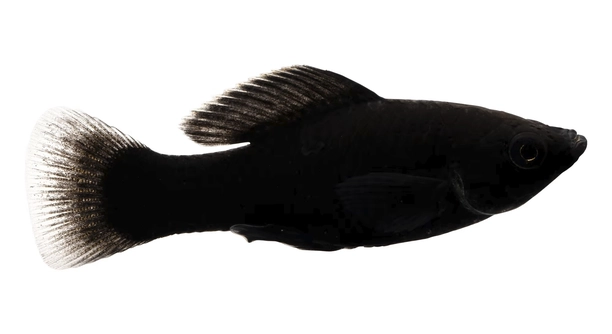
Caring for a black molly during birth can be both exciting and stressful. Sometimes the newborns appear weak or sluggish, leaving owners concerned about their survival and early development. Proper attention during this period is very important.
Weak black molly fry require immediate care to ensure survival and healthy growth. Providing warmth, gentle feeding, and a clean environment are critical steps. Monitoring their activity and separating them from stronger siblings reduces stress and improves survival chances.
Handling weak fry correctly can make a significant difference in their early days. Simple strategies and careful observation ensure they have the best chance to thrive and grow into healthy adult fish.
Preparing a Safe Environment for Newborn Mollies
Creating a safe space for newborn black mollies is essential. Start by using a small, clean tank with gentle filtration and no strong currents. Keep the water temperature stable, around 78–80°F, as fry are very sensitive to sudden changes. Use a sponge filter to ensure adequate oxygen without stressing the tiny fish. Adding some floating plants or fine-leaved greenery helps provide shelter and reduces stress. Remove adult fish from the tank to prevent accidental harm, as adult mollies may eat weaker fry. Regularly check water parameters, including ammonia, nitrite, and nitrate levels, because even small spikes can be fatal to fragile fry. Feeding is also important; start with finely crushed flakes, liquid fry food, or infusoria. Feed small amounts multiple times a day, ensuring no excess remains to spoil the water. Clean the tank gently without disturbing the fry, as rough handling can harm them. Consistency and careful observation are key to early survival.
Providing this environment ensures the fry feel secure, reducing stress and encouraging active swimming.
With a stable, quiet tank, the weak fry can focus on feeding and growing without constant threats, improving their overall chances of survival and long-term health.
Monitoring and Supporting Weak Fry
Keep a close eye on the behavior and growth of each fry.
Observing weak black mollies daily helps detect problems early. Look for signs of sluggish movement, difficulty swimming, or staying at the bottom. Feeding small, frequent meals of highly digestible food supports their energy. Removing leftover food prevents water quality issues that could harm the fry.
Sometimes, weak fry need extra support beyond proper feeding and water care. You can separate the weakest fry into a smaller nursery tank to reduce competition and stress from stronger siblings. Using a gentle water flow and maintaining slightly warmer temperatures encourages activity and digestion. Supplementing food with high-protein options, such as baby brine shrimp or specialized fry formulas, provides the nutrients required for growth. Maintain a strict cleaning schedule to keep ammonia and nitrite at zero, as fry are extremely sensitive. Monitoring their progress daily allows you to adjust feeding and care routines immediately. Over time, these measures help even the smallest fry catch up in growth, increasing their survival rates significantly.
Feeding Techniques for Weak Black Mollies
Feed the fry small amounts several times a day. Use finely crushed flakes, liquid fry food, or baby brine shrimp. Overfeeding can harm water quality, so remove uneaten food promptly to prevent ammonia spikes.
Start with tiny portions that the fry can consume quickly. Weak fry often struggle to compete with stronger siblings, so spreading food in multiple spots helps ensure they all get a chance. Soft, easily digestible foods are best for fragile fry. Avoid feeding large flakes or hard pellets that can be difficult to consume. Maintaining a consistent feeding schedule allows fry to develop steady growth and energy. Watching how each fry reacts to food gives clues on their health and stamina. Adjusting feeding based on observation supports their early development.
Supplementing with high-protein options helps weak fry gain strength more quickly. Baby brine shrimp or specialized fry formulas provide nutrients essential for growth. Feed in small portions multiple times daily to avoid overloading the tank. Separating very weak fry ensures they aren’t pushed aside and can eat properly. Monitor their progress, adjusting food types and portions as needed. Consistency in feeding, water care, and gentle handling improves survival chances for even the weakest fry.
Water Quality and Temperature Control
Maintain stable water parameters to prevent stress. Keep temperature around 78–80°F and avoid sudden fluctuations.
Weak black molly fry are highly sensitive to water quality. Even minor ammonia or nitrite spikes can be deadly. Frequent water checks and partial water changes help maintain a safe environment. Gentle filtration prevents fry from being sucked into the filter while keeping oxygen levels adequate. Avoid overcrowding, as too many fry in one tank can cause stress and slow growth. Maintaining a balance between cleanliness and minimal disturbance is key. Soft lighting and some plant cover help fry feel secure and active.
Temperature fluctuations can weaken fry and make them prone to disease. Using a reliable heater with a thermostat ensures consistent warmth. Slightly warmer water encourages feeding and movement but avoid sudden increases. Monitor tank conditions daily, checking for cloudy water, leftover food, or signs of stress. Adding small amounts of stress-reducing compounds, like aquarium salt in moderation, can support weak fry. Keeping the tank calm, clean, and stable gives them the best chance to grow stronger and thrive alongside their siblings.
Separating Weak Fry
Separating weak fry from stronger siblings reduces stress and competition. Use a small nursery tank or a floating breeder box inside the main tank. This ensures the weakest fry can feed and grow without being pushed aside or harmed.
Monitor the separated fry closely. Keep the water clean and maintain stable temperature. Provide small amounts of easily digestible food multiple times a day. Check for signs of stress or illness and adjust care accordingly. Gentle handling and a calm environment encourage recovery and growth, helping them catch up with stronger fry.
Gentle Handling
Handle fry minimally to avoid stress and injury. Use a soft net or cup for transfers, and move them slowly to prevent sudden shocks.
Light and Shelter
Provide soft lighting and floating plants for shelter. Weak fry feel safer and are less stressed when they have hiding spots.
FAQ
How often should I feed weak black molly fry?
Weak fry need small meals multiple times a day, usually three to five times. Feeding tiny portions ensures they get enough nutrition without fouling the water. Use finely crushed flakes, liquid fry food, or baby brine shrimp. Observe how much each fry eats and adjust portions accordingly to avoid overfeeding.
Should I separate weak fry from the rest?
Yes, separating weak fry helps them avoid competition and stress. A small nursery tank or a breeder box inside the main tank works well. This allows them to feed freely and recover strength without interference from stronger siblings.
What is the ideal water temperature for weak fry?
Keep the tank around 78–80°F. Stable, slightly warmer water encourages activity, digestion, and growth. Avoid sudden temperature changes, as weak fry are highly sensitive and can easily become stressed. A reliable heater with a thermostat is recommended.
How can I improve water quality for fragile fry?
Perform frequent partial water changes, check ammonia, nitrite, and nitrate levels daily, and avoid overcrowding. Use gentle filtration like a sponge filter to maintain oxygen without sucking in fry. Remove uneaten food promptly to prevent spikes in harmful compounds.
What foods are best for weak black mollies?
Start with soft, easily digestible foods such as finely crushed flakes, liquid fry food, and infusoria. High-protein options like baby brine shrimp or specialized fry formulas help boost growth. Feed in small portions multiple times a day to ensure they eat enough.
How do I know if a fry is too weak to survive?
Signs include sluggish movement, staying at the bottom, refusing to eat, or difficulty swimming. Weak fry may benefit from separation and extra feeding. Monitoring daily allows intervention before their condition worsens.
Can stress affect weak fry survival?
Yes, stress can severely impact weak fry. Avoid overcrowding, sudden movements, strong currents, or aggressive tankmates. Soft lighting and floating plants provide shelter, making fry feel secure and reducing stress.
How often should I check on the fry?
Observe them at least once or twice daily. Watch for signs of illness, stress, or food issues. Daily observation helps adjust feeding, water care, and handling to give weak fry the best chance at survival.
Do weak fry need any supplements?
Occasionally, a tiny pinch of aquarium salt or specialized fry vitamins can support their growth and immunity. Always use minimal amounts, as fry are sensitive to chemicals. Focus on stable water conditions and high-quality food first.
Can weak fry catch up to their siblings?
Yes, with proper feeding, water care, separation if needed, and minimal stress, weak fry can gain strength and grow alongside stronger siblings. Patience and careful monitoring are essential for successful development.
Is it necessary to handle fry during tank cleaning?
Minimize handling whenever possible. Use gentle siphoning or netting if transfers are necessary. Rough handling or sudden movements can harm weak fry. Cleaning should focus on maintaining water quality without causing unnecessary stress.
What is the best tank setup for weak fry?
A small, quiet tank with a sponge filter, floating plants, and stable temperature is ideal. Avoid strong currents and overcrowding. Provide enough space to feed freely, and maintain clean water through partial changes and careful monitoring.
How do I prevent disease in weak fry?
Maintain pristine water, feed high-quality food, and avoid overcrowding. Quarantine any new additions and watch for unusual behavior or spots. Stress reduction and clean conditions are the most effective ways to prevent illness in fragile fry.
How long do weak fry need extra care?
Extra care is usually needed for the first few weeks after birth, until they become active and strong enough to compete with siblings. Feeding, clean water, and protection from stress remain important until they grow and develop resilience.
Can weak fry survive without intervention?
Some may survive naturally, but intervention greatly increases survival chances. Without proper feeding, stable water, and protection, weak fry are likely to be outcompeted or fall ill. Providing care improves growth and overall health significantly.
Are there signs of proper growth in weak fry?
Active swimming, regular feeding, and steady size increases indicate healthy growth. Gradual improvement in strength and ability to compete for food are good signs the fry are recovering. Watch daily to ensure progress.
What common mistakes should I avoid?
Avoid overfeeding, sudden water changes, overcrowding, and rough handling. Ignoring weak fry or assuming they will survive naturally can reduce survival. Maintaining patience, observation, and consistent care is key to success.
Can I mix weak fry with other species?
It’s not recommended during the early weeks. Weak fry are vulnerable to predation or stress from other species. Keep them in a species-only tank or nursery until they are strong enough to join a community safely.
How important is observation for weak fry?
Observation is critical. It allows you to notice feeding issues, illness, or stress early. Small adjustments in food, water, or tank setup can save fry that might otherwise fail to survive. Consistent attention is one of the most effective tools for improving survival rates.
What is the role of plants in fry care?
Floating or fine-leaved plants provide shelter and reduce stress. Fry hide when they feel threatened, and plants also improve water quality slightly. Creating a natural environment helps weak fry stay active and healthy while minimizing stress.
How long before weak fry can eat normal food?
Typically, fry transition to slightly larger food after 3–4 weeks, once they grow stronger. Gradually introduce crushed flakes or small pellets while maintaining some high-protein soft foods. Ensure all fry can access food without competition.
Are there warning signs that indicate immediate action is needed?
Yes, lethargy, abnormal swimming, pale color, or refusal to eat signal problems. Immediate intervention with separation, feeding adjustments, or water checks can prevent mortality. Quick response is essential for fragile fry.
Does water hardness affect weak fry?
Yes, black mollies prefer slightly hard to moderately hard water. Extreme softness or hardness can stress weak fry and slow growth. Keep parameters stable and close to recommended ranges for optimal survival.
How do I know when fry are ready to join the main tank?
They should swim actively, feed well, and have grown to a size where stronger tankmates cannot harm them. Gradual acclimation ensures they adjust safely to the main tank environment.
Is it necessary to feed live food exclusively?
No, live food helps growth but high-quality prepared foods work well too. A combination often provides balanced nutrition. Consistency and small, frequent portions are more important than the type alone.
Can weak fry recover from early neglect?
Recovery is possible if intervention begins quickly. Once they become lethargic or malnourished for too long, survival chances drop. Timely feeding, water care, and separation are essential to improve outcomes.
How can I tell if a fry is healthy enough to stop extra care?
Healthy fry swim actively, compete for food without difficulty, and show steady growth. They tolerate normal tank conditions without stress or hiding. At this stage, they can join other fry or the main tank safely.
Do weak fry need a special light cycle?
Normal aquarium lighting works fine. Too bright or sudden changes can stress fry. Maintain a consistent day-night cycle to support feeding, growth, and natural behavior patterns.
Can weak fry survive with siblings from the start?
Some may, but weaker fry are often outcompeted. Separation or careful feeding techniques increase survival and allow them to gain strength before mixing with the rest.
How long should I continue monitoring growth closely?
Continue daily checks for at least the first month, adjusting care as needed. Even after the first month, occasional observation ensures healthy development and early detection of issues.
What is the best way to introduce weak fry to a community tank?
Acclimate slowly, ensuring temperature and water parameters match. Observe interactions with other fish, and provide plenty of hiding spaces to reduce stress. Only introduce them once they are strong enough to avoid bullying or competition for food.
Is there a risk of deformities in weak fry?
Weak fry may be more prone to deformities if malnourished or stressed. Proper nutrition, clean water, and gentle handling reduce risks. Early intervention supports healthier development.
How can I track individual fry progress?
Observe size, feeding habits, and activity daily. Using small markers in separate nursery tanks can help track which fry need extra care or adjustments. Record changes to identify trends in growth and strength.
What should I do if weak fry show signs of illness?
Immediately isolate affected fry, check water quality, and adjust feeding. If needed, consult a veterinarian or experienced aquarist for treatment options. Quick response improves survival chances and prevents spread to other fry.
Can weak fry survive in community tanks at all?
Survival in a community tank is unlikely for very weak fry. Protecting them in a dedicated nursery ensures better growth, feeding access, and reduced stress until they are stronger.
How long does it usually take for weak fry to become strong?
With proper care, most weak fry start showing improvement within two to four weeks. Consistent feeding, stable water, and minimal stress accelerate recovery and help them reach a size suitable for community tanks.
What daily tasks are essential for weak fry care?
Check water parameters, feed small portions, remove uneaten food, observe activity, and monitor growth. Gentle handling and maintaining a calm environment complete the daily routine for best results.
How important is patience when raising weak fry?
Extremely important. Weak fry take longer to grow and are prone to setbacks. Consistent care, observation, and small adjustments over time are the keys to giving them the best chance at survival.
Are there long-term benefits to proper early care?
Yes, fry that receive early support grow healthier, are more resilient, and adapt better to community tanks. Early care lays the foundation for strong adult fish.
Can weak fry recover from stress caused by strong siblings?
Yes, separating them or feeding carefully reduces stress. With proper attention, they can catch up in growth and strength over time.
Do I need to use special equipment for weak fry?
A sponge filter, small nursery tank, thermometer, and gentle net are usually sufficient. Special equipment isn’t required, but these tools make care easier and safer for fragile fry.
Is water pH important for weak fry survival?
Yes, black mollies prefer slightly alkaline water, around pH 7.5–8. Stable pH helps reduce stress and supports digestion, growth, and overall health of weak fry.
How do I avoid overfeeding weak fry?
Feed very small amounts multiple times daily and remove uneaten food promptly. Observing how much they consume in a few minutes prevents excess and keeps water quality safe.
What are the signs that weak fry are thriving?
Active swimming, eating well, steady growth, and responsive behavior indicate healthy development. Fry that explore the tank and interact with siblings without difficulty are thriving.
Can weak fry survive in colder water temporarily?
No, cooler temperatures slow metabolism and reduce feeding. Weak fry are vulnerable to stress and disease, so keeping water consistently warm is critical for survival.
Are weak fry more prone to illness than strong fry?
Yes, they are more sensitive to poor water, stress, and malnutrition. Extra care, clean water, and proper nutrition reduce disease risks significantly.
How long should I continue specialized feeding for weak fry?
Continue until they grow strong enough to compete for food with siblings and tolerate normal tank conditions, usually 3–4 weeks. Gradually transition to standard fry food.
Can weak fry survive without live food?
Yes, high-quality prepared fry foods work well. Live food is beneficial but not required. Small, frequent feedings of easily digestible food are the priority.
What is the best water change schedule for weak fry?
Small, frequent water changes, about 10–20% daily or every other day, maintain quality without shocking fry. Avoid sudden large changes that could stress them.
Is gentle aeration necessary?
Yes, weak fry need oxygen but strong currents can exhaust them. A sponge filter provides safe aeration without harming delicate fry.
Do weak fry need constant light?
No, maintain a normal day-night cycle. Constant or very bright light can stress them. Moderate lighting encourages normal activity and growth.
How do I prevent cannibalism among fry?
Separate weak fry from stronger siblings and provide enough space and hiding spots. Feeding frequently in multiple spots also reduces competition that can lead to aggression.
Are weak fry at risk from tank decorations?
Yes, sharp or rough decorations can injure fragile fry. Use smooth surfaces and avoid small gaps where they could get trapped. Safe hiding places like soft plants are preferred.
How do I know when weak fry are fully independent?
They swim actively, feed without difficulty, and tolerate normal tank conditions. At this stage, they can safely join the main tank or a community setup without extra care.
What is the best approach for multiple weak fry at once?
Use a nursery tank with plenty of hiding spots, feed small portions frequently, and observe all fry individually. Separate any that show extreme weakness for extra support.
Can weak fry survive in unheated tanks?
Survival is unlikely. Stable, warm temperatures are essential for metabolism, feeding, and growth. Unheated water slows development and increases mortality risk.
Do weak fry require special water treatments?
Not necessarily. Focus on clean, stable water. Minimal additions, like a tiny pinch of aquarium salt, can help stress resistance, but high-quality food and water care are more important.
How do I know if a fry is improving?
Signs include stronger swimming, regular feeding, brighter coloration, and increased responsiveness. Growth and activity are reliable indicators that care is working.
Are there signs of permanent weakness?
Persistent lethargy, poor feeding, and stunted growth despite proper care may indicate permanent weakness. These fry may survive but remain smaller or less active than peers.
How long should I continue careful monitoring?
Daily checks for the first month, with occasional observation afterward, ensure fry remain healthy and adapt well to normal tank conditions.
Can weak fry recover from disease?
Early detection and treatment improve survival chances. Quick isolation, water care, and proper nutrition are key. Some diseases may still be fatal despite best efforts.
Is it necessary to adjust water hardness for weak fry?
Maintain slightly hard water as preferred by black mollies. Extreme hardness or softness can stress fry, affecting growth and survival.
Do weak fry need more frequent feeding than normal fry?
Yes, smaller, weaker fry benefit from extra feeding sessions to gain energy and strength. Multiple small portions throughout the day help prevent malnutrition.
Are weak fry more sensitive to tankmates?
Yes, they can be stressed or harmed by adult fish or strong fry. Keep them separated until they grow stronger and can safely interact.
Can weak fry survive with strong fry around them?
Some may, but the risk of malnutrition and stress is high. Separation or careful feeding ensures they receive enough nutrition and reduces stress.
How do I prevent stress in weak fry?
Provide hiding spots, maintain stable water conditions, feed consistently, avoid sudden changes, and minimize handling. Calm, quiet tanks reduce stress and improve survival chances.
What are the most common mistakes in raising weak fry?
Overfeeding, neglecting water quality, overcrowding, rough handling, and failure to separate weak fry are common mistakes. Careful attention and consistent routines prevent these issues.
How much space do weak fry need?
Provide enough room to swim freely and avoid competition. Overcrowding reduces feeding opportunities, increases stress, and slows growth.
Is it necessary to remove uneaten food immediately?
Yes, leftover food decomposes and releases harmful compounds. Prompt removal maintains water quality, reducing stress and disease risk for weak fry.
Can weak fry survive without hiding spots?
They can survive, but hiding spots reduce stress and allow weak fry to feed safely. Plants or gentle decorations are beneficial.
Do weak fry need a specific water flow?
Minimal, gentle flow is best. Strong currents can exhaust or injure weak fry. Sponge filters provide safe oxygenation without risk.
How do I track the growth of weak fry?
Observe size, swimming ability, and feeding habits daily. Note changes to adjust care or identify fry needing extra attention. Consistent monitoring ensures better outcomes.
Can weak fry adapt to standard aquarium conditions eventually?
Yes, with proper early care, they can adapt to normal tanks and compete with peers. Early support ensures long-term health and growth.
Is patience the key to raising weak fry?
Absolutely. Weak fry require consistent care, observation, and time. Patience ensures proper feeding, stable water, and safe handling, maximizing survival chances.
How do I know when to stop specialized care?
When fry swim actively, feed well, tolerate normal tank conditions, and grow steadily, they are ready for regular care routines without extra support.
Are weak fry at risk of deformities from early weakness?
Yes, early malnutrition or stress can cause deformities. Proper care, nutrition, and stress reduction reduce risks and promote healthier development.
Can weak fry survive if I leave them with adults?
Survival is unlikely. Adults may eat or stress weak fry. Separation until fry are strong enough is recommended for survival.
Do weak fry benefit from regular observation even after initial growth?
Yes, occasional checks ensure they remain healthy, identify potential problems early, and confirm steady growth alongside other fish.
How do I maintain long-term health in fry that were weak at birth?
Continue regular feeding, maintain stable water, reduce stress, provide hiding spots, and gradually acclimate to community tanks. Early care sets a foundation for resilient adult fish.
What signs show that early care was effective?
Active swimming, steady growth, proper feeding, bright coloration, and resilience to tankmates indicate early interventions were successful and fry are thriving.
Can weak fry ever be fully independent from extra care?
Yes, with consistent support, weak fry eventually grow strong enough to feed, swim, and thrive without special attention, joining other fish safely.
How do I prevent future weakness in fry?
Maintain healthy adult fish, stable water conditions, proper feeding, and minimal stress during breeding. Strong parents and good environment reduce the chance of weak fry.
Is there a difference between weak fry and sick fry?
Yes, weak fry are underdeveloped or fragile, while sick fry show abnormal behavior, discoloration, or disease symptoms. Care strategies overlap but illness may require specific treatment.
Are there any long-term effects of being weak at birth?
Some fry may remain smaller or less robust, but with proper care, most develop normally and can live healthy lives.
Can weak fry reproduce later in life?
Yes, if they grow healthy and reach maturity
Raising weak black molly fry requires patience, attention, and careful planning. From the moment they are born, these tiny fish are very delicate and need more care than stronger fry. Maintaining a stable environment with clean water, a gentle filter, and a slightly warmer temperature is essential for their survival. Small adjustments, like adding floating plants or creating hiding spots, can make a noticeable difference in how safe and comfortable the fry feel. Separation from stronger siblings often gives weak fry a better chance to feed properly and gain strength without stress. Consistency in daily care routines, such as checking water parameters, observing swimming patterns, and monitoring feeding, is crucial. Even small changes can affect their growth, so paying close attention helps catch problems early and prevents potential health issues.
Feeding plays a major role in helping weak fry grow. They need small, frequent meals of highly digestible foods that provide enough energy without overwhelming their tiny digestive systems. Baby brine shrimp, liquid fry foods, or finely crushed flakes are ideal choices. Observing each fry during feeding shows which individuals may need extra attention or separation from the rest of the group. Overfeeding should be avoided because leftover food can quickly degrade water quality and harm fragile fry. By providing consistent nutrition and a clean, stress-free environment, weak fry can gradually gain strength and begin to catch up with their siblings. Patience is required during this period because growth and development happen slowly, and it may take weeks before the fry are fully active and healthy.
Early care has a lasting impact on the long-term health of black mollies. Fry that receive proper attention from the start are more likely to grow into strong, resilient adult fish. Stable water conditions, appropriate food, and minimal stress lay the foundation for their future well-being. Even after weak fry become stronger, continued observation and regular maintenance of their tank are important to prevent problems from occurring. Providing a calm and safe environment encourages natural behaviors and reduces stress-related issues. By giving weak fry the care they need during these critical first weeks, their chances of survival increase significantly, and they are more likely to develop into healthy, active adult fish capable of thriving in a community tank. Consistency, careful observation, and dedication to their needs are the keys to supporting fragile fry through their early stages and beyond.

Hello,
If you enjoy the content that we create, please consider saying a "Thank You!" by leaving a tip.
Every little bit helps us continue crafting quality advice that supports the health, happiness, and well-being of pets around the world, for pets of all shapes, sizes, and species.
We really appreciate the kindness and support that you show us!