
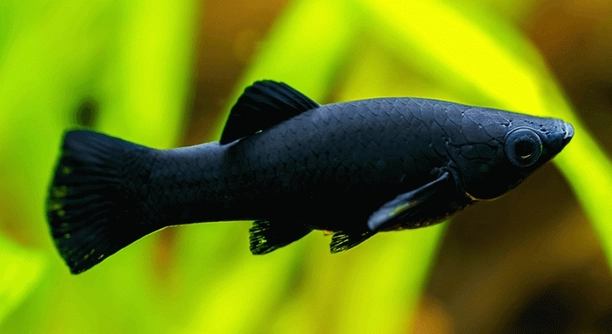
Do you ever find yourself looking for natural ways to care for your Black Molly fish? Rainwater is often considered a gentle and chemical-free option for aquarium use, attracting attention from many responsible fish owners.
Using rainwater for Black Molly fish is generally safe if it is free from pollutants and collected properly. It can provide soft, slightly acidic water similar to their natural habitat, supporting overall health and growth when monitored carefully.
Understanding the proper collection and usage methods will help you maintain a healthy environment for your fish and ensure their long-term well-being.
Collecting Rainwater Safely
Collecting rainwater for your Black Molly requires attention to cleanliness and storage. Use a clean container that hasn’t held chemicals or residues. Avoid collecting water after heavy storms, as it may carry pollutants from rooftops or surrounding surfaces. Position the container in an area that is free from dust, debris, and direct animal contact. Some people add a simple mesh filter to keep out leaves and insects. It’s also important to store the water in a shaded place, preventing algae growth. Regularly check the water for cloudiness, unusual odors, or particles, as these signs indicate it’s no longer suitable for your fish. Before adding rainwater to the aquarium, it’s best to let it sit for 24 hours. This allows the water to reach room temperature and any chlorine or impurities to settle. Following these steps helps maintain a safe and stable environment for your fish.
Proper storage and filtration prevent contaminants from affecting your fish’s health.
Rainwater can be a reliable source for Black Molly when collected carefully. Using clean containers, filtering debris, and letting it sit before use ensures stability. Regular checks for clarity and odor protect the fish from sudden changes in water quality. Over time, consistent care can reduce stress and support natural behaviors, including feeding and swimming. Balancing rainwater with occasional conditioned tap water can maintain mineral levels and pH stability. Testing water parameters regularly ensures that soft, slightly acidic conditions remain suitable. With these precautions, Black Molly fish can thrive in rainwater environments without compromising their health or vitality. Proper collection, storage, and observation are key to successful integration into the tank.
Preparing Rainwater for Aquarium Use
Before adding rainwater to the tank, it should be tested for pH and hardness levels. This helps prevent sudden changes that could stress your fish.
Adjusting rainwater may involve adding small amounts of aquarium salt or minerals to match your tank’s existing conditions. Slowly introducing rainwater over several days helps your fish acclimate to the new water. Regular monitoring of ammonia, nitrite, and nitrate levels is essential, as these can spike when new water is added. Black Mollies prefer slightly acidic to neutral water with moderate hardness, so blending rainwater with conditioned water may be necessary to maintain optimal parameters. Temperature consistency is equally important; water that is too cold or warm can cause stress and weaken their immune system. With patience and observation, rainwater can be a safe and natural component of your aquarium routine.
When prepared carefully, rainwater provides soft and gentle water suitable for Black Mollies. It can improve their overall comfort and mimic natural conditions, supporting long-term health. Adjusting pH and hardness gradually while monitoring water quality ensures a stable and thriving environment for your fish.
Testing Rainwater Quality
Testing rainwater ensures it is safe for your Black Molly. Simple kits can measure pH, hardness, and other key parameters before adding it to the tank.
Regular testing prevents sudden changes that could stress the fish. Black Mollies thrive in slightly acidic to neutral water with moderate hardness. Rainwater often starts soft and acidic, but depending on your area, it may vary. Checking pH, hardness, and potential contaminants like nitrates or ammonia helps maintain stability. Testing also allows gradual adjustment by mixing rainwater with conditioned water if needed, reducing the risk of shock. Consistent monitoring keeps the aquarium environment predictable and safe.
Maintaining water quality includes observing fish behavior and water clarity. Cloudy water or unusual swimming patterns may indicate parameter shifts. Adjustments, such as aeration or buffering agents, can help correct imbalances. Keeping a log of water tests helps track trends and prevent sudden problems. Over time, this ensures your Black Mollies stay healthy and active. Using rainwater successfully requires combining proper testing with attentive care and small, gradual changes to the tank environment.
Common Issues with Rainwater
Rainwater can introduce bacteria or algae if not stored correctly. Containers must be clean and kept covered to prevent contamination.
Even with precautions, rainwater may lack essential minerals. Black Mollies require calcium and magnesium for proper growth and immune function. Without these, fish may develop weak bones or health issues over time. Blending rainwater with conditioned aquarium water or adding mineral supplements helps maintain the right balance. Additionally, sudden pH swings from rainwater can stress fish. Gradual integration and monitoring prevent shock. Regular cleaning of containers and observing tank conditions further reduces risks. This careful approach ensures rainwater contributes positively to the aquarium ecosystem.
Benefits of Using Rainwater
Rainwater is naturally soft and slightly acidic, which can mimic the Black Molly’s natural habitat. It is free from chemicals like chlorine and chloramine commonly found in tap water.
Using rainwater can reduce the need for frequent water conditioning. It provides a gentle environment, helping the fish feel comfortable and less stressed.
Balancing Minerals in Rainwater
While rainwater is soft and clean, it often lacks essential minerals. Black Mollies need calcium and magnesium for strong bones, proper growth, and overall health. Adding aquarium-safe mineral supplements or mixing rainwater with conditioned water ensures the correct balance. Gradually adjusting mineral levels prevents stress and supports long-term vitality in the fish. Regular testing keeps mineral concentrations within safe ranges, making rainwater a reliable part of your tank routine. This careful management allows Black Mollies to thrive in soft, natural water without compromising their health or development.
Monitoring Fish Behavior
Observing swimming patterns and feeding habits helps detect issues early. Stress or illness often shows in changes in activity or appetite.
FAQ
Can Black Mollies live entirely on rainwater?
Black Mollies can survive on rainwater if it is collected and stored properly, free from contaminants. However, rainwater alone may lack essential minerals like calcium and magnesium. It is often necessary to mix rainwater with conditioned water or add supplements to maintain proper hardness and pH levels for long-term health.
How should rainwater be stored before use?
Rainwater should be collected in a clean, chemical-free container. Cover the container to prevent debris and insects from entering. Store it in a shaded area to reduce algae growth and allow the water to settle for at least 24 hours before adding it to the tank. This helps the water reach room temperature and reduces sudden changes in the aquarium.
Do I need to test rainwater before adding it to the aquarium?
Yes, testing rainwater is essential. Use simple kits to check pH, hardness, and potential contaminants like ammonia or nitrates. Regular testing ensures stability and prevents stress. It also helps determine whether mineral supplementation or mixing with conditioned water is necessary before introducing it to the tank.
How often should rainwater be replaced in the tank?
Water changes depend on tank size, fish population, and water quality. Small changes of 10-20% weekly can help maintain stability, while larger changes may be needed if the water shows signs of cloudiness or elevated waste levels. Using rainwater for partial changes is safe if parameters are monitored closely.
Can rainwater cause algae growth in the tank?
Rainwater itself does not directly cause algae, but if stored improperly or exposed to sunlight, it can develop algae before use. Algae in the tank can result from excess nutrients or light, so keeping collected rainwater covered and shaded helps prevent these issues. Proper filtration and regular maintenance reduce algae growth in the aquarium.
Is it necessary to acclimate Black Mollies to rainwater?
Yes, gradual acclimation prevents stress. Introduce rainwater slowly over several days, mixing it with existing tank water. Monitor fish behavior closely during this period. Sudden changes in pH, temperature, or hardness can cause shock, so a careful and measured approach is essential for a smooth transition.
Can rainwater alone maintain proper pH for Black Mollies?
Rainwater tends to be slightly acidic, which can be suitable for Black Mollies. However, pH levels vary depending on the collection area. Regular testing is necessary to ensure it remains within the optimal range of 6.5 to 7.5. Adjustments with safe buffering agents may be needed for consistent conditions.
Are there risks of contamination in rainwater?
Yes, rainwater can pick up dust, pollen, or pollutants from roofs and collection surfaces. Heavy rainfall may wash in harmful substances. Always use clean containers and avoid collecting water after storms or near polluted areas. Filtering and allowing the water to settle before use further reduces risk.
Can rainwater affect the breeding of Black Mollies?
Soft, slightly acidic rainwater can support breeding, but mineral deficiencies may impact egg development or fry survival. Maintaining a balanced environment with adequate calcium and magnesium ensures that the fish reproduce successfully while remaining healthy. Gradual water changes and monitoring parameters support safe breeding conditions.
What signs indicate rainwater is unsuitable for the tank?
Cloudiness, unusual odors, sudden pH shifts, or stressed fish indicate the water is not safe. Always discard contaminated rainwater and test before use. Proper collection, storage, and monitoring minimize these risks and keep your Black Mollies in a stable, healthy environment.
Can I mix rainwater with tap water?
Yes, blending rainwater with conditioned tap water helps balance minerals and pH. This ensures that the water supports growth, immunity, and overall health. Mixing gradually avoids sudden changes that could stress the fish and maintains long-term stability in the tank.
How frequently should rainwater be tested?
Testing once a week is ideal, especially after collection or before water changes. Regular monitoring of pH, hardness, ammonia, nitrites, and nitrates ensures safe conditions. Maintaining a log can help identify trends and prevent sudden water quality issues that could affect the Black Mollies’ health.
Is boiling or treating rainwater necessary?
Boiling is not recommended, as it can remove oxygen. Instead, focus on clean collection, filtration, and settling. Using water conditioners and testing parameters ensures the rainwater is safe without altering its natural qualities that benefit Black Mollies. Proper handling is more effective than boiling or chemical treatment.
Can rainwater help prevent stress in Black Mollies?
Soft, chemical-free rainwater can create a gentle environment, reducing stress caused by sudden pH changes or chlorine exposure. When combined with proper mineral balance and gradual acclimation, rainwater contributes to a stable, comfortable habitat that promotes healthy behavior and activity levels in the fish.
Is it safe to use rainwater during winter or dry seasons?
Yes, as long as it is collected and stored properly. Ensure the water is free from debris and temperature differences are minimized. In dry seasons, limited rainfall may require supplementing with conditioned water to maintain sufficient supply for regular changes.
Can rainwater alone support long-term tank stability?
Rainwater can be part of a stable routine but usually needs supplementation or mixing with conditioned water. Testing and monitoring parameters ensure that mineral levels, pH, and hardness remain consistent. Proper management prevents stress, supports health, and allows Black Mollies to thrive over time.
Using rainwater for Black Mollies can be a practical and natural approach if handled correctly. When collected and stored properly, rainwater offers a soft, slightly acidic environment that closely resembles the conditions these fish experience in their natural habitats. It is free from chlorine and many other chemicals found in tap water, which reduces the risk of irritation or stress for the fish. However, rainwater is not a perfect solution on its own. It often lacks essential minerals such as calcium and magnesium, which are vital for growth, bone strength, and overall health. Mixing rainwater with conditioned water or using mineral supplements can help maintain the balance needed for a thriving aquarium. Regular monitoring of water parameters, including pH and hardness, is necessary to ensure that the fish remain healthy and comfortable. Consistency is key, as Black Mollies are sensitive to sudden changes in their environment.
Proper collection and storage are critical when using rainwater. Containers should be clean, free from any chemical residue, and covered to prevent debris, insects, or pollutants from entering. Storing rainwater in a shaded area reduces the risk of algae growth and maintains water quality. Allowing the water to settle for at least 24 hours before use helps bring it to room temperature and lets any sediments fall to the bottom. Filtering the water to remove particles ensures that it is safe for the aquarium. These steps, while simple, make a significant difference in providing a stable and healthy environment for Black Mollies. Over time, careful attention to collection, storage, and preparation will reduce risks and support the long-term health of the fish.
Using rainwater also requires careful observation and gradual acclimation. Introducing it slowly into the tank allows the fish to adjust to any differences in pH, hardness, or temperature. Monitoring fish behavior, feeding habits, and overall activity can help detect issues early. If water parameters begin to shift, small adjustments can be made before they cause stress. Rainwater, when used correctly, can contribute to a gentle and stable environment that supports both adult fish and breeding activities. With consistent care, regular testing, and proper preparation, rainwater can become a reliable part of your aquarium routine, providing a soft, natural habitat that helps Black Mollies stay healthy and active over the long term.

Hello,
If you enjoy the content that we create, please consider saying a "Thank You!" by leaving a tip.
Every little bit helps us continue crafting quality advice that supports the health, happiness, and well-being of pets around the world, for pets of all shapes, sizes, and species.
We really appreciate the kindness and support that you show us!