
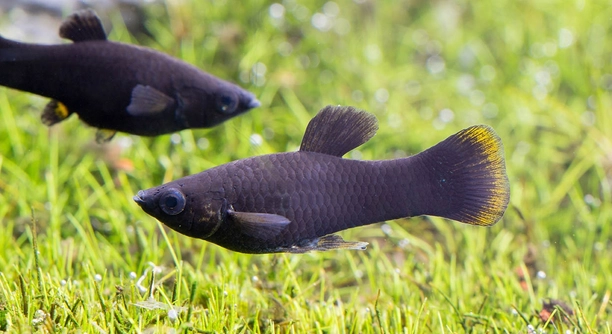
Black Mollies are popular freshwater fish known for their striking black coloration and peaceful nature. Many aquarists enjoy keeping them in community tanks, appreciating their active swimming patterns and compatibility with other species. Their adaptability makes them a favored choice for home aquariums.
Black Mollies can tolerate mild overcrowding to a certain extent, but it is crucial to maintain proper water quality, provide sufficient hiding spaces, and ensure a balanced diet to prevent stress, disease, and stunted growth in the fish population.
Managing tank conditions carefully allows Black Mollies to thrive even in slightly crowded environments. Understanding these factors ensures healthier, happier fish and a more stable aquarium ecosystem.
Understanding Mild Overcrowding in Black Molly Tanks
Mild overcrowding occurs when the number of Black Mollies slightly exceeds the optimal stocking density, which can subtly affect water quality, social behavior, and overall health. Even though Black Mollies are resilient, too many fish in a tank can lead to increased waste, higher ammonia and nitrate levels, and more frequent fluctuations in pH. Fish may display minor signs of stress, such as erratic swimming, hiding more often, or reduced feeding. Observing your tank closely can help you identify these issues early before they escalate into serious problems. Providing adequate filtration, regular water changes, and monitoring water parameters is essential to counteract these effects. Slight overcrowding can also influence breeding behavior, as males may compete more aggressively for attention, and females could experience stress. Adjusting decorations and adding plants can help create visual barriers and reduce tension. Overall, small adjustments can maintain a healthy and stable environment for your fish despite higher densities.
Even in mild overcrowding, careful monitoring and proper care can prevent stress and ensure the Black Mollies remain active and healthy.
Maintaining water quality is the cornerstone of managing mild overcrowding. Consistent water testing, partial water changes, and the use of quality filtration systems help keep ammonia and nitrate levels safe. Spacing out feeding and avoiding overfeeding reduces waste buildup, which is critical when more fish occupy the same tank. Observing behavior and identifying signs of stress early allows for timely intervention. Introducing hiding spots and plants can create microenvironments, giving fish space to retreat and reducing aggression. By carefully balancing stocking density with environmental enrichment, Black Mollies can live comfortably in slightly crowded conditions, maintaining their energy and vibrant coloration. Proper attention to tank conditions also supports breeding without compromising fish health, as females are less likely to suffer from constant male harassment. Mild overcrowding can be manageable, but it requires vigilance, consistency, and small adjustments to maintain a thriving aquarium community.
Signs Your Black Mollies Are Struggling
Stress signs in Black Mollies include lethargy, loss of appetite, or hiding more than usual. Minor aggression or fin nipping can also occur among tank mates.
Recognizing these signs quickly allows for intervention before health deteriorates. Adjusting water quality, reducing feeding, and adding hiding spaces can restore balance and calm stressed fish effectively.
Monitoring behavior is essential for maintaining a healthy aquarium. Fish that display consistent hiding, erratic swimming, or faded colors may be experiencing chronic stress from overcrowding or poor water conditions. In some cases, fin damage from frequent chasing or increased competition for food can indicate that the environment is too dense. Regular observation and documenting changes in behavior or appearance help identify problems early. Implementing small changes, such as rearranging decorations, increasing plants, or slightly reducing the number of fish, can alleviate stress. Filtration upgrades and partial water changes help maintain optimal water chemistry, ensuring that all fish receive clean, oxygenated water. Addressing mild overcrowding promptly protects both the health of the Black Mollies and the balance of the tank ecosystem.
Adjusting Tank Conditions
Keeping water clean is essential when Black Mollies experience mild overcrowding. Regular water changes, proper filtration, and careful feeding routines prevent harmful buildup of ammonia and nitrates, supporting overall fish health.
Consistent monitoring of water parameters is crucial. Testing pH, ammonia, nitrite, and nitrate levels ensures a stable environment. Overcrowding increases waste, which can lead to spikes in toxins if not managed. Using a quality filter and performing partial water changes every week helps maintain safe conditions. Reducing overfeeding prevents leftover food from decaying, which could otherwise worsen water quality. Even small adjustments, like rearranging decorations to improve circulation, make a difference. Proper tank care allows Black Mollies to maintain normal behavior, vibrant coloration, and energy levels despite slightly higher stocking densities.
Adding hiding spaces and live plants can reduce stress. Fish have places to retreat when crowded, which lowers aggression and improves social harmony. Monitoring behavior and tank conditions together ensures a balanced environment.
Feeding Strategies Under Mild Overcrowding
Feeding in an overcrowded tank requires careful portion control. Providing the right amount of food prevents waste buildup and reduces water quality issues.
Splitting food into smaller, frequent meals ensures all Black Mollies receive adequate nutrition. Overfeeding can cause uneaten food to decay, increasing ammonia and nitrate levels, which stresses the fish. Including a variety of foods, like flakes, pellets, and occasional live or frozen options, supports health and coloration. Observing feeding behavior helps identify weaker fish or aggressive feeders that may need extra attention. Adjusting feeding routines based on tank population and size helps maintain water quality while keeping all fish nourished. Proper feeding balances energy, growth, and overall health in mildly crowded tanks.
Managing Social Behavior
Mild overcrowding can lead to minor aggression among Black Mollies. Providing ample hiding spots and visual barriers helps reduce conflicts and allows fish to feel secure.
Observing interactions is important. Separating overly aggressive individuals or rearranging tank decorations can prevent stress and injuries, keeping the community peaceful.
Optimizing Tank Space
Maximizing swimming areas improves comfort in crowded tanks. Rearranging plants and decorations creates open zones where fish can move freely without constant contact. Properly spaced environments reduce stress and support natural behavior patterns, allowing Black Mollies to remain active and healthy even with more tank mates.
Water Quality Maintenance
Filtration and regular water changes are vital in crowded tanks. Maintaining stable parameters ensures fish health and prevents disease outbreaks.
How many Black Mollies can live in a single tank?
The number of Black Mollies depends on tank size and filtration capacity. A general guideline is one inch of fish per gallon of water, but mild overcrowding can occur if this ratio is slightly exceeded. Careful monitoring and water maintenance help prevent stress and health problems.
What signs indicate my Black Mollies are stressed?
Stress can show through lethargy, loss of appetite, faded colors, or hiding more than usual. Minor fin nipping, chasing, or unusual swimming patterns are also indicators. Early detection allows for timely intervention, such as improving water quality or adding hiding spots.
Can mild overcrowding affect breeding?
Yes, slightly crowded conditions can increase competition among males, leading to harassment of females. Stress may reduce breeding success and affect fry survival. Providing plants, decorations, and open spaces can help create safer environments for reproduction while maintaining social balance.
How often should I change water in a slightly crowded tank?
Partial water changes of 20-30% weekly are recommended. Overcrowding increases waste production, so regular water replacement helps maintain safe ammonia, nitrite, and nitrate levels, ensuring healthier fish and reducing stress. Proper filtration supports this process.
What is the best feeding strategy for overcrowded tanks?
Feed smaller portions multiple times a day to prevent uneaten food from accumulating. Use a mix of flakes, pellets, and occasional live or frozen foods. Observing feeding behavior helps ensure weaker fish receive enough nutrition without overfeeding the stronger ones.
Can adding plants help in crowded tanks?
Yes, live plants provide hiding spots, visual barriers, and areas for retreat, reducing stress and aggression. They also help absorb some waste products and improve oxygenation, supporting water quality in mildly overcrowded conditions.
Is tank size the only factor in managing overcrowding?
No, tank size is important, but filtration, decorations, hiding spaces, and regular water maintenance play equally critical roles. Overcrowding can be managed if all these factors are optimized, allowing Black Mollies to remain active, healthy, and vibrant despite slightly higher densities.
What should I do if aggression increases?
Rearranging decorations or adding more plants can break sightlines and reduce confrontations. In severe cases, temporarily separating aggressive individuals helps restore social balance. Observing the tank daily ensures interventions are timely and effective.
How do I prevent disease in a crowded tank?
Maintaining excellent water quality, avoiding overfeeding, and monitoring for early signs of illness are key. Quarantining new fish before introducing them helps prevent introducing pathogens. Mild overcrowding increases disease risk, so vigilance is essential.
Can mild overcrowding be completely safe for Black Mollies?
Yes, if water quality, feeding routines, hiding spaces, and behavior monitoring are carefully managed. Mild overcrowding is manageable with proper attention, allowing Black Mollies to thrive and maintain normal behavior, coloration, and overall health in slightly denser conditions.
How often should I check water parameters?
Weekly testing of ammonia, nitrite, nitrate, and pH is recommended. Slight overcrowding can cause rapid changes in water chemistry, so consistent checks help prevent stress and maintain a stable, healthy environment for all fish.
Are certain tank setups better for overcrowded conditions?
Long tanks with plenty of open swimming space and scattered plants or decorations work best. Open areas reduce constant contact among fish, while plants provide retreat spots. Vertical space can also help, as some Black Mollies swim at mid- to upper levels.
What is the impact of mild overcrowding on lifespan?
If well-managed, mild overcrowding does not significantly reduce lifespan. Stress and poor water conditions are the main risks, so ensuring stable parameters, proper feeding, and sufficient hiding spaces supports long-term health and longevity.
Can adding other species affect overcrowding?
Yes, choosing compatible species that share similar water requirements but occupy different areas of the tank can reduce tension. Avoid aggressive or highly territorial fish that may exacerbate stress in a mildly crowded Black Molly community.
What are the most common mistakes in managing mild overcrowding?
Overfeeding, neglecting water changes, poor filtration, and ignoring early stress signs are the most frequent issues. Simple adjustments like spacing fish, adding plants, and monitoring water parameters prevent these problems and maintain a thriving tank environment.
How can I tell if my tank is too crowded despite proper care?
Persistent stress behaviors, poor growth, frequent fin damage, or high ammonia/nitrate levels indicate overcrowding is exceeding the tank’s capacity. Adjusting the number of fish or enhancing tank setup is necessary to restore balance and health.
Managing mild overcrowding in a Black Molly tank requires attention to several key factors. While these fish are resilient and adaptable, slight overcrowding can still affect their health and behavior if not properly managed. Ensuring clean water is the foundation of a healthy tank. Regular water changes and a reliable filtration system help maintain safe levels of ammonia, nitrite, and nitrate. Even small fluctuations in water quality can stress the fish, leading to reduced activity, color fading, or vulnerability to disease. Keeping track of water parameters on a weekly basis makes it easier to identify potential problems before they become serious. Adjusting feeding routines is also important. Overfeeding in a crowded tank increases waste and water pollution, so dividing food into smaller portions and providing a balanced diet ensures all fish are nourished without compromising water quality. Observing the fish during feeding allows you to notice weaker or more timid individuals who may need extra care.
The physical layout of the tank plays a significant role in managing overcrowding. Black Mollies are active swimmers, and providing open swimming spaces along with areas for hiding can reduce stress and aggression. Live plants, rocks, and decorations create visual barriers that help fish feel secure and give them places to retreat when needed. Minor aggression can occur in crowded tanks, especially among males competing for females, but rearranging tank features or adding more hiding spots can reduce conflict. Monitoring social interactions on a daily basis helps identify problematic behaviors early, preventing injury or chronic stress. Even small changes, such as spreading out plants or repositioning decorations, can make a noticeable difference in the well-being of the fish. By creating a balanced environment with both open swimming areas and retreat zones, Black Mollies can continue to display natural behaviors and maintain vibrant colors despite mild overcrowding.
Maintaining overall fish health in slightly crowded conditions requires a combination of careful observation, consistent care, and environmental management. Keeping an eye on behavior, feeding patterns, and water quality ensures that stress is minimized and all fish receive proper nutrition. Attention to detail, such as checking for signs of disease, fin damage, or reduced activity, allows for timely intervention when issues arise. Mild overcrowding is not inherently harmful if these measures are in place, and it can be managed successfully without compromising the health or longevity of the fish. Proper tank management also supports breeding behavior and helps maintain a harmonious community in the aquarium. Ultimately, a well-maintained tank with clean water, balanced feeding, and thoughtfully arranged decorations provides an environment where Black Mollies can thrive. By addressing both environmental and social needs, fishkeepers can ensure their Black Mollies remain healthy, active, and vibrant even in slightly higher densities, making overcrowding manageable and sustainable over time.

Hello,
If you enjoy the content that we create, please consider saying a "Thank You!" by leaving a tip.
Every little bit helps us continue crafting quality advice that supports the health, happiness, and well-being of pets around the world, for pets of all shapes, sizes, and species.
We really appreciate the kindness and support that you show us!