
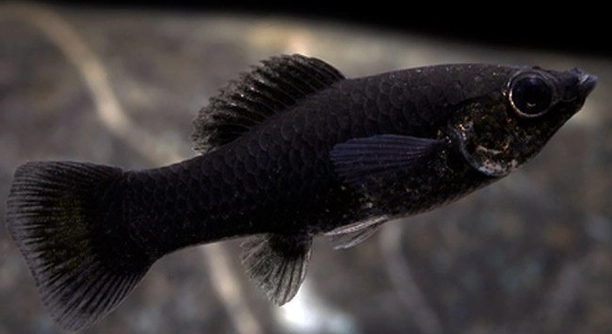
Fry are delicate and need just the right conditions to grow strong and healthy. Light plays an important role in their development, but too much can stress them. Observing their behavior and environment is essential for care.
Fry exposed to excessive light may display signs of stress, including lethargy, clamped fins, and irregular swimming patterns. Maintaining a balanced photoperiod helps regulate their metabolism, supports proper growth, and prevents developmental issues caused by overexposure.
Monitoring lighting conditions carefully ensures fry thrive, while understanding their responses helps prevent long-term health problems in your aquarium setup.
Signs Your Fry Are Receiving Too Much Light
Fry exposed to too much light often show subtle behavioral and physical changes that indicate stress. They may swim erratically, hide more than usual, or fail to feed properly. Overexposure can weaken their immune system, making them more susceptible to illness. You might notice faded coloration or clamped fins, which are signs the fry are uncomfortable. Light intensity affects not only activity levels but also growth, as prolonged exposure can interfere with normal development. Even seemingly healthy fry may show slow growth if lighting is excessive. Watching how they interact with their environment provides clear clues about whether adjustments are needed. Balancing natural and artificial light helps maintain optimal health. Providing shaded areas or floating plants can reduce light stress, giving fry a safe space to retreat. Regular monitoring allows you to make small changes before problems become severe, keeping your fry healthy and thriving in their aquarium.
Too much light stresses fry, reducing their activity and feeding. Adjusting exposure prevents long-term health and developmental issues in the tank.
By observing fry behavior closely, you can fine-tune lighting schedules. Some fry may be more sensitive than others, requiring gradual changes. Using timers or dimmers ensures light levels remain consistent, avoiding sudden shifts that could cause panic or hiding. Floating plants or decorations can provide shaded areas, offering a retreat when light becomes overwhelming. Even small adjustments, like reducing the duration of direct light, can make a noticeable difference in activity and growth. Keep water quality high, as stressed fry are more prone to illness. Monitoring daily for color changes, fin condition, and swimming patterns helps identify problems early. Balancing light with the natural circadian rhythms of the fry supports their metabolism and promotes healthy development. Paying attention to these signs can prevent stress-related mortality and allow your fry to grow evenly, giving you a thriving aquarium environment over time.
Adjusting Light Levels for Healthier Fry
Reducing light exposure gradually helps fry adapt without causing sudden stress or shock. Minor adjustments are often enough to restore balance.
Start by evaluating the current light schedule and intensity in your tank. Use a timer to maintain consistent periods of light and darkness, avoiding abrupt changes. Consider adding floating plants or lightly shading parts of the aquarium to create low-light zones. Observing fry behavior before and after adjustments helps determine effectiveness. Over time, you may need to tweak both duration and brightness to match fry growth stages. Maintaining stable water conditions alongside light adjustments ensures the environment remains healthy. Consistency and gradual change are key to supporting growth while reducing stress. Tracking fry response over several days allows you to see if improvements occur, such as more active swimming, better feeding, and normal coloration. Using soft or diffused lighting rather than intense direct light can prevent long-term developmental issues. Adjustments should be subtle yet consistent, giving fry a balanced environment for growth. Properly timed light exposure, combined with shaded areas, ensures fry thrive in a natural and comfortable setting.
Creating Safe Zones in the Aquarium
Providing shaded areas helps fry avoid excessive light. Plants, decorations, or floating objects give them space to retreat when needed.
Shaded areas reduce stress and encourage natural behavior. Fry tend to explore more freely when they can escape bright spots. Using floating plants or small caves helps fry hide without isolating them completely. Position decorations to create pockets of low light, giving fry control over their exposure. This method mimics natural habitats, where fry would find shelter under plants or rocks. Gradually, fry will learn to balance activity between bright and shaded areas, improving feeding habits and overall growth. Consistency in providing these zones prevents sudden stress from intense lighting.
In addition to shade, monitor fry closely to ensure they are using the spaces. Adjust plant density or reposition objects as fry grow. Some fry may prefer darker areas, while others explore more actively. Providing multiple shaded spots prevents overcrowding and supports even distribution in the tank. Over time, fry adapt to varying light levels without negative effects. Combining safe zones with proper light schedules encourages healthier behavior, better feeding, and steady development. Creating these spaces is a simple, effective way to protect fry from overexposure.
Monitoring Fry Behavior
Observing fry behavior helps identify light-related stress. Regular checks reveal changes in swimming, feeding, or color.
Behavioral changes provide the earliest signs of overexposure. Fry may become lethargic, hide constantly, or show clamped fins when stressed by light. Feeding patterns often shift, with fry ignoring food or competing less aggressively. Monitoring daily allows you to detect small changes before they escalate into serious health issues. Keep notes on activity levels, color intensity, and fin condition to track trends over time. Comparing behaviors under different light levels can guide adjustments in schedule and intensity. This proactive approach reduces the risk of stunted growth or illness caused by light stress. Consistent observation ensures interventions are timely and effective.
Recording detailed observations helps refine your lighting strategy. Note the times fry are most active, how they respond to shaded areas, and any signs of discomfort. Adjust light intensity gradually, and observe if improvements occur in activity or feeding. Over several days, patterns emerge that indicate the ideal lighting balance. Avoid drastic changes, as sudden shifts can worsen stress. Tracking fry responses also allows comparison between different tank areas, ensuring even light distribution. By linking behavior to environmental conditions, you create a healthier setting where fry can thrive naturally. Regular monitoring promotes growth, reduces stress, and supports long-term health.
Adjusting Photoperiods
Controlling the duration of light exposure helps fry develop normally. Shorter periods reduce stress while maintaining healthy activity levels.
Gradually changing light schedules allows fry to adapt without shock. Using timers ensures consistency, mimicking natural day-night cycles. Consistent photoperiods promote feeding, growth, and overall well-being, preventing the negative effects of prolonged exposure.
Choosing the Right Light Intensity
Selecting appropriate light intensity prevents overstimulation. Soft or diffused lighting is ideal for fry, reducing stress and encouraging normal behavior. Proper intensity balances visibility and comfort, supporting healthy development.
Observing Growth Patterns
Monitoring fry growth helps identify light-related issues. Consistent measurements reveal whether adjustments in exposure or intensity are needed to maintain proper development.
FAQ
How do I know if my fry are stressed from too much light?
Fry that receive excessive light often display changes in behavior and appearance. They may hide more than usual, swim irregularly, or seem less interested in feeding. Fins may appear clamped, and coloration can fade. Observing these signs daily helps identify stress early. Creating shaded areas and adjusting light schedules can quickly reduce these issues.
Can too much light affect fry growth?
Yes. Overexposure to light can disrupt normal growth patterns. Fry may show slower development, weaker bodies, and poor appetite. Excessive light increases stress levels, which can weaken the immune system, making them more susceptible to disease. Maintaining balanced lighting supports proper metabolism and steady growth.
What is the ideal duration for light exposure?
Fry generally thrive under 10 to 12 hours of light per day. Using a timer ensures consistent schedules and avoids sudden changes that could stress the fry. Gradually adjusting light duration allows them to adapt naturally while maintaining healthy activity and feeding patterns.
Should I use bright or dim lights for fry?
Soft or diffused lighting is preferred. Bright lights can overstimulate fry, causing hiding, lethargy, or irregular swimming. Dim lighting allows them to explore the tank safely, encourages normal behavior, and supports growth. Adjust intensity based on fry size and species needs.
Are floating plants helpful for fry exposed to too much light?
Yes, floating plants create shaded areas that let fry retreat when light levels are too high. They reduce stress, encourage exploration, and mimic natural conditions. Even small amounts of plant coverage can make a noticeable difference in fry activity and comfort.
How often should I observe fry behavior?
Daily observation is ideal. Check for swimming patterns, feeding habits, and coloration. Noticing small changes early allows for timely adjustments in light exposure or tank setup, preventing long-term health issues. Keeping brief notes helps track trends over time.
Can fry recover from too much light exposure?
With proper care, fry can recover quickly. Adjusting light duration, intensity, and providing shaded zones reduces stress. Maintaining clean water and stable conditions supports their immune system and overall health, allowing normal development to resume.
Does light affect fry feeding habits?
Excessive light can make fry hesitant to feed or reduce appetite. They may hide or swim less actively, missing feeding times. Balanced lighting encourages regular feeding, improves growth, and reduces stress-related behaviors.
Are all species equally sensitive to light?
No. Sensitivity varies by species. Some fry tolerate brighter conditions, while others need dimmer, more shaded environments. Research your specific species’ natural habitat to provide the most suitable lighting conditions and avoid unnecessary stress.
What simple steps can prevent light-related issues in fry tanks?
Use a timer for consistent light cycles, provide shaded areas with plants or decorations, monitor behavior daily, and adjust intensity gradually. Small, consistent changes help fry adapt while preventing overexposure, supporting healthy growth and long-term well-being.
How do I balance visibility and comfort in the tank?
Use soft, diffused lighting to allow observation without overstimulating fry. Incorporate shaded areas or floating plants to give fry control over exposure. Balancing light ensures they can feed, swim, and grow comfortably while remaining visible for monitoring.
Can water quality impact how fry react to light?
Yes. Poor water quality can amplify stress from excessive light. Clean water, proper filtration, and stable temperature reduce overall stress, making fry less sensitive to light changes. Healthy water conditions support feeding, growth, and behavior, complementing good lighting practices.
Is it necessary to adjust light as fry grow?
Adjusting light gradually as fry grow helps prevent stress. Younger fry may require dimmer, shorter exposure, while older fry can tolerate longer periods. Monitoring behavior and adjusting accordingly ensures each stage of growth is supported without overexposure.
What signs indicate that lighting adjustments are working?
Fry become more active, explore the tank, feed regularly, and show normal coloration. Clamped fins and hiding decrease. Behavioral improvements within a few days indicate that lighting adjustments are effective, supporting healthy growth and reduced stress.
Can too little light also harm fry?
Yes. Insufficient light can slow feeding and reduce activity, impacting growth. Balanced lighting is key—enough to stimulate normal behavior and feeding but not so much that it causes stress. Observing behavior helps maintain this balance.
How do I combine light adjustment with other care practices?
Light adjustments work best alongside proper feeding, clean water, and temperature control. Ensuring all environmental factors are stable reduces stress and promotes healthy development. Observing fry behavior under these combined conditions allows you to fine-tune care effectively.
Are there tools to help monitor light exposure for fry?
Timers, dimmers, and light meters can help maintain consistent and appropriate light levels. These tools simplify control, prevent overexposure, and support a balanced environment, reducing stress while allowing fry to thrive naturally.
Is there a difference between natural and artificial light for fry?
Artificial light can be controlled more precisely, making it easier to regulate duration and intensity. Natural light may vary, potentially causing overexposure. Using artificial light with timers or diffusers provides consistent conditions for healthy fry development.
How long does it take for fry to adapt to new lighting conditions?
Adaptation varies, but small, gradual changes usually result in noticeable improvements within a few days. Fry may explore more, feed regularly, and show normal swimming behavior. Monitoring during this period ensures adjustments are effective without causing additional stress.
What are the most common mistakes in fry lighting care?
Common mistakes include leaving lights on too long, using overly bright bulbs, failing to provide shaded areas, and ignoring behavioral signs of stress. Correcting these issues with gradual adjustments, monitoring, and environmental improvements ensures fry remain healthy.
How important is consistency in lighting schedules?
Consistency is critical. Sudden changes in light duration or intensity can stress fry, leading to hiding, reduced feeding, or slowed growth. Using timers and maintaining a steady routine supports normal activity patterns and overall health.
Can lighting impact fry social behavior?
Yes. Excessive light can cause fry to cluster in shaded areas or hide, reducing interaction and feeding competition. Balanced lighting encourages even distribution in the tank, supporting natural social behaviors and growth.
Is it necessary to remove fry from bright tanks immediately?
Immediate removal is rarely needed. Gradual adjustments to light duration and intensity, combined with shaded areas, are usually sufficient to reduce stress and support recovery without drastic interventions.
How do I test if light intensity is appropriate?
Observe behavior, feeding, and activity levels. Fry should swim actively, feed consistently, and show normal coloration. Adjust intensity gradually and note changes. Using soft or diffused lighting while providing shaded areas ensures a safe and comfortable environment.
Can too much light affect fry long-term?
Prolonged overexposure can lead to stunted growth, weakened immune systems, and abnormal behavior. Timely adjustments prevent lasting damage, allowing fry to develop normally and maintain overall health.
How does shading help fry adjust to light?
Shaded areas give fry control over exposure, reducing stress. They can retreat when light is too strong, while still accessing open areas to feed and explore. This mimics natural habitats, supporting healthy behavior and growth.
Are there signs that indicate fry lighting is perfect?
Fry swim actively, feed well, display normal coloration, and use both shaded and open areas appropriately. Consistent activity and minimal hiding indicate a healthy balance of light exposure.
What should I do if fry show mixed responses to light adjustments?
Provide multiple shaded zones, adjust intensity gradually, and monitor individual behavior. Some fry may tolerate brighter areas, while others prefer dimmer spots. Ensuring options allows all fry to regulate exposure naturally and comfortably.
How often should I re-evaluate lighting conditions?
Re-evaluate weekly or whenever fry behavior changes. Growth stages and tank modifications may require adjustments. Regular assessment ensures consistent, stress-free lighting tailored to the fry’s needs.
Is it safe to combine artificial and natural light?
Yes, as long as total exposure remains within safe limits. Monitor behavior and provide shaded areas to avoid overexposure. Balancing both sources allows fry to benefit from natural cycles while maintaining controlled conditions.
How can I prevent future light-related issues with fry?
Use timers, provide shaded zones, monitor behavior, adjust gradually, and maintain stable water conditions. Observing fry regularly and responding to early signs of stress prevents problems before they affect growth or health.
Does tank size influence fry sensitivity to light?
Yes. Smaller tanks may amplify light intensity, increasing stress risk. Larger tanks allow fry to find low-light areas more easily. Adjust lighting based on tank dimensions and available shaded spots for optimal comfort.
Can fry tolerate occasional bright flashes of light?
Brief, occasional light changes are usually not harmful, but repeated or prolonged exposure can stress fry. Minimizing sudden light fluctuations ensures consistent activity and reduces the risk of behavioral or growth issues.
How do I combine all strategies for healthy fry development?
Provide shaded zones, control light intensity, use consistent schedules, monitor behavior, maintain clean water, and adjust gradually. Combining these approaches creates a balanced environment that reduces stress, supports growth, and promotes long-term health.
What is the best overall approach to fry lighting care?
Consistency, observation, gradual adjustments, and providing safe zones are key. Balanced lighting encourages natural behavior, supports feeding, and ensures steady growth, helping fry thrive in a healthy, stress-free aquarium environment.
How can I tell if fry are fully adapted to their lighting conditions?
Fry actively swim, feed regularly, display strong coloration, and use shaded and open areas evenly. Stable, stress-free behavior over several days indicates successful adaptation to the lighting environment.
Are lighting issues more common with certain tank setups?
Tanks with bare substrates, few decorations, or direct sunlight exposure can amplify stress from light. Providing plants, shaded areas, or diffused lighting reduces the likelihood of problems and supports healthy fry behavior.
Can improper lighting affect fry reproduction later?
Chronic stress from excessive light may impact long-term health, including reproductive development. Ensuring balanced exposure during early stages supports proper growth, immune function, and future reproductive success.
What is the safest light setup for mixed fry species?
Use soft, diffused lighting, provide shaded areas, and monitor each species’ behavior. Adjust intensity and duration gradually to meet the needs of all fry while preventing stress or growth issues.
How do I manage lighting for night periods?
Maintain consistent darkness during night hours. Avoid leaving lights on overnight, as continuous exposure disrupts natural cycles, increases stress, and negatively affects feeding and growth patterns.
Are timers essential for fry lighting management?
Timers simplify consistent schedules, reduce human error, and prevent accidental overexposure. They are highly recommended for maintaining balanced photoperiods and supporting healthy fry development.
Can lighting interact with temperature to affect fry health?
Yes. Excess light can slightly raise water temperature, adding stress. Monitoring both factors ensures fry remain comfortable, reducing risk of growth or health issues caused by combined environmental stressors.
Is it necessary to provide gradual light increases in the morning?
Yes. Gradual increases mimic natural sunrise, reducing shock and encouraging normal activity. Fry adjust more comfortably, improving feeding patterns and overall behavior throughout the day.
Can stress from light cause disease outbreaks?
Chronic stress weakens immunity, making fry more prone to illness. Maintaining balanced light exposure, shaded areas, and stable water conditions helps prevent stress-related disease.
How can I measure the effectiveness of lighting adjustments?
Track activity, feeding, coloration, and use of shaded areas over several days. Improvements in these behaviors indicate that lighting adjustments are effective and supportive of healthy growth.
Should lighting changes be species-specific?
Yes. Different fry species have varying tolerances. Research species-specific needs for intensity, duration, and shaded areas to provide the best environment and avoid unnecessary stress.
Can overcrowding affect fry sensitivity to light?
Overcrowding limits access to shaded areas and increases competition, amplifying stress from excessive light. Maintain proper stocking levels to ensure all fry can find comfortable zones and reduce light-related stress.
How do I combine behavioral observation with environmental adjustments?
Observe hiding, swimming, feeding, and coloration, then adjust light intensity, duration, and shaded zones accordingly. Continuous monitoring ensures fry remain comfortable and grow properly in a well-balanced tank.
Are there long-term benefits to proper fry lighting management?
Yes. Consistent, balanced lighting reduces stress, promotes healthy growth, supports immune function, and encourages normal behavior. Well-managed lighting contributes to overall fry health and successful development into adulthood.
Can lighting affect fry color patterns?
Excessive light can cause fading, while proper balanced exposure helps maintain vibrant, natural coloration. Adjusting intensity and providing shaded areas ensures fry display healthy color as they grow.
Is there a recommended light spectrum for fry?
Soft, neutral light is best. Avoid overly harsh or intense spectrums that stress fry. Balanced light encourages normal behavior, feeding, and growth without causing discomfort.
How do I maintain consistent lighting during tank maintenance?
Plan maintenance around light schedules, avoid prolonged exposure during cleaning, and temporarily provide shaded areas if needed. Maintaining consistent light patterns prevents stress and supports fry health.
What is the most important takeaway for fry lighting care?
Consistency, observation, gradual adjustments, shaded areas, and proper intensity work together to reduce stress, promote healthy behavior, and ensure steady growth for thriving fry.
How often should lighting strategies be reviewed?
Regularly, especially during growth stages, tank changes, or behavioral shifts. Ongoing review ensures lighting remains optimal and supports healthy fry development over time.
What role does natural behavior play in lighting adjustments?
Observing swimming, hiding, and feeding guides lighting changes. Adjusting conditions to support natural behavior ensures fry remain comfortable, active, and develop properly.
Can light affect fry metabolism?
Yes. Balanced exposure supports proper metabolism and growth, while excessive light increases stress, which can slow development and reduce appetite. Monitoring and adjusting light helps maintain metabolic health.
Is trial and error acceptable for adjusting fry light?
Yes, but only with small, gradual changes. Observing behavior and growth ensures adjustments improve conditions without causing additional stress or developmental issues.
Do all fry respond to light adjustments immediately?
No. Some may take days to adapt. Continuous monitoring and patience ensure that lighting changes are effective and support overall health.
How can I combine light care with feeding schedules?
Align light cycles with feeding times. Proper lighting encourages activity and appetite, ensuring fry feed consistently and grow well. Shaded zones prevent stress during feeding.
What is the safest approach to prevent light-related problems?
Provide consistent schedules, soft lighting, shaded areas, monitor behavior, and adjust gradually. Combining these steps reduces stress and promotes healthy fry growth.
How do I know when to increase or decrease light exposure?
Observe activity, feeding, color, and use of shaded areas. Increase gradually if fry seem inactive or hide excessively; decrease if they show stress or avoid open areas.
Are there environmental factors that amplify light stress?
Yes. Poor water quality, high temperature, and overcrowding make fry more sensitive. Maintaining stable conditions alongside proper lighting prevents compounded stress.
Can fry lighting care impact adult health?
Yes. Early exposure to balanced light supports proper growth, immune function, and behavior, reducing long-term health risks and preparing fry for adulthood.
How do I balance observation and intervention?
Monitor daily, note changes, and make gradual adjustments as needed. Intervene only when clear signs of stress appear to avoid unnecessary disruptions.
Does light direction matter for fry?
Indirect or diffused light is preferable. Direct, harsh light can overstimulate fry and increase hiding or stress behaviors. Directional adjustments support comfort and natural behavior.
How can I teach others to care for fry lighting?
Demonstrate observation techniques, explain safe light levels, and highlight gradual adjustments and shaded areas. Emphasize monitoring and patience to ensure fry thrive.
Are LED lights suitable for fry tanks?
Yes. LEDs allow control over intensity and color, produce less heat, and are energy-efficient. They are ideal for maintaining balanced, stress-free lighting conditions for fry.
What adjustments help fry in heavily lit rooms?
Add floating plants, decorations, or light-diffusing materials. Reduce direct exposure and use timers to control light duration, providing fry with safe zones for retreat.
How do I combine multiple strategies for optimal results?
Use consistent schedules, adjust intensity, provide shaded areas, monitor behavior, maintain water quality, and respond gradually to changes. Combined, these approaches support healthy, stress-free fry development.
How do I ensure long-term success with fry lighting?
Continuous observation, gradual adjustments, balanced intensity, and shaded areas help fry adapt and thrive. Monitoring behavior and growth ensures a healthy environment through all stages of development.
Final Thoughts
Proper lighting is an important factor in raising healthy fry. Too much light can cause stress, affect growth, and change behavior, while too little can reduce activity and feeding. Finding a balance between intensity and duration is essential for their overall well-being. Observing fry regularly provides insight into how they respond to light, allowing small adjustments before problems become serious. Even minor changes in light schedules or intensity can make a big difference, helping fry remain active, feed consistently, and develop normally. Combining careful observation with proper environmental setup ensures a stable, healthy habitat where fry can thrive without unnecessary stress.
Providing shaded areas and safe zones is a simple but effective way to protect fry from excessive light. Floating plants, decorations, or small caves offer spots to retreat and reduce stress levels. Shaded zones give fry control over their exposure, allowing them to explore when they feel comfortable and hide when they need protection. This approach also encourages natural behavior, supports proper feeding, and helps maintain steady growth. Over time, fry learn to navigate their environment while balancing their activity between bright and shaded areas. Consistency in providing these zones, combined with monitoring light schedules and intensity, creates a supportive environment that promotes long-term health and development.
Adjusting light gradually, using timers, and maintaining consistent schedules are key practices in fry care. Sudden changes in lighting can cause stress, while gradual adjustments allow fry to adapt naturally. Monitoring behavior, feeding patterns, swimming activity, and coloration provides clear feedback on whether changes are working. Keeping water conditions stable and ensuring the tank is properly maintained complements lighting adjustments, creating a safe and healthy environment. Balanced lighting not only prevents stress but also supports proper metabolism, growth, and immune function. By combining careful observation, gradual adjustments, and environmental improvements, fry are more likely to thrive and grow into healthy adults. Consistency, patience, and attention to detail are the best tools for maintaining optimal conditions and ensuring fry remain strong, active, and comfortable throughout their early stages of life.

Hello,
If you enjoy the content that we create, please consider saying a "Thank You!" by leaving a tip.
Every little bit helps us continue crafting quality advice that supports the health, happiness, and well-being of pets around the world, for pets of all shapes, sizes, and species.
We really appreciate the kindness and support that you show us!