
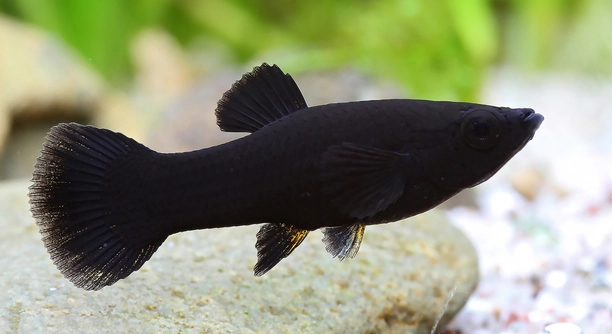
Have you ever considered keeping Black Mollies in a tall, narrow tank but worried about their comfort and health? These lively fish are popular in home aquariums, yet their tank shape may affect their behavior and well-being.
Black Mollies can survive in tall, narrow tanks, but their optimal growth and activity require more horizontal swimming space. Limited width can lead to stress and reduced exercise, impacting overall health and coloration. Adequate swimming room is essential for thriving populations.
Learning the right setup can make a noticeable difference in your Mollies’ vitality and happiness. Understanding space needs will guide better tank choices and maintenance practices for healthy fish.
Understanding Black Molly Behavior
Black Mollies are active swimmers who naturally explore all levels of their environment. In a tall, narrow tank, their movement can be restricted, which may affect their social interactions and feeding patterns. They rely on horizontal space to establish territories, interact with other fish, and display natural behaviors. Without enough room, Mollies may become stressed or exhibit aggressive tendencies, even if the tank is clean and properly maintained. Observing your fish regularly helps identify stress signs such as clamped fins, lethargy, or reduced appetite. Tank decorations, plants, and hiding spots can partially compensate for limited swimming space, but they cannot fully replace horizontal freedom. Ensuring proper water quality, consistent temperature, and adequate filtration is also vital, as stress from restricted movement can weaken immunity. Providing a balance between vertical height and horizontal length allows Black Mollies to express their natural behaviors, maintain vibrant colors, and enjoy a longer lifespan.
Even small adjustments in tank layout can significantly improve fish comfort and reduce stress.
Monitoring your Mollies over time gives insight into their adaptation. Observing swimming patterns and interactions will show if the tank space is sufficient. Adding floating plants or rearranging decorations can encourage exploration. A well-structured environment enhances activity, promotes social behavior, and helps maintain their health, leading to happier, more vibrant fish.
Tank Dimensions and Space Requirements
For Black Mollies, width and length are more critical than height. A tank that is too narrow may prevent them from swimming comfortably.
A tank should ideally be at least 20 inches long for a small group, providing enough horizontal space. Width should be at least 12 inches to allow free movement and proper interaction among fish. Height can exceed this, but excessive vertical space without horizontal room offers little benefit. Taller tanks require careful planning of plants and decorations to create usable swimming areas. Regular water changes and stable temperature are easier to maintain in appropriately sized tanks. Grouping Mollies in compatible numbers prevents overcrowding stress, as too many fish in a narrow tank increases aggression and reduces swimming efficiency. Observing behavior, feeding, and social interactions will indicate if the tank dimensions support a healthy environment. Adjustments in layout, hiding spots, and water quality maintain overall well-being, ensuring that Mollies thrive despite tank shape limitations.
Water Flow and Filtration
Proper water circulation is essential for Black Mollies. A narrow tank may create uneven currents, leaving some areas stagnant.
Strong filtration helps maintain clean water, but too much flow in a narrow tank can exhaust the fish. Position filters to create gentle circulation and avoid strong currents directly against the fish. Regular water changes remain crucial, as narrow tanks can accumulate waste quickly. Aeration should be balanced, ensuring oxygen reaches all levels without stressing the fish. Monitoring water parameters like pH, hardness, and temperature ensures stability. Even minor fluctuations can affect their health. Observing Mollies’ swimming and feeding responses to water flow helps determine if adjustments are needed. Plants or decorations can break currents and offer calm areas for resting. By managing water movement thoughtfully, you can support their natural behaviors and reduce stress, even in a tall, narrow tank.
Keeping water conditions stable ensures Mollies stay healthy and active.
Observing your fish regularly allows early detection of stress or illness caused by uneven flow or poor filtration. Adjusting filter strength and tank layout helps maintain comfort, while adding gentle aeration ensures oxygen reaches all areas. Clean water supports their immune system, keeps fins intact, and prevents sluggishness. Even small improvements in circulation can make a noticeable difference.
Lighting and Plant Placement
Lighting affects both Mollies and tank plants. In tall, narrow tanks, light distribution may be uneven, impacting plant growth and fish behavior.
Plants provide hiding spots and reduce stress, but placement must consider swimming space. Tall plants along the back or sides allow open areas in the middle, giving Mollies room to move freely. Floating plants can diffuse light and create shade, helping fish feel secure. Too many dense plants in a narrow tank may restrict horizontal movement, causing stress. Using adjustable lighting ensures all tank areas receive adequate illumination without overheating the water. Regular trimming keeps plants from overtaking swimming space. Observing how Mollies interact with plants helps optimize placement for both fish and vegetation. Proper lighting and thoughtful plant arrangement improve activity levels, support natural behaviors, and maintain overall health in a compact tank.
Feeding and Nutrition
Black Mollies need a balanced diet for energy and growth. In narrow tanks, careful feeding prevents uneaten food from polluting water.
Feed small portions multiple times a day. Overfeeding in a limited space can quickly degrade water quality, stressing the fish and encouraging algae growth.
Social Behavior and Tankmates
Mollies are social fish that thrive in small groups. In tall, narrow tanks, overcrowding can heighten aggression and competition for space.
Choosing compatible tankmates is essential. Avoid aggressive species, and maintain a proper ratio of Mollies to other fish. Observing interactions ensures peaceful coexistence and reduces stress.
Temperature and Water Quality
Stable temperature between 75–82°F supports Mollies’ metabolism and immune system. Narrow tanks can experience faster temperature swings, so monitoring is important.
Using a reliable heater, thermometer, and regular water testing helps maintain ideal conditions. Even slight fluctuations may lead to stress, illness, or reduced activity.
FAQ
Can Black Mollies live long-term in tall, narrow tanks?
Yes, they can survive, but long-term health and activity are better supported in wider tanks. Tall, narrow tanks restrict horizontal swimming, which may cause stress and reduce natural behaviors. Proper care, careful monitoring, and adequate enrichment can help Mollies adapt, but a wider tank is always preferable.
How many Black Mollies can I keep in a narrow tank?
Overcrowding is a major concern in tall, narrow tanks. A small group of 3–5 Mollies is suitable for a tank around 20 gallons. Ensure enough horizontal space for swimming, hiding, and social interaction. Fewer fish reduces stress, prevents aggression, and maintains water quality more easily.
What is the best way to arrange plants in a tall, narrow tank?
Place tall plants along the back and sides, leaving the center open for swimming. Floating plants provide shade and reduce light intensity. Avoid dense clusters that block horizontal movement. Trim plants regularly to prevent overgrowth and ensure adequate space for natural behaviors.
How do I prevent water quality issues in a narrow tank?
Regular water changes and efficient filtration are essential. Feed small amounts to prevent excess waste. Check pH, hardness, and temperature frequently. Monitor ammonia, nitrite, and nitrate levels to avoid spikes that can harm Mollies. Even minor lapses in water care can lead to stress or illness.
Do Black Mollies need strong currents in narrow tanks?
No, strong currents can exhaust them. Gentle water flow is sufficient to provide oxygenation and circulation. Adjust filter output to avoid forcing fish into constant swimming. Plants or decorations can help diffuse flow, creating calmer areas for resting. Proper balance reduces stress and promotes health.
What should I feed Black Mollies in a narrow tank?
Feed high-quality flake, pellet, and occasional live or frozen foods like brine shrimp or daphnia. Provide small portions multiple times a day to avoid overfeeding. Uneaten food can accumulate quickly in a narrow tank, affecting water quality. Watch feeding behavior to ensure all fish get enough nutrition.
How can I tell if my Mollies are stressed in a narrow tank?
Signs include clamped fins, hiding excessively, reduced activity, or irregular swimming. Color fading and loss of appetite may also occur. Monitoring their behavior daily helps catch early signs of stress. Adjust tank setup, water conditions, or stocking density as needed to improve well-being.
Can I keep other fish with Black Mollies in a narrow tank?
Yes, but choose peaceful, compatible species. Avoid aggressive or overly active fish that compete for space. Ideal companions include small tetras, guppies, or peaceful bottom dwellers. Maintain proper ratios and observe interactions to prevent bullying or stress among tank inhabitants.
How do I manage temperature in a tall, narrow tank?
Use a reliable heater and thermometer, and monitor fluctuations closely. Narrow tanks can heat or cool quickly, which may stress fish. Aim for 75–82°F. Sudden changes in temperature can weaken immunity, so gradual adjustments are key for maintaining a stable, healthy environment.
Are tall, narrow tanks suitable for breeding Black Mollies?
Breeding is possible but not ideal. Limited horizontal space may reduce spawning activity and increase stress. Use separate breeding tanks with open swimming areas if you want to raise fry successfully. Providing plants and hiding spots helps protect young fish, but space remains a limiting factor in tall, narrow tanks.
Do tall, narrow tanks affect coloration in Black Mollies?
Yes, restricted swimming and stress can dull colors. Active, unstressed Mollies in properly sized tanks display richer coloration. Ensuring adequate swimming space, clean water, proper diet, and stable conditions supports vibrant appearance and overall health.
Can I make a narrow tank more comfortable for Mollies?
Yes, thoughtful layout, plants, decorations, and proper water flow can help. Leave open horizontal space, provide hiding spots, and monitor water quality consistently. Even small improvements in space management can reduce stress and encourage natural behavior in limited tank dimensions.
What is the minimum size for a tall, narrow tank with Black Mollies?
A 20-gallon tank with at least 12 inches width is a reasonable minimum for a small group. Longer and wider tanks are better for activity and social behavior. Adequate horizontal space outweighs vertical height for overall health and comfort.
How often should I monitor water in a narrow tank?
Frequent checks are necessary due to rapid changes in smaller, narrower spaces. Test ammonia, nitrite, nitrate, pH, and temperature weekly. Adjust as needed to maintain stability, as even slight fluctuations can stress Mollies and reduce vitality.
Do Black Mollies need hiding spots in narrow tanks?
Yes, hiding spots reduce stress and offer rest areas. Use plants, decorations, or rocks along the sides and back, keeping open swimming areas in the center. Proper placement balances security with freedom to move, supporting natural behavior and social interactions.
Can I add tall decorations to a narrow tank?
Tall decorations are fine if they don’t block horizontal movement. Position them along the back or corners to create visual interest without restricting swimming. Combining vertical and horizontal space thoughtfully allows Mollies to explore while maintaining freedom of movement.
Is water temperature more critical in tall tanks?
Yes, tall, narrow tanks can develop uneven heating. Monitor temperature at different levels to ensure consistency. Uneven temperatures can create stress zones, affecting feeding, swimming, and immune function. Proper heater placement and careful observation prevent problems.
How often should I trim plants in a narrow tank?
Trim plants as needed to prevent overgrowth that restricts swimming. Tall or fast-growing plants may need weekly attention. Proper trimming maintains open areas, ensures light reaches all plants, and keeps water circulation smooth for healthy fish behavior.
Can a narrow tank support a large group of Black Mollies?
Not ideally. Overcrowding increases stress, aggression, and water quality issues. Keep small groups, and prioritize horizontal swimming space. Observing social interactions and adjusting numbers helps maintain a healthy, peaceful environment.
How do I reduce stress from limited space?
Provide open swimming areas, gentle water flow, plants for cover, and consistent water quality. Monitor behavior and adjust tank setup as needed. Small changes in layout and environment can significantly improve comfort and activity for Mollies in narrow tanks.
Is filtration more important in narrow tanks?
Yes, limited space leads to quicker waste accumulation. Efficient filtration helps maintain clean water and oxygenation. Combine with regular water changes and careful feeding to ensure stable conditions and healthy fish. Proper filtration is essential for stress-free Mollies.
Can I use a heater in a tall, narrow tank without harming fish?
Yes, if temperature is monitored and changes are gradual. Place heater where flow distributes warmth evenly. Avoid sudden spikes, which can stress Mollies. Consistent heating supports metabolism, immune function, and overall activity levels.
Do Black Mollies need supplemental food in narrow tanks?
Yes, a balanced diet with flake, pellet, and occasional live or frozen food supports health. Feeding small portions multiple times daily prevents water pollution and ensures all fish get adequate nutrition. Observing consumption helps avoid overfeeding and waste buildup.
How do I know if tankmates are causing stress?
Look for hiding, fin clamping, reduced swimming, or color fading. Aggressive interactions may increase in narrow tanks due to limited space. Adjust tankmates or reduce stocking density to maintain peace. Proper observation ensures a harmonious environment.
Can narrow tanks affect breeding success?
Yes, limited horizontal space may reduce spawning activity. Providing plants and hiding spots can help, but larger tanks are better for fry survival and adult comfort. Observing behavior indicates if the tank supports breeding or if separate setups are needed.
Are water changes different for narrow tanks?
Yes, narrower tanks may require smaller but more frequent changes. This prevents rapid water quality deterioration. Monitoring parameters ensures stability. Consistent maintenance reduces stress, supports health, and prevents ammonia or nitrate buildup.
How do I encourage natural behavior in a narrow tank?
Use open swimming areas, plants along sides, gentle flow, and proper diet. Observe interactions and adjust layout to promote movement, social activity, and exploration. Even limited space can support natural behaviors with careful planning.
Do Black Mollies adapt well to narrow tanks?
They can adapt with proper care, but long-term health and coloration are better in wider tanks. Adjustments in layout, water quality, and stocking density improve adaptation, but horizontal space remains critical for thriving populations.
Can lighting affect Mollies in narrow tanks?
Yes, uneven lighting can stress fish and affect plants. Use adjustable lighting and floating plants to create balanced illumination. Proper light supports activity, coloration, and plant growth without restricting swimming or comfort.
Are narrow tanks more challenging for new Mollies owners?
Yes, maintaining stable water conditions, proper flow, and adequate space requires careful attention. Observing fish behavior, feeding habits, and water quality is crucial to prevent stress and health issues. Consistent monitoring is key to success.
How do I improve oxygen levels in a narrow tank?
Use gentle aeration and ensure good circulation. Avoid strong currents that tire fish. Plants can also contribute oxygen. Maintaining clean water with efficient filtration supports adequate oxygen levels for healthy, active Mollies.
Is it necessary to rearrange decorations in a narrow tank?
Yes, occasionally changing layout prevents boredom and encourages exploration. Keep open swimming areas while providing hiding spots. Adjusting decor can also improve flow and light distribution, supporting healthier behavior and comfort.
Can Mollies survive without plants in narrow tanks?
They can survive, but plants reduce stress, provide shelter, and improve water quality. Even minimal plant coverage along the sides or corners enhances comfort, allowing fish to feel secure while still having room to swim.
Do narrow tanks require more frequent monitoring?
Yes, limited space can lead to rapid water quality changes. Frequent checks of ammonia, nitrite, nitrate, and temperature are necessary. Observing behavior daily helps detect early signs of stress or illness before problems escalate.
Can I mix different Molly types in a narrow tank?
Yes, but ensure compatible sizes and temperaments. Avoid overcrowding, and maintain proper horizontal swimming space. Mixing types can be done successfully if social balance is monitored and water quality remains stable.
How does tank height affect feeding?
Height alone does not impact feeding, but narrow width can cause competition. Feed small portions and watch that all fish eat. Overfeeding leads to waste buildup, while underfeeding may cause stress or malnutrition.
Do Black Mollies require frequent water testing in tall, narrow tanks?
Yes, due to faster water parameter changes. Weekly testing of pH, ammonia, nitrites, and nitrates ensures stability. Early detection of issues prevents stress and promotes long-term health in confined spaces.
Can narrow tanks limit swimming patterns?
Yes, limited horizontal space restricts natural movement, possibly leading to lethargy or aggression. Providing open areas, gentle currents, and structured layout encourages healthy swimming behavior even in compact tanks.
What is the best way to introduce new Mollies to a narrow tank?
Quarantine new fish first to prevent disease. Introduce them gradually and monitor interactions closely. Provide hiding spots to reduce stress and prevent bullying. Gradual acclimation helps maintain harmony and health in the confined space.
Do narrow tanks need special filtration for Mollies?
Not special, but efficient filtration is critical. Limited space causes faster waste buildup, so using a quality filter with gentle flow ensures water quality, reduces stress, and maintains overall health for active Mollies.
How do I handle aggressive behavior in narrow tanks?
Observe fish closely. Rearrange decorations to create visual barriers and increase hiding spots. Reduce stocking density if needed. Selecting compatible tankmates and maintaining open swimming areas minimizes conflict and stress.
Can narrow tanks support plant growth for Mollies?
Yes, with proper light, space, and trimming. Tall or floating plants should be placed along sides or back to leave swimming areas open. Healthy plants enhance comfort, reduce stress, and contribute to water quality.
Is water temperature uniform in tall, narrow tanks?
Not always; temperature can vary top to bottom. Using a reliable heater, thermometer, and careful placement ensures consistent warmth throughout the tank. Uniform temperature supports metabolism, immunity, and natural activity patterns.
Do narrow tanks require smaller or larger fish groups?
Smaller groups are better. Overcrowding in narrow tanks causes stress, aggression, and water quality issues. Maintaining proper numbers allows space for swimming, social interaction, and reduces health problems.
How do I maintain clean water in a narrow tank?
Feed carefully, perform regular water changes, and use efficient filtration. Monitor parameters frequently to prevent spikes in ammonia or nitrates. Even minor adjustments maintain stability, reducing stress and supporting long-term health for Mollies.
Can Mollies display natural behaviors in narrow tanks?
Yes, if horizontal swimming space is preserved, decorations are placed thoughtfully, and water quality is stable. While limited width restricts some activity, proper care encourages social interactions, exploration, and overall vitality.
Are narrow tanks suitable for community setups with Mollies?
Yes, with careful species selection and monitoring. Peaceful fish with similar activity levels work best. Avoid overcrowding, aggressive species, or rapid swimmers that may stress Mollies. Proper planning ensures harmony in the shared environment.
Can Black Mollies live happily in tall, narrow tanks?
They can adapt, but happiness depends on careful care. Adequate swimming space, stable water conditions, balanced diet, and thoughtful layout improve comfort. Long-term well-being is more achievable in tanks with wider horizontal space.
How often should I check Mollies’ behavior in narrow tanks?
Daily observation is ideal. Watch for signs of stress, aggression, or lethargy. Quick action to adjust conditions or layout helps maintain health, social balance, and natural behaviors.
Do narrow tanks require different lighting schedules?
Not necessarily, but consider plant needs and shaded areas for comfort. Even light distribution prevents stress, supports healthy behavior, and ensures proper plant growth.
Is tank width more important than height for Mollies?
Yes, horizontal swimming space is crucial. Height is less critical unless paired with sufficient length and width. Proper horizontal space reduces stress, promotes activity, and supports natural behaviors.
Can narrow tanks support juvenile Mollies?
Yes, but ensure sufficient swimming space and stable water conditions. Juveniles need room to grow and develop strong swimming patterns. Overcrowding slows growth and increases stress.
How do I prevent boredom in narrow tanks?
Rearrange decorations occasionally, provide plants for exploration, and maintain open swimming areas. Observing behavior ensures engagement and promotes active, healthy Mollies even in limited space.
Do narrow tanks require smaller food portions?
Yes, smaller, frequent feedings prevent water pollution and ensure all fish get adequate nutrition. Overfeeding in limited space quickly degrades water quality and stresses the fish.
Can narrow tanks limit social interaction in Mollies?
Yes, restricted space can hinder natural group behaviors. Providing open areas and observing interactions helps maintain social balance, reducing stress and aggression. Proper layout supports normal behavior despite tank limitations.
Is it harder to breed Mollies in narrow tanks?
Yes, limited horizontal space may reduce spawning activity. Providing plants and open swimming areas helps, but larger tanks improve success rates and fry survival.
How do I optimize swimming space in a narrow tank?
Place plants and decorations along edges, leaving the center open. Use gentle water flow and regular maintenance to keep space clear. This supports natural behaviors, activity, and overall health.
Do narrow tanks require more frequent water changes than wider tanks?
Yes, limited volume can lead to faster accumulation of waste and toxins. Frequent small changes maintain stability, prevent stress, and support healthy fish.
Can Mollies adapt to narrow tanks over time?
Yes, with proper care, layout adjustments, and monitoring. They may tolerate limited space, but horizontal room is key for thriving behavior and long-term health.
Are decorations important in narrow tanks?
Yes, they provide hiding spots and break currents. Proper placement preserves open swimming areas while creating a comfortable environment. Thoughtful arrangement reduces stress and encourages natural behavior.
Do narrow tanks affect feeding behavior?
Yes, fish may compete more in limited space. Small, frequent meals ensure all fish receive nutrition without overpolluting water. Monitoring feeding helps maintain health and reduces aggression.
How do I manage algae in narrow tanks?
Regular cleaning, controlled lighting, proper feeding, and water changes prevent excessive algae growth. Maintaining balance supports Mollies’ health and keeps swimming areas open.
Can narrow tanks support multiple fish species?
Yes, with careful selection of peaceful, compatible species and proper space management. Avoid overcrowding and aggressive species to maintain a harmonious environment.
Is tank width more critical than height for stress reduction?
Yes, horizontal space allows swimming, reduces aggression, and supports natural behavior. Height alone does not compensate for narrow width. Proper layout and enrichment are necessary to minimize stress.
Do Black Mollies need special care in narrow tanks?
Yes, monitoring water quality, feeding carefully, providing open swimming areas, and observing behavior are all crucial. Thoughtful adjustments help them thrive despite spatial limitations.
Can I keep tall plants in a narrow tank?
Yes, as long as they do not block horizontal movement. Place along edges or back to maintain open swimming space. Regular trimming ensures balance.
How often should I check water parameters in narrow tanks?
Weekly checks of ammonia, nitrites, nitrates, pH, and temperature are recommended. Narrow tanks can experience rapid changes, making monitoring essential for healthy Mollies.
Can Black Mollies live with bottom dwellers in narrow tanks?
Yes, compatible, peaceful bottom dwellers work well. Avoid aggressive or large species that compete for space. Proper arrangement and hiding spots ensure peaceful coexistence.
Do narrow tanks affect coloration or health?
Yes, stress from limited horizontal space can dull colors and reduce vitality. Adequate room, clean water, proper diet, and stable conditions support vibrant appearance and overall health.
Is monitoring behavior more important in narrow tanks?
Yes, daily observation helps detect stress, aggression, or illness early. Prompt adjustments prevent long-term issues and support a healthy, active fish environment.
How can I maximize comfort for Mollies in narrow tanks?
Use open swimming areas, carefully placed plants, gentle flow, stable water, and regular maintenance. Even small improvements in space and environment enhance well-being and natural behaviors.
Are narrow tanks suitable for beginner Molly owners?
They can be, but careful attention to water quality, flow, stocking, and behavior is required. Beginners must monitor closely to prevent stress and maintain healthy conditions.
Do Mollies need hiding spaces even in narrow tanks?
Yes, hiding spots reduce stress, provide rest, and support social behavior. Placement along edges or corners ensures open swimming areas while keeping fish comfortable.
Can narrow tanks support a healthy Molly population?
Yes, with proper care, layout, and monitoring. Limiting group size, maintaining water quality, and providing swimming space helps Mollies thrive despite
Black Mollies are lively and social fish that can bring energy and color to any aquarium. While they are hardy and adaptable, their natural behavior requires enough swimming space and stable water conditions to stay healthy. In tall, narrow tanks, they can survive, but limitations in horizontal movement can lead to stress and less active behavior. Observing your fish closely is essential, as even small signs like clamped fins, fading colors, or reduced appetite indicate that adjustments are needed. Tank shape, water quality, and diet all influence how well Mollies adapt, so paying attention to these factors is critical for long-term well-being.
A properly arranged tank can make a tall, narrow setup more comfortable. Placing tall plants along the back and sides, leaving open swimming areas in the center, and using gentle water flow can encourage natural activity. Floating plants and decorations can provide hiding spots while maintaining horizontal space, which is vital for social behavior. Filtration and regular water changes are especially important in narrow tanks because waste and uneaten food can accumulate quickly. Monitoring water parameters like temperature, pH, and hardness ensures a stable environment. Even minor improvements in layout or flow can reduce stress and improve health, allowing Mollies to display natural behaviors, interact with tankmates, and maintain vibrant coloration.
Feeding and social considerations also play an important role in keeping Black Mollies healthy. Small, frequent meals prevent overfeeding and water quality issues, while choosing compatible tankmates and keeping group sizes moderate helps reduce aggression and stress. Regular observation allows you to notice behavior changes and address any problems early. Although wide, horizontally spacious tanks are ideal, careful planning and attentive care can make tall, narrow tanks a manageable environment for Black Mollies. By balancing space, water quality, diet, and social structure, these fish can adapt and thrive, providing a lively and visually appealing addition to your aquarium.

Hello,
If you enjoy the content that we create, please consider saying a "Thank You!" by leaving a tip.
Every little bit helps us continue crafting quality advice that supports the health, happiness, and well-being of pets around the world, for pets of all shapes, sizes, and species.
We really appreciate the kindness and support that you show us!