
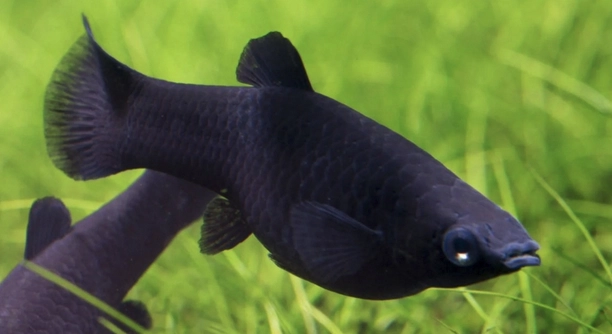
Do you ever bring new fish into your aquarium and wonder how they will adjust to their new home? Introducing Black Mollies requires attention, as subtle behaviors can reveal their comfort and health in the tank environment.
After introducing Black Mollies, it is important to observe their feeding habits, social interactions, swimming patterns, and overall activity levels. Monitoring these factors can help detect stress, aggression, or illness early, ensuring the fish adapt safely to their new environment.
Watching these behaviors closely can prevent problems and promote a harmonious tank. Small signs often indicate how well your Mollies are settling in.
Changes in Swimming Patterns
When Black Mollies are first introduced, their swimming behavior can shift noticeably. Some may dart nervously, hug the tank walls, or hide behind decorations. This is often a response to the new environment, unfamiliar lighting, and presence of other fish. Observing these patterns closely can help identify which fish are struggling to adjust. A consistent swimming pattern, even if slow at first, usually indicates comfort and health. Conversely, erratic movements or frequent hiding may signal stress, water quality issues, or illness. Adjusting tank conditions, adding plants, or creating secluded areas can support Mollies as they acclimate. Noting which fish recover quickly and which remain stressed helps maintain a balanced tank. Early observation can prevent aggressive behavior from stressed fish and ensure that the community remains peaceful. Paying attention to subtle swimming changes is a reliable indicator of overall adaptation and health in new Black Mollies.
Maintaining a calm environment supports smoother adjustment. Observing swimming patterns can prevent long-term stress and aggression in the tank.
Watching how each Molly navigates the tank over the first few days provides insight into their comfort level. Some may start exploring open areas, while others linger near hiding spots. Tracking these movements helps identify potential water or social stressors early. Adjusting tank layout and monitoring interactions can encourage more balanced swimming habits. Over time, Mollies that initially hid may gradually join the group, indicating successful acclimation. Recognizing early signs of stress reduces the risk of injury or illness. Tankmates reacting to new additions may also influence swimming behavior, so monitoring the group as a whole is important. Providing hiding spaces and gentle lighting can make a significant difference in easing nervous fish.
Feeding and Appetite Changes
A change in appetite is common when Black Mollies are newly introduced. Fish may eat less or show hesitation with unfamiliar foods.
Tracking feeding patterns helps identify stress or health issues. Offering varied and familiar foods encourages normal eating and energy levels.
Feeding behavior provides key insight into how well Mollies adjust to their tank. Reduced appetite can indicate stress, illness, or incompatibility with other fish. Introducing foods gradually and observing which items are accepted helps guide dietary adjustments. Maintaining consistent feeding times and small portions prevents overfeeding and reduces water quality issues. If some Mollies refuse to eat, isolating them briefly or using a feeding ring can encourage intake. Appetite recovery usually signals that fish are becoming comfortable. Monitoring feeding alongside behavior, such as swimming and social interactions, gives a full picture of adaptation. Being attentive during mealtimes ensures Mollies remain healthy and active, and allows intervention before small issues become serious. Healthy appetite patterns often coincide with stable water conditions and peaceful tank interactions.
Social Interactions
Black Mollies may show signs of establishing hierarchy when first introduced. Some fish become dominant, chasing others, while others hide or retreat.
Observing these interactions is crucial to prevent stress and injury. Dominant Mollies may nip fins or corner submissive fish. Keeping an eye on these behaviors allows timely adjustments, such as adding decorations or rearranging the tank to break lines of sight. A balanced ratio of males and females can also reduce aggression. In some cases, temporarily separating overly aggressive fish ensures safety for all tank inhabitants. Watching daily interactions helps maintain a peaceful environment.
Paying attention to who initiates and who avoids confrontation helps gauge the community dynamic. Gentle intervention can prevent long-term tension. Monitoring social behavior ensures Mollies coexist without injury, stress, or unhealthy dominance. Providing hiding spots and visual barriers encourages timid fish to engage gradually, reducing the likelihood of persistent bullying. Social balance contributes to overall tank health, ensuring all fish eat properly and display natural behaviors. Daily observation allows adjustments to tank structure, population, or feeding strategies, creating a calmer, more harmonious aquarium.
Color and Appearance Changes
Color fading or unusual spots may appear after introducing Black Mollies. These changes often reflect stress, illness, or water quality issues.
Monitoring physical appearance daily helps identify problems early. Fading color can indicate poor water conditions, low nutrition, or stress from aggressive tankmates. Addressing water parameters, ensuring proper diet, and reducing stressors can restore natural coloration. Some fish may take longer to regain color depending on temperament and adaptation speed. Regular observation is key to maintaining healthy, vibrant Mollies.
Black Mollies display subtle color changes when adjusting to a new environment. Stress, fluctuating temperatures, or poor water quality can all contribute to temporary fading. Certain illnesses, such as fungal or bacterial infections, may also affect coloration, making early detection essential. Observing gills, fins, and body condition in conjunction with color changes provides a full health picture. Improving water quality through frequent testing, partial water changes, and proper filtration supports recovery. High-quality nutrition with varied food options enhances color restoration. Individual temperament also plays a role, as shy fish may retain paler colors longer. Keeping detailed notes on appearance trends helps identify patterns and prevents long-term health issues.
Hiding and Shelter Use
Black Mollies often use hiding spots when they feel stressed or insecure. Frequent hiding may indicate adjustment difficulties or tankmates’ aggression.
Providing plants, caves, and decorations encourages comfort. Observing which fish hide and for how long helps gauge stress levels and social dynamics in the tank.
Breathing and Activity Levels
Rapid gill movement or unusual surface gasping can signal stress or poor water quality. Monitoring breathing patterns is essential for early intervention. Consistent activity levels usually indicate health, while lethargy or constant hiding requires attention. Regular water testing and proper oxygenation support overall well-being.
Interaction with Tankmates
Aggressive chasing, fin nipping, or avoidance are common during early introductions. Watching how Mollies respond to others prevents injuries and ensures balanced community dynamics.
Signs of Illness
White spots, frayed fins, or bloating can appear after introducing new fish. Early detection allows treatment before issues worsen. Regular observation and maintaining clean, stable conditions reduce illness risks and promote long-term health.
FAQ
How long does it take for Black Mollies to adjust to a new tank?
Adjustment time varies depending on water conditions, tankmates, and individual temperament. Generally, Black Mollies start showing normal behavior within one to two weeks. Some fish may take longer, especially if the environment is heavily populated or if they are naturally shy. Observing swimming, feeding, and social behavior helps determine how well they are settling in. Providing hiding spots, maintaining stable water parameters, and minimizing disturbances can accelerate comfort. Patience is key, as rushing introductions or changing the tank frequently can prolong stress. Tracking daily behaviors gives insight into their adaptation progress.
Why is my Black Molly hiding constantly?
Hiding is a natural response to stress, fear, or dominance from other fish. Newly introduced Mollies may seek shelter until they feel safe. If hiding persists, check water parameters, temperature, and tankmate behavior. Adding plants, caves, or decorations gives them secure spaces to explore gradually. Avoid sudden changes in lighting, noise, or feeding locations, as these can increase stress. Observing whether the fish comes out for food or interacts occasionally helps distinguish normal caution from persistent fear or illness.
What should I feed my Black Mollies after introduction?
Offer a variety of foods to encourage eating and maintain health. High-quality flake or pellet food is a staple, supplemented with live or frozen options like brine shrimp or daphnia. Introducing new foods slowly helps prevent refusal and reduces stress. Monitor each fish’s appetite closely, and avoid overfeeding, as excess food can compromise water quality. Feeding smaller portions multiple times a day ensures energy without overwhelming the tank. Consistent feeding routines support adaptation and help observe which fish are adjusting well.
How do I know if my Black Molly is stressed?
Signs of stress include rapid gill movement, hiding, erratic swimming, faded coloration, or loss of appetite. Observing social interactions is also key, as stress can manifest as aggression or avoidance. Stress often occurs from poor water quality, incompatible tankmates, or sudden environmental changes. Correcting these issues promptly and offering hiding spaces helps reduce stress. Recording behavior patterns over time allows early detection and intervention. Stress management ensures healthier fish and prevents secondary health problems, such as disease or fin damage.
Can Black Mollies get along with other fish immediately?
Interactions depend on temperament and tank conditions. Some Mollies adjust quickly, while others need time to establish social hierarchies. Monitoring behavior during the first days is crucial. Adding plenty of hiding spots and visual barriers reduces conflicts. Ensure a balanced male-to-female ratio to minimize aggression. Gradual introduction or temporary separation may be necessary for overly dominant or aggressive fish. Patience and observation help achieve a peaceful community tank.
What water conditions are ideal after introducing new Black Mollies?
Stable temperature, pH, and cleanliness are essential. Mollies prefer slightly alkaline water with consistent temperature around 24–28°C (75–82°F). Regular testing for ammonia, nitrites, and nitrates prevents stress-related illness. Partial water changes maintain stability and remove toxins. Avoid sudden fluctuations in temperature or chemistry, as these can lead to hiding, loss of appetite, or disease. Proper filtration, aeration, and routine monitoring support successful acclimation.
How can I prevent aggression between Black Mollies?
Provide enough space, plants, and decorations to break lines of sight. Observe daily interactions and separate overly aggressive fish if needed. Balanced male-to-female ratios reduce competition. Avoid sudden changes in the tank, and maintain consistent feeding schedules to minimize territorial disputes. Early intervention ensures a harmonious environment.
What are early signs of illness in new Black Mollies?
Look for faded color, white spots, frayed fins, bloating, or unusual swimming patterns. Early detection allows prompt treatment and prevents spread of disease. Monitor appetite and breathing closely. Maintaining clean water and stable conditions supports immune health and reduces the likelihood of illness.
How often should I observe new Black Mollies?
Daily observation during the first two weeks is ideal. Watch swimming, feeding, social interactions, and physical appearance. Keeping a log helps track adaptation progress and identify issues early. Regular attention ensures stress, illness, or aggression is addressed before it becomes serious.
Is it normal for Black Mollies to be less active at first?
Yes, reduced activity is common during the initial adjustment period. They may hide or swim slowly while exploring the new environment. Gradually, they should become more active as they feel secure. Consistent conditions and minimal disturbance help speed up this process.
Can diet influence stress levels?
Absolutely. Providing high-quality, varied food supports energy levels and resilience against stress. Sudden changes in diet can cause refusal or digestive issues, increasing stress. Gradual introduction of new foods and supplements ensures Mollies maintain health and adapt successfully to the tank.
When should I seek help for my new Black Mollies?
If stress signs persist beyond two weeks, or if illness symptoms appear, intervention is necessary. Consulting experienced aquarists or veterinarians can provide guidance on treatment, quarantine, or adjustments to tank conditions. Early action prevents long-term health problems and ensures a thriving aquarium.
Black Mollies are fascinating fish that bring life and movement to any aquarium, but introducing them requires careful attention. Observing their behavior in the first days is essential, as subtle changes in swimming, feeding, and interactions reveal how well they are adjusting. Some Mollies may hide more than others, while a few might explore confidently. Both behaviors are normal, but monitoring patterns ensures stress or aggression is detected early. Adjustments to the tank environment, such as adding hiding spots or rearranging decorations, can make a significant difference in helping timid fish feel secure. Paying attention to these details allows all the fish to settle in safely, which supports overall tank harmony and reduces the risk of injuries or conflicts.
Feeding is another key aspect to monitor after introductions. Black Mollies may show hesitation or a temporary loss of appetite when placed in a new tank, especially if they are nervous or stressed. Offering a variety of foods, including flakes, pellets, and occasional live or frozen treats, encourages them to eat and maintain energy. Smaller, frequent feedings help prevent overfeeding and maintain water quality, which directly affects the health of the fish. Tracking which fish eat consistently and which are slower to accept food can highlight stress or potential health issues. Over time, as Mollies become more comfortable, their appetite usually returns to normal. This process requires patience and careful observation, but it is a reliable way to support both physical health and comfort in the tank.
Maintaining clean water and stable tank conditions is essential for long-term health and well-being. Temperature, pH, and chemical levels should be monitored closely, as fluctuations can increase stress and contribute to illness. Aggression between tankmates can be minimized by providing enough space, decorations, and visual barriers, as well as by observing social interactions daily. Early detection of changes in color, activity, or breathing patterns allows for timely intervention, preventing minor issues from becoming serious problems. By staying attentive to behavior, feeding, and environmental conditions, Black Mollies can adapt successfully and thrive in their new home. Careful observation, gradual adjustments, and consistent maintenance create a stable environment where all fish can live comfortably, grow, and display natural behaviors. This ensures a healthy and balanced aquarium for both the Mollies and their tankmates.

Hello,
If you enjoy the content that we create, please consider saying a "Thank You!" by leaving a tip.
Every little bit helps us continue crafting quality advice that supports the health, happiness, and well-being of pets around the world, for pets of all shapes, sizes, and species.
We really appreciate the kindness and support that you show us!