
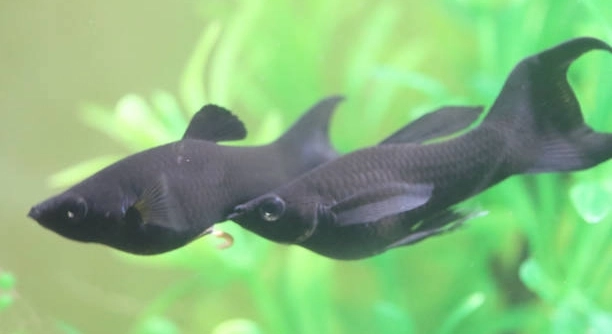
Keeping Black Mollies healthy requires more than just clean water and food. Many fish owners unintentionally make mistakes that reduce their lifespan. These errors can be small, but their impact on the fish’s well-being is significant.
The most common mistakes that shorten Black Molly life include overfeeding, poor water quality, inadequate tank size, lack of proper nutrition, incompatible tank mates, inconsistent maintenance, and ignoring signs of illness. Addressing these factors is essential for promoting longevity.
By recognizing these mistakes, you can take steps to create a healthier environment for your Black Mollies and enjoy their presence for years to come.
Overfeeding
Overfeeding Black Mollies is a common mistake that can shorten their lifespan. While it may feel like showing care, giving too much food can quickly pollute the water. Excess food decomposes, increasing ammonia and nitrite levels that stress your fish. Over time, this stress weakens their immune system, making them more prone to disease. It is important to feed only what they can consume within a few minutes. Small, frequent meals are more effective than a large daily portion. Observe how much your fish eat and adjust portions accordingly. Avoid leaving leftover food in the tank, as it can create bacterial blooms and cloud the water. By controlling feeding habits, you maintain water quality and prevent health issues. Remember, Black Mollies thrive in clean, balanced environments rather than abundant, uneaten food. Proper feeding supports their natural behavior, growth, and overall well-being, helping them live a longer, healthier life.
Feeding the right amount prevents water pollution, reduces stress, and supports stronger immunity for your Black Mollies.
Balanced feeding helps your fish stay active, healthy, and less prone to illness while keeping the tank clean and stable.
Poor Water Quality
Maintaining good water quality is crucial for Black Mollies. Dirty or unbalanced water causes stress and shortens lifespan. Regular testing for ammonia, nitrite, nitrate, and pH ensures a stable environment. Mollies are sensitive to sudden changes, so gradual adjustments are better. Cleaning the tank and performing partial water changes weekly removes waste and toxins. Filters should be checked and cleaned without disrupting beneficial bacteria. Temperature should remain consistent, as fluctuations can weaken the fish and promote disease. Avoid overcrowding, as it increases waste and decreases water quality. Using dechlorinated water prevents chemical burns or stress. Even with a healthy diet, poor water quality undermines growth and health. Observing your fish for signs of distress, such as gasping at the surface or lethargy, helps you react quickly. Keeping water clean and balanced supports natural behavior, coloration, and energy levels, giving Black Mollies the conditions they need to thrive.
Consistently clean water protects Black Mollies from stress and disease, ensuring a stable and safe tank environment.
Proper maintenance, regular testing, and careful monitoring of tank conditions foster long-term health and vitality for your fish.
Inadequate Tank Size
Black Mollies need enough space to swim freely and thrive. Crowding stresses them, reduces oxygen levels, and increases the risk of disease. Choosing an appropriately sized tank ensures healthier fish and a longer lifespan.
A small tank limits movement and leads to poor water quality. Overcrowding causes aggression, stunted growth, and weakened immunity. Mollies are active fish that need room to explore and exercise. Tanks under 20 gallons for a few Mollies are often insufficient, as they produce more waste than smaller species. Regular maintenance is harder in crowded tanks, making it difficult to keep ammonia and nitrate levels safe. Providing adequate space reduces stress, supports natural behavior, and encourages healthy growth.
A properly sized tank also allows for better temperature stability and more consistent oxygen levels. With enough room, Mollies can display natural schooling behavior, which reduces stress and strengthens social interaction. Overall, sufficient tank size is a foundational step in supporting long-term health and happiness.
Incompatible Tank Mates
Not all fish mix well with Black Mollies. Aggressive or territorial species can injure or stress them, reducing lifespan.
Choosing peaceful, compatible tank mates prevents bullying and competition for food. Mollies do best with other livebearers or calm species. Avoid fin-nipping fish, as they can cause constant stress and infections. Proper selection encourages a harmonious tank and reduces disease risk.
Introducing new fish gradually helps monitor interactions and ensures compatibility. Even with compatible species, watch for signs of stress or aggression. Adequate hiding spaces reduce tension, giving Mollies areas to retreat when needed. Mixing species with similar environmental needs ensures everyone thrives. Maintaining balanced numbers prevents dominance issues, while providing consistent feeding keeps all fish healthy. Peaceful tank mates contribute to a stable, stress-free environment that supports growth, reproduction, and longevity for your Black Mollies.
Lack of Proper Nutrition
Feeding Black Mollies an unbalanced diet can shorten their lifespan. They need a mix of plant-based and protein-rich foods to stay healthy and active.
Relying only on flakes or pellets deprives them of essential nutrients. Including vegetables and occasional live or frozen foods supports growth, coloration, and overall health.
Inconsistent Maintenance
Skipping regular tank maintenance leads to poor water quality and stress. Uneaten food, waste, and algae accumulate quickly, harming fish health.
Consistent cleaning, water changes, and filter upkeep prevent toxins from building up. Mollies thrive in a stable, clean environment, reducing disease risk and encouraging natural behavior.
Ignoring Signs of Illness
Early detection of illness is crucial for Black Mollies. Lethargy, discoloration, or abnormal swimming indicate health problems.
Observing behavior daily and reacting promptly helps prevent minor issues from becoming fatal. Timely intervention supports recovery and long-term well-being.
FAQ
How often should I feed my Black Mollies?
Black Mollies do best with small, frequent meals rather than one large feeding. Feed them twice a day, giving only what they can eat within two to three minutes. Overfeeding can quickly pollute the water and stress the fish. Include a mix of high-quality flakes, vegetables, and occasional live or frozen food to provide balanced nutrition. Observing their eating habits helps adjust portions and ensures they are healthy without leaving excess food in the tank. Proper feeding supports growth, color, and overall vitality.
What tank size is best for Black Mollies?
A minimum of 20 gallons is recommended for a small group of Black Mollies. This provides enough space for swimming, reduces stress, and maintains water stability. Overcrowding can lead to aggression, stunted growth, and higher waste levels. Larger tanks also allow for hiding spaces and decorations that encourage natural behavior. Proper tank size ensures better oxygenation, easier maintenance, and a healthier environment. Planning the number of fish relative to the tank’s volume is important for long-term health.
How do I maintain water quality?
Regular water changes, at least 25% weekly, help remove toxins and maintain balanced water parameters. Test water for ammonia, nitrite, nitrate, and pH levels consistently. Filters must be cleaned without disturbing beneficial bacteria. Avoid rapid temperature fluctuations and ensure water is dechlorinated before adding it to the tank. Observing the fish for stress signs, such as gasping or lethargy, helps detect problems early. Clean water is essential for reducing disease risk and keeping Black Mollies active and vibrant.
Which tank mates are safe for Black Mollies?
Peaceful species with similar environmental needs work best. Livebearers like Platies, Guppies, or peaceful Corydoras are compatible. Avoid aggressive or fin-nipping fish that can stress or injure Mollies. Providing hiding spots reduces tension and allows for retreats. Introducing new fish slowly helps monitor interactions. Proper selection promotes a calm environment, reduces stress, and supports growth and reproduction.
What foods are harmful to Black Mollies?
Avoid overfeeding and processed human foods. Foods high in fat or low in nutrients can weaken their immune system. Stick to high-quality flake food, vegetables like spinach or zucchini, and occasional live or frozen protein sources. Avoid feeding too many treats, as this can lead to bloating, poor digestion, and reduced lifespan. Balanced nutrition is critical for overall health, vibrant coloration, and active behavior.
How can I tell if my Black Molly is sick?
Signs include lethargy, loss of appetite, abnormal swimming, faded color, clamped fins, or visible spots. Early detection improves recovery chances. Quarantining sick fish, adjusting water parameters, and providing appropriate medication when necessary helps manage illness. Observing behavior and maintaining proper tank conditions reduces the likelihood of disease and ensures long-term health.
How often should I clean the tank?
Partial water changes weekly and filter checks every few weeks are recommended. Remove uneaten food, algae, and debris during cleaning. Avoid completely stripping beneficial bacteria, as this can destabilize the tank. A consistent maintenance schedule ensures stable water quality, reduces stress, and supports the overall longevity of your Black Mollies.
Can temperature affect my Black Mollies’ lifespan?
Yes. Black Mollies prefer stable temperatures around 75–80°F. Rapid fluctuations can stress them and weaken immunity. Using a heater and monitoring daily ensures stability. Consistent temperature supports metabolism, feeding habits, and overall health, helping them live longer and thrive in the tank.
How do I prevent overpopulation in my tank?
Black Mollies breed quickly. To control numbers, consider separating males and females or removing fry. Overcrowding can lead to poor water quality, stress, and disease. Planning for population control ensures a healthy, balanced tank environment and reduces maintenance challenges.
Is it necessary to provide plants in the tank?
Live or artificial plants offer hiding spaces, reduce stress, and promote natural behavior. They also improve water quality and aesthetics. Providing decorations like plants helps create a more comfortable and stimulating environment, which contributes to the overall well-being of your Black Mollies.
What should I do if a fish dies?
Remove the fish immediately and test water parameters to identify possible causes. Clean the tank if necessary and observe remaining fish closely. Prompt action prevents disease spread and protects the health of other Black Mollies.
How can I encourage healthy growth?
Balanced nutrition, adequate tank size, clean water, and compatible tank mates all contribute to growth. Avoid stressors like overfeeding, poor water quality, or aggressive tank mates. Providing stable conditions and proper care supports development, coloration, and overall vitality.
Are Black Mollies sensitive to chemicals in water?
Yes. Chlorine, heavy metals, or other chemicals can harm them. Always use dechlorinated water and test for contaminants if unsure. Maintaining chemical-free water prevents stress, illness, and premature death, ensuring a stable environment for the fish.
How long do Black Mollies usually live?
With proper care, they can live three to five years or more. Lifespan depends on water quality, nutrition, tank size, and stress management. Following best practices ensures a longer, healthier life for your Black Mollies.
Can stress shorten their lifespan?
Stress weakens the immune system and increases vulnerability to disease. Causes include overcrowding, poor water quality, incompatible tank mates, and sudden environmental changes. Minimizing stress supports health, behavior, and longevity. Stable conditions, proper feeding, and a calm environment reduce stress effectively.
How important is quarantine for new fish?
Quarantining new fish prevents disease introduction. Keep new arrivals separate for two to four weeks and monitor for signs of illness. Quarantine protects existing Black Mollies and maintains a healthy tank environment.
What role does lighting play in their health?
Moderate, consistent lighting supports natural behavior and plant growth. Avoid bright, constant light, which can stress fish. A regular day-night cycle helps maintain activity levels and overall well-being.
Is it necessary to aerate the tank?
Yes. Proper oxygen levels are crucial. Air stones, filters, or surface agitation increase oxygenation. Well-oxygenated water reduces stress and supports respiration, metabolism, and vitality.
How do I manage algae growth without harming Black Mollies?
Control light exposure, perform regular water changes, and avoid overfeeding. Adding compatible algae-eating species helps naturally manage growth. Maintaining balance prevents excessive algae and keeps the tank environment safe.
Can Black Mollies adapt to slightly different water parameters?
They tolerate mild variations in pH and hardness but sudden changes can be harmful. Gradual adjustments are safer. Consistency is key to maintaining health, reducing stress, and promoting longevity.
How can I encourage breeding without harming their health?
Provide a spacious tank, balanced diet, and stable water conditions. Avoid overcrowding and monitor fry survival. Proper care ensures reproduction without compromising adult fish health.
What is the best way to transport Black Mollies?
Use a clean, temperature-stable container with adequate water and oxygen. Minimize handling and avoid overcrowding during transport. Proper precautions prevent stress, injury, and mortality.
Do Black Mollies need any supplements?
Occasional vitamins or mineral supplements can support color and health but are not always necessary if their diet is balanced. Avoid over-supplementing, as it can harm water quality.
How do I introduce new fish safely?
Float the new fish bag in the tank to adjust temperature. Slowly mix tank water into the bag over an hour before releasing. Monitor interactions closely for signs of aggression or stress.
Can Black Mollies live in brackish water?
They tolerate mildly brackish conditions, but gradual adaptation is essential. Sudden changes can be fatal. Ensure consistent monitoring of salinity, temperature, and water quality when adjusting conditions.
What are common signs of stress in Black Mollies?
Erratic swimming, hiding, clamped fins, loss of appetite, and faded color indicate stress. Identifying causes like poor water quality or aggressive tank mates allows corrective action, reducing health risks.
How do I manage tank pH effectively?
Test water regularly and maintain pH around 7–8. Use buffers or additives cautiously if adjustments are necessary. Stable pH supports metabolism, immune function, and overall well-being.
Can Black Mollies live with shrimp or snails?
Yes, peaceful invertebrates like snails or certain shrimp species are compatible. Avoid species that compete aggressively for food or harm the fish. Coexistence encourages natural behavior and biodiversity without stress.
How often should I trim plants or decorations?
Regular trimming prevents overgrowth, improves water flow, and reduces hiding spaces for waste buildup. Maintaining decorations supports oxygenation and creates a healthier, visually appealing environment.
Is it normal for Black Mollies to jump?
Yes, they may jump when stressed, startled, or exploring. A secure lid prevents escape and protects them from injury. Ensuring a calm environment reduces jumping incidents.
How do I prevent bacterial or fungal infections?
Maintain clean water, balanced nutrition, and low-stress conditions. Isolate sick fish and treat infections promptly. Prevention is more effective than treating advanced disease, supporting long-term health and longevity.
Can I use tap water directly for the tank?
No. Tap water must be dechlorinated and tested for harmful chemicals. Using untreated water can damage gills, weaken immunity, and shorten lifespan. Proper preparation ensures safe, stable conditions.
What is the ideal water hardness for Black Mollies?
Moderate hardness around 12–20 dGH is preferred. Too soft or too hard water can stress the fish and affect reproduction. Monitoring and maintaining appropriate hardness levels support healthy development.
How can I reduce aggression among tank mates?
Provide hiding spaces, avoid overcrowding, and select peaceful species. Observing interactions and separating aggressive individuals prevents injuries and stress, supporting a calm and healthy environment.
How do I prevent diseases from spreading?
Quarantine new fish, maintain clean water, monitor behavior, and treat illnesses promptly. Reducing stress and maintaining proper nutrition minimizes susceptibility and keeps the tank safe.
Is it necessary to have a water heater?
Yes. Stable temperatures support metabolism, immunity, and growth. Fluctuations can stress Mollies. A reliable heater maintains consistent conditions, ensuring long-term health.
What are the signs of ammonia poisoning?
Gasping at the surface, red gills, lethargy, and clamped fins indicate ammonia stress. Immediate water change and testing prevent further harm and restore a safe environment.
How do I acclimate new fish to the tank?
Gradually mix tank water into the transport bag over an hour, then release the fish. Monitor behavior closely to ensure proper adjustment and prevent shock.
Can Black Mollies live alone?
They are social and prefer groups. Isolation can cause stress and behavioral issues. Keeping at least three or more together promotes activity and reduces stress.
What type of substrate is best?
Fine gravel or sand works well. Avoid sharp or rough materials that could injure fins. The substrate supports plants, decoration placement, and natural behavior without harming the fish.
How important is a filter for the tank?
Filters maintain water quality, oxygenation, and waste removal. A proper filter reduces maintenance frequency, supports healthy bacteria, and provides a stable environment, essential for longevity.
Can Black Mollies adapt to different lighting conditions?
Moderate lighting with a day-night cycle is ideal. Too bright or constant light causes stress. Balanced lighting supports behavior, coloration, and plant growth while keeping fish comfortable.
How do I know if my fish are reproducing successfully?
Observe fry swimming independently and healthy adult behavior. Proper nutrition, water conditions, and adequate space support breeding without harming adult fish. Monitoring ensures survival and growth of new generations.
Should I use medications preventively?
No. Medications should only be used when necessary. Overuse can harm beneficial bacteria, water quality, and fish health. Prevention through proper care is safer and more effective.
Can Black Mollies live with goldfish?
No. Goldfish produce high waste, prefer cooler water, and may outcompete Mollies for food. Mixing species with different needs often causes stress and health problems.
How do I prevent fin rot?
Maintain clean water, avoid aggressive tank mates, and provide proper nutrition. Early detection and treatment prevent progression and support full recovery.
What should I do if water parameters suddenly change?
Perform partial water changes, stabilize temperature, and test for toxins. Sudden changes stress fish, so gradual corrections and careful monitoring restore a safe environment.
Are Black Mollies hardy fish?
Yes, they are relatively hardy but still sensitive to poor water quality, overcrowding, and improper diet. Consistent care ensures longevity and well-being.
How long can Black Mollies survive without food?
They can survive a few days, but prolonged fasting weakens immunity. Feeding regularly and maintaining a balanced diet is crucial for health and lifespan.
Can I use tap water conditioners?
Yes. Conditioners remove chlorine, chloramine, and heavy metals. Using them ensures water is safe for Mollies, reducing stress and supporting long-term health.
How do I manage nitrate levels?
Regular water changes, not overfeeding, and live plants help control nitrates. High levels stress fish and reduce lifespan, so consistent monitoring is important.
What is the best way to handle Black Mollies?
Minimize handling and use a soft net if necessary. Rough handling causes stress, fin damage, and potential disease. Gentle care ensures safety and comfort.
Can they live in cold water?
No. Black Mollies are tropical and require stable warm temperatures. Cold water slows metabolism, weakens immunity, and increases mortality risk. Maintaining 75–80°F is essential.
How do I encourage natural behavior?
Provide space, plants, compatible tank mates, and balanced food. Stimulating environments reduce stress and promote activity, social interaction, and overall well-being.
What common mistakes shorten their lifespan?
Overfeeding, poor water quality, small tanks, incompatible mates, improper diet, ignoring illness, and inconsistent maintenance all reduce longevity. Avoiding these mistakes improves health, behavior, and lifespan.
How can I prevent water cloudiness?
Control feeding, maintain filtration, perform regular water changes, and avoid overstocking. Clear water supports fish health, reduces stress, and makes monitoring easier.
Are artificial plants safe?
Yes, if made from smooth, non-toxic materials. They provide hiding spaces and decoration without harming fish. Regular cleaning prevents algae buildup.
Can Black Mollies coexist with bettas?
Bettas may be aggressive and stress Mollies. Careful observation and adequate space are needed, but peaceful tank mates are generally safer.
How do I reduce stress during tank cleaning?
Clean gradually, avoid sudden water changes, and maintain temperature. Minimizing disturbance keeps fish calm and reduces disease risk.
Is it normal for them to change color?
Slight color changes are natural due to age, stress, or environment. Sudden or extreme fading may indicate illness or poor water quality.
How do I prevent parasite infestations?
Quarantine new fish, maintain clean water, and avoid overfeeding. Early detection and treatment are key. Reducing stress supports immunity and prevents outbreaks.
Can I use UV sterilizers?
Yes. UV sterilizers reduce harmful bacteria and algae, improving water quality. They are effective tools for maintaining a healthier tank environment.
Do Black Mollies need strong currents?
No. Moderate water flow is sufficient. Strong currents can stress them, while gentle circulation supports oxygenation and filtration.
How often should I check water parameters?
Test weekly or more frequently after adding new fish, adjusting water, or noticing stress. Regular monitoring prevents issues and maintains a stable environment.
What is the ideal tank shape?
Longer tanks allow more swimming space. Height is less important but should provide adequate water volume. Proper shape supports activity and behavior.
Can they tolerate slightly salty water?
Yes, but only gradual changes. Sudden increases in salinity can be harmful. Controlled adaptation ensures safety and health.
How do I recognize dehydration or bloating?
Swollen belly, difficulty swimming, or clamped fins may indicate bloating or water imbalance. Proper diet and water quality prevent these issues.
Can Black Mollies live in unheated tanks?
Unheated tanks in tropical climates may work temporarily, but stable warmth is critical. Cold stress weakens immunity and reduces lifespan.
How do I improve their coloration naturally?
Provide varied diet with vegetables, high-quality flakes, and occasional live food. Healthy water and low stress enhance natural coloration and vibrancy.
Are they sensitive to noise or vibrations?
Yes. Sudden loud sounds or vibrations can stress them, causing erratic swimming or hiding. A stable, calm environment supports their well-being.
How do I prevent overcrowding during breeding?
Remove fry or separate males and females to control population. Overcrowding leads to poor water quality, stress, and stunted growth. Proper planning ensures a healthy tank.
Can they adapt to new environments quickly?
Gradual acclimation is necessary. Sudden changes in water or temperature cause stress. Observing behavior helps ensure safe adaptation.
What is the best diet ratio for Black Mollies?
A mix of 70% plant-based foods and 30% protein-rich sources works well. Balanced feeding promotes growth, health, and coloration.
How do I avoid fin damage?
Avoid rough substrates, sharp decorations, and aggressive tank mates. Proper care and gentle handling prevent injury.
Can Black Mollies live with African Cichlids?
No. Cichlids are aggressive and territorial, which stresses or injures Mollies. Peaceful species are safer for cohabitation.
How do I manage sudden algae blooms?
Reduce light, avoid overfeeding, clean substrate, and perform water changes. Introducing algae-eating species helps control growth naturally.
Are Black Mollies sensitive to light cycles?
Yes. Consistent day-night cycles reduce stress and encourage natural behavior. Excessive or inconsistent light can affect activity and coloration.
How often should I remove uneaten food?
Immediately after feeding, remove leftovers. This prevents water contamination, reduces ammonia buildup, and keeps the tank clean.
Can they tolerate low oxygen levels?
No. Insufficient oxygen causes stress, lethargy, and mortality. Proper aeration and water movement are essential.
How do I prevent sudden deaths in the tank?
Maintain clean water, proper diet, compatible tank mates, stable temperature, and regular observation. Early detection of illness reduces mortality risk.
Are certain decorations harmful?
Sharp, rough, or toxic materials can injure fish or release harmful chemicals. Smooth, non-toxic decorations are safest.
How do I identify a healthy Black Molly?
Active swimming, bright coloration, clear eyes, proper appetite, and normal fins indicate good
Black Mollies are vibrant and active fish that can bring life and energy to any home aquarium. Their care may seem simple at first glance, but even small mistakes can significantly impact their health and lifespan. Factors such as overfeeding, poor water quality, inadequate tank size, and incompatible tank mates can create stress, weaken immunity, and lead to illness. Paying attention to these common issues is crucial for keeping your Black Mollies healthy. Regular observation, consistent maintenance, and providing a stable environment can prevent many problems before they become serious. By understanding the basic needs of Black Mollies, you ensure they have the right conditions to grow, thrive, and display their natural behaviors.
Nutrition and water quality are two of the most important aspects of Black Molly care. Providing a balanced diet that includes plant-based foods, high-quality flakes, and occasional live or frozen proteins supports healthy growth, bright coloration, and overall vitality. Overfeeding can pollute the tank, while underfeeding can cause malnutrition and slow development. Similarly, clean, well-maintained water prevents stress, disease, and premature death. Regular water changes, monitoring ammonia, nitrite, and nitrate levels, and maintaining stable pH and temperature all contribute to a healthy aquatic environment. Filters, proper aeration, and careful attention to water parameters ensure the tank remains a safe and stable home for your fish. Combining proper feeding with consistent maintenance forms the foundation for long-term health and longevity.
Social and environmental factors also play a major role in the well-being of Black Mollies. These fish are social and benefit from living in groups with compatible tank mates. Avoiding aggressive or fin-nipping species prevents unnecessary stress and injuries. Providing adequate space, hiding spots, and decorations encourages natural behavior and reduces tension within the tank. Observing your fish daily allows you to detect early signs of illness, such as lethargy, faded color, or unusual swimming patterns, so you can address issues promptly. Managing stress, maintaining a balanced diet, and ensuring a clean, stable environment all contribute to a longer, healthier life for your Black Mollies. Attentive care and a thoughtful approach to their environment allow these fish to flourish, offering enjoyment and beauty in a well-kept aquarium.

Hello,
If you enjoy the content that we create, please consider saying a "Thank You!" by leaving a tip.
Every little bit helps us continue crafting quality advice that supports the health, happiness, and well-being of pets around the world, for pets of all shapes, sizes, and species.
We really appreciate the kindness and support that you show us!