
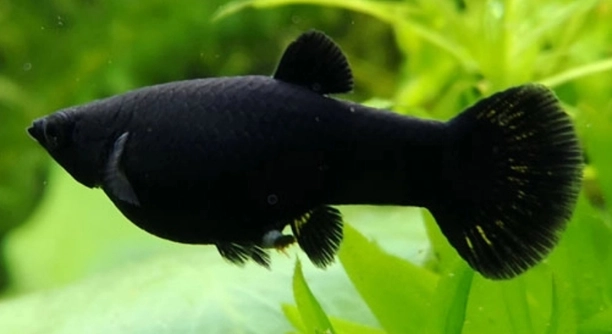
Is your black molly constantly darting into corners, leaving you unsure about its behavior? Many aquarists notice this sudden, rapid movement and worry about their fish’s well-being or the condition of their tank environment.
The primary reason black mollies dart into corners is stress, often caused by poor water quality, insufficient hiding spaces, or aggressive tank mates. Ensuring optimal tank conditions and providing enrichment can reduce anxiety and promote calmer behavior in these fish.
Observing these behaviors closely can reveal much about your molly’s health and comfort. Proper care adjustments can make a noticeable difference in its daily activity and overall happiness.
Common Causes of Corner-Darting Behavior
Black mollies often dart into corners due to stress or discomfort. Rapid movements can signal poor water quality, sudden changes in temperature, or high levels of ammonia and nitrites. Lack of hiding spaces or overcrowding may also increase anxiety, causing them to seek secluded areas. Observing their behavior during feeding and rest times can reveal patterns that point to environmental or social stressors.
Providing consistent water conditions and sufficient shelter usually helps mollies feel more secure.
When a black molly is constantly hiding in corners, it is often reacting to its surroundings. Stress can be subtle, showing as slight jittering or rapid swimming. Tank mates that are aggressive or overly active can provoke this behavior. Ensuring a calm tank environment, balanced diet, and proper maintenance supports the fish’s natural comfort and can reduce corner-darting.
Water Quality and Tank Conditions
Poor water quality is a major factor that influences darting. Mollies are sensitive to pH changes and high nitrate levels, which can lead to constant movement or hiding.
Maintaining stable water parameters is essential for their health. Regular water testing, timely changes, and cleaning the substrate reduce stress significantly. Mollies thrive in slightly alkaline water with moderate hardness. Introducing plants or decorations provides safe areas for retreat, improving comfort. Overcrowded tanks make it difficult for fish to find space, leading to repetitive corner-darting. Observing water temperature is equally important, as sudden shifts can trigger erratic swimming. Consistency in feeding routines also supports stability.
A well-maintained tank not only reduces stress but encourages natural behaviors. Balanced conditions, attention to tank mates, and regular observation help mollies feel secure. Following these practices prevents stress-induced behaviors and promotes long-term health, resulting in calmer, more active fish that explore their environment confidently.
Tank Mates and Social Stress
Aggressive or overly active tank mates can make black mollies dart into corners. Fish that chase or nip cause constant anxiety, forcing mollies to hide. Peaceful companions help reduce tension and encourage natural movement.
Observing how your molly interacts with others is crucial. Fish that are bullied may swim frantically or isolate themselves in corners. Adjusting the mix of species, reducing overcrowding, or providing partitions can prevent repeated stress. Even minor conflicts over territory or food can trigger corner-darting, so monitoring social dynamics closely ensures your molly feels secure.
Creating a harmonious tank environment includes paying attention to the number and type of fish. Introducing compatible species gradually and offering multiple hiding spots reduces stress. Fish that have space to escape and feel safe will show calmer, more confident swimming. Regularly checking interactions prevents long-term anxiety and promotes overall health.
Diet and Feeding Practices
Improper feeding habits can contribute to anxious behavior in black mollies. Uneven portions, infrequent meals, or sudden changes in diet may cause stress and erratic movements.
Maintaining a consistent feeding schedule and providing a varied diet is essential. Black mollies need both plant-based and protein-rich foods for proper nutrition. Overfeeding can pollute water, while underfeeding creates competition and stress. Distributing food evenly and observing all fish during feeding ensures everyone receives adequate portions, reducing corner-darting behavior.
Supplementing meals with high-quality flakes, frozen, or live food supports health and vitality. Gradual changes in diet help mollies adapt without stress. Feeding at predictable times creates routine, which mollies respond to positively. Balanced nutrition and careful portioning improve energy levels, reduce aggressive encounters, and promote calmer, more natural swimming patterns in the tank.
Environmental Enrichment
Lack of stimulation can make black mollies restless, causing corner-darting. Plants, decorations, and hiding spots give them a sense of security and encourage natural exploration.
Changing tank layout occasionally keeps the environment interesting. Shelters and varied terrain reduce boredom and minimize stress-related behaviors.
Signs of Illness
Illness can cause erratic swimming or corner-darting in black mollies. Common issues include parasites, fin rot, or internal infections that affect energy levels and movement. Monitoring for physical changes like spots, frayed fins, or unusual swimming patterns is important for early detection and treatment.
Lighting and Day-Night Cycle
Inconsistent lighting can confuse black mollies. Maintaining a regular day-night cycle helps regulate activity and reduces stress. Proper lighting supports natural behavior, making the fish feel secure and more confident in exploring the tank.
FAQ
Why is my black molly constantly darting into corners?
Corner-darting usually indicates stress or discomfort. Poor water quality, aggressive tank mates, lack of hiding spots, or sudden environmental changes can trigger this behavior. Observing the fish and adjusting tank conditions often helps reduce these rapid movements.
Can water temperature affect my molly’s behavior?
Yes, black mollies are sensitive to temperature fluctuations. Sudden changes can cause erratic swimming, hiding, or corner-darting. Maintaining a stable temperature between 75–82°F supports comfort and reduces stress. Using a reliable heater and thermometer ensures consistency.
Do tank mates cause stress for black mollies?
Aggressive or overly active fish can make mollies anxious. Corner-darting may be a response to chasing or nipping. Adding peaceful species and providing hiding spots helps mollies feel secure. Gradual introductions and observing interactions can prevent long-term stress.
Could poor diet contribute to corner-darting?
Yes, inconsistent feeding or inadequate nutrition can increase stress. Black mollies need a mix of plant-based and protein-rich foods. Overfeeding pollutes water, while underfeeding causes competition and anxiety. Balanced, regular meals promote calm, natural behavior.
Are there signs of illness linked to darting behavior?
Erratic swimming or frequent hiding can signal illness. Look for frayed fins, spots, bloating, or lethargy. Early detection of parasites, bacterial infections, or internal issues is crucial. Quarantining sick fish and treating the tank promptly protects overall health.
Does tank setup impact my molly’s comfort?
Absolutely. Overcrowding, lack of plants, or insufficient hiding spaces can increase stress. Proper decorations and shelters give mollies safe areas to retreat, reducing corner-darting. Rearranging the tank occasionally keeps the environment stimulating.
How does lighting influence my black molly?
Inconsistent or harsh lighting can cause anxiety. A regular day-night cycle helps mollies establish routine behavior and feel secure. Proper lighting supports natural activity patterns and encourages exploration without triggering stress-induced darting.
Is sudden water change harmful to black mollies?
Rapid or large water changes can shock mollies, causing erratic swimming or hiding. Gradual water changes with stable temperature and pH are essential to maintain comfort. Regular maintenance with measured adjustments prevents stress.
Can overcrowding make mollies dart into corners?
Yes, too many fish create competition for space and resources. Corner-darting is a common stress response. Providing ample space, compatible tank mates, and multiple hiding spots allows mollies to swim freely and reduces anxiety.
What immediate steps can I take to calm my black molly?
Check water quality, adjust temperature, and observe interactions with tank mates. Add hiding spots, maintain a consistent feeding schedule, and ensure proper lighting. Small, careful adjustments often make a significant difference in reducing corner-darting.
How long does it take for mollies to adjust to changes?
Adjustment time varies. Some mollies settle quickly within days, while others may need weeks to feel secure. Gradual environmental improvements and monitoring behavior help mollies regain confidence and reduce stress-related corner-darting.
Should I isolate a stressed molly?
Isolation can help if aggression from other fish is the main stressor. Use a quarantine tank or divider, providing food, proper lighting, and stable water. Observe for improvement before reintroducing to the main tank to prevent repeated stress.
Can enrichment reduce darting behavior?
Yes, adding plants, ornaments, and shelters encourages exploration and gives a sense of safety. Changing tank layout occasionally keeps the environment stimulating and reduces boredom-related stress, making mollies feel more secure.
Is darting normal in black mollies?
Occasional darting can be normal, especially during feeding or brief disturbances. Persistent, repeated corner-darting signals stress or discomfort and should be addressed through environmental, dietary, and social adjustments.
How do I monitor for long-term stress?
Watch for repeated hiding, reduced appetite, lethargy, or physical signs of illness. Tracking behavior over time helps identify triggers. Consistent care, proper tank setup, and compatible tank mates support long-term well-being and calmer behavior.
Black mollies darting into corners is a behavior that often signals stress, discomfort, or environmental issues. While it can be alarming at first, observing your fish closely and noting when and how often it occurs provides important insight. Many factors can contribute to this behavior, including water quality, tank mates, diet, and overall tank setup. Each factor plays a role in the comfort and security of your molly, and small adjustments can make a noticeable difference. Addressing these elements systematically helps reduce anxiety and encourages calmer, more natural movement throughout the tank.
Water quality is one of the most critical elements affecting black mollies. Sudden changes in temperature, high ammonia or nitrate levels, and inconsistent pH can all trigger corner-darting. Maintaining stable conditions through regular testing, consistent water changes, and proper filtration creates a more predictable environment. Mollies are sensitive to fluctuations, so even minor shifts can cause stress. Providing plants, decorations, and shelters gives fish places to hide and feel safe. These additions not only reduce corner-darting but also support natural behaviors like exploration and social interaction. Overcrowding or aggressive tank mates can further amplify stress, so attention to compatibility and space is essential.
Diet and routine care also play a significant role in the overall well-being of black mollies. Balanced, consistent feeding ensures mollies receive proper nutrition while reducing competition and anxiety. Observing behavior during feeding can reveal social stress or health issues, allowing for timely intervention. Lighting, enrichment, and day-night cycles support natural activity and create a stable routine that mollies respond positively to. When all these factors are managed effectively, corner-darting decreases, and fish display more confident, relaxed swimming patterns. Paying attention to these details helps maintain both short-term comfort and long-term health, ensuring that your black molly thrives in a secure and balanced environment.

Hello,
If you enjoy the content that we create, please consider saying a "Thank You!" by leaving a tip.
Every little bit helps us continue crafting quality advice that supports the health, happiness, and well-being of pets around the world, for pets of all shapes, sizes, and species.
We really appreciate the kindness and support that you show us!