
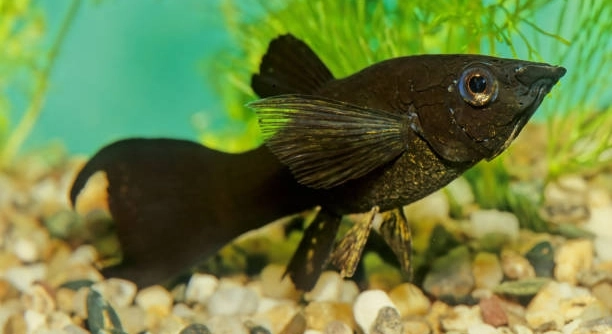
Black Mollies are peaceful fish that enjoy living in groups. They thrive best when their environment is calm, clean, and well-planned. Many aquarists find joy in watching their playful interactions in a community tank.
Black Mollies prefer spacious tanks with stable water conditions, moderate currents, and compatible tank mates. They require hiding spots, balanced nutrition, and consistent lighting to maintain health, reduce stress, and promote natural behaviors in a community setup.
Knowing these preferences helps ensure a harmonious tank. Following these tips can create a thriving environment for Black Mollies and their fellow aquatic companions.
Adequate Space and Tank Size
Black Mollies are active swimmers and need room to move freely. A tank of at least 20 gallons is ideal for a small group. Overcrowding can cause stress, aggression, and health problems. A larger tank helps maintain water stability and reduces territorial disputes. Providing open swimming areas alongside hiding spots allows them to feel secure while exploring. Plants, rocks, and decorations should be arranged thoughtfully to avoid overcrowding. Mollies also prefer mid- to top-level swimming spaces, so make sure the tank layout supports this. Observing their behavior will help you understand if the tank feels cramped or comfortable. Water flow should be moderate to simulate natural conditions without causing exhaustion. Regular monitoring of tank conditions ensures the space remains suitable. Consistent cleaning and maintenance are crucial to avoid buildup of harmful substances. A well-sized tank improves their overall health and encourages natural schooling behavior, making them more active and social in a community setup.
Providing at least 20 gallons per group ensures enough swimming room and reduces stress, promoting healthier and more active Black Mollies.
Proper space affects more than just swimming. Mollies in crowded tanks may hide excessively or show signs of fin damage. Observing their interactions helps you adjust the layout. Open areas, combined with strategically placed plants and ornaments, encourage natural behaviors like grazing and exploring. The right space also supports consistent water quality, making the fish more resilient to minor fluctuations. Small adjustments like removing overcrowded decorations or adding vertical plants can significantly improve tank comfort. Overall, giving them adequate space allows Black Mollies to thrive physically and socially, ensuring a balanced community environment.
Compatible Tank Mates
Black Mollies do best with peaceful fish that share similar water requirements. Avoid aggressive or fin-nipping species that may stress them.
Choosing tank mates requires careful planning. Mollies prefer warm, slightly brackish water, so species with matching needs work best. Guppies, platies, and swordtails are excellent companions, as they are similarly sized and non-aggressive. Avoid slow-moving or long-finned fish that may be harassed, which could lead to injuries. Introducing new fish gradually allows Mollies to acclimate and establish territories without sudden stress. Observing early interactions helps prevent conflicts. A diverse, compatible community creates a lively tank where all species feel secure. Incompatible pairings can trigger competition for food and space, increasing stress and potential disease outbreaks. By selecting mates thoughtfully, you maintain harmony, enhance social behavior, and provide a stimulating environment. Proper planning ensures all residents enjoy the tank and reduces the risk of aggression or health issues, keeping the Black Mollies and their companions thriving together.
Stable Water Conditions
Black Mollies need water that is clean and stable. Sudden changes in temperature, pH, or hardness can stress them and make them sick.
Maintaining stable water requires regular testing and partial water changes. Ideal conditions include a temperature of 75–82°F, pH around 7.5–8.5, and moderate hardness. Fluctuations in these parameters can lead to illness, stunted growth, and unusual behavior. Using a reliable heater and thermometer ensures the temperature remains constant. Filters and aeration help maintain water quality while keeping oxygen levels sufficient. Monitoring ammonia, nitrite, and nitrate levels is crucial, as even small increases can harm fish. Proper water care supports healthy molly growth, natural coloration, and consistent activity levels.
Consistency also includes gradual adjustments if changes are necessary. Slowly acclimating new water, fish, or additives prevents shock. Avoid overfeeding, as leftover food degrades water quality quickly. Combining careful observation with routine maintenance helps mollies thrive in a balanced environment, reducing stress and promoting social interactions within a community tank.
Proper Nutrition
Black Mollies require a varied diet to stay healthy. Feeding them only one type of food can lead to deficiencies and poor growth.
A balanced diet includes high-quality flake food, frozen or live foods, and occasional vegetable matter. They enjoy brine shrimp, daphnia, and bloodworms, which provide protein for growth and vitality. Leafy greens or blanched vegetables like zucchini or spinach support digestion and coloration. Feeding small amounts two to three times a day prevents overeating and maintains water quality. Supplementing with mineral-rich foods supports their reproductive health and overall resilience. Providing variety ensures they receive essential nutrients for energy, immunity, and natural behavior.
Observing eating habits helps determine if all fish are getting enough nutrition. Some mollies may be timid or slower to feed, so spreading food across the tank ensures equal access. Maintaining a feeding routine also establishes predictability, reducing stress. By carefully monitoring both quantity and quality of food, you encourage healthy growth, vibrant colors, and active behavior. Balanced nutrition is a key factor in maintaining harmony among tank mates and promoting long-term health for Black Mollies.
Hiding Spots and Decorations
Black Mollies feel secure when they have hiding spots. Plants, rocks, and caves give them places to rest and reduce stress.
Decorating the tank with tall plants or small ornaments creates natural barriers. Mollies use these areas to escape from more dominant tank mates and feel safer during active periods.
Moderate Water Flow
Black Mollies prefer water with gentle currents. Strong currents can exhaust them and make swimming difficult.
Providing moderate water flow simulates natural conditions without overwhelming them. Position filters or air stones to create a balanced current that encourages movement but allows resting spots. Regular observation ensures flow is comfortable and supports healthy activity.
Consistent Lighting
Black Mollies thrive with a consistent day-night cycle. Lighting that changes too much can disturb their behavior and feeding patterns.
Maintaining regular light schedules helps regulate activity, promotes healthy coloration, and supports plant growth. Using timers ensures consistency without manual adjustments.
FAQ
How often should I change the water in a Black Molly community tank?
Regular water changes are essential for healthy Black Mollies. Ideally, replace 20–25% of the water weekly. This helps maintain stable water parameters, reduces waste buildup, and prevents the growth of harmful bacteria. Smaller, frequent changes are better than large, infrequent ones.
What is the ideal temperature for Black Mollies?
Black Mollies thrive in water temperatures between 75–82°F. Maintaining consistent warmth is crucial for their metabolism, immune system, and activity levels. Sudden fluctuations can stress them, leading to disease. Using a reliable heater and thermometer ensures a stable environment.
Can Black Mollies live with other species?
Yes, but only with compatible tank mates. Peaceful, similarly sized fish like guppies, platies, and swordtails work best. Avoid aggressive or fin-nipping species, as this can cause injuries, stress, and unhealthy behavior in the Mollies. Gradual introductions help prevent conflicts.
What do Black Mollies eat?
Black Mollies require a varied diet. High-quality flake food, frozen or live foods like brine shrimp and daphnia, and occasional vegetables keep them healthy. Feeding small amounts two to three times daily prevents overfeeding and maintains water quality. Variety ensures proper nutrition and vibrant colors.
How many Black Mollies should be kept together?
They are social fish and do best in groups of at least 4–6. Smaller numbers may cause stress or shy behavior, while overcrowding can lead to aggression, competition for food, and water quality issues. Adequate space per fish is essential.
Do Black Mollies need salt in the water?
Adding a small amount of aquarium salt can benefit Black Mollies, especially in freshwater tanks. It supports osmoregulation, strengthens their immune system, and helps prevent certain diseases. Use caution with other freshwater plants or sensitive species.
How can I tell if my Black Mollies are stressed?
Signs include hiding frequently, erratic swimming, faded color, or loss of appetite. Stress is often caused by poor water quality, incompatible tank mates, or insufficient hiding spots. Addressing these issues promptly helps restore health and normal behavior.
Is breeding Black Mollies difficult in a community tank?
Breeding is possible but challenging due to other fish eating fry. Providing dense plants or breeding boxes increases survival rates. Mollies give live birth, so separating fry from adults ensures more babies survive. Regular monitoring improves outcomes.
How often should I feed live or frozen foods?
Supplement live or frozen foods two to three times per week. These foods are rich in protein and promote growth, color, and vitality. Overfeeding can pollute the tank, so moderation is key to maintaining water quality and healthy fish.
What tank decorations are best for Black Mollies?
Tall plants, rocks, and small caves are ideal. They provide hiding spots, reduce stress, and allow natural exploration. Avoid overcrowding the tank, as it limits swimming space. Strategic placement supports both activity and comfort.
How can I prevent disease in a Black Molly tank?
Maintain stable water parameters, provide a balanced diet, and avoid overcrowding. Quarantining new fish before introduction helps prevent disease spread. Regular observation ensures early detection of health issues, keeping the community thriving.
Do Black Mollies require special lighting?
They do best with consistent day-night cycles. Lighting supports activity, feeding, and plant growth. Using timers ensures regularity, which reduces stress and encourages natural behavior. Avoid sudden or prolonged lighting changes.
Can Black Mollies adapt to different water hardness?
They tolerate a range of moderate hardness but prefer slightly hard water. Drastic changes in hardness can stress them and impact health. Testing water regularly ensures conditions remain suitable and consistent.
How do I introduce new fish to a Black Molly tank?
Acclimate new fish slowly using a drip method or gradual water mixing over an hour. This minimizes stress and shock from different water parameters. Observing interactions helps prevent aggression and ensures a smooth integration into the community.
Are Black Mollies sensitive to water pH changes?
Yes, they prefer a pH between 7.5–8.5. Rapid shifts can cause stress and illness. Regular testing and careful adjustment with safe products maintain a stable environment suitable for both Mollies and compatible tank mates.
What signs indicate that Black Mollies are healthy?
Healthy Mollies are active, eat well, and display vibrant coloration. Fins should be intact, and swimming should be smooth. Social behavior, including schooling and interaction with other tank mates, is a good indicator of well-being.
How much space do Black Mollies need per fish?
Each molly should have at least 5 gallons of water. Adequate space prevents stress, aggression, and overcrowding. Larger tanks improve water stability, allow natural swimming patterns, and support overall health. Observing their behavior helps determine if more space is needed.
Can I use a filter in a Black Molly community tank?
Yes, filters maintain water quality and oxygen levels. Ensure the flow is moderate to prevent exhausting the fish. Regular maintenance prevents clogs and ensures consistent filtration. Positioning the filter carefully maintains a comfortable environment while keeping the water clean.
Do Black Mollies interact with plants in the tank?
Yes, they may nibble on soft leaves occasionally, which helps with digestion. Dense plants also provide shelter and reduce stress. Observing their interaction guides proper plant selection and placement to balance aesthetics and functionality.
How long do Black Mollies live in a community tank?
With proper care, Black Mollies live 3–5 years. Maintaining stable water conditions, proper diet, and compatible tank mates supports longevity. Regular observation for health issues ensures they live full, active lives.
Can Black Mollies tolerate slightly brackish water?
Yes, they adapt well to slightly brackish water, which can enhance coloration and reduce disease risk. Monitor salinity carefully to avoid stressing freshwater-only tank mates. Gradual adjustments help them acclimate safely.
Black Mollies are active, social fish that thrive when their environment meets their basic needs. In a community setup, ensuring adequate space, hiding spots, and compatible tank mates makes a big difference in their behavior and health. They need a stable, clean tank with consistent water temperature, pH, and moderate hardness. Sudden changes in water conditions can stress them, which can lead to illness or unusual behavior. Observing them regularly helps notice early signs of stress, disease, or aggression so that adjustments can be made promptly. A well-maintained tank also supports their natural activity patterns, making them more interactive and comfortable in their surroundings.
Nutrition plays a key role in keeping Black Mollies healthy. A varied diet that combines high-quality flake food, live or frozen foods, and occasional vegetables supports their growth, coloration, and immune system. Feeding small amounts multiple times a day prevents overfeeding and maintains water quality. Some Mollies may be shy eaters, so distributing food throughout the tank ensures all fish get proper nutrition. Balanced feeding, combined with stable water conditions and adequate space, helps them maintain normal behavior, reduces stress, and encourages social interactions in a community environment. Over time, you will notice their energy, schooling behavior, and vibrant colors as indicators of a healthy setup.
Providing hiding spots and proper lighting also contributes to a comfortable tank for Black Mollies. Plants, rocks, and small caves allow them to rest or escape from more dominant tank mates, reducing stress. Consistent lighting helps regulate their day-night cycle, which affects feeding, activity, and general well-being. Moderate water flow supports swimming without exhausting the fish, creating a more natural environment. Choosing compatible tank mates ensures peace and reduces competition or aggression. Paying attention to these factors, along with proper feeding, water maintenance, and tank layout, creates a balanced, harmonious space. Black Mollies in such an environment are more likely to thrive, showing healthy growth, natural behavior, and social interaction over the years.

Hello,
If you enjoy the content that we create, please consider saying a "Thank You!" by leaving a tip.
Every little bit helps us continue crafting quality advice that supports the health, happiness, and well-being of pets around the world, for pets of all shapes, sizes, and species.
We really appreciate the kindness and support that you show us!