
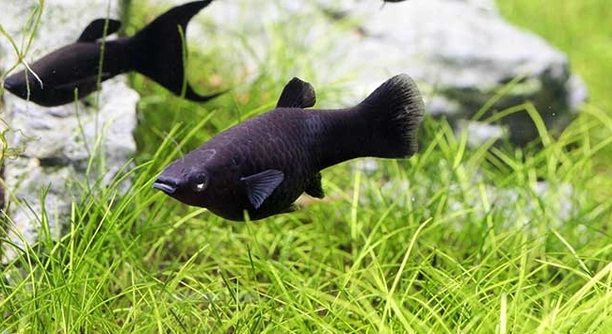
Do you ever find yourself rearranging your aquarium setup and wondering if your Black Molly will handle the changes? Many fish owners notice that filter currents can affect their tank dynamics and the comfort of their pets.
Black Mollies can tolerate gentle filter currents, but strong or direct flows may stress them. Maintaining moderate water movement and providing calm areas ensures their health, supports natural swimming behavior, and reduces the risk of fatigue or injury.
Understanding how water flow interacts with your fish’s habits can improve their well-being and make maintaining your tank a smoother experience.
Understanding Black Molly Behavior in Currents
Black Mollies are generally active swimmers, enjoying areas with gentle water movement. They often explore the tank, looking for food and interacting with other fish. Strong currents, however, can make them tired, causing them to hide or stay in calmer areas. Over time, constant exposure to strong flow can affect their health, slowing growth or increasing stress. Adding plants, rocks, or decorations helps create calm spots where they can rest. Observing how your fish respond to the flow can guide you in adjusting your filter settings. Mollies prefer moderate current near the middle or upper levels of the tank. Surface movement is natural, but too much push can overwhelm them. Adjusting the filter to diffuse the flow allows the fish to swim freely without struggling. Consistent observation ensures that they remain active, healthy, and display their natural behavior.
Adjusting filter strength gradually helps Black Mollies adapt without sudden stress.
Proper placement of filter outlets can balance tank movement, letting the fish enjoy both calm and flowing areas comfortably.
Choosing the Right Filter for Black Mollies
Most standard filters work well if they allow flow adjustment.
Selecting a filter with adjustable current is key. Sponge filters or filters with spray bars create gentle circulation without overwhelming the fish. Avoid placing outlets directly at resting spots or corners where water may push fish into walls. Regular maintenance ensures the filter performs efficiently, keeping the water clean and oxygenated. Over time, observing your Black Mollies’ swimming patterns can guide further adjustments. Proper filtration not only supports healthy swimming but also reduces waste buildup, preventing water quality issues. When choosing a filter, consider tank size and fish population, as higher numbers require stronger circulation but still within tolerable limits. Balancing flow and filtration keeps the tank environment stable, promoting long-term fish health. Mollies are resilient but thrive best in controlled, moderate currents that mimic natural conditions, allowing them to feed, explore, and rest without strain or fatigue.
Adjusting Tank Setup for Optimal Flow
Placing decorations strategically can reduce strong currents while keeping the tank visually appealing. Plants and rocks create calm zones where Black Mollies can rest and swim at their own pace.
Adding tall plants near the filter outlet helps break the water flow, softening the current. Rocks and driftwood positioned thoughtfully create areas of lower velocity, allowing fish to move freely without being pushed around. Mollies naturally explore the tank, so maintaining a balance between open swimming spaces and sheltered spots is important. Observing their behavior shows if adjustments are needed, such as moving a plant or lowering the filter output. Small changes often make a big difference in reducing stress, keeping the fish active and healthy. These adjustments ensure the tank feels natural, supporting their comfort and encouraging natural swimming patterns throughout the day.
Filters should be adjusted carefully, as sudden changes can shock the fish. Small, gradual changes help them adapt.
Moderate flow not only prevents stress but also enhances oxygenation and circulation in the tank. Proper placement of outlets ensures water moves through the tank evenly. Mollies tend to swim in mid to upper levels, so controlling flow in these areas is critical. Flow deflectors or sponge attachments reduce intensity while maintaining water movement. By monitoring the fish, it becomes easier to see which areas are too strong and which are comfortable. Adjusting the filter and rearranging decorations allows the Mollies to enjoy swimming without struggle. Calm areas near feeding spots are especially important, giving them time to rest and eat peacefully, which supports overall health and vitality.
Feeding Behavior and Current Interaction
Strong currents can affect how Mollies approach food, slowing their movement or pushing them away from feeding spots. Proper placement of food is essential.
Feeding in calmer areas ensures Mollies can eat efficiently without fighting the flow. They are natural grazers, often picking at plants or surfaces. Strong water movement may cause them to miss flakes or pellets, reducing their intake. Observing how they feed in relation to currents helps adjust the filter and feeding locations. Using floating or slow-sinking foods near calm zones allows all fish to eat comfortably. Flow can also influence social feeding behavior, with dominant fish taking advantage of calmer areas while others struggle. Ensuring even distribution of food supports health and reduces stress, helping Mollies maintain energy for swimming, exploring, and interacting naturally.
Monitoring fish during feeding provides insight into flow adjustments, highlighting areas that may need calmer conditions. Adjusting filter strength and outlet placement around feeding zones improves feeding efficiency. By creating gentle currents near food, Mollies can feed without exhaustion. Using multiple feeding spots can prevent competition, ensuring all fish get proper nutrition. Observing fish reactions over time shows if changes are effective. Careful balance between movement and calm spaces allows the fish to thrive while maintaining a clean, well-oxygenated tank. Proper planning around feeding helps the fish stay healthy, active, and stress-free in a controlled, comfortable environment.
Recognizing Stress from Strong Currents
Signs of stress include hiding, erratic swimming, or rubbing against decorations. Mollies may appear lethargic if currents are too strong.
Color fading and loss of appetite are also indicators. Watching their behavior daily helps catch problems early and ensures adjustments can be made quickly.
Using Flow Diffusers and Baffles
Flow diffusers or sponge attachments reduce direct water pressure without stopping circulation. These tools create gentle, even currents suitable for Black Mollies. Properly placed baffles help control speed and direction, allowing the fish to swim naturally. Using diffusers ensures oxygen distribution and keeps waste suspended for filtration without stressing the fish. Small tanks benefit most from these adjustments, as strong outputs can overwhelm confined spaces. By observing fish reactions to flow changes, owners can fine-tune their setup for a balanced environment. Diffusers also make feeding and resting areas calmer, supporting overall health.
Seasonal Adjustments
Water temperature changes can influence swimming patterns and flow tolerance.
During warmer months, Mollies may prefer slower currents, while cooler water can encourage more active swimming. Adjusting filter flow seasonally supports their comfort and activity.
FAQ
Can Black Mollies live in tanks with strong filter currents?
Black Mollies can survive in tanks with strong currents, but it is not ideal. They are active swimmers, yet constant strong flow can tire them and increase stress. Gentle to moderate currents are best, allowing them to swim naturally without struggling. Using flow diffusers or repositioning the filter outlet can reduce the intensity while keeping water circulation effective. Observing their behavior is essential, as signs like hiding or erratic swimming indicate the current is too strong. Creating calm areas in the tank with plants or decorations gives them places to rest and recover.
How do I know if my Black Molly is stressed by the current?
Stress signs include hiding frequently, swimming frantically, or rubbing against tank surfaces. Loss of appetite and faded coloration are also common indicators. Fish that are constantly fighting the flow or staying in one corner may need a calmer section. Watching them during feeding and general activity helps identify problem areas. Adjusting the filter slowly, rather than suddenly, gives the fish time to adapt. Sometimes minor changes, like moving a plant or redirecting the water flow, make a significant difference in reducing stress.
What type of filter is best for Black Mollies?
Filters with adjustable flow rates work best. Sponge filters and filters with spray bars create gentle circulation, preventing strong jets from overwhelming the fish. It is important to balance the tank size, number of fish, and filtration needs. Overly powerful filters in small tanks can push water too fast, causing stress or fatigue. A good filter maintains water clarity, oxygenation, and circulation while allowing areas of calm where fish can rest. Regular maintenance ensures the filter continues to operate efficiently, supporting healthy water conditions for Black Mollies.
Where should I place the filter outlet?
The outlet should not blow directly into areas where fish rest or feed. Positioning it near the tank’s middle or upper levels allows water to circulate evenly without creating strong localized currents. Using baffles or diffusers can help redirect water and soften the flow. It is also useful to create calmer zones near plants or decorations, giving fish safe spaces. Proper placement reduces stress, improves swimming behavior, and ensures efficient filtration throughout the tank. Observing how the Mollies interact with the flow can guide final adjustments.
Can Black Mollies adapt to stronger currents over time?
They can adapt gradually, but sudden strong currents may harm them. Small, incremental changes in flow allow fish to adjust safely. Gradual adaptation also reduces stress and prevents fatigue. Even with adaptation, strong currents are not necessary for their health, so it’s better to maintain moderate flow. Observing behavior during this period ensures that they are not struggling, allowing for further adjustments if needed.
Does tank size affect how Black Mollies handle currents?
Yes, smaller tanks amplify water flow from filters, making strong currents more stressful. Larger tanks allow water to spread out, reducing the intensity felt by the fish. Filter placement and flow adjustment are especially important in smaller tanks to prevent exhaustion. Creating calm zones and using flow diffusers helps Mollies navigate their environment comfortably. Even in larger tanks, monitoring behavior ensures that currents remain suitable and safe.
How does current affect feeding?
Strong currents can push food away or prevent Mollies from reaching it efficiently. Feeding in calmer areas ensures all fish get a chance to eat. Floating or slow-sinking foods work well, and spreading food across multiple spots reduces competition. Observing feeding behavior helps identify areas where current may need adjustment. Proper flow allows Mollies to feed without struggling, supporting growth, energy, and overall health.
Are there long-term effects of strong currents?
Prolonged exposure to strong currents can lead to chronic stress, fatigue, and slower growth. Fish may become less active or more prone to illness. Maintaining moderate currents with calm areas prevents these long-term problems. Regular observation and adjustments help sustain a healthy environment, ensuring Mollies remain energetic, colorful, and active over time.
Can decorations help manage flow for Black Mollies?
Yes, plants, rocks, and driftwood can break the flow, creating calm areas. Strategically placing decorations near filter outlets softens strong currents and allows fish to swim naturally. Open spaces combined with sheltered zones balance activity and rest. Regularly observing how Mollies use these areas can guide rearrangement for comfort.
Is it necessary to adjust filter flow seasonally?
Seasonal temperature changes can affect swimming activity. In warmer water, Mollies may prefer slower currents, while cooler temperatures may encourage more active swimming. Adjusting flow accordingly supports comfort and natural behavior. Minor seasonal adjustments help maintain a balanced environment year-round, keeping the fish healthy and stress-free.
Black Mollies are resilient fish that can adapt to a variety of tank conditions, but their comfort depends heavily on how the water flows around them. Strong currents can be overwhelming, making them tire quickly or seek calm areas to rest. Providing a moderate flow is the best approach for keeping them healthy and active. When setting up a tank, it is important to observe how the fish respond to the filter’s strength and adjust it if necessary. Using flow diffusers, sponge attachments, or spray bars can soften the water movement and create a balanced environment. Even small adjustments, like repositioning decorations or moving the filter outlet, can make a big difference in how comfortable the fish feel. By paying attention to their swimming patterns, hiding spots, and general activity, you can ensure they are not stressed by excessive current. Healthy fish will swim naturally, feed well, and display their normal behavior without showing signs of fatigue.
Creating calm zones is just as important as maintaining proper circulation. Plants, rocks, and driftwood can act as natural barriers that reduce water flow in certain areas, giving Black Mollies space to rest or feed without struggling. Open swimming areas allow them to move freely and stay active, while sheltered spots provide a break from strong currents. This balance between calm and moving water mimics conditions they might experience in natural habitats. Observing how they use these zones helps determine if further adjustments are needed. Mollies tend to appreciate areas near the middle or top of the tank with moderate movement, so ensuring these spots remain comfortable is key. Maintaining this balance also helps with feeding, as fish in calmer areas can access food easily without being pushed away by flow. Over time, the combination of moderate currents and calm zones supports their overall health, keeps stress levels low, and encourages natural behaviors.
Adjusting flow according to tank size, number of fish, and seasonal changes also contributes to a comfortable environment. Smaller tanks can feel stronger currents, so careful filter placement and gradual adjustments are necessary. Seasonal temperature differences may affect activity levels, with fish preferring gentler flow during warmer months and slightly more movement in cooler conditions. Regularly checking behavior during feeding and swimming times helps identify any stress points. By understanding how currents influence Black Mollies, you can provide a stable, comfortable habitat that promotes long-term health. Thoughtful filter management, strategic tank decoration, and close observation allow the fish to thrive in a balanced environment, supporting active swimming, feeding, and overall well-being. Small, consistent adjustments go a long way in creating a tank where Black Mollies can live comfortably and display their natural, lively behavior.

Hello,
If you enjoy the content that we create, please consider saying a "Thank You!" by leaving a tip.
Every little bit helps us continue crafting quality advice that supports the health, happiness, and well-being of pets around the world, for pets of all shapes, sizes, and species.
We really appreciate the kindness and support that you show us!