
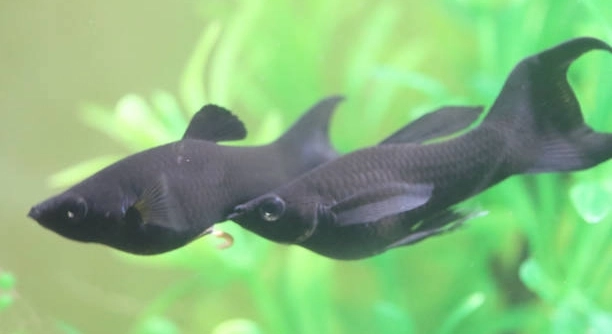
Black Mollies are popular freshwater fish known for their resilience and easy care. Many aquarium owners appreciate their calm nature and striking black coloration. However, unexpected events like power outages can pose challenges for maintaining their environment and health.
Black Mollies can survive a short-term power outage, but their well-being depends on factors such as water temperature, oxygen levels, and the duration of the outage. Providing a stable environment and minimizing stress is essential for their survival.
Understanding the risks and precautions during power interruptions will help ensure Black Mollies remain healthy and comfortable in their aquatic habitat. Proper care can prevent avoidable stress and potential health issues.
Preparing Your Tank Before a Power Outage
Before a power outage occurs, it is important to take steps that can help Black Mollies survive. Ensuring the tank is clean and free of excess waste reduces the risk of ammonia buildup, which can stress the fish. Regular water changes will maintain water quality and lower harmful chemical levels. Checking that the filter is functioning properly is essential, as a malfunctioning filter can rapidly degrade water conditions during an outage. Additionally, make sure your heater is working and set to an appropriate temperature for tropical fish, as sudden temperature drops can weaken their immune system. Keeping a thermometer handy allows you to monitor changes. Having a backup air pump or battery-operated aerator can keep oxygen levels stable. Securing enough fish food for at least a few days ensures they remain nourished without overfeeding. Small adjustments now can prevent major problems later.
Even simple preparations can make a significant difference in your fish’s survival during an outage.
Keeping these measures in place reduces stress and keeps water conditions safe until power is restored. It is better to be proactive than reactive.
Managing Oxygen Levels During an Outage
Maintaining oxygen levels is crucial for Black Mollies, as low oxygen can quickly become dangerous.
If the power goes out, using a battery-operated air pump helps keep water oxygenated. Manual aeration by gently stirring the water can also assist in keeping oxygen levels sufficient. Avoid overcrowding the tank during this period, as more fish consume oxygen faster. Observing the fish closely for signs of stress, such as rapid gill movement or unusual behavior, is important. Keeping the tank covered with a lid reduces heat loss and slows oxygen depletion.
During longer outages, it may be necessary to relocate some fish to a temporary container with aerated water. Ice packs or warm water bottles can help maintain a stable temperature. Avoid sudden changes in water conditions, as they can shock the fish. Monitoring both oxygen and temperature carefully ensures your Black Mollies remain healthy. Preparing a small emergency kit with essentials like a battery pump, water conditioner, and spare thermometer allows you to respond quickly. Consistent attention can prevent unnecessary stress and maintain stability in the tank.
Feeding Considerations During a Power Outage
Overfeeding can harm Black Mollies, especially when filtration is limited.
During a power outage, it is important to feed sparingly. Black Mollies can survive several days without food, so provide only small amounts if necessary. Excess food will decay and reduce water quality, increasing stress and health risks. Focus on maintaining a clean tank rather than trying to keep them well-fed during this period.
If the outage lasts longer than a day, temporarily pause feeding entirely. Observe your fish for signs of hunger or lethargy. Once power is restored and the filter is running, resume feeding gradually. Avoid sudden large meals, as the fish’s digestive system may be sensitive after a break. Keeping feeding minimal helps maintain water stability and reduces potential complications during uncertain conditions.
Temperature Control Without Power
Temperature fluctuations can quickly affect Black Mollies’ health, making control essential.
If the power goes out, use blankets or towels to insulate the tank and slow temperature loss. For cold weather, placing warm water bottles around the tank can help maintain a safe range. Avoid direct contact with the bottles to prevent sudden temperature shifts that could shock the fish. Monitoring with a thermometer ensures conditions remain stable.
In warmer climates, prevent overheating by keeping the tank out of direct sunlight. A shaded area helps regulate temperature without electricity. Maintaining stability in temperature reduces stress and supports immune function, keeping the fish healthier until power returns. Planning ahead with simple household items can make a noticeable difference in survival during outages.
Temporary Water Changes
Performing small water changes can help maintain water quality during an outage.
Use dechlorinated water at a similar temperature to avoid shocking the fish. Small, frequent changes prevent ammonia buildup and reduce stress, keeping Black Mollies healthier until normal filtration resumes.
Using Backup Equipment
Battery-operated air pumps and portable heaters provide essential support during power interruptions.
These devices help maintain oxygen levels and temperature stability. Ensure batteries are fresh and the equipment is tested beforehand. A backup plan with reliable tools reduces risk and supports the well-being of your fish during unexpected outages.
Monitoring Fish Behavior
Watch for unusual signs like lethargy or rapid gill movement.
Early observation allows for quick adjustments, such as gentle aeration or temperature stabilization, ensuring Black Mollies stay healthy and safe during the outage.
FAQ
How long can Black Mollies survive without power?
Black Mollies can survive a short power outage of several hours to a day if conditions remain stable. Water temperature, oxygen levels, and tank cleanliness play a major role. Longer outages increase risk, especially if water quality declines or temperature fluctuates significantly. Proper preparation can extend survival time.
Can I feed my Black Mollies during a power outage?
Feeding should be minimal or paused entirely during an outage. Overfeeding increases waste, which can harm water quality without filtration. If the outage is brief, small amounts are safe, but it is usually better to focus on maintaining water stability rather than trying to keep the fish fully fed.
What should I do if the water temperature drops?
Use blankets, towels, or warm water bottles to maintain temperature. Ensure that any heat source does not touch the tank directly to prevent sudden shifts. Monitoring with a thermometer is essential. Gradual stabilization protects Black Mollies from shock and keeps their immune system strong.
How can I keep oxygen levels safe?
Battery-operated air pumps or manual aeration, like gently stirring the water, helps maintain oxygen. Avoid overcrowding the tank, as more fish consume oxygen faster. Observing for signs of stress such as rapid gill movement ensures you can respond before problems escalate.
Do Black Mollies need complete darkness during an outage?
Normal light cycles can be maintained if the power outage is brief, but avoid exposing the tank to direct sunlight, which may overheat water. Darkness itself is not harmful, but extreme temperature changes or lack of aeration are riskier than light exposure.
Is it safe to move Black Mollies to a temporary container?
Yes, if water quality drops or conditions become unstable. Use a clean container with similar temperature and dechlorinated water. Aeration is important, and the container should be large enough to avoid crowding. Minimize handling to reduce stress.
What signs indicate my Black Mollies are stressed?
Watch for rapid gill movement, clamped fins, hiding, or lethargy. Stress often results from poor water quality, low oxygen, or sudden temperature changes. Quick intervention with aeration, temperature control, and careful observation helps reduce harm.
Can I use ice or cold packs to cool water in hot conditions?
Yes, but only to gradually reduce temperature. Avoid direct contact with the fish or drastic changes, as sudden shifts can shock their system. Using shaded areas along with gradual cooling is safer and maintains a stable environment.
How often should I check the tank during an outage?
Frequent monitoring is important. Check water temperature, oxygen levels, and fish behavior at least every few hours. Quick adjustments can prevent issues from becoming critical, ensuring Black Mollies remain healthy until power is restored.
Are there emergency supplies I should keep ready?
Keep a small kit with a battery-powered air pump, spare batteries, dechlorinated water, thermometer, and water conditioner. These tools allow you to manage temperature and oxygen, perform emergency water changes, and maintain overall tank stability during extended outages.
Will Black Mollies survive if the outage lasts more than 24 hours?
Survival beyond a day becomes increasingly risky. Long outages require careful monitoring of oxygen, temperature, and water quality. Temporary containers, aeration, and gradual temperature adjustments improve chances, but the longer the outage, the more vulnerable the fish become.
Can I prevent all stress during a power outage?
Complete prevention is unlikely, but preparation minimizes it. Maintaining clean water, stable temperature, and oxygen levels reduces the impact. Handling the fish as little as possible and avoiding sudden changes supports their health. Stress management is about minimizing harm, not eliminating it entirely.
Are certain tank sizes better for surviving outages?
Larger tanks are more stable in temperature and water chemistry, giving Black Mollies more resilience. Smaller tanks change conditions quickly, so monitoring and intervention are more critical. Regardless of size, preparation and consistent care are key to survival.
How do I resume normal care after power is restored?
Once power returns, restart the filter and heater gradually. Resume feeding slowly, observing how the fish respond. Avoid sudden large meals or rapid temperature shifts. Continue monitoring water quality for the next day or two, as temporary instability can persist even after power is back.
Can multiple Black Mollies survive together during an outage?
Yes, but overcrowding increases oxygen demand and stress. Keep the number of fish appropriate for the tank size. Reducing stress through stable water, temperature, and aeration is more important than separation unless conditions deteriorate.
What if I notice illness after a power outage?
Illness may appear due to stress or poor water conditions. Isolate affected fish if possible and treat according to symptoms. Maintaining clean water and proper temperature helps recovery. Prompt attention improves survival and prevents the spread of disease.
Is it safe to rely on natural oxygen from plants?
Plants contribute oxygen, but during outages, it is often insufficient for multiple fish. Aeration is recommended to maintain safe levels, especially in warm water where oxygen dissolves less efficiently. Plants support overall health but are not a replacement for aeration in emergencies.
Can I use tap water directly for emergency water changes?
Tap water must be dechlorinated before use. Chlorine and chloramine are harmful to fish. Use a water conditioner or let water sit to remove chemicals. Temperature should match the tank to prevent shocking the fish. Proper preparation ensures water changes support survival.
How do I handle prolonged outages during extreme weather?
Extreme heat or cold makes monitoring and temperature control critical. Use insulation, warm or cool packs, and shaded areas as needed. Avoid sudden water changes, and keep fish stress minimal. Being proactive with household items can make a major difference in outcomes.
Should I worry about ammonia buildup?
Yes, without filtration, waste accumulates quickly. Small, frequent water changes and minimal feeding help reduce ammonia. Observing water clarity and fish behavior provides clues. Acting promptly prevents toxic conditions and protects Black Mollies’ health.
How can I reduce overall stress during an outage?
Minimize handling, maintain stable water and temperature, use aeration, and avoid overfeeding. Observing behavior regularly allows quick action. Stress cannot be completely eliminated, but careful management improves survival and keeps fish healthier until conditions normalize.
Are there signs that my backup equipment is failing?
Reduced airflow, inconsistent temperature, or unusual noises indicate problems. Regularly test battery-operated pumps and heaters. Keeping spare batteries or backup devices ready ensures continued support during prolonged outages.
Can I combine multiple strategies for better survival?
Yes, using aeration, temperature control, minimal feeding, and careful observation together provides the best chance of survival. Each measure addresses a different risk, and combining them reduces stress and keeps Black Mollies healthier during power interruptions.
How often should I replace batteries for backup equipment?
Check and replace batteries regularly, even if equipment hasn’t been used. Weak batteries can fail when needed most. Keeping spares ensures your aeration and heating devices function properly during an unexpected outage.
What’s the biggest risk to Black Mollies during an outage?
Rapid changes in water quality, temperature, and oxygen levels are the main risks. Preparation and careful monitoring reduce these threats. Prompt action during the outage makes a significant difference in survival and health.
Can I prevent all health issues after a power outage?
Not entirely, but proactive care minimizes problems. Maintaining stable water, temperature, oxygen, and reducing stress improves recovery. Close observation in the hours and days after power is restored helps identify issues early, allowing for quick intervention and better outcomes.
Are there special considerations for young or sick Black Mollies?
Juveniles and weakened fish are more vulnerable. Extra care with oxygen, temperature, and water quality is critical. Avoid handling them and provide a stable, calm environment. Their survival depends on minimizing stress and maintaining optimal conditions more than for healthy adults.
How important is tank location during an outage?
Location matters. Avoid direct sunlight or drafty areas. Stable surroundings prevent temperature swings and reduce stress. Choosing the right spot in advance can improve outcomes during unexpected power interruptions.
What is the most effective way to survive a multi-day outage?
Use backup aeration and heating, minimize feeding, perform careful water changes, and monitor fish closely. Maintain calm and stable conditions, and respond quickly to any changes. Combining all strategies gives Black Mollies the best chance to remain healthy.
Is it safe to combine water from different sources?
Yes, if all water is dechlorinated and at a similar temperature. Mixing helps maintain volume and reduces stress, but ensure quality remains consistent to protect fish health.
Can I use a cooler or insulated container for part of the tank?
Yes, for temporary relocation or temperature control. Ensure aeration and proper temperature. Limit time in smaller containers and monitor closely to prevent stress or overcrowding.
Should I adjust lighting during an outage?
Lighting is secondary to temperature and oxygen. Normal cycles are fine if power returns soon. Avoid excessive sunlight exposure or placing the tank in extreme conditions. Stable environmental factors are more important than light during emergencies.
What’s the best long-term preparation for future outages?
Keep emergency supplies, test backup equipment, and monitor tank health regularly. Planning ahead reduces risk and stress, ensuring Black Mollies remain safe during any unexpected power interruptions.
Final Thoughts
Black Mollies are hardy fish, but unexpected power outages can create challenges for their survival. Ensuring that your tank is well-maintained and clean before any outage is a crucial first step. Regular water changes help keep ammonia and other toxins low, while a properly functioning filter and heater provide stability to their environment. Even small changes, like checking that the water temperature is appropriate and that aeration is working correctly, make a noticeable difference during an emergency. Preparing in advance with basic tools, such as a battery-operated air pump, spare batteries, and dechlorinated water, provides a safety net that allows you to respond quickly when power is lost. These steps reduce stress on the fish and create a safer environment for them while the electricity is down. A proactive approach ensures that your Black Mollies remain healthy and reduces the risk of sudden complications during an outage.
During a power outage, the most important factors to monitor are oxygen levels, water temperature, and overall water quality. Black Mollies can survive for several hours without power if these factors remain stable, but conditions can deteriorate quickly without attention. Using blankets or towels to insulate the tank, warm or cool packs to maintain temperature, and gentle aeration to supply oxygen can help maintain a safer environment. It is also important to limit feeding during this time. Overfeeding can quickly pollute the water and increase stress, so small amounts or temporarily pausing feeding is usually better. Observation is key. Watching for signs of stress, such as rapid gill movement, clamped fins, or unusual behavior, allows you to act before problems escalate. The longer the outage lasts, the more critical it becomes to respond promptly and maintain stability in the tank. Small, consistent actions can significantly improve the chances of your Black Mollies surviving a prolonged outage.
After the power is restored, careful attention is still necessary. Filters and heaters should be restarted gradually, and feeding should resume slowly to avoid overloading the fish’s digestive system. Monitoring water quality for the next day or two is important, as temporary imbalances can linger even after normal equipment is running again. Black Mollies, especially younger or weaker individuals, are more sensitive to sudden changes, so maintaining calm and stability during the recovery period helps them regain normal behavior and energy levels. By preparing for outages in advance, monitoring environmental conditions during the event, and responding carefully afterward, you can support your Black Mollies through stressful situations. Thoughtful care before, during, and after a power outage ensures that these resilient fish continue to thrive in their home tank, even when unexpected interruptions occur.

Hello,
If you enjoy the content that we create, please consider saying a "Thank You!" by leaving a tip.
Every little bit helps us continue crafting quality advice that supports the health, happiness, and well-being of pets around the world, for pets of all shapes, sizes, and species.
We really appreciate the kindness and support that you show us!