
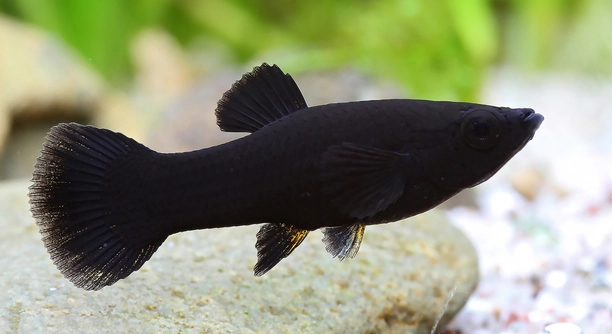
Black Molly fish are popular for their striking appearance and peaceful nature. Many aquarium owners enjoy keeping them in home tanks. Proper water maintenance is essential to ensure they remain healthy and active in their environment.
Black Mollies can tolerate frequent water top-ups if done carefully. Sudden changes in water chemistry or temperature should be avoided, as stability is crucial. Gradual additions maintain a balanced environment, supporting their well-being and reducing stress in the aquarium.
Frequent top-ups may seem simple, yet knowing the right approach helps maintain water quality and ensures Black Mollies thrive in their habitat.
Understanding Black Mollies’ Water Needs
Black Mollies thrive in stable water conditions, making consistency a key factor. Their natural habitat includes brackish waters, which means they are slightly tolerant of salinity, but abrupt changes in their tank can create stress. Temperature, pH levels, and hardness need regular monitoring to prevent health issues. Frequent water top-ups are often necessary in smaller tanks where evaporation happens quickly, but they must be done with care. Adding water gradually prevents shock and keeps the chemistry balanced. Many aquariums benefit from using a dechlorinated, temperature-matched water source. This ensures the fish are not exposed to harmful chemicals or sudden thermal shifts. Observation of their behavior can reveal stress: darting, hiding, or loss of appetite are signs. By maintaining a gentle routine with water changes, the tank stays clean, algae growth is minimized, and the fish remain active. Attention to these details is key for long-term health and longevity.
Even small top-ups, when done regularly, can prevent sudden water chemistry changes. Patience is essential.
Proper water management also includes routine testing. Ammonia, nitrite, and nitrate levels should remain near zero, with pH stable between 7.0 and 8.0. Salinity can be slightly adjusted, but large fluctuations should be avoided. Using a siphon to remove debris and partially replace water is effective. Black Mollies respond positively to clean tanks, showing brighter colors and more activity. Consistent schedules help establish a calm environment, and pairing them with compatible species reduces stress. Monitoring temperature around 24–28°C ensures metabolism and behavior remain normal. By combining careful top-ups with periodic maintenance, water quality stays optimal. Over time, a stable routine strengthens immunity, reduces susceptibility to disease, and promotes breeding. Understanding these practical steps makes caring for Black Mollies manageable and rewarding.
Tips for Safe Top-Ups
Always use water that matches tank temperature to avoid stress. Small, frequent additions work best.
When topping up, pour slowly along the tank edge. Avoid sudden large volumes, which can shock the fish. Using a bucket or siphon helps control the flow. Keeping a thermometer nearby ensures water added is within the safe range. Observing the fish during the process is important; signs of stress indicate adjustments are needed. This simple routine protects their health. Over time, it becomes second nature and helps maintain a thriving tank environment. Regular attention keeps the aquarium balanced, reducing the need for major water changes. Combining patience with consistency makes the tank safer for Black Mollies.
Signs Your Black Mollies Are Adjusting
Subtle changes in behavior indicate adjustment. Active swimming, feeding regularly, and maintaining bright coloration show they are handling top-ups well. Hiding or lethargy may signal stress.
Pay attention to how your Black Mollies react after each top-up. If they dart around or stay near the surface, it could indicate slight discomfort. Gradual adjustments help them acclimate without shock. Observing their interaction with tankmates also provides insight. Mollies that resume normal feeding and exploration within a few hours are adapting successfully. Small, consistent top-ups create a stable environment and prevent long-term stress. Tracking water parameters alongside behavior ensures the tank remains safe and healthy.
Sometimes, changes in water can trigger temporary stress responses. Increased hiding, slight loss of appetite, or slowed movement are common but usually short-lived. Monitoring these behaviors allows timely intervention. Ensure water additions are gradual and dechlorinated. Checking pH and temperature before topping up reduces risks of imbalance. Consistency and patience are essential for their comfort and well-being. By carefully observing their reactions, you can maintain a stable, healthy habitat and minimize stress during frequent water top-ups.
Common Mistakes During Water Top-Ups
Adding water too quickly can shock the fish. Always match temperature and use dechlorinated water to maintain safety.
A frequent mistake is ignoring water chemistry. Sudden shifts in pH, hardness, or temperature can harm Black Mollies. Pouring water directly from the tap without treatment may introduce chlorine or other chemicals. Overfilling or underfilling the tank can disrupt balance. Using a bucket or hose with controlled flow helps avoid turbulence. Regular testing of ammonia, nitrites, and nitrates ensures a healthy environment. Tracking parameters alongside careful observation of fish behavior prevents stress and health problems. Gradual, measured top-ups are essential for a stable, thriving tank.
Preparing Water for Top-Ups
Always use water that matches the tank’s temperature. Dechlorinate before adding it to prevent chemical stress.
Salinity and pH should be checked. Adjust slightly if needed, but avoid major changes. Gradual additions help maintain a stable environment for Black Mollies and reduce the risk of shock.
Tools That Make Top-Ups Easier
Using a siphon, bucket, or hose helps control the flow. These tools make gradual water addition simple and precise.
Timing and Frequency
Small, frequent top-ups are safer than large, occasional changes. Monitoring evaporation rates helps schedule additions effectively. Regular attention ensures stability in the tank’s ecosystem.
Observing Long-Term Health
Track coloration, appetite, and activity levels after water top-ups. Consistent behavior indicates that the fish are thriving and adapting well to changes.
FAQ
How often should I top up the water for Black Mollies?
The frequency depends on tank size, evaporation rate, and environmental conditions. In smaller tanks, daily top-ups may be necessary, while larger tanks might only require water additions a few times per week. Consistency is important to prevent sudden changes that can stress the fish. Always monitor water levels and adjust the schedule as needed. Observing the fish’s behavior after top-ups helps determine if the routine is suitable. Gradual, frequent top-ups are safer than large, infrequent changes, ensuring stable water chemistry and reducing stress on Black Mollies.
Can I use tap water directly from the faucet?
Tap water must always be treated before adding it to the tank. Chlorine and chloramine in tap water are harmful to fish. Dechlorinating solutions or letting water sit for 24 hours can remove these chemicals. Temperature should also be matched to the tank to avoid shocking the fish. Testing pH, hardness, and salinity ensures the water is compatible with the existing tank conditions. Properly prepared tap water allows for safe, gradual top-ups without impacting the health of Black Mollies or causing stress-related issues.
What happens if I add too much water at once?
Adding a large volume of water suddenly can drastically alter temperature, pH, and salinity. This shock can lead to stress, hiding, erratic swimming, or even illness. Mollies are sensitive to rapid environmental changes, and sudden top-ups disrupt the tank’s balance. Always add water slowly along the tank edge, allowing the fish to acclimate. Gradual additions minimize the risk of stress, maintain stability, and protect their immune system. Frequent small adjustments are preferable to infrequent large ones, keeping the tank healthy and the fish active.
Is it necessary to check water parameters before every top-up?
Yes, monitoring water parameters ensures the top-up does not negatively affect the tank. Checking temperature, pH, and hardness prevents sudden changes that could harm Black Mollies. Testing ammonia, nitrites, and nitrates regularly is also important. Maintaining stable parameters helps the fish thrive and reduces stress. Keeping records of water quality allows you to notice trends and make adjustments when needed. Simple tests combined with gradual water additions create a safe environment, supporting long-term health and bright coloration in Black Mollies.
Can Black Mollies tolerate slightly different water chemistry during top-ups?
They can tolerate minor variations, but large shifts should be avoided. Mollies are somewhat adaptable, but extreme changes in pH, hardness, or temperature can stress them. Gradual adjustments allow them to acclimate safely. Observing behavior after water additions helps gauge tolerance. If signs of stress appear, slow the top-up process and reassess water quality. Small, controlled changes maintain a healthy environment while allowing for routine top-ups, ensuring the fish remain active and their immune system stays strong.
How do I know if my top-up method is working?
Watch for consistent behavior and appetite. Bright coloration and regular swimming indicate successful adjustments. Fish that hide, lose interest in food, or show unusual activity may be stressed. Regular observation alongside monitoring water parameters ensures the method is safe. Adjusting flow rate, temperature, and chemical balance as needed improves results. Gradual, controlled top-ups combined with attention to fish behavior help maintain a stable, healthy tank environment for Black Mollies over the long term.
Should I use salt in the water during top-ups?
Black Mollies benefit from a small amount of aquarium salt, as it helps mimic brackish conditions and supports osmoregulation. However, the concentration should be carefully measured. Excessive salt can harm both fish and plants. Gradual addition is key. Observing behavior after adding salt ensures they are adapting well. Maintaining consistent salinity during top-ups helps prevent stress and supports overall health. Combining careful salt management with regular water top-ups provides a stable environment for Black Mollies, enhancing their activity, coloration, and longevity.
Can frequent top-ups replace full water changes?
No, top-ups maintain water levels and reduce minor fluctuations but do not remove accumulated waste or toxins. Partial water changes are still necessary to remove nitrates, debris, and other pollutants. Top-ups support stability between changes, while full or partial water changes maintain overall water quality. Combining frequent, small top-ups with scheduled water changes ensures a healthy, balanced environment. This approach minimizes stress, keeps water chemistry stable, and supports the long-term well-being of Black Mollies in the aquarium.
How do I prevent stress during top-ups?
Add water slowly and match its temperature and chemistry to the tank. Avoid sudden large additions and observe fish behavior closely. Keeping a consistent schedule and using dechlorinated, treated water reduces stress. Maintaining stable water parameters alongside gradual top-ups helps the fish remain healthy, active, and visually vibrant. Over time, this careful approach becomes routine and significantly lowers the risk of illness or erratic behavior. Stress prevention is achieved by patience, observation, and consistent maintenance practices.
Can top-ups influence breeding or fry survival?
Yes, stable water during top-ups supports breeding by reducing stress and maintaining a safe environment for eggs and fry. Sudden changes can harm fry or cause adults to stop spawning. Maintaining gradual, controlled top-ups helps create conditions favorable for reproduction and supports healthy growth of young Black Mollies. Tracking water quality and behavior ensures both adults and fry thrive. By combining careful top-ups with proper tank maintenance, you can encourage successful breeding and survival in your aquarium.
Black Mollies are resilient fish, but their health depends on careful attention to water conditions. Frequent top-ups are common in home aquariums, especially smaller tanks where evaporation happens quickly. These top-ups help maintain water levels and prevent the environment from becoming too harsh for the fish. Gradual, controlled additions are essential to avoid sudden changes in temperature, pH, or salinity. By monitoring these factors, the fish remain comfortable, active, and less prone to stress-related issues. Observing behavior after each top-up provides insight into how well they are adapting. Bright coloration, regular swimming, and interest in food are signs of a stable and healthy environment. On the other hand, hiding, lethargy, or erratic swimming can indicate discomfort or stress, suggesting adjustments may be needed. Regularly testing water quality alongside top-ups ensures that the tank remains balanced and safe.
Proper preparation of water is an important part of maintaining a healthy aquarium. Tap water should always be treated to remove chlorine and chloramine, and its temperature should be matched to the tank. Testing salinity, hardness, and pH before adding water helps prevent sudden shifts that can harm the fish. Using tools such as buckets, siphons, or hoses allows for careful control over the water flow, reducing turbulence in the tank. Small, frequent top-ups are far more effective than occasional large ones, which can shock the fish. Maintaining a consistent routine allows Black Mollies to adjust gradually and minimizes stress on both adults and fry. Even minor changes in water chemistry or temperature can affect their behavior and overall well-being, so patience and attention to detail are crucial.
In addition to routine top-ups, partial water changes remain important for long-term tank health. Top-ups alone cannot remove accumulated waste, nitrates, or debris, and a balanced maintenance plan is necessary. Observing the fish during and after water additions provides feedback on whether the current routine is working. If the fish remain active, feed regularly, and display normal coloration, the tank conditions are likely suitable. Including salt in small, measured amounts can support osmoregulation and mimic natural conditions, but overuse should be avoided. Combining gradual top-ups, proper preparation, and periodic water changes creates a stable environment, reducing stress and supporting longevity. With consistent care and attention to water quality, Black Mollies can thrive, remaining healthy, visually vibrant, and active in their home aquarium for years.

Hello,
If you enjoy the content that we create, please consider saying a "Thank You!" by leaving a tip.
Every little bit helps us continue crafting quality advice that supports the health, happiness, and well-being of pets around the world, for pets of all shapes, sizes, and species.
We really appreciate the kindness and support that you show us!