
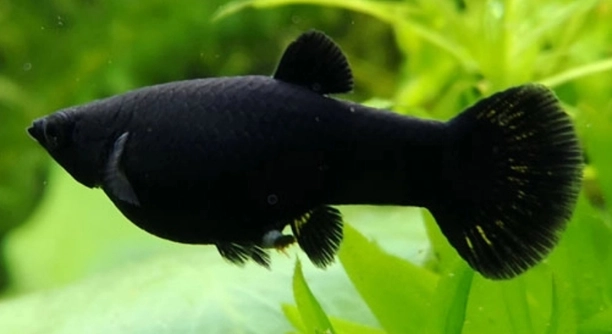
Many aquarium owners notice moments when their black molly stays still for long periods, creating a quiet pause in the tank that catches attention and encourages a closer look at their subtle aquatic behaviors today.
Black mollies often stay still because of stress, illness, water quality issues or normal resting behavior. These influences affect their metabolism and activity levels, causing extended periods of inactivity that signal underlying conditions requiring attentive assessment in their aquatic care.
Exploring the causes behind this stillness offers helpful insights that support healthier routines and more balanced conditions within your aquarium.
It seems like I can’t do more advanced data analysis right now. Please try again later.
xxxxxxxxxxxxxxxxxxx
Black mollies can remain still when they experience mild stress or subtle changes in their environment, and this behavior usually appears when something shifts in their routine. Small adjustments to lighting, temperature, or tank activity can influence how long they stay motionless during certain parts of the day at times.
Stillness in black mollies is often linked to water quality, and paying attention to these details can make care feel smoother. Ammonia, nitrate, and pH fluctuations can affect their comfort, encouraging them to pause rather than swim actively. Regular testing, gentle cleaning, and proper filtration help maintain balance that keeps them moving normally. Consistent routines support their natural rhythm and reduce moments of inactivity. When the water stays steady, they tend to show brighter behavior and steady movement. Observing their reactions to small changes can guide you toward adjustments that create a healthier space for them in their daily routine.
Temperature changes can also cause black mollies to stay still, especially when the tank becomes cooler or warmer than they prefer. Their bodies respond to shifts in heat by slowing movement, and this can last until the temperature settles. A stable heater and thermometer help prevent sudden swings that disrupt their comfort. Monitoring these conditions regularly encourages more natural activity. When the environment stays consistent, their behavior becomes easier to understand, and you may notice smoother patterns throughout the day. Balanced temperatures support their overall well being and reduce long pauses that might otherwise seem unusual or concerning to some keepers.
xxxxxxxxxxxxxxxxxxx
Feeding routines can influence how black mollies react throughout the day, and long pauses may appear when they expect food or process a recent meal. Overfeeding can slow them down while they digest, and underfeeding can lower their energy. Offering balanced portions on a consistent schedule helps support steady movement and reduces long moments of stillness that may seem unusual at first in many everyday tank situations that require stable habits and gentle care overall.
Black mollies rely on predictable conditions to stay active, and their behavior often responds to how consistently those conditions are maintained. When lighting schedules shift or remain too dim, they may pause for longer periods while adapting to the change. Strong currents can also make them settle in quieter spots to conserve energy. Providing moderate flow supports comfortable swimming without overwhelming them. Regular checks on filters, decor placement, and lighting help maintain an environment that feels safe and steady. When these elements stay balanced, black mollies show more confident activity that appears natural throughout the day, and those long still moments become much less frequent as their environment supports healthier daily patterns that encourage stable movement and reduce stress in their regular tank routine overall.
xxxxxxxxxxxxxxxxxxx
Lighting changes can affect how black mollies behave, and sudden shifts may lead them to remain still while adjusting. Soft, steady lighting helps them feel secure, and keeping a consistent schedule prevents long pauses that might appear when the tank becomes brighter or dimmer too quickly for their comfort.
Strong currents can also influence their movement, encouraging them to settle in calmer areas when the flow feels overwhelming. Adjusting the filter output and rearranging decor can create gentler zones that support steady swimming. When the water movement feels balanced, they show more natural patterns without extended stillness.
xxxxxxxxxxxxxxxxxxx
Black mollies respond to their surroundings, and noise or frequent disturbances around the tank can affect how active they remain. Loud sounds, tapping on the glass, or sudden movements may cause them to freeze for short periods while they assess the situation. Keeping the tank in a quieter area supports calmer behavior and smoother routines. Reducing unnecessary disturbances helps them feel more secure, encouraging them to swim naturally without long pauses. When the environment feels peaceful, they adapt more easily, and their activity levels appear more consistent. This stability contributes to their comfort and overall well being each day.
xxxxxxxxxxxxxxxxxxx
Resting patterns also play a role in how long black mollies stay still, especially during calmer parts of the day. Short periods of inactivity help them regain energy, and these pauses are normal when the environment supports predictable routines that allow them to settle comfortably for a little while.
FAQ
Why does my black molly stay still for hours?
Black mollies may stay still for hours due to stress, water quality issues, temperature changes, or natural resting habits. When they feel uncomfortable or unsafe, they conserve energy by remaining motionless. Observing their environment and routine helps determine if this behavior is temporary or a sign of concern.
Is it normal for black mollies to be inactive during the day?
Yes, it is normal for black mollies to have periods of inactivity. Like many fish, they have natural resting phases. These pauses often occur during quieter parts of the day, when they feel secure and are digesting food or conserving energy.
Can water quality make black mollies stop moving?
Absolutely. Poor water conditions, including high ammonia, nitrite, or nitrate levels, can make black mollies lethargic. Maintaining proper filtration, performing regular water changes, and monitoring pH levels are key to keeping them active and healthy.
Do black mollies get stressed easily?
Yes, black mollies are sensitive to changes in their environment. Sudden temperature shifts, overcrowding, strong currents, or aggressive tank mates can cause stress, leading them to remain still. Reducing stressors and keeping their habitat stable encourages more natural activity.
Could illness be the reason for prolonged stillness?
Illness is a common cause of extended inactivity. Signs include faded coloration, clamped fins, or labored breathing. If these appear alongside stillness, it may indicate a health issue. Early detection and treatment improve recovery and help prevent further complications in the tank.
Does temperature affect their activity levels?
Temperature directly affects metabolism in black mollies. Cooler water slows their movement, while excessively warm water can overheat them. Maintaining a stable, appropriate temperature range is essential for consistent activity and overall well being.
Does diet influence how active black mollies are?
Yes, diet impacts their energy levels. Overfeeding can lead to sluggishness, while underfeeding reduces energy reserves. Providing balanced portions on a regular schedule helps sustain their activity and reduces long periods of stillness.
Can tank placement impact their behavior?
Placement matters. Tanks near high-traffic areas or loud sounds can cause mollies to freeze or hide. Placing the aquarium in a quieter, stable environment reduces stress and encourages regular swimming patterns.
Are black mollies naturally calm fish?
Black mollies have naturally calm moments, and stillness can be part of their personality. While some fish are more active, black mollies balance swimming with resting phases. Understanding their temperament helps interpret their quiet behavior accurately.
How can I encourage my black molly to be more active?
Ensuring clean water, stable temperature, and minimal disturbances promotes movement. Adding plants or gentle hiding spots encourages exploration. A consistent feeding schedule and calm surroundings help them feel secure, increasing natural activity without forcing change.
When should I be concerned about stillness?
Prolonged stillness accompanied by visible illness or unusual behavior warrants attention. Signs like rapid gill movement, loss of appetite, or unusual swimming indicate a possible health issue. Addressing these promptly protects their well being and prevents deterioration.
Can social dynamics affect their activity?
Yes, tank mates influence behavior. Aggressive or overly dominant fish can intimidate black mollies, causing them to hide or remain still. Providing compatible companions and enough space ensures they swim comfortably and maintain natural routines.
How do I monitor my black molly’s health through activity?
Observing movement patterns, eating habits, and interactions with the environment provides insights into health. Consistent stillness or abrupt changes in activity can indicate stress or illness. Regular monitoring allows early intervention, helping mollies thrive in their habitat.
Is it normal for black mollies to hide and stay still?
Yes, hiding and remaining still is normal, especially when they feel threatened or need rest. Providing plants, decorations, and gentle water flow supports these natural behaviors without compromising overall activity and comfort.
Do black mollies require rest periods?
Black mollies need short resting periods to conserve energy and digest food. These pauses are natural and important for their metabolism. Observing them during quiet times can reveal patterns that reflect healthy daily routines.
How can I adjust the tank environment for better activity?
Adjust water flow, temperature, and lighting gradually to encourage movement. Adding plants or soft décor gives them exploration spaces. Consistency in feeding and maintenance supports a stable environment that promotes natural activity without causing stress.
Are black mollies more active at certain times of day?
Yes, they tend to be more active during well-lit periods when the tank is calm. Quiet times, especially when feeding is done, often result in stillness. Recognizing these patterns helps interpret inactivity as normal behavior rather than a problem.
Can overcrowding affect their stillness?
Overcrowding increases stress and reduces space to swim comfortably, prompting prolonged stillness. Ensuring appropriate stocking levels and compatible species reduces tension, encourages movement, and maintains a healthy social balance in the tank.
Does water chemistry stability matter for activity?
Stable water chemistry is crucial. Sudden pH swings, hardness changes, or contaminants make black mollies less active. Regular testing and gentle adjustments support predictable conditions, keeping them energetic and reducing long inactive periods in the tank.
Can I trust stillness as a sign of comfort?
Sometimes stillness reflects comfort, especially during resting periods or after feeding. Observing other indicators like healthy coloration, smooth swimming, and normal eating helps distinguish between restful behavior and potential problems requiring intervention.
How do I differentiate between resting and sickness?
Resting is brief and occurs alongside normal appearance and feeding. Sickness usually comes with visible signs like dull color, clamped fins, or unusual gill movement. Monitoring patterns over time helps distinguish between natural pauses and conditions that need attention.
What is the safest way to handle a still black molly?
Minimal disturbance is best. Avoid tapping the glass or moving tank decorations abruptly. Gentle observation, stable water conditions, and consistent feeding allow black mollies to resume natural movement without added stress, promoting both safety and well being.
How often should I check on inactive mollies?
Daily observation is enough for most cases. Note any sudden changes in movement, posture, or appetite. Keeping a simple log of activity helps identify patterns and catch potential problems early, supporting a healthier environment for long term care.
Final Thoughts
Black mollies are unique fish that display a variety of behaviors, including periods of stillness that may last for hours. Observing these quiet moments is important, as it helps in understanding their natural patterns and overall health. While prolonged inactivity can sometimes indicate stress, illness, or environmental issues, it is often part of their normal resting routine. Mollies, like many other fish, have natural cycles of activity and rest that contribute to their well-being. Noticing when they pause and when they swim actively gives insight into how comfortable they feel in their tank. Paying attention to subtle cues such as fin position, breathing patterns, and coloration can help differentiate between restful behavior and signs of discomfort. Understanding these differences allows for more informed care and can prevent unnecessary worry. Consistent observation is one of the most effective ways to ensure that your black molly remains healthy and stress-free in its environment.
Maintaining a stable environment is key to supporting black mollies’ activity levels. Water quality, temperature, and tank arrangement all play a role in how often they swim and how long they remain still. Regular water testing and partial water changes help keep ammonia, nitrate, and pH levels within safe ranges, which encourages normal activity. Stable water temperature prevents sudden drops or increases that could slow metabolism, while gentle currents create comfortable swimming conditions without overwhelming them. Proper feeding routines also contribute to healthy energy levels. Overfeeding or irregular meals can make them lethargic, while balanced portions at consistent times support natural behavior. Providing areas for rest, such as plants or decorations, allows mollies to retreat safely when they want to pause. These elements combined create an environment that feels secure, predictable, and comfortable, allowing them to display natural activity without prolonged stress or discomfort.
Observing black mollies closely helps in responding appropriately to their needs while allowing their natural behavior to shine. Long periods of stillness are not always a cause for concern, but when paired with other changes in appearance or appetite, they can indicate underlying issues that need attention. Supporting their health involves a combination of consistent care, proper tank management, and careful monitoring. Simple adjustments, such as stabilizing water conditions, maintaining a proper feeding schedule, and minimizing disturbances, make a significant difference in their daily life. Over time, these efforts help mollies feel secure and confident, allowing them to move naturally and rest when needed. Recognizing their quiet moments as a part of their routine, while staying attentive to potential warning signs, ensures that they thrive in a well-maintained environment. By understanding the balance between activity and stillness, caretakers can provide a space that promotes long-term health, comfort, and steady behavior for black mollies.

Hello,
If you enjoy the content that we create, please consider saying a "Thank You!" by leaving a tip.
Every little bit helps us continue crafting quality advice that supports the health, happiness, and well-being of pets around the world, for pets of all shapes, sizes, and species.
We really appreciate the kindness and support that you show us!