
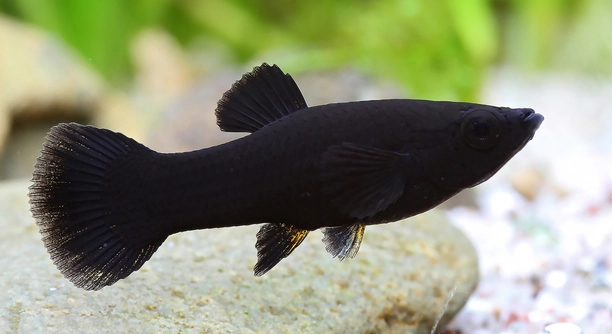
Do you enjoy keeping Black Mollies but find yourself observing them closely without much interaction? These small, elegant fish are known for their calm demeanor, yet their behavior around humans can be unpredictable and cautious.
Black Mollies can be trained to eat from the hand through consistent, gentle feeding and patience. Repetition and a calm environment help them associate hands with food, gradually reducing fear and encouraging interaction over time.
Learning the proper approach to hand-feeding Black Mollies can enhance your connection with them and make daily care more engaging. Understanding their behavior ensures a smoother, safer experience for both you and your fish.
Understanding Black Molly Behavior
Black Mollies are naturally cautious and tend to keep a distance from anything unfamiliar in their environment. They are active swimmers, often exploring the upper and middle layers of the tank. These fish respond to consistent routines, especially feeding times, and can learn to recognize their caretaker’s presence. Bright lighting, sudden movements, or loud noises can startle them, so maintaining a calm environment is essential. Observing their body language, such as fin movements and swimming patterns, helps in understanding when they are comfortable or stressed. Over time, with repeated exposure to your hand at feeding time, they can begin to associate your presence with food rather than danger. Tank mates also affect behavior; aggressive or fast-swimming fish can make Black Mollies more hesitant. Temperature, water quality, and diet influence their willingness to interact, so ensuring stable and clean conditions increases the likelihood of successful hand-feeding. Patience and consistency are key components in fostering their trust and reducing fear.
Hand-feeding Black Mollies requires gentle, slow movements and consistent timing to build trust gradually.
Creating a safe and calm environment is the first step. Begin by placing small amounts of food near your hand while it is stationary in the tank. Avoid sudden motions or tapping on the glass, as this can scare them away. Over days and weeks, you may notice them approaching closer, testing their comfort level. Using a small pinch of food directly from your hand encourages them to take it, rewarding bravery without forcing interaction. Temperature and water conditions should remain stable, as stressed fish are less likely to respond positively. If one Mollie approaches, allow others to follow at their own pace. Consistency matters more than speed; a regular routine at the same time each day reinforces their understanding that your hand is a source of food, not a threat. With persistence, they may even begin to swim toward your hand before food is placed.
Tips for Successful Hand-Feeding
Start with short, calm feeding sessions daily, keeping your hand stationary.
Introduce food slowly, allowing each fish to approach on its own schedule. Avoid forcing them or moving your hand abruptly. Begin with small flakes or pellets that float easily near the surface, making it simple for the fish to take the food. Observe which fish are more hesitant and give them extra time to adjust. Over time, reduce the distance between your hand and the fish, allowing them to become comfortable feeding directly from your palm. Maintaining a predictable routine at the same time each day helps them recognize your presence as a positive experience. Clean water and stable conditions are essential, as stressed fish will resist interaction. Small gestures, such as leaving your hand still for a few minutes after feeding, reinforce trust.
Repeated, patient practice builds confidence in Black Mollies. Start each session with calm movements, gradually offering food closer to your fingers. Allow them to explore and take food at their own pace. Avoid sudden gestures, as this can undo progress and make them fearful again. Using high-quality, easy-to-grasp food encourages participation and ensures they remain healthy. Rotate feeding locations slightly to prevent boredom and stimulate curiosity, but always maintain a calm approach. A few fish may never fully eat from the hand, which is normal, and focusing on gradual improvement keeps the experience positive. Understanding individual fish preferences helps tailor the approach, making hand-feeding enjoyable and stress-free. Eventually, with patience and consistency, most Black Mollies will respond positively, swimming toward your hand confidently. Observing their progress closely allows for adjustments, ensuring that each feeding session strengthens their trust and interaction with you.
Common Challenges When Hand-Feeding
Black Mollies may hesitate to take food directly from your hand at first. They can be easily startled by sudden movements, changes in water conditions, or the presence of faster, more aggressive tank mates. Consistency and patience are essential to overcome this initial wariness.
Stress and fear are the main reasons Mollies resist hand-feeding. Rapid movements or tapping on the tank create a negative association with your hand. Water temperature fluctuations and poor water quality also make them skittish. Observing individual behavior helps identify which fish are more hesitant, allowing you to adjust your approach. Using small portions and calm, slow movements reduces stress. Over time, repeated exposure under consistent conditions gradually builds trust. It is important to respect each fish’s pace and avoid forcing interaction.
Competition from other fish can interfere with hand-feeding sessions. Faster or more aggressive tank mates often dominate the food, making timid Black Mollies reluctant to approach. Separating feeding areas or temporarily using a smaller feeding container can help ensure all fish have access. Additionally, inconsistent feeding times can create uncertainty, causing them to retreat. Monitoring the tank during feeding allows you to observe progress and make adjustments, such as removing more dominant fish temporarily or spacing out feeding sessions. Gradual, calm exposure strengthens trust, and over time, timid Mollies may gain confidence to eat from the hand. Maintaining stable water conditions and minimizing sudden changes ensures they remain comfortable.
Encouraging Consistency in Training
Feeding at the same time each day encourages Mollies to recognize patterns and reduces fear. Consistency strengthens their association between your hand and food.
Start by creating a simple routine: place your hand in the tank for a few minutes at the same time each day, offering small amounts of food. Keep movements slow and deliberate, allowing each fish to approach when ready. Consistency not only helps them feel secure but also reinforces the idea that your hand is not a threat. Rewarding even small steps, like swimming closer or nibbling near your hand, encourages them to progress. Avoid rushing the process; patience ensures long-term success and a calmer, more interactive environment.
Tracking progress helps refine the approach. Note which fish respond faster and which need more time. Adjust session length and feeding techniques based on individual behavior. Some Mollies may never fully eat from the hand, and that is normal. Using high-quality, easy-to-grab food ensures nutrition and encourages participation. Over time, consistent training can increase confidence, improve feeding efficiency, and strengthen the interaction between you and your fish. Observation, patience, and stability remain key to successful hand-feeding, allowing even timid Black Mollies to gradually become comfortable and engaged.
Choosing the Right Food
Small, easily handled food works best for hand-feeding Black Mollies. Flakes, micro-pellets, or finely crushed food allow them to take bites safely without hesitation.
Avoid large or hard pieces that may scare or injure them. Consistency in food type helps them associate your hand with a predictable and safe source of nutrition.
Proper Hand Positioning
Keep your hand steady and close to the water surface. Slow, deliberate movements prevent startling the fish. Fingers slightly curved create a stable area for them to approach and take food. Maintaining this position allows gradual comfort and encourages repeated interaction during feeding sessions.
Handling Timid Mollies
Some Black Mollies remain cautious despite repeated attempts. Reducing distractions in the tank, feeding in smaller groups, and using gentle, consistent gestures can gradually build their confidence. Avoid forcing interaction, as pressure may increase fear and prolong the process.
Monitoring Behavior
Observe swimming patterns and fin movements during hand-feeding. These signs indicate comfort, hesitation, or stress. Adjust your approach based on their reactions, ensuring sessions remain calm, positive, and stress-free for better long-term success.
FAQ
Can all Black Mollies be trained to eat from hand?
Not all Black Mollies will eat from your hand, as individual temperaments vary. Some fish are naturally more cautious and may never fully trust direct contact. Success depends on patience, consistency, and observing each fish’s comfort level. Even small improvements, like approaching your hand or nibbling near it, count as progress.
How long does it take for Black Mollies to start hand-feeding?
The time frame varies depending on the fish’s personality, tank conditions, and your approach. Some Mollies may respond within a few days, while others take weeks or even months. Daily, consistent sessions of a few minutes encourage gradual comfort and trust without overwhelming them.
What is the best type of food for hand-feeding?
Small, easily handled foods like flakes, micro-pellets, or finely crushed dry food are ideal. Avoid large or hard pieces, which may intimidate timid fish. Floating foods allow fish to take bites safely from your hand, reducing stress during feeding.
Should I feed all my fish together during hand-feeding sessions?
It is better to observe the dynamics of your tank. Faster or more aggressive tank mates can prevent timid Black Mollies from approaching. Feeding in smaller groups or temporarily separating dominant fish can help shy Mollies gain confidence and reduce competition during hand-feeding.
How should I position my hand in the tank?
Keep your hand steady and near the water surface. Slow, deliberate movements prevent startling them. Slightly curved fingers create a stable area for food, giving Mollies a safe place to approach. Maintaining a calm posture encourages repeated positive interactions over time.
What should I do if my Black Mollies are still afraid after weeks?
Patience is essential. Avoid forcing interaction, and continue slow, consistent sessions. Ensure tank conditions are stable, and reduce distractions or sudden movements. Reward small steps, like swimming closer to your hand, to gradually build confidence without creating stress.
Can Black Mollies get stressed from hand-feeding?
Yes, sudden movements, loud noises, or inconsistent routines can stress them. Stress can make Mollies retreat or refuse food. Keeping sessions short, calm, and consistent helps maintain a positive feeding experience, ensuring that the fish associate your hand with safety rather than danger.
How often should I practice hand-feeding?
Daily sessions of a few minutes are ideal. Consistency strengthens trust and helps Mollies recognize your hand as a safe source of food. Avoid overfeeding, and maintain regular tank maintenance to ensure the environment remains comfortable and stress-free.
Is it okay if only some Mollies eat from the hand?
Yes, individual differences are normal. Some fish are bolder, while others remain shy. Focus on gradual improvement and rewarding small steps. Over time, even the most timid fish may become comfortable, but it’s important to respect their pace to maintain trust.
Will hand-feeding improve my bond with the fish?
Hand-feeding can enhance interaction by creating a routine they learn to associate with safety and food. Even if not all Mollies eat directly from your hand, observing and guiding them during feeding builds familiarity and reduces stress. Consistent practice encourages more confident and engaged behavior.
Can I train Black Mollies to take food from other objects, like tongs or feeding sticks?
Yes, using feeding sticks or tongs works similarly to hand-feeding. The goal is to create a positive association between the object and food. Gradually, fish may approach other tools just as they would a hand, providing alternative methods if direct hand-feeding is challenging.
Does water temperature affect hand-feeding success?
Stable, appropriate water temperature is important. Extreme fluctuations or incorrect temperatures can make Mollies lethargic or skittish, reducing willingness to approach. Maintaining optimal conditions helps ensure they are comfortable, alert, and ready to respond during feeding sessions.
Are there risks in hand-feeding Black Mollies?
When done carefully, risks are minimal. Sudden movements or rough handling can stress or injure them. Using clean hands, gentle movements, and proper food sizes ensures safe interactions. Observing behavior closely allows adjustments to prevent any negative outcomes.
Can hand-feeding help with shy fish in community tanks?
Yes, creating a calm, consistent feeding routine allows timid fish to gain confidence. Separating dominant or fast-moving tank mates during feeding reduces competition and encourages shy Black Mollies to approach food without fear. Over time, shy fish may become more active and responsive.
How do I know if my Black Mollies are comfortable during hand-feeding?
Signs of comfort include swimming near your hand, nibbling food, and returning for repeated sessions. Hesitation, darting away, or hiding indicates stress or fear. Adjusting your approach, keeping movements slow, and rewarding small steps helps them gradually gain confidence and trust.
Black Mollies are fascinating fish that respond well to calm and consistent care. Hand-feeding them is not just about providing food; it is also a way to observe their behavior closely and understand their individual personalities. Some fish are naturally bolder and will approach quickly, while others remain cautious and may take longer to feel comfortable. Patience is key, as forcing interaction can cause stress and set back progress. Maintaining a steady routine, providing a gentle approach, and observing their reactions ensures that the experience is positive for both the fish and the caretaker. Over time, even timid Mollies may begin to trust and interact with your hand, creating a more engaging and rewarding aquarium environment.
Consistency in feeding times and methods plays a major role in building trust. Black Mollies are creatures of habit and respond best to predictable patterns. Placing food near your hand at the same time each day helps them associate your presence with nourishment rather than danger. Small, easily handled foods, such as flakes or micro-pellets, are ideal for hand-feeding because they are less intimidating and allow the fish to take bites safely. Keeping sessions short and calm prevents overwhelming the fish and reduces stress. Observing the tank carefully allows you to notice which fish are progressing and which need more time. Recognizing small steps, such as swimming closer to your hand or nibbling near it, is important. These moments of progress indicate that trust is slowly being established and reinforce the value of patience and gentle persistence.
A calm, stable environment is essential to successful hand-feeding. Black Mollies are sensitive to sudden movements, loud noises, and changes in water conditions, all of which can create fear and reluctance to approach. Ensuring optimal water temperature, quality, and minimal distractions encourages confident behavior. Interaction is a gradual process, and each fish may progress at its own pace. Even if only a few fish ultimately eat directly from the hand, the experience of observing and engaging with them regularly enriches their environment and strengthens your connection with them. By focusing on gentle, consistent techniques and respecting the fish’s natural behaviors, hand-feeding becomes a rewarding practice that benefits both the Mollies and the caretaker, making daily care more enjoyable and interactive.

Hello,
If you enjoy the content that we create, please consider saying a "Thank You!" by leaving a tip.
Every little bit helps us continue crafting quality advice that supports the health, happiness, and well-being of pets around the world, for pets of all shapes, sizes, and species.
We really appreciate the kindness and support that you show us!