
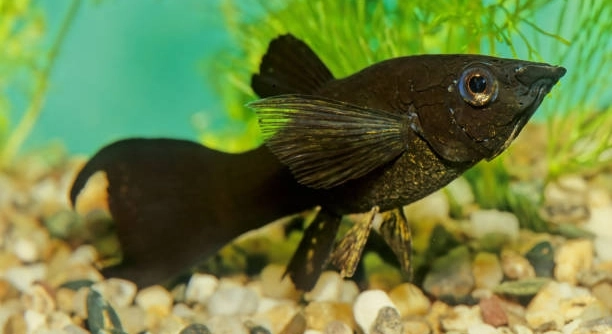
Black Mollies are small, peaceful fish that many enjoy keeping in home aquariums. Their gentle movements and shiny scales make them appealing, but understanding their habits, including sleep patterns, helps maintain a healthy tank environment.
Black Mollies do not sleep at strictly fixed times like humans. They exhibit periods of rest where activity slows, usually during dim lighting or nighttime. These periods are influenced by environmental factors rather than an internal clock.
Observing these patterns can help you create a stable habitat. Maintaining consistent lighting and a calm environment supports their natural resting behavior.
How Black Mollies Rest
Black Mollies do not have eyelids, so their sleep can be hard to notice. Instead, they slow down, hover in one spot, and reduce movement. In dim or low-light conditions, this resting behavior is more apparent. Providing hiding spots, like plants or caves, helps them feel secure while resting. Their metabolism also slows during these periods, conserving energy. Feeding patterns can affect rest, as overfeeding may make them more active or restless. Temperature plays a role too; cooler water encourages slower movements and longer rest periods. Observing your fish over days helps you understand their typical rhythm. Consistent lighting schedules are beneficial because sudden changes can disturb rest. Mollies often rest near the bottom or among plants. Gentle water flow is preferred during these times to avoid unnecessary stress. By recognizing their cues, you can ensure they get enough rest to stay healthy.
Providing adequate rest areas improves overall behavior and reduces stress in your aquarium.
Awareness of these resting habits lets you design the tank for comfort. Plants, rocks, and soft substrates create natural hiding spaces. Consistent lighting schedules mimic natural conditions, supporting normal activity and rest cycles. Avoid sudden changes in water temperature or flow, as these can interrupt rest periods. By monitoring their activity, you will notice patterns in feeding, movement, and hiding that indicate when they are resting. A calm environment helps prevent unnecessary stress, which can affect health. Observing interactions among fish is also important, as dominant individuals may disturb others’ rest. Feeding smaller amounts more frequently supports steadier energy levels, reducing restless behavior. Over time, you will see predictable periods of activity and rest, helping you care for their needs. Ultimately, paying attention to these factors ensures Black Mollies remain healthy and display natural behaviors that make them enjoyable to keep.
Factors Affecting Mollies’ Sleep
Lighting and tank conditions influence rest. Sudden changes can disturb their rhythm.
Temperature, water quality, and tank setup all affect how Black Mollies rest. High temperatures may increase activity, while poor water quality causes stress, reducing natural rest. Providing hiding spots helps them feel safe. Tank mates also influence sleep; aggressive or active fish can prevent proper rest. Feeding schedules play a role, as consistent times encourage predictable activity and rest cycles. Mollies are more likely to rest during dim light or nighttime hours. Observation of these patterns ensures optimal care.
Water quality, temperature, and tank design play major roles in mollies’ resting behavior. Maintaining stable water parameters is essential because fluctuations can increase stress and reduce rest. Ideal temperature ranges and proper filtration support normal activity and metabolic balance. Plants, rocks, and other decor provide necessary shelter, letting fish rest without feeling threatened. The type and number of tank mates impact rest as well; more aggressive species may disrupt periods of inactivity. Light schedules influence sleep, with dim or off lighting simulating natural nighttime conditions. Feeding routines also matter; consistent small feedings prevent overactivity or restlessness. Overfeeding can lead to prolonged swimming or searching for food, disturbing their rest patterns. By carefully managing these factors, you create an environment where Black Mollies can maintain natural rhythms, stay healthy, and display their typical calm behavior during rest periods.
Signs Your Black Molly is Resting
Black Mollies slow down, hover, or remain near plants when resting. Fins may move slightly, but activity is minimal. They may also stay near the bottom or in shaded areas. Observing these behaviors consistently helps distinguish rest from illness or stress.
Resting patterns become clear when you watch your fish over several days. They tend to choose familiar hiding spots and reduce movement for extended periods. During rest, their gill movements may slow slightly, and they often appear calm compared to active swimming times. Stress, water changes, or sudden light shifts can interrupt these periods, so noticing their usual habits helps in maintaining a stable environment.
Other subtle signs include temporary color dulling and reduced feeding interest. Mollies may tuck their tails closer to their bodies or hover quietly among decorations. By recognizing these cues, you can provide conditions that support natural resting behavior. Adjusting lighting, feeding schedules, and tank setup ensures periods of calm are not disturbed, promoting overall health and well-being. Observing multiple fish together also helps identify patterns and differences in rest habits among individuals.
Creating the Right Environment for Sleep
Stable lighting, temperature, and hiding spots are crucial for proper rest. Avoid sudden changes to keep their rhythm consistent.
A comfortable tank setup encourages natural rest behavior. Plants, rocks, and gentle water flow provide shelter and calm areas for resting. Temperature consistency is important because fluctuations can increase activity or stress, reducing rest. Proper filtration maintains water quality, preventing stress-related disruptions. Observing fish to identify preferred resting spots helps optimize tank layout. Feeding routines should be regular, as unpredictable schedules may disturb their sleep.
Combining these elements ensures Black Mollies rest naturally and remain healthy. Soft lighting, smooth water flow, and secure hiding places let them relax without feeling threatened. Tank maintenance, including water changes and temperature control, supports stable conditions. Monitoring activity patterns helps refine their environment, as some fish may prefer deeper areas while others hover near plants. Feeding at consistent times prevents overactivity or restlessness, encouraging predictable rest periods. By balancing these factors, you create a tank that allows mollies to thrive, maintain energy, and display natural behaviors.
Common Misconceptions About Molly Sleep
Many assume Black Mollies sleep like humans, closing their eyes at night. In reality, they rest with open eyes and reduced movement, making it easy to misinterpret their behavior.
Some think rest only occurs at night, but mollies adjust based on light and tank conditions.
Impact of Tank Mates on Rest
Tank mates influence rest significantly. Aggressive or overly active fish can disturb mollies, forcing them to hide or swim continuously. Peaceful companions and compatible species help maintain natural resting periods. Observation of interactions allows you to adjust tank composition and promote calm periods for all fish.
Feeding Schedule and Rest Patterns
Regular feeding supports predictable activity and rest cycles. Inconsistent or excessive feeding can lead to restless behavior, disrupting periods of rest. Maintaining steady feeding routines helps Black Mollies settle into normal rhythms and remain healthy over time.
Water Quality and Sleep
Poor water conditions increase stress and reduce rest. Regular filtration, monitoring pH, and maintaining temperature stability support proper resting behavior.
How can I tell if my Black Molly is sleeping?
Black Mollies do not close their eyes when they rest. Instead, they hover quietly, reduce movement, and often stay near plants, decorations, or shaded areas. Observing their behavior over several days helps identify patterns. A resting Molly will appear calm, with slow gill movements and minimal fin activity.
Do Black Mollies have a set sleep schedule?
Black Mollies do not follow a strict sleep schedule. Their rest periods are influenced by environmental factors such as lighting, tank temperature, water flow, and the presence of tank mates. Dim lighting or nighttime conditions usually encourage slower movements, but each fish may have slightly different resting times.
Can tank mates affect their rest?
Yes, the presence of aggressive or overly active fish can disturb Black Mollies’ rest. If they feel threatened, they may hide or remain active instead of resting. Peaceful tank mates and adequate hiding spots help mollies maintain calm periods and proper rest cycles.
Does water quality impact sleep?
Water quality has a direct effect on rest. Poor water conditions, including high ammonia, nitrite, or nitrate levels, create stress that prevents mollies from resting naturally. Consistent filtration, water changes, and monitoring pH and temperature are essential for stable sleep patterns.
Do Black Mollies sleep at night or during the day?
Black Mollies adjust their rest based on light conditions rather than a fixed day-night schedule. They usually rest during dim or off-light periods, but sudden changes in lighting or disturbances can interrupt rest. Providing a consistent light schedule helps them establish more predictable rest periods.
Can overfeeding affect their resting behavior?
Overfeeding can lead to restlessness and continuous swimming as they search for leftover food. Feeding small, consistent amounts encourages predictable activity and helps mollies settle into natural resting periods, maintaining overall health and calm behavior.
What are the signs of stress that interfere with rest?
Signs of stress include erratic swimming, hiding excessively, color dulling, and loss of appetite. Stressful conditions, such as poor water quality, sudden temperature changes, or aggressive tank mates, can prevent proper rest. Observing behavior and making adjustments ensures mollies get adequate rest.
Do environmental decorations impact sleep?
Yes, plants, rocks, and caves provide secure spaces for resting. Mollies often choose these areas to reduce exposure to light and feel safe. Proper tank layout with multiple hiding spots allows them to rest without disturbance, supporting natural behavior and overall health.
How long do Black Mollies typically rest?
Rest periods vary depending on environment and individual behavior. They may rest for several hours at a time, often during dim light conditions. Observing patterns over days helps establish typical durations, ensuring the tank environment supports these needs.
Can lighting schedules improve their sleep?
Consistent lighting schedules are essential. Sudden changes can disturb rest, while regular light and dark periods mimic natural conditions. Using timers ensures mollies experience predictable activity and rest cycles, reducing stress and encouraging healthy behavior throughout the day and night.
Do juvenile mollies rest differently than adults?
Younger mollies may have shorter or less predictable rest periods due to higher activity levels and growth requirements. Adults usually display more defined resting behavior. Providing proper tank conditions supports both juvenile and adult rest without disturbance.
What should I do if my mollies are not resting?
Check water quality, temperature, and tank mates. Ensure hiding spots and plants are available. Maintain consistent feeding and lighting schedules. Observing their behavior and adjusting environmental conditions usually restores normal rest patterns. Consistency and patience are key to supporting healthy sleeping behavior.
This FAQ addresses the main concerns regarding Black Mollies’ rest. By observing behavior, maintaining proper tank conditions, and providing stable feeding and lighting routines, you can ensure your mollies experience natural resting periods and maintain overall well-being.
Black Mollies are fascinating fish that offer both beauty and gentle activity to an aquarium. Understanding their resting habits is important for maintaining a healthy environment. Unlike humans, they do not close their eyes when resting. Instead, they slow down, hover in place, and often seek out shaded areas or plants where they feel secure. Observing these behaviors over time helps owners distinguish between normal rest and signs of stress or illness. Providing a calm environment with stable conditions ensures that Black Mollies can rest naturally, supporting their overall health and well-being.
Proper tank management is key to encouraging natural resting behavior. Consistent lighting schedules, regular feeding routines, and stable water conditions all play a significant role. Mollies adjust their activity based on light and tank conditions, so sudden changes can interrupt their periods of rest. Including hiding spots such as plants, rocks, or decorative shelters allows them to feel secure while resting. Additionally, tank mates should be chosen carefully, as overly active or aggressive fish can disturb their calm periods. By monitoring behavior and making small adjustments, it is possible to create an environment that supports both activity and proper rest for Black Mollies.
Resting patterns also reflect the overall health of the fish. Overfeeding, poor water quality, and temperature fluctuations can lead to restlessness, stress, or reduced natural behavior. Observing your fish for signs of calm hovering, slow movements, and reduced fin activity provides insight into their comfort and security in the tank. Juvenile mollies may have less predictable rest compared to adults, but the same environmental considerations apply. By maintaining consistency and attention to detail, Black Mollies can develop predictable periods of activity and rest. This allows them to thrive, displaying their natural beauty and behavior while remaining healthy and energetic over the long term.

Hello,
If you enjoy the content that we create, please consider saying a "Thank You!" by leaving a tip.
Every little bit helps us continue crafting quality advice that supports the health, happiness, and well-being of pets around the world, for pets of all shapes, sizes, and species.
We really appreciate the kindness and support that you show us!