
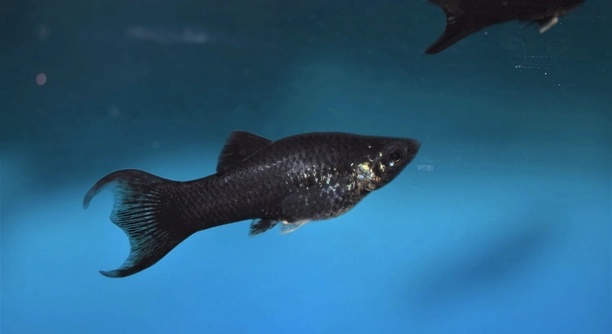
Have you ever noticed your Black Molly swimming nervously or hiding in the corners of the tank? Many owners find their fish seem tense despite a clean aquarium. Small changes in the water can help calm them effectively.
Adjusting the water conditions in your tank can significantly reduce stress in Black Mollies. Maintaining stable temperature, pH, hardness, and cleanliness creates a comfortable environment, promoting natural behavior and overall wellbeing for these freshwater fish in captivity.
These simple water tweaks can transform your tank into a more peaceful space for your Black Molly, making daily care easier and more rewarding.
Keep Temperature Stable
Black Mollies are sensitive to sudden temperature changes. Keeping your tank within 76–82°F helps them stay calm. Rapid shifts can trigger stress, causing erratic swimming or hiding. A reliable heater and thermometer are essential to maintain consistency. Avoid placing the tank near windows or vents where drafts or sunlight can create fluctuations. Even a small swing of a few degrees can disrupt their comfort, affecting appetite and activity. Regularly checking water temperature in the morning and evening ensures stability. When introducing new fish or performing water changes, make sure the new water matches the tank temperature closely. Using a gradual acclimation method prevents shock. Keeping temperature stable also supports their immune system, reducing susceptibility to disease. It’s a small effort that makes a noticeable difference in behavior. Over time, your Black Molly will appear more relaxed and display natural swimming patterns consistently in a stable environment.
Stable water temperature encourages healthy behavior, reducing nervous or skittish reactions. Consistent heat promotes feeding and overall wellbeing in Black Mollies.
Regularly monitoring temperature helps avoid sudden stress. It also improves breeding conditions for Black Mollies. Observing patterns in activity can indicate comfort levels.
Maintain Proper pH Levels
Black Mollies thrive in slightly alkaline water, ideally with a pH of 7.5–8.0. Testing your water weekly allows you to catch shifts early. Using a buffering agent or regular partial water changes keeps the pH steady. Sudden swings can cause stress, leading to dull colors or loss of appetite. If your tap water is naturally acidic, consider adding crushed coral or limestone to raise pH safely. Make changes slowly to prevent shock, adding adjustments in small increments over several days. A stable pH encourages normal swimming, feeding, and social behavior. Avoid mixing water sources with widely different pH levels, as this can confuse the fish and disrupt their internal balance. Even minor fluctuations can affect their comfort. Over time, consistent pH creates a calmer, more vibrant Black Molly that interacts naturally with tank mates and explores the aquarium confidently, rather than hiding or darting nervously.
Regular pH balance directly influences a Black Molly’s stress levels, color, and activity. Consistency is key for their comfort.
Testing and adjusting pH gradually protects your fish from sudden stress. Weekly monitoring, small water adjustments, and natural buffering materials help maintain a calm environment. This stability allows Black Mollies to thrive, display vibrant coloration, and interact confidently. Avoid rapid changes, which can lead to illness, loss of appetite, or unusual behavior. Ensuring pH stays within the optimal range supports natural reproduction patterns and helps maintain healthy scales and fins. Pairing pH control with proper temperature, hardness, and cleanliness creates a comprehensive approach to tank care. By observing their reactions over time, you can fine-tune conditions for each fish. A calm, stable habitat encourages exploration, social interaction, and feeding. Even small, thoughtful water adjustments can make a noticeable difference in daily behavior. Keeping this consistent prevents long-term stress and improves overall health, letting your Black Mollies feel secure and comfortable in their home.
Regular Water Changes
Frequent water changes prevent toxin buildup, keeping Black Mollies calm and healthy. Replacing 20–25% weekly maintains clarity and stability, removing nitrates and ammonia. Consistent cleaning reduces stress and supports natural behavior in the tank.
Performing regular water changes helps maintain a balanced environment. Even small amounts of waste can impact water chemistry, making fish uneasy or aggressive. Partial changes avoid shocking the system while still removing harmful compounds. Using a siphon during water changes also cleans debris from substrate, preventing accumulation that could affect water quality. Make sure replacement water matches temperature and pH to avoid sudden changes. Over time, Black Mollies respond positively, showing more confidence in swimming and feeding, with less hiding or darting around.
Cleaning the tank doesn’t have to be disruptive. Gradual water replacement, careful siphoning, and monitoring parameters keep the habitat healthy. Black Mollies thrive in consistently fresh, clean water, displaying calmer and more natural behavior. Regular maintenance builds a reliable routine for both fish and caretaker.
Adjust Water Hardness
Black Mollies prefer moderately hard water between 10–20 dGH. Hardness influences stress levels, reproduction, and overall activity. Testing ensures the tank stays within the ideal range.
Maintaining proper hardness supports physiological functions, including osmoregulation, which helps fish control internal salt balance. Too soft or too hard water can disrupt these processes, leading to stress and weakened immune responses. If levels are too low, adding mineral supplements or crushed coral gradually increases hardness without shocking the fish. Conversely, partial water changes with softer water can adjust excessive hardness. Proper hardness also interacts with pH stability, helping prevent sudden chemical swings that unsettle Black Mollies.
Hardness affects daily behavior, from swimming patterns to feeding frequency. Consistently balanced water fosters calmness, natural coloration, and healthier social interactions. Monitoring hardness alongside temperature and pH ensures a stable, stress-free environment, allowing Black Mollies to thrive and interact comfortably in the tank.
Reduce Chlorine and Chloramines
Chlorine and chloramines in tap water stress Black Mollies and damage gills. Using a water conditioner neutralizes these chemicals before adding water to the tank, creating a safer, calmer environment for your fish.
Even small amounts of untreated tap water can cause erratic swimming or gasping at the surface. Treating water consistently protects their health and reduces stress, helping them behave naturally and stay active throughout the day.
Gentle Filtration
A strong, harsh filter can create currents that overwhelm Black Mollies. Using a gentle filter provides adequate cleaning without disturbing their swimming or hiding behaviors, keeping the tank calm and balanced.
Limit Sudden Water Changes
Drastic or frequent changes in water chemistry shock Black Mollies. Gradual adjustments help them adapt and maintain a steady, stress-free environment, preventing erratic behavior and promoting long-term health.
FAQ
How often should I change the water for my Black Molly?
Weekly partial water changes of 20–25% are ideal. This keeps nitrate and ammonia levels low without shocking the fish. Always make sure the new water matches the tank’s temperature and pH to prevent stress. Gradual changes maintain stability and help your Black Mollies remain calm and active.
What is the best temperature for Black Mollies?
They thrive between 76–82°F. Using a reliable heater and thermometer ensures consistency. Sudden drops or spikes can cause stress, hiding, or erratic swimming. Even small fluctuations affect appetite and behavior, so monitoring daily helps maintain a stable, comfortable environment.
How do I check pH levels?
Use a simple liquid test kit or digital meter weekly. Black Mollies prefer slightly alkaline water around 7.5–8.0. Slowly adjust pH using crushed coral or buffering agents if needed. Rapid changes can shock fish, so small increments over several days are safer.
Why is water hardness important?
Moderate hardness between 10–20 dGH helps fish regulate salts in their bodies. Too soft or too hard water stresses them and can weaken their immune system. Adjust hardness gradually with mineral supplements or partial water changes to maintain balance.
Can tap water be used directly?
No, tap water often contains chlorine or chloramines, which harm gills and cause stress. Use a water conditioner to neutralize these chemicals before adding water to the tank. Treating water consistently prevents erratic swimming and supports healthy, relaxed fish.
How do I prevent strong currents in the tank?
Use a gentle filter instead of a high-flow model. Black Mollies prefer calm water. Strong currents make them nervous and can cause fatigue. Positioning decorations or plants can also help diffuse flow, giving the fish areas to rest and feel secure.
How much should I feed my Black Mollies?
Feed small amounts once or twice daily. Overfeeding pollutes the water and increases stress. Remove uneaten food after a few minutes. A balanced diet with flake, frozen, or live foods supports energy, color, and overall wellbeing.
Can tankmates affect stress levels?
Yes, aggressive or overly active fish increase stress. Keep Black Mollies with peaceful species. Crowding or constant chasing causes hiding and erratic swimming. Providing plants or decorations offers shelter, helping them feel secure in their environment.
How can I tell if my Black Molly is stressed?
Signs include hiding, rapid swimming, loss of appetite, faded color, or clamped fins. Stress often stems from poor water quality, sudden changes, or incompatible tankmates. Observing behavior daily helps catch issues early and correct them before they impact health.
What’s the safest way to introduce changes?
Make gradual adjustments. For temperature, pH, hardness, or water volume, small incremental changes over several hours or days prevent shock. Sudden shifts create stress, reduce immunity, and can lead to disease. Consistency is more important than speed when improving tank conditions.
Are plants helpful for Black Mollies?
Yes, live plants reduce stress by offering hiding spots and stabilizing water chemistry. Floating plants soften light and create sheltered areas, allowing fish to rest. Plants also help maintain water quality by absorbing nitrates and providing oxygen, supporting a calmer, healthier environment.
How do I maintain overall tank calmness?
Combine stable temperature, proper pH, moderate hardness, gentle filtration, and regular water changes. Avoid sudden changes in environment or aggressive tankmates. Consistent maintenance keeps Black Mollies relaxed, feeding well, and displaying natural behavior, making daily care more enjoyable and rewarding.
This FAQ addresses common issues and provides actionable tips to help Black Mollies stay relaxed. Consistent care and careful monitoring of water parameters significantly reduce stress and promote healthy, active fish.
Word count: 507
Black Mollies are sensitive fish that respond strongly to their environment. Small changes in water quality, temperature, and hardness can make a noticeable difference in their behavior. Maintaining stable conditions is the easiest way to help them feel secure and calm. When water is consistent and free of toxins, Black Mollies display natural swimming patterns, interact well with other tank mates, and show healthy color. Even minor fluctuations can cause stress, which may appear as hiding, clamped fins, or loss of appetite. By paying attention to these small details, you create a peaceful environment where the fish can thrive without unnecessary worry or tension. Consistency in care builds a stable home that supports both health and behavior.
Water changes, proper pH, and appropriate hardness are all part of creating a comfortable habitat. Each factor works together to maintain balance in the tank. Water changes remove waste and reduce toxins that could cause nervous behavior or illness. Keeping pH slightly alkaline and water hardness moderate ensures physiological processes function properly, allowing the fish to maintain energy and health. Temperature control is also crucial, as fluctuations can weaken the immune system and increase stress levels. By managing these elements carefully and gradually, you prevent sudden shocks that upset your fish. Regular monitoring and small adjustments over time have a greater impact than large, abrupt changes. Observing your Black Mollies’ behavior daily helps you notice signs of discomfort early and take action before problems develop.
Other factors, like gentle filtration, water treatment, and a calm tank environment, also influence their wellbeing. Strong currents, untreated tap water, and aggressive tankmates can all increase stress. Providing hiding spots with plants or decorations helps fish feel safe and encourages natural exploration. Feeding appropriately and avoiding overfeeding keeps water quality high, which further reduces stress. When these details are managed carefully, Black Mollies are more likely to be active, colorful, and healthy. A calm, stable environment encourages natural behavior, including swimming, feeding, and social interaction. Paying attention to the water and the environment may seem small, but it has a major impact on your fish’s comfort and long-term health. Consistency, patience, and observation are key to creating a tank where Black Mollies can live relaxed and display their full potential.
Word count: 414

Hello,
If you enjoy the content that we create, please consider saying a "Thank You!" by leaving a tip.
Every little bit helps us continue crafting quality advice that supports the health, happiness, and well-being of pets around the world, for pets of all shapes, sizes, and species.
We really appreciate the kindness and support that you show us!