
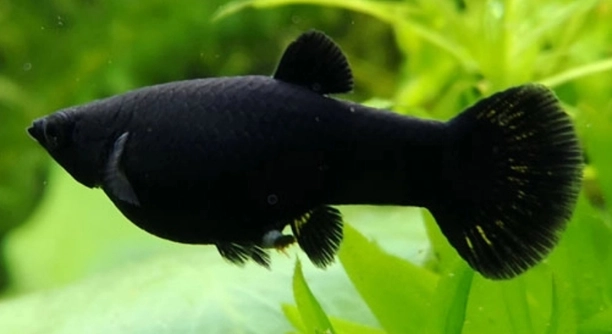
Are your Black Mollies acting a little off lately? Observing these small fish can be tricky, especially when stress manifests in subtle ways. Recognizing early signs can make a big difference for their well-being.
Black Mollies exhibit stress through several subtle indicators, including changes in swimming patterns, color fading, reduced appetite, clamped fins, erratic behavior, hiding more often, and increased susceptibility to illness. Early detection is crucial to maintain their health.
Identifying these subtle behaviors will help you provide a calmer and safer environment for your fish, ensuring they thrive in their tank habitat.
Faded Colors
When Black Mollies are stressed, their vibrant colors often begin to dull. This change is one of the earliest and easiest signs to notice. Normally shiny and bright, a stressed Molly may appear pale or washed out. Color fading can occur due to poor water quality, sudden temperature shifts, overcrowding, or improper diet. Observing your fish regularly will help you spot these subtle changes early. Maintaining stable tank conditions, including consistent temperature and proper filtration, is essential to prevent stress. Diet also plays a role—feeding high-quality food rich in nutrients can help mollies retain their natural colors. Stress can also make them more vulnerable to diseases, which can further impact their appearance. By acting quickly when you notice fading colors, you can adjust the environment to support recovery. Watching these small changes can provide a clearer picture of your fish’s overall health and mood.
Faded colors often indicate more than just stress—they reflect the fish’s overall well-being and comfort in their tank environment.
Keeping an eye on your Black Mollies’ coloring daily is a simple habit that pays off. If you notice dullness, check water parameters, diet, and tank setup. Minor adjustments, like adding plants for hiding spaces or ensuring proper lighting, can improve their mood. Overcrowding should be addressed by providing more space or separating fish if necessary. Consistent monitoring can prevent minor stress from escalating into serious health issues. When mollies regain their vibrant hues, it is a clear sign that the environment is supporting them.
Clamped Fins
Clamped fins are a common stress response in Black Mollies.
When a Molly keeps its fins tightly against its body, it often signals discomfort or poor health. Stress can come from sudden changes in water temperature, aggressive tankmates, or inadequate nutrition. Clamped fins reduce swimming efficiency, making the fish less active and more vulnerable to illness. Addressing the cause quickly is important to prevent long-term damage. Ensure the tank has proper filtration, consistent temperature, and peaceful companions. Avoid sudden water changes and handle fish minimally during cleaning. Stress relief can also involve adding hiding spots or gentle water movement. Monitoring fin position regularly allows you to spot problems before they escalate. Recovery often requires patience, as mollies need time to regain confidence and normal fin posture. Maintaining a balanced environment supports overall health and encourages natural behavior, helping your fish stay active and vibrant. Observing clamped fins is an effective way to gauge stress levels and make necessary adjustments.
Erratic Swimming
Erratic swimming is a clear sign of stress in Black Mollies. Sudden darting, spinning, or floating near the surface often indicates discomfort or environmental issues that need attention immediately.
Erratic movements can result from poor water quality, sudden temperature changes, or overcrowding. Mollies may also swim frantically if tankmates are aggressive or if they feel threatened. Stress disrupts their normal behavior, making them less predictable and more prone to injury. Observing their swimming patterns regularly helps identify issues early. Adjusting tank conditions, adding hiding spots, or reducing stressors can restore normal movement. Healthy mollies swim steadily and explore calmly, so any irregularities should not be ignored.
Addressing the causes of erratic swimming involves checking water parameters like pH, ammonia, and nitrate levels. Gradually acclimating them to temperature changes, ensuring proper nutrition, and separating aggressive fish can reduce stress. Providing a stable environment encourages natural swimming patterns, helping mollies feel secure. Patience is important, as recovery may take several days. Continuous monitoring ensures that minor issues do not escalate, keeping fish active, healthy, and less prone to disease.
Reduced Appetite
Reduced appetite is a subtle yet important indicator of stress in Black Mollies.
Stress can cause mollies to eat less or ignore food completely. This behavior often results from water quality issues, sudden changes in the environment, or social stress from aggressive tankmates. Prolonged lack of feeding affects growth, energy levels, and immune response. Monitoring feeding habits is essential to catch early signs of stress. Providing high-quality, varied food and maintaining stable water conditions encourages regular eating patterns. Temporary changes in appetite can occur, but consistent refusal should be addressed quickly to prevent health problems.
Addressing reduced appetite involves assessing water quality, tank temperature, and social dynamics within the aquarium. Ensure food is fresh and suitable for mollies, offering small portions multiple times a day. Adding hiding places can reduce anxiety, encouraging feeding. Observation is key, as mollies may resume eating once stressors are minimized. If appetite does not improve, additional interventions, such as isolating stressed individuals or consulting aquatic care guidelines, may be necessary. Proper care and a calm environment restore feeding habits, supporting overall health and vitality.
Hiding More Often
Hiding more than usual is a common stress response in Black Mollies. Fish may retreat behind plants, decorations, or corners of the tank to feel safer when stressed.
Persistent hiding can indicate environmental stress, aggressive tankmates, or water quality issues. Observing their behavior helps identify and correct the cause.
Increased Susceptibility to Illness
Stress weakens a Black Molly’s immune system, making it more prone to infections. Symptoms may include white spots, fin rot, or lethargy. Maintaining clean water, balanced nutrition, and reducing environmental stressors is essential to prevent illness and support recovery.
Rapid Gill Movement
Rapid gill movement signals difficulty breathing or discomfort in Black Mollies.
How can I tell if my Black Molly is stressed?
Stress in Black Mollies shows through behavior and appearance. Common signs include faded colors, clamped fins, erratic swimming, reduced appetite, hiding more often, rapid gill movement, and increased susceptibility to illness. Observing your fish daily helps catch these subtle changes early. Regularly checking water quality and tank conditions can prevent many stress-related issues.
What causes stress in Black Mollies?
Several factors can stress Black Mollies. Poor water quality, such as high ammonia, nitrate, or nitrite levels, is a major cause. Sudden changes in temperature, pH swings, overcrowding, and aggressive tankmates also contribute. Even frequent handling or inadequate hiding spaces can create stress. Ensuring stable water parameters, proper filtration, and a balanced environment reduces the risk of stress.
How can I improve water quality for my Mollies?
Maintaining clean water is essential to reducing stress. Perform regular water changes, at least 25% weekly, to keep ammonia and nitrate levels low. Use a reliable filtration system and monitor water parameters with test kits. Avoid overfeeding, as uneaten food decays and pollutes the water. Adding live plants can help absorb excess nutrients and provide natural hiding spots. Consistency is key, as sudden changes can be more stressful than minor fluctuations over time.
What is the best diet for Black Mollies to reduce stress?
A nutritious, varied diet helps Mollies cope with stress. High-quality flake or pellet food designed for tropical fish provides essential vitamins. Supplementing with live or frozen foods, like brine shrimp or daphnia, adds protein and encourages natural feeding behavior. Occasional vegetables, such as blanched zucchini or spinach, support digestive health. Feeding small portions multiple times a day prevents overeating and maintains water quality, further reducing stress.
Can tankmates affect my Mollies’ stress levels?
Yes, aggressive or territorial fish can stress Black Mollies. Species that chase, nip fins, or dominate the tank create constant anxiety. Peaceful tankmates like guppies, platies, or other Mollies help maintain a calm environment. Avoid overcrowding, and provide plenty of hiding spaces to reduce conflicts. Monitoring interactions and separating aggressive individuals when necessary protects your Mollies from prolonged stress.
How do I create a comfortable tank environment for my Mollies?
A well-structured tank reduces stress significantly. Provide plants, rocks, or decorations for hiding and exploration. Maintain stable water temperature, ideally between 75-82°F, and a pH of 7.0-8.0. Moderate water flow is preferred; avoid strong currents that tire them. Consistent lighting supports natural activity patterns. Ensuring each Molly has enough space to swim freely and retreat when needed helps them feel secure and healthy.
How long does it take for stressed Mollies to recover?
Recovery time varies depending on stress severity and environmental adjustments. Minor stress may resolve in a few days with improved water quality, diet, and calm conditions. Severe stress or illness may take weeks to fully recover. Continuous monitoring, proper care, and patience are essential. Signs of recovery include brighter colors, normal swimming, regular feeding, and social interaction with tankmates.
When should I consult a veterinarian?
If stress signs persist despite improving water quality, diet, and environment, consulting an aquatic veterinarian is recommended. Symptoms such as prolonged hiding, rapid gill movement, severe color fading, or visible disease indicate potential health issues. Early intervention can prevent serious illness and increase the chances of a full recovery. Regular observation and timely action are critical to maintaining a healthy aquarium.
Can adding live plants help reduce stress?
Live plants create hiding spots and improve water quality by absorbing excess nutrients. They also mimic the Mollies’ natural habitat, helping them feel secure. Floating plants reduce bright lighting exposure, while tall plants provide shelter. A planted tank encourages natural behavior, reduces anxiety, and contributes to overall well-being.
Is water temperature important for stress prevention?
Yes, temperature fluctuations can stress Black Mollies. Maintaining a stable range of 75-82°F prevents shock and supports metabolism. Sudden drops or spikes can cause erratic swimming, clamped fins, or reduced appetite. Using a reliable heater and thermometer ensures a consistent, comfortable environment for your fish.
How often should I check water parameters?
Checking water parameters at least once a week is recommended, including ammonia, nitrite, nitrate, and pH levels. Frequent monitoring allows early detection of issues that may stress your Mollies. Maintaining consistency in water conditions supports healthy behavior, vibrant colors, and overall immunity. Test kits and notes on trends help track improvements.
Are hiding spaces really necessary?
Yes, hiding spaces are essential to reduce stress. Black Mollies need areas to retreat when feeling threatened or overwhelmed. Plants, rocks, and decorations provide security and decrease conflicts with tankmates. Even if fish appear active, having shelters helps prevent long-term stress and supports natural behaviors.
How do I prevent future stress in Black Mollies?
Consistent care is key. Keep water clean, maintain stable temperature and pH, provide a balanced diet, and ensure peaceful tankmates. Avoid sudden changes in the tank environment and minimize handling. Regular observation of behavior, color, and appetite allows early action. Creating a stable and enriching environment prevents repeated stress episodes, ensuring long-term health and vitality.
This FAQ addresses common concerns, providing practical steps to manage stress and maintain the health of Black Mollies effectively.
Black Mollies are sensitive fish, and even small changes in their environment can affect their well-being. Recognizing the subtle signs of stress, such as faded colors, clamped fins, erratic swimming, or reduced appetite, is important for keeping them healthy. Regular observation allows you to notice these signs before they develop into more serious problems. Ensuring that your tank maintains stable water conditions, including proper temperature, pH, and cleanliness, is one of the most effective ways to prevent stress. A consistent routine of water changes, careful feeding, and monitoring tankmates can help create a calm environment that supports your Mollies’ natural behavior. Stress is not always immediately obvious, but paying attention to their behavior and appearance gives you the best chance to intervene early. By being attentive and proactive, you can maintain a healthy and stable home for your fish, reducing the likelihood of illness and prolonged discomfort.
Diet also plays a significant role in stress management. Feeding high-quality, varied food provides essential nutrients that support overall health and strengthen the immune system. Live or frozen foods, along with occasional vegetables, encourage natural feeding behaviors and improve vitality. Overfeeding should be avoided, as leftover food can decay and negatively affect water quality, which in turn increases stress levels. Balanced nutrition, combined with a well-maintained tank, creates conditions where Mollies are more likely to thrive. Additionally, providing hiding spots, plants, or decorations helps them feel secure and reduces anxiety caused by other tankmates or environmental changes. Even small adjustments, such as adding a few plants or rearranging decorations, can make a noticeable difference in their behavior. Over time, these careful measures build a stable and supportive habitat, allowing Black Mollies to display their natural colors, swim confidently, and maintain healthy eating habits.
Consistency and patience are key to managing stress in Black Mollies. Recovery from stress may take several days or weeks, depending on the severity and the adjustments made in their environment. Continuous monitoring of water parameters, observing swimming patterns, and noting changes in color or appetite allows you to respond quickly to any issues. Avoiding sudden changes, limiting handling, and maintaining a calm tank atmosphere help them regain confidence and return to normal behavior. Understanding that stress is often gradual and subtle encourages ongoing attention to detail. Providing a stable, balanced, and enriched environment ensures your Black Mollies can live comfortably and remain healthy. By focusing on proactive care, observation, and environmental stability, you give your fish the best chance to thrive while minimizing stress and supporting long-term well-being.

Hello,
If you enjoy the content that we create, please consider saying a "Thank You!" by leaving a tip.
Every little bit helps us continue crafting quality advice that supports the health, happiness, and well-being of pets around the world, for pets of all shapes, sizes, and species.
We really appreciate the kindness and support that you show us!