
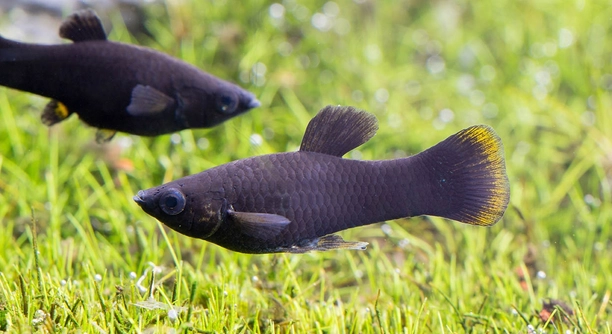
Black Molly fish are beautiful additions to any freshwater aquarium, known for their shiny black scales and lively personalities. Lighting plays an important role in their overall health, appearance, and behavior in captivity. Poor lighting can affect their wellbeing.
Improper lighting in Black Molly tanks can lead to stress, faded coloration, and hindered growth. Avoid placing them under excessively bright lights or leaving lights on for extended periods, and ensure a consistent day-night cycle for optimal health.
Proper lighting is essential for maintaining vibrant colors and active behavior in Black Mollies, making it important to follow these guidelines closely.
Using Too Bright Lighting
Bright lighting may seem like a good idea to highlight your Black Molly, but it can actually cause more harm than good. Intense lights can stress the fish, making them hide or swim erratically. Over time, this stress can weaken their immune system, making them more susceptible to diseases. Bright lights can also fade the black coloration, leaving your fish looking dull and less vibrant. Many hobbyists make the mistake of assuming stronger light makes fish more active, but for Black Mollies, moderate lighting is best. Positioning the light away from direct glass reflections and using a timer can help maintain consistency. Providing shaded areas with plants or decorations allows the fish to rest from exposure. Balancing brightness and providing natural hiding spots creates a more comfortable environment. Observing how your Mollies react to different intensities is the key to finding the right balance for your aquarium setup.
Stress and color fading are the main effects of overly bright lighting.
Moderate lighting allows your Black Mollies to display their natural color and behavior. Consistent light cycles, paired with shaded zones, help reduce stress. Fish use shadows to rest and explore safely, so arranging plants or rocks strategically is helpful. Avoid leaving lights on continuously, as this interrupts their natural rhythm.
Leaving Lights On Too Long
Continuous lighting can disrupt the natural rhythm of your Black Mollies, affecting both behavior and health.
Extended light exposure increases stress levels, weakens immunity, and can lead to algae growth. Black Mollies need a proper day-night cycle to maintain activity patterns, digestion, and overall wellbeing. Lights should generally be on for 8-10 hours daily, mimicking natural daylight. Introducing shaded zones or floating plants provides shelter during lit periods. Timers are useful for maintaining consistency without requiring constant attention. Improper light schedules may result in lethargy or aggressive behavior, as fish struggle to distinguish day from night. Observing your Mollies’ activity can help adjust lighting duration. A proper balance encourages feeding, breeding, and exploration while preventing color fading. Adjusting intensity and timing according to seasonal changes can further support health. Ensuring the aquarium environment respects natural light cycles creates a stable habitat that keeps Black Mollies vibrant and active. Attention to these details is a simple way to enhance both appearance and longevity.
Using the Wrong Light Spectrum
Black Mollies respond best to full-spectrum or natural daylight lighting. Using lights that are too blue or too red can affect their coloration and overall health.
Incorrect light spectrum can make your Black Mollies’ colors appear dull and reduce their appetite. Fish rely on natural-like light to regulate daily activities, including feeding and swimming. Using overly cool or warm lighting may also disrupt their circadian rhythm, causing stress. Plants in the tank may suffer too, affecting oxygen levels and water quality. A balanced light spectrum supports both fish and plant health. Full-spectrum lights are easy to find and help your Mollies display natural colors. Adjusting the spectrum gradually ensures they adapt comfortably, maintaining vibrant appearance and active behavior over time. Observing their reaction to different lighting can guide adjustments.
Proper spectrum lighting promotes natural behavior, enhances coloration, and supports aquarium plants. Maintaining consistency ensures healthier, more active Black Mollies.
Positioning Lights Incorrectly
Lights placed too close to the water surface can stress fish, while uneven placement causes shadows and bright spots. Proper positioning ensures even coverage and comfort for your Black Mollies.
Incorrect light placement can lead to hiding, erratic swimming, and reduced feeding. Black Mollies need areas of gentle light and shade. Position lights at a moderate distance above the tank, avoiding glare directly on the water. Floating plants or decorations can diffuse light and create comfortable zones. Uneven light may also encourage algae growth in concentrated spots, reducing water quality. Regularly observing the tank helps identify stress signs caused by poor lighting placement. Adjusting the angle or height can prevent these issues while maintaining a visually appealing aquarium. Well-positioned lights support natural behavior, feeding, and overall health.
Strategic light placement ensures your Black Mollies remain healthy, active, and colorful. Proper arrangement minimizes stress and enhances the aquarium’s visual appeal.
Ignoring Light Duration
Leaving lights on for too long can disturb your Black Mollies’ natural rhythm. They need regular periods of darkness to rest and reduce stress.
A consistent day-night cycle of 8-10 hours of light helps maintain activity and feeding patterns. Timers can make this simple and reliable.
Not Using a Timer
Timers prevent overexposure and maintain a steady schedule. Manual operation often leads to inconsistent lighting that stresses fish. Using a timer ensures lights turn on and off at the same time each day, supporting natural behavior.
Neglecting Algae Control
Excessive light can accelerate algae growth, reducing water quality and competing for nutrients that plants and fish need. Proper light management helps prevent these issues and keeps the aquarium clean and balanced.
Focusing Only on Appearance
Prioritizing bright lights for show can compromise fish health. Balance is needed to support both aesthetics and wellbeing.
FAQ
How long should the lights stay on for Black Mollies?
Black Mollies need around 8-10 hours of light per day. This mimics a natural day-night cycle and helps regulate their feeding, swimming, and resting behaviors. Using a timer ensures consistency, preventing stress from irregular light periods.
What type of light spectrum is best for Black Mollies?
A full-spectrum or natural daylight bulb is ideal. Lights that are too blue or red can dull their color and disrupt behavior. Full-spectrum lighting also supports live plants, which improve water quality and provide hiding spaces.
Can bright lights harm Black Mollies?
Yes. Bright or harsh lighting can stress fish, cause hiding or erratic swimming, and fade their black coloration. Providing moderate light and shaded areas allows Mollies to adjust and stay comfortable in the tank.
Do Mollies need shaded areas under the light?
Absolutely. Shaded spots created by plants, rocks, or decorations let Mollies rest and feel secure. Without them, constant exposure to bright light increases stress and may reduce appetite or activity.
Is it okay to leave aquarium lights on overnight?
No. Continuous lighting can confuse their natural rhythm, increasing stress and weakening their immune system. A regular off period each night supports healthy behavior and reduces algae growth.
How can I prevent algae while keeping lights on for the right duration?
Using a timer for consistent light periods, balancing intensity, and adding live plants helps control algae. Avoid excessively strong lighting, and clean the tank regularly to maintain water quality.
Can the wrong light spectrum affect breeding?
Yes. Proper lighting influences mood and activity, which are important for breeding. Full-spectrum light encourages natural behavior and healthier interactions between male and female Mollies.
How do I know if my lighting is too strong?
Signs include hiding, frantic swimming, faded color, or lethargy. Observing behavior and adjusting light intensity or distance from the tank can reduce stress. Shaded areas can also help them feel safer.
Should I adjust light intensity seasonally?
Slight adjustments can help mimic natural changes in daylight, but avoid drastic changes. Maintaining a stable routine with minor seasonal tweaks supports overall health while preventing stress.
What is the simplest way to set up lighting for Black Mollies?
Use a full-spectrum light, set a timer for 8-10 hours daily, position the light above the tank at a moderate distance, and provide shaded zones with plants or decorations. Regular observation ensures your Mollies remain healthy and active.
Can lighting affect plant growth in a Black Molly tank?
Yes. Plants need proper light to thrive, which in turn supports oxygen levels and water quality. Balanced lighting benefits both Mollies and plants, creating a healthier environment overall.
Are LED lights better than fluorescent for Black Mollies?
LEDs are energy-efficient, customizable, and produce less heat. They can provide full-spectrum light and allow easier control of intensity and duration, making them a practical choice for Black Molly aquariums.
What should I do if Mollies look stressed under current lighting?
Lower the intensity, provide shaded areas, and reduce exposure time gradually. Observing behavior will help you find a comfortable setup that maintains color and activity without causing stress.
Can lighting alone improve the black coloration of Mollies?
Proper lighting enhances natural colors, but nutrition and water quality are also essential. A balanced diet, clean water, and consistent light cycles work together to bring out their best appearance.
How often should I check my lighting setup?
Regularly inspect bulbs for brightness, spectrum, and placement. Timers should be tested occasionally to ensure consistency. Observing fish behavior is the best indicator of whether adjustments are needed.
Does light affect water temperature significantly?
Strong or improperly placed lights can slightly raise water temperature. Monitor the tank, especially with heat-sensitive species. LEDs produce less heat, making temperature management easier while providing proper light.
Can I mix different types of lights in the same tank?
Yes, but it should be done carefully. Combining lights with different spectra can balance coloration and plant growth, but avoid extremes that stress the fish or create uneven brightness.
Are there benefits to dimming lights gradually instead of turning them off abruptly?
Gradual dimming mimics natural sunrise and sunset, reducing stress. Mollies adjust better to softer transitions than sudden changes, promoting calm behavior and more natural activity patterns.
What are common mistakes with Black Molly lighting?
Common errors include leaving lights on too long, using overly bright or wrong-spectrum lights, poor placement, and neglecting shaded areas. Each can lead to stress, faded color, and behavioral issues if not corrected.
How do I balance lighting for aesthetics and fish health?
Moderate brightness, proper spectrum, timed cycles, and shaded zones maintain both appearance and wellbeing. Adjust gradually based on Mollies’ behavior, ensuring they remain active, colorful, and comfortable in the tank.
This FAQ provides practical guidance for creating a healthy lighting setup that supports both the appearance and wellbeing of Black Mollies, while minimizing stress and promoting natural behavior.
Proper lighting is one of the most important factors in keeping Black Mollies healthy and vibrant. Many fishkeepers focus on decorations, water quality, or diet, but lighting is often overlooked. Too bright, too dim, or improperly positioned lights can stress your fish and affect their behavior and coloration. Black Mollies need a stable day-night cycle to thrive, generally around 8 to 10 hours of light each day. Using a timer helps maintain this consistency without requiring daily monitoring. Providing areas of shade or cover with plants or decorations ensures your fish can rest and feel secure. When lighting is well-balanced, Mollies display their natural color, remain active, and show normal feeding and swimming behavior, which makes the aquarium a more enjoyable environment for both the fish and the keeper.
Choosing the right type of light is equally important. Full-spectrum or natural daylight lights are the most suitable because they replicate the natural environment and support plant growth. Lights that are too blue, red, or overly intense can fade the fish’s coloration and disrupt their natural rhythms. LED lights are often a good choice because they are energy-efficient, produce less heat, and allow easier control over intensity and duration. Observing your Black Mollies’ reactions to lighting changes can provide guidance on adjustments. Signs like hiding, erratic swimming, or dull coloration indicate stress and may signal that lighting needs modification. Properly balanced light not only benefits the fish but also supports plants, improves water quality, and helps prevent excessive algae growth, creating a healthier overall environment.
Maintaining the right lighting setup is not a one-time task. Seasonal changes, growth of plants, and movement of decorations may require small adjustments to keep the environment consistent and comfortable for your Mollies. Gradual dimming in the morning and evening can mimic natural sunrise and sunset, reducing stress and encouraging natural activity patterns. Paying attention to light placement, duration, and spectrum ensures that your Black Mollies remain healthy, colorful, and active over time. By focusing on lighting along with proper diet, water quality, and tank maintenance, you can create a stable and thriving aquarium where your fish feel secure and display their best appearance. Proper lighting management is a simple but effective way to enhance both the wellbeing of your Black Mollies and the visual appeal of your tank.

Hello,
If you enjoy the content that we create, please consider saying a "Thank You!" by leaving a tip.
Every little bit helps us continue crafting quality advice that supports the health, happiness, and well-being of pets around the world, for pets of all shapes, sizes, and species.
We really appreciate the kindness and support that you show us!