
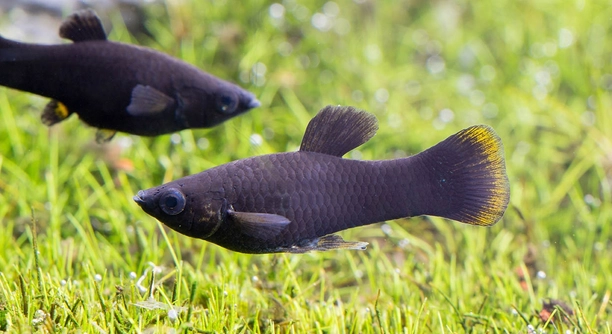
Black Mollies are lively fish that often swim together in tight groups. Sometimes, this swimming turns into constant chasing, which can be concerning for hobbyists observing their tank. Their behavior can reveal much about their environment and health.
Black Mollies chase each other primarily due to social hierarchy, mating behavior, territorial disputes, overcrowding, stress, inadequate tank conditions, and competition for food. These factors combine to drive persistent chasing, influencing their interactions and overall well-being.
Understanding these reasons can help aquarists create a calmer and healthier tank environment for their Black Mollies to thrive.
Social Hierarchy Among Black Mollies
Black Mollies are naturally social fish that establish a hierarchy within their group. Dominant fish often chase others to assert their position, while submissive fish may swim away or hide. This behavior is more common in smaller tanks where space is limited, and fish cannot maintain personal areas. Understanding this hierarchy can help aquarists manage the tank more effectively. Providing enough space, decorations, and hiding spots reduces constant chasing and allows weaker fish to avoid stress. Even in a healthy tank, some chasing is normal as it reflects the natural pecking order. Observing which fish are dominant can also guide feeding strategies, ensuring that all fish receive adequate nutrition without causing aggression. Over time, dominance behavior may stabilize, and fish interactions can become calmer, especially if the environment supports personal space and reduces competition for resources.
Maintaining a proper social balance improves overall fish health and reduces stress-related illnesses.
Providing hiding spots and decorations gives fish areas to escape from constant chasing, which supports a calmer tank environment.
Mating Behavior and Reproduction
Chasing often increases when Black Mollies are ready to mate. Males follow females persistently to encourage spawning, which can look aggressive but is natural.
During breeding, males will display fins, swim closely, and nudge females to initiate mating. In smaller tanks, this behavior can become more intense, as females have limited space to escape. Multiple males may target a single female, creating a cycle of constant pursuit. Providing plants or decorations allows females to hide and reduces stress, supporting healthier reproduction. Even when not mating, males may chase each other to compete for attention, making careful observation important. Adjusting the male-to-female ratio and tank size can significantly lower excessive chasing while maintaining a suitable breeding environment. Regular monitoring helps aquarists identify when chasing is normal versus when it signals stress or overcrowding, ensuring the tank remains balanced and the fish stay healthy.
Balancing male and female ratios and offering escape spaces helps manage mating-related chasing effectively.
Territorial Disputes
Black Mollies defend certain areas of the tank, especially around hiding spots or near food sources. Chasing occurs when one fish enters another’s claimed space, even if the tank seems large.
Territorial behavior is more pronounced in smaller tanks or when decorations are limited. Fish establish zones around plants, rocks, or corners and will aggressively chase intruders. Overcrowding increases tension, as boundaries overlap and fish cannot retreat easily. Providing enough territory and visual barriers can reduce chasing and aggression, allowing fish to swim more peacefully. Observing which fish claim which areas helps in arranging the tank effectively and preventing constant confrontations.
Even with sufficient space, some chasing persists because Black Mollies naturally assert dominance over their preferred areas. Adding partitions, floating plants, or decorations allows weaker fish to avoid conflict and gives everyone a chance to feel secure.
Stress and Environmental Factors
Stress can cause Black Mollies to chase each other more often. Poor water quality, rapid changes in temperature, or incompatible tankmates increase tension in the group.
Maintaining stable water parameters is crucial for calming aggressive behavior. Fish exposed to fluctuating conditions may become restless and chase more frequently. Ensuring proper filtration, consistent temperature, and routine water changes helps maintain a stress-free environment. Overcrowded tanks intensify this effect, as fish have less space to escape and may feel threatened. Monitoring behavior and adjusting the tank setup can prevent chasing caused by stress, supporting healthier fish interactions.
Stress-related chasing often signals deeper issues. Paying attention to water quality, tank size, and hiding spots not only reduces aggression but also promotes long-term health and well-being for your Black Mollies. Regular observation and maintenance ensure a stable environment where chasing becomes minimal, and fish can swim comfortably without constant pressure from their peers.
Overcrowding
Too many Black Mollies in a tank often lead to constant chasing. Fish have less space to swim and escape from each other, increasing aggression and stress.
Overcrowding also intensifies competition for food and territory. Even peaceful fish can become aggressive when space is limited, making tank management essential for calm interactions.
Competition for Food
Chasing increases when Black Mollies compete for limited food. Dominant fish often chase others away to secure meals, leaving weaker fish hungry. Feeding smaller amounts more frequently or spreading food across the tank reduces this behavior. Ensuring all fish have access to food supports a healthier, less aggressive environment.
Incompatible Tankmates
Adding fish that do not match the Black Mollies’ temperament can trigger chasing. Aggressive or fast-moving species increase stress, prompting constant pursuit and territorial disputes.
FAQ
Why do Black Mollies chase each other constantly?
Black Mollies chase each other mainly due to social hierarchy, mating behavior, territorial instincts, stress, overcrowding, competition for food, and incompatible tankmates. Chasing is often a mix of natural behavior and environmental triggers. Observing which situations trigger chasing helps identify the specific cause and how to reduce it.
Is chasing always a sign of aggression?
Not always. Some chasing reflects normal social behavior, like establishing dominance or mating. Aggressive chasing usually comes with biting, fin nipping, or chasing that prevents a fish from eating or resting. Distinguishing normal interaction from harmful behavior is important for proper tank care.
How can I reduce chasing in my tank?
Increasing tank space, adding hiding spots, balancing male-to-female ratios, spreading food, and monitoring water quality all reduce chasing. Plants, rocks, and decorations create zones for fish to retreat, which lowers stress and allows weaker fish to avoid constant pursuit.
Does tank size affect chasing behavior?
Yes, smaller tanks increase chasing because fish cannot maintain personal space. Overcrowding raises competition for territory and food, intensifying aggressive behavior. A spacious tank with adequate swimming and hiding areas is essential for calmer interactions.
Can water conditions trigger chasing?
Poor water quality, temperature fluctuations, or high ammonia and nitrite levels can stress fish. Stressed fish are more likely to chase or display aggressive behavior. Maintaining stable water parameters through filtration, regular water changes, and careful monitoring helps minimize chasing caused by environmental stress.
Will separating males and females help?
Adjusting the male-to-female ratio can reduce chasing, especially during breeding periods. Too many males increase competition for females, which leads to persistent chasing. Ensuring at least two females for every male creates a more balanced and less stressful environment.
Are hiding spots really necessary?
Yes, hiding spots help fish escape aggressive or dominant individuals. Plants, caves, and decorations provide shelter and reduce stress. Fish that feel safe are less likely to be constantly chased and are more likely to thrive in a peaceful tank.
How can I tell if chasing is harming my fish?
Signs include torn fins, weight loss, hiding excessively, or refusing to eat. If chasing prevents a fish from accessing food or rest, it becomes harmful. Monitoring fish daily ensures problems are caught early and adjustments can be made promptly.
Can feeding strategies reduce chasing?
Yes, distributing food across the tank, feeding smaller amounts more frequently, and ensuring all fish can eat at the same time prevents dominant fish from chasing others away. Consistent feeding routines reduce competition and improve overall tank harmony.
Do tank decorations really make a difference?
Decorations create boundaries and visual breaks that reduce direct line-of-sight conflicts. Floating plants, rocks, and partitions allow weaker or submissive fish to avoid constant pursuit, lowering stress and aggressive behavior while encouraging more natural movement and interaction.
Is chasing more common in certain Black Molly types?
Black Mollies are generally peaceful, but activity levels, male-to-female ratios, and breeding readiness affect chasing frequency. Males chasing females is natural during mating periods, while dominance disputes between males can be more frequent in smaller or crowded tanks.
How long does chasing usually last?
Chasing can be temporary or ongoing depending on environmental conditions. Normal social or mating-related chasing may last a few minutes to hours, while overcrowding, stress, or insufficient hiding spots can make it continuous. Adjusting tank conditions helps reduce long-term chasing.
Can incompatible tankmates worsen chasing?
Yes, introducing fast, aggressive, or territorial species increases chasing among Black Mollies. Such tankmates create stress and provoke defensive or competitive behavior. Choosing compatible, peaceful species minimizes conflict and keeps the environment calmer for all fish.
Are there signs that chasing has stopped being normal?
Yes, persistent chasing that damages fins, causes weight loss, or forces fish to hide constantly signals harmful behavior. Early intervention, such as rearranging the tank, reducing male competition, or increasing space, prevents long-term harm and ensures healthier fish interactions.
Can chasing affect breeding success?
Excessive chasing, especially when females are stressed, can reduce spawning success. Females that cannot escape persistent males may refuse to eat or hide, lowering reproductive health. Providing hiding spaces and monitoring male behavior improves breeding conditions and reduces harmful stress.
How often should I check my tank for chasing issues?
Daily observation is recommended. Short periods of chasing are normal, but frequent, intense chasing can indicate stress, overcrowding, or other issues. Regular monitoring ensures you can take timely actions to maintain a balanced and peaceful tank environment.
Does water temperature influence chasing?
Yes, inappropriate temperatures increase stress and activity levels. Water that is too warm or too cold can trigger chasing or aggression. Keeping water within the recommended temperature range for Black Mollies helps maintain calm behavior and overall health.
Can adding more females help calm chasing?
Increasing the number of females relative to males reduces male competition and chasing during breeding. A balanced ratio creates a less stressful environment and allows all fish to swim, feed, and rest without constant pursuit.
Is chasing more likely in newly introduced fish?
Yes, new fish may trigger chasing as established fish assert dominance or defend territory. Gradual introduction and quarantine procedures help reduce stress and minimize immediate chasing in the tank.
Do hiding spots reduce stress for all fish?
Yes, hiding spots benefit both dominant and submissive fish. They provide retreat areas and visual separation, lowering stress, minimizing chasing, and supporting healthier, more peaceful interactions in the tank.
How do I know when chasing is normal?
Normal chasing is brief, does not harm fins or prevent feeding, and usually occurs during social interactions, mating, or brief territorial disputes. Harmful chasing is persistent, aggressive, and affects fish health, requiring intervention.
Can diet impact chasing behavior?
Proper nutrition supports calmer behavior. Hungry fish chase more aggressively to compete for food. Balanced diets and consistent feeding routines reduce food-driven aggression, making the tank more harmonious.
How do I prevent constant chasing long-term?
Maintain stable water conditions, provide sufficient space and hiding spots, balance male-to-female ratios, choose compatible tankmates, and feed appropriately. Regular observation and adjustments help prevent chasing from becoming harmful while supporting natural behavior.
Is chasing more common in smaller tanks?
Yes, smaller tanks limit space for escape and territory, increasing aggression and chasing. Adequate tank size with multiple zones reduces conflicts and promotes healthier fish interactions.
What should I do if chasing leads to injury?
Separate injured fish temporarily, treat wounds as needed, and adjust the tank layout to prevent further chasing. Long-term measures include increasing space, hiding spots, and managing social ratios to prevent repeated injuries.
Can lighting affect chasing behavior?
Bright or sudden lighting changes can stress fish, prompting chasing or erratic swimming. Gradual lighting transitions and natural light cycles help maintain calm behavior and reduce stress-induced chasing.
Do Black Mollies calm down over time?
Yes, as social hierarchies stabilize and fish adapt to their environment, chasing usually decreases. Providing consistent conditions, space, and hiding spots supports this natural adjustment.
Is chasing worse during certain times of day?
Activity and chasing often increase during feeding or when lights are on, as fish become more active. Observing patterns helps schedule feeding and adjust tank setup to minimize stress.
Can introducing more plants reduce chasing?
Yes, plants create visual barriers and hiding spots. They reduce direct confrontations, give submissive fish safe areas, and help maintain a calmer environment overall.
How do I monitor chasing without stressing the fish?
Observe quietly from a distance, taking note of chasing patterns, frequency, and intensity. Avoid tapping the tank or sudden movements, which can increase stress and exacerbate chasing.
Will chasing stop completely if I fix all environmental issues?
Chasing may reduce significantly but will not disappear entirely. Some chasing is natural for social interaction, mating, and hierarchy. Proper management ensures it remains harmless and does not threaten fish health.
How long does it take for chasing to decrease after adjustments?
Behavior may improve within days to weeks depending on the severity and type of adjustments. Tank size, hiding spots, male-to-female ratio, and water stability all influence the pace of improvement.
Are there signs that chasing will escalate?
Yes, increased aggression, fin nipping, refusal to eat, or excessive hiding indicates that chasing may escalate. Early intervention prevents long-term harm and ensures a balanced tank environment.
Do Black Mollies chase differently in community tanks?
Yes, chasing may increase if other species trigger territorial or stress responses. Observing interactions and choosing compatible tankmates reduces unnecessary aggression and supports peaceful coexistence.
Can regular water changes reduce chasing?
Yes, stable, clean water lowers stress, which directly reduces chasing. Regular maintenance ensures healthy fish and calmer interactions, improving overall tank dynamics.
Does tank decoration placement affect chasing?
Strategic placement of plants, rocks, and hiding spots divides the tank into zones. This reduces direct confrontations, gives fish space to retreat, and supports a calmer, less stressful environment.
Can chasing be used to assess fish health?
Yes, sudden increases in chasing can signal stress, illness, or environmental problems. Monitoring behavior provides insights into the health of both individual fish and the tank as a whole.
Is chasing more intense during breeding season?
Yes, males become more persistent in following females, and competition among males increases. Adequate hiding spaces and balanced ratios help reduce stress during these periods.
How does tank layout influence chasing?
Open spaces without barriers allow constant chasing, while well-structured tanks with decorations and plants create zones for retreat. A thoughtful layout promotes calmer interactions and reduces aggression over time.
Can removing aggressive fish stop chasing?
Removing overly aggressive fish can immediately reduce stress and chasing. However, addressing environmental factors and social balance is also essential to prevent new conflicts from arising.
Is chasing a sign of poor fish health?
Not always, but excessive chasing combined with stress indicators like weight loss, fin damage, or inactivity can signal underlying health issues that need attention.
How often should I rearrange the tank to prevent chasing?
Occasional rearrangement can help reset territories and reduce prolonged aggression. Too frequent changes may increase stress, so adjustments should be moderate and carefully planned.
Can lighting schedules influence chasing patterns?
Yes, consistent light cycles maintain normal activity levels. Sudden changes or irregular lighting can stress fish, making chasing more frequent and intense.
Do different Black Molly colors behave differently?
Behavior is more influenced by temperament, tank conditions, and social dynamics than color. Black Mollies follow the same hierarchy, mating, and territorial instincts regardless of coloration.
Can chasing be beneficial in small doses?
Yes, brief chasing helps establish hierarchy and exercise. Controlled, non-harmful chasing is a normal part of Black Molly behavior and contributes to social structure.
How long should hiding spots be available each day?
Hiding spots should be accessible at all times. Fish use them whenever needed to escape aggression, rest, or feed in peace. Continuous access supports reduced chasing and lower stress.
What is the most effective way to stop harmful chasing?
Combine environmental improvements, hiding spots, proper tank size, balanced ratios, and compatible tankmates. Observing fish and making timely interventions ensures chasing remains natural and non-threatening.
Can tank water movement affect chasing?
Yes, strong currents can stress fish and increase chasing or aggressive behavior. Moderate flow and calm areas allow fish to swim naturally and reduce constant pursuit.
How can I tell if chasing is due to social hierarchy or stress?
Social hierarchy chasing is brief and involves establishing dominance without harm. Stress-driven chasing is persistent, intense, and often leads to hiding, fin damage, or reduced feeding. Identifying the pattern helps address the root cause.
Are there signs chasing will decrease naturally over time?
Yes, as fish settle, establish territories, and adapt to tank conditions, chasing typically lessens. Providing space, hiding spots, and stable conditions accelerates this natural adjustment.
Does tank temperature need to be consistent to reduce chasing?
Yes, fluctuations increase stress and activity, triggering chasing. Maintaining recommended temperature ranges keeps fish calm and supports stable social behavior.
Is chasing more frequent in male-heavy tanks?
Yes, too many males increase competition, leading to persistent chasing, especially during mating periods. Balancing ratios creates a calmer environment and reduces unnecessary aggression.
Can adding slow-moving tankmates help?
Yes, calm and non-aggressive species reduce stress and do not trigger excessive chasing, creating a more balanced and peaceful tank environment.
Does chasing indicate boredom in Black Mollies?
Occasionally, restless behavior can appear as chasing, especially in under-stimulated tanks. Providing decorations, plants, and swimming opportunities helps channel activity into natural behavior rather than harmful pursuit.
Can frequent observation reduce chasing?
Yes, monitoring behavior allows timely adjustments to tank conditions, feeding, or social ratios. Early interventions prevent chasing from becoming harmful and support long-term fish health.
Is chasing affected by seasonal changes?
Temperature and light variations related to seasons can influence activity levels. Stable indoor conditions help minimize chasing caused by environmental shifts, ensuring consistent behavior.
Do Black Mollies chase more at certain ages?
Juveniles are generally less aggressive, while adult males display more chasing due to dominance and mating instincts. Adjusting ratios and providing escape spaces supports calmer adult interactions.
Can tankmates with similar size reduce chasing?
Yes, similar-sized fish experience fewer dominance-related disputes. Large size differences often lead to persistent chasing and stress for smaller fish. Choosing compatible sizes helps maintain harmony.
Does chasing increase when fish are hungry?
Yes, hunger intensifies competition, prompting more chasing. Frequent, evenly distributed feeding reduces food-related aggression and promotes calmer behavior.
Is chasing reduced by adding more plants?
Yes, plants provide cover and visual breaks, allowing submissive fish to escape, lowering aggression and stress, and improving overall tank harmony.
Can chasing lead to disease?
Excessive stress from chasing weakens the immune system, making fish more prone to infections and illness. Reducing chasing is important for both behavior and health.
How do I balance chasing and natural behavior?
Provide adequate space, hiding spots, and proper ratios. Accept minor chasing as normal while preventing harmful aggression through careful tank management and observation.
Can chasing indicate poor nutrition?
Yes, insufficient or uneven feeding increases competition and chasing. Balanced diets and consistent feeding routines reduce aggression caused by hunger.
Does chasing decrease if the tank is well-maintained?
Yes, clean water, stable temperature, and proper tank conditions minimize stress-driven chasing and support healthier social interactions among Black Mollies.
Are all chasing behaviors equal?
No, normal chasing establishes hierarchy or mating routines. Harmful chasing involves persistent aggression, fin damage, or preventing feeding. Observing patterns helps differentiate normal from problematic behavior.
Can removing a stressed fish reduce chasing?
Temporarily separating stressed or overly aggressive fish can lower tension and help the group reestablish a calmer hierarchy, preventing further injuries or stress.
Do Black Mollies chase more in community tanks?
Yes, certain species may trigger territorial or stress responses, increasing chasing. Choosing compatible, peaceful tankmates reduces unnecessary aggression and supports calmer interactions.
Is chasing sometimes unavoidable?
Yes, some chasing is natural for social structure, mating, and territory. The goal is to minimize harmful chasing, not eliminate all pursuit entirely.
Does chasing affect feeding habits?
Persistent chasing can prevent weaker fish from eating, leading to weight loss and stress. Strategic feeding and space distribution help ensure all fish have access to food.
Can aggressive males be relocated instead of removed?
Yes, moving dominant males to another tank reduces competition and chasing in the original group while keeping the aggressive fish healthy in a controlled environment.
Do hiding spots need to be changed regularly?
Occasional rearrangement helps reset territories and reduce prolonged aggression. Too frequent changes increase stress, so adjustments should be moderate and intentional.
Can chasing trigger fin rot?
Yes, repeated nipping or chasing damages fins, making fish more susceptible to infections like fin rot. Preventing aggressive interactions is essential for health.
Is chasing more common with young Black Mollies?
Juveniles are typically less aggressive. Adult males display more chasing due to dominance and mating behavior, requiring careful management to maintain balance.
Does chasing stop when hierarchy is established?
Yes, once social ranks stabilize, chasing usually decreases. Providing space, hiding spots, and consistent conditions supports this natural behavior adjustment.
Can tank lighting reduce chasing?
Consistent light cycles minimize stress and erratic activity, indirectly lowering chasing behavior and helping maintain calmer interactions.
Do Black Mollies chase less in planted tanks?
Yes, plants create cover, reduce line-of-sight conflicts, and allow fish to escape, supporting more natural and peaceful behavior.
Can chasing cause long-term stress?
Persistent aggressive chasing increases cortisol levels, weakens immunity, and affects overall health. Reducing constant pursuit is critical for fish well-being.
Is chasing more frequent in heated tanks?
Higher temperatures increase activity, which can intensify chasing. Maintaining optimal temperatures reduces unnecessary stress and aggressive behavior.
Do all Black Mollies chase equally?
Behavior varies with sex, age, temperament, and environmental conditions. Males chase more for dominance and mating, while females may only chase briefly in territory disputes.
Can chasing be eliminated entirely?
No, some chasing is natural. The goal is to manage conditions to prevent harmful or persistent aggression while allowing normal social behavior.
How do I know if chasing is temporary or ongoing?
Brief chasing during feeding or territory establishment is temporary. Continuous, harmful chasing signals environmental or social issues that need intervention.
Does chasing affect tank harmony?
Yes, excessive chasing increases stress, reduces feeding opportunities, and can lead to injuries. Proper management ensures a calmer and healthier tank environment.
Can tank water flow reduce chasing?
Moderate water movement encourages natural swimming without stressing fish. Strong currents may increase chasing or aggressive behavior.
How important is daily observation for chasing?
Daily monitoring allows early identification of harmful behavior, ensuring timely adjustments to tank conditions, ratios, or feeding practices to maintain balance and health.
Can chasing indicate stress from overcrowding?
Yes, limited space increases aggression and chasing. Providing adequate tank size, hiding spots, and decorations reduces stress and improves interactions.
Is chasing more likely in male-heavy tanks?
Yes, too many males increase competition, leading to constant chasing. Balancing ratios and providing hiding spaces supports calmer social dynamics.
Do hiding spots reduce aggression effectively?
Yes, they provide retreat areas, lower stress, and prevent constant chasing, supporting peaceful coexistence among Black Mollies.
Can chasing lead to physical injury?
Yes, repeated nipping or aggressive pursuit can tear fins, cause scale damage, or lead to infections if not addressed. Preventive measures are essential.
Does chasing affect breeding success?
Excessive chasing stresses females, which can reduce spawning and fry survival
Black Mollies are lively and social fish that naturally display chasing behavior. This behavior often stems from hierarchy, mating instincts, territory, and environmental factors. While chasing can appear aggressive, it is not always harmful. Understanding why Black Mollies chase allows aquarists to create a more comfortable and balanced tank environment. Observing their interactions helps identify whether chasing is part of normal social behavior or a sign of stress. By paying attention to the fish and their surroundings, it becomes easier to make small adjustments that can greatly improve the overall harmony in the tank.
Maintaining proper tank conditions is essential to reduce excessive chasing. Adequate space, balanced male-to-female ratios, and enough hiding spots are key factors that prevent constant pursuit. Clean, stable water and proper temperature also contribute to calmer behavior. Even with these measures, some chasing will still occur because it is a natural part of Black Mollies’ social structure. What matters is keeping it from becoming harmful. Providing decorations, plants, and visual barriers allows submissive or weaker fish to retreat when needed. This simple step helps reduce stress, prevents injuries, and supports healthier relationships among the fish. Observing daily behavior and monitoring for signs of distress ensures that chasing remains a normal, controlled activity rather than a source of tension in the tank.
Chasing can also be influenced by food distribution and tankmate compatibility. Spreading food across the tank and feeding smaller amounts multiple times a day prevents dominant fish from monopolizing resources. Choosing compatible species ensures that interactions remain calm and do not trigger unnecessary aggression. It is normal for males to chase females during breeding periods, but persistent chasing due to overcrowding, stress, or poor environmental conditions should be addressed promptly. With careful observation and consistent care, aquarists can manage chasing effectively, allowing Black Mollies to thrive. Providing a stable environment and understanding their behavior ensures a healthier, more peaceful tank where fish can swim, feed, and interact naturally without constant stress or conflict.

Hello,
If you enjoy the content that we create, please consider saying a "Thank You!" by leaving a tip.
Every little bit helps us continue crafting quality advice that supports the health, happiness, and well-being of pets around the world, for pets of all shapes, sizes, and species.
We really appreciate the kindness and support that you show us!