
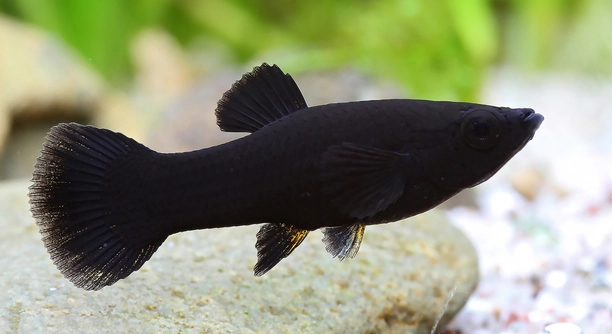
Black Molly fish are popular in home aquariums for their lively nature and ease of care. They often thrive in community tanks but sometimes display selective schooling habits, choosing which fish they swim alongside and which they avoid.
Black Molly may refuse to school with certain tank mates due to stress, territorial behavior, or differences in activity levels. Environmental factors such as tank size, water conditions, and hiding spaces also influence their willingness to interact socially.
Understanding why these fish behave this way can improve aquarium harmony and ensure all inhabitants feel secure and comfortable in their shared space.
Understanding Social Behavior in Black Molly
Black Molly are naturally social, but their interactions are influenced by personality and environmental factors. Some may prefer their own space, especially if they feel threatened or overwhelmed by active tank mates. When introduced to a new aquarium, their initial hesitation is normal. Observing their swimming patterns can help identify which fish they prefer to school with. Differences in size, color, and energy levels often play a role. Smaller or slower fish may be ignored, while more confident fish are quickly included in group swimming. Stressful conditions, such as poor water quality or sudden changes in temperature, can also make them retreat from social groups. Providing plants, hiding spots, and consistent feeding routines encourages comfort and gradual interaction. Over time, Black Molly may start engaging more with selected tank mates while continuing to avoid others. Patience and careful observation are key to understanding their behavior.
Environmental comfort and safety are essential for Black Molly to participate in schooling behaviors.
Careful tank management improves social cohesion. Observing their habits daily reveals preferences and stress triggers. Adjusting light, temperature, and water movement fosters a more inclusive environment. Avoid overcrowding, and provide consistent feeding schedules. Hiding spaces reduce stress and allow timid fish to explore gradually. When Black Molly feel secure, they engage more freely with others. Social acceptance is built over weeks, with gradual integration into groups.
Factors Affecting Grouping Decisions
Size differences in the tank affect schooling patterns. Larger fish often dominate space, while smaller ones may swim alone to avoid competition.
Black Molly assess their surroundings before joining groups. Overly aggressive or highly active tank mates may discourage interaction. Water parameters like pH, temperature, and clarity impact comfort levels. The presence of plants or decorations provides refuge, giving them confidence to explore. Social bonds form more easily among similar-sized fish with compatible energy levels. Gradual introductions and stable routines minimize stress and encourage participation. Even in large tanks, some individuals remain solitary due to natural temperament. Understanding these nuances helps maintain a balanced community. With attention to compatibility, environmental stability, and careful observation, Black Molly can coexist peacefully. Adjusting tank setups according to their preferences ensures that all fish have access to preferred spaces, feeding areas, and safe zones. Observing subtle signals, such as swimming patterns or fin displays, allows for timely intervention and better management. Over time, even cautious individuals may expand their interactions, enhancing overall tank harmony and creating a more engaging and healthy environment for every fish.
Tank Size and Layout
A cramped tank limits movement and forces Black Molly into close proximity, which can increase stress. Open swimming space and clear zones encourage natural schooling. Plants, rocks, and decorations should be arranged to provide shelter without isolating fish completely.
Larger tanks give Black Molly freedom to choose companions. Open areas allow dominant fish to patrol without constantly confronting smaller ones. Hiding spots reduce tension and encourage timid fish to join groups gradually. Proper filtration and water circulation create a stable environment, making them more likely to interact. Observing where they gather or avoid helps identify preferred social zones. Adjusting décor can guide schooling patterns naturally, supporting balanced group dynamics.
Tank layout directly impacts Black Molly behavior. Strategic placement of plants and rocks encourages inclusion while providing escape routes. Variation in height and open space allows them to exercise control over interactions. Multiple hiding spots let timid individuals approach larger fish safely. This balance reduces stress-related illnesses and supports consistent social behavior. Careful arrangement prevents overcrowding and fights. Monitoring changes over time allows adjustments that maintain harmony. The goal is a visually appealing, functional space that accommodates both solitary and social tendencies, ensuring a healthy, calm community.
Feeding and Social Interaction
Feeding schedules influence Black Molly grouping behavior. Fish often gather around consistent feeding points, strengthening social bonds.
Unequal access to food can lead to avoidance and isolation. Providing multiple feeding spots reduces competition, allowing smaller or shy fish to eat comfortably. Feeding at regular intervals establishes predictable patterns, encouraging them to interact near others. Food type also matters; live or high-protein foods stimulate activity, prompting natural swimming and schooling behaviors. Observation during feeding helps identify which fish are comfortable together. Adjusting quantity and placement of food ensures everyone participates without stress, supporting more cohesive social groups over time.
Water Quality and Temperature
Stable water conditions are crucial for Black Molly to feel secure. Sudden changes in temperature, pH, or ammonia levels can make them withdraw from schooling and act more solitary.
Maintaining clean water with regular testing reduces stress. Proper filtration and partial water changes ensure a healthy environment, encouraging consistent social behavior.
Tank Mates Compatibility
Black Molly often avoid aggressive or overly active species. Peaceful, similarly sized fish are more likely to be accepted into their swimming groups. Matching energy levels promotes group cohesion and reduces stress-related withdrawal, fostering a calmer community.
Observing Behavioral Cues
Watching swimming patterns and fin movements provides insight into their social preferences. Timid fish often linger near plants or tank edges, indicating reluctance to join groups.
Lighting and Environment
Consistent lighting schedules help Black Molly feel secure. Too bright or inconsistent lighting may cause stress and reduce their willingness to school.
Why does my Black Molly refuse to swim with others?
Black Molly may avoid certain tank mates due to stress, personality differences, or environmental discomfort. Some fish are naturally more timid and will stay apart from dominant or highly active companions. Overcrowded tanks or sudden changes in water conditions can also lead them to isolate themselves. Observing their interactions over time helps identify which factors are causing avoidance. Gradual introductions, proper hiding spots, and stable water conditions often encourage hesitant individuals to engage more comfortably with the group.
Can tank size affect Black Molly social behavior?
Yes, tank size plays a major role. Small tanks restrict swimming space, forcing fish into close contact, which can increase tension. Larger tanks provide room to explore, reducing stress and allowing them to choose companions freely. Open areas combined with strategically placed plants or decorations give timid fish safe spaces to approach others gradually. When fish feel secure and have control over their movements, they are more likely to join groups, improving overall schooling behavior.
How do water parameters influence schooling?
Stable water conditions are essential. Black Molly are sensitive to sudden fluctuations in temperature, pH, or ammonia levels. Stress from poor water quality can make them hide or swim alone. Consistent testing, proper filtration, and regular partial water changes create a healthier environment, encouraging natural schooling and reducing solitary behavior.
Do Black Molly prefer certain types of tank mates?
Yes, compatibility matters. Peaceful fish of similar size and energy levels are more likely to be accepted into their social groups. Aggressive or highly active species can intimidate them, causing isolation. Observing how different fish interact helps identify compatible companions. Gradually introducing new tank mates and monitoring behavior ensures that everyone can coexist peacefully.
Can feeding routines affect social interaction?
Feeding schedules strongly influence group behavior. Black Molly often gather at regular feeding times, reinforcing social bonds. Providing multiple feeding areas reduces competition and allows smaller or shy fish to eat comfortably. The type of food also matters; live or high-protein foods stimulate activity, encouraging natural swimming patterns and group engagement. Observing who feeds with whom can reveal comfort levels and social preferences.
Why do some Black Molly always stay near hiding spots?
Timid fish often linger near plants or decorations as a security measure. They may be avoiding more dominant or active companions, or they could be adjusting to new tank conditions. Providing multiple hiding spots ensures they feel safe while still allowing opportunities to join the group gradually. Patience is key, as some fish take longer to engage socially.
How does lighting impact Black Molly behavior?
Consistent lighting schedules help them feel secure. Bright or fluctuating lights can stress fish, reducing their willingness to school. Maintaining a predictable day-night cycle supports normal activity patterns and encourages interaction with other fish. Subtle changes in lighting can be used to gently guide timid fish into more open areas without causing alarm.
Is temperament the main reason for solitary behavior?
Temperament is a significant factor. Some Black Molly are naturally more independent and will prefer limited social interaction regardless of conditions. Recognizing these individual differences helps set realistic expectations for group dynamics. Adjusting tank environment, providing safe spaces, and avoiding forced interaction respects their natural behavior while still supporting a cohesive community.
How long does it take for Black Molly to adjust to new tank mates?
Adjustment periods vary. Some fish adapt in days, while others take weeks. Gradual introductions, stable water conditions, and observing comfort zones are essential. Monitoring interactions ensures that timid fish feel safe, while more confident individuals do not dominate, promoting long-term group harmony.
Can stress from illness or injury affect schooling?
Yes, sick or injured Black Molly often isolate themselves. They may seek shelter or reduce movement to recover. Identifying health issues early and treating them promptly helps restore normal social behavior. Providing a calm, clean environment minimizes additional stress and supports recovery while maintaining overall group cohesion.
Black Molly are fascinating fish with unique personalities and social preferences. Their decision to school or remain solitary is influenced by several factors, including temperament, tank conditions, and compatibility with other fish. Some Black Molly are naturally more independent, preferring to swim alone or with a select few companions. Others are more social and will readily join groups when they feel safe and comfortable. Understanding these differences helps create a balanced and peaceful aquarium environment. Observing their behavior daily provides insight into which conditions encourage social interaction and which may cause stress or avoidance. Adjusting tank setup, feeding routines, and water quality based on these observations can make a significant difference in their willingness to school.
Environmental factors play a major role in Black Molly behavior. Tank size, water quality, and layout all affect their comfort level and social interactions. A tank that is too small or overcrowded can cause tension and force fish into close contact, leading to avoidance or aggression. Conversely, a well-planned tank with open swimming areas, hiding spots, and consistent water conditions encourages natural schooling behaviors. Providing multiple feeding spots and maintaining a predictable schedule also supports social interaction. Even subtle factors, such as lighting intensity and plant placement, can influence how fish navigate their environment and interact with others. Paying attention to these details ensures that all fish feel secure, reducing stress and promoting harmony.
Patience is essential when managing Black Molly in a community tank. Some fish may take longer to adapt to new tank mates or environmental changes, while others may always prefer solitude. It is important to respect these individual differences while providing opportunities for safe interaction. Gradual introductions, careful observation, and thoughtful adjustments to the tank environment help build a more cohesive and healthy group over time. Recognizing that not all fish will school together consistently allows for realistic expectations and a calmer, more balanced aquarium. By prioritizing comfort, security, and consistent care, you can support the natural behavior of Black Molly while fostering a peaceful and thriving tank community.

Hello,
If you enjoy the content that we create, please consider saying a "Thank You!" by leaving a tip.
Every little bit helps us continue crafting quality advice that supports the health, happiness, and well-being of pets around the world, for pets of all shapes, sizes, and species.
We really appreciate the kindness and support that you show us!