
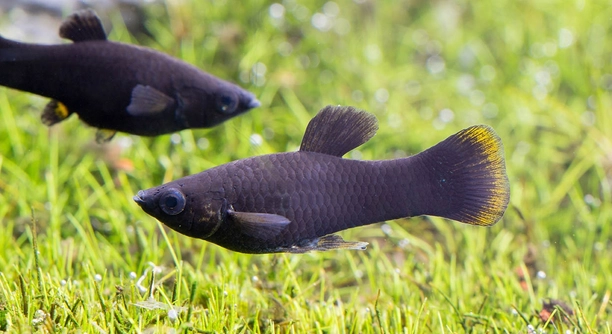
Do you ever find yourself bringing home a new black molly and noticing it seems stressed or unsure in its new tank environment? Adjusting to a new home can be challenging for these small, sensitive fish.
Helping a black molly settle faster involves creating a calm and stable environment. Ensuring water parameters are consistent, providing hiding spots, maintaining proper temperature, and minimizing sudden changes significantly reduces stress and supports a smooth adjustment period for the fish.
These simple yet effective steps can make a noticeable difference in your molly’s comfort and confidence in its new surroundings.
Prepare the Tank Before Bringing Your Black Molly Home
Before introducing your black molly, it is essential to make sure the tank is ready. Clean the tank thoroughly and fill it with treated water free from chlorine or harmful chemicals. Check the temperature and pH levels to ensure they match the species’ preferred conditions. Adding gravel, plants, and decorations creates hiding spaces, which can help your fish feel secure. Avoid overcrowding the tank, as too many fish can increase stress and aggression. Running a filter for a few days before introducing the molly ensures the water is well-oxygenated and stable. Lighting should be moderate, avoiding sudden bright lights that may startle the fish. A well-prepared tank can prevent shock and help your black molly adapt faster to its new home. Taking these steps shows attention to detail and makes a noticeable difference in your fish’s early days.
Proper preparation reduces stress and promotes a smoother transition for your molly, helping it adjust quickly.
Setting up a tank properly may take time, but it is worthwhile. Ensuring the water is treated and at the correct temperature prevents health issues. Decorations and plants provide hiding spaces, which are essential for your molly to feel safe. A stable environment with moderate lighting and a running filter ensures your fish has consistent conditions. Avoid sudden changes to water parameters, as black mollies are sensitive to fluctuations. Limiting the number of fish prevents overcrowding and competition for space. Paying attention to these details supports your molly’s comfort, encourages natural behavior, and helps it settle faster in its new home. Proper tank preparation is the first step toward creating a healthy, stress-free environment for your fish.
Gradually Introduce Your Black Molly
Introduce your black molly slowly to avoid shock. Use a quarantine or floating bag method to acclimate it to the new water.
Once the molly is in the tank, observe its behavior closely. Adjustments should be gradual, and changes in water conditions should be minimal.
Gradual introduction allows the molly to adjust without extreme stress. Slowly mixing tank water with the water in the transport bag over 15–30 minutes helps the fish adapt to temperature and chemical differences. Avoid pouring the fish directly into the tank, as sudden changes can cause shock. Observing the molly during this process ensures it is handling the transition well. Providing a quiet environment without sudden movements or vibrations reduces anxiety. Acclimating the fish carefully encourages healthy behavior, including feeding and swimming, and decreases the risk of illness. This method supports long-term well-being and builds a strong foundation for the molly’s comfort in its new home.
Maintain Stable Water Conditions
Keeping water stable is essential for a black molly’s comfort. Regularly monitor temperature, pH, and hardness to prevent stress. Sudden changes can make your fish anxious and affect its health.
Consistent water conditions help black mollies feel secure and adapt faster. Use a reliable thermometer and test kits to track temperature and pH levels daily. Avoid overfeeding, as leftover food can alter water quality. Partial water changes of 10–20 percent each week keep toxins low and maintain clarity. Filtration should be gentle to prevent strong currents that could stress the fish. Ensuring stability minimizes sudden shifts in the environment, supporting the molly’s natural behavior. Healthy, clean water reduces disease risks and keeps the fish active, swimming confidently throughout the tank.
Filtration, gentle circulation, and proper maintenance create an environment where your black molly can thrive. Keeping these factors consistent reduces stress, encourages feeding, and supports overall well-being. Proper water management is key to helping the fish settle quickly and enjoy its new surroundings.
Provide Hiding Spots and Decorations
Hiding spots help black mollies feel safe. Include plants, rocks, and small caves for shelter and resting areas.
Decorations give your molly places to explore and retreat when stressed. Live plants improve water quality and mimic a natural environment. Floating plants can reduce lighting intensity, creating shaded areas for comfort. Arrange rocks and ornaments to form hiding spots without blocking swimming space. Avoid sharp edges that could injure delicate fins. Varied terrain encourages natural behaviors like grazing and swimming. Observing how your molly interacts with the environment helps you identify preferred hiding areas. A well-decorated tank reduces aggression from other fish and makes the molly feel more secure. This setup promotes mental stimulation and supports quicker acclimation to the new home.
Adding diverse hiding options benefits black mollies by lowering stress and encouraging exploration. Plants and decorations create a more natural environment, fostering healthy behavior. Adjust placements as needed to keep the tank comfortable and accessible. Properly arranged hiding spots allow your fish to feel safe, reducing fear and promoting relaxation. Over time, the molly will gain confidence in swimming openly while still having areas to retreat when necessary. This balance between open space and shelter is vital for its adjustment and long-term well-being.
Control Lighting
Moderate lighting helps black mollies feel secure. Avoid sudden bright lights, which can startle them and increase stress levels in the tank.
Providing a consistent day-night cycle supports natural behavior. Use timers to maintain regular lighting and prevent unexpected changes that may unsettle your fish.
Feed a Balanced Diet
Offer high-quality flakes or pellets designed for livebearers. Supplement with occasional frozen or live foods to provide nutrients. A varied diet ensures proper growth, coloration, and overall health. Feeding small amounts twice daily prevents overfeeding and maintains water quality. Observing feeding habits helps identify stress or illness early.
Minimize Stress from Tankmates
Choose compatible tankmates to avoid aggression. Black mollies thrive with peaceful, similarly sized fish, reducing stress and promoting healthy interaction.
FAQ
How often should I change the water for my black molly?
Water changes should be done regularly to maintain a clean and healthy environment. A partial water change of 10–20 percent once a week is usually sufficient. Make sure the new water matches the temperature and pH of the tank to avoid shocking your molly.
What is the ideal temperature for black mollies?
Black mollies thrive in slightly warmer water. The recommended temperature range is 75–82°F (24–28°C). Keeping the water consistently within this range helps reduce stress and supports proper metabolism and activity. Avoid sudden temperature shifts, which can weaken their immune system.
Can I keep black mollies with other fish?
Yes, but choose peaceful tankmates of similar size. Avoid aggressive or fin-nipping species, as they can stress black mollies. Suitable companions include guppies, platies, and swordtails. Proper tank space and hiding spots further reduce the risk of conflicts.
How do I know if my black molly is stressed?
Signs of stress include hiding excessively, loss of appetite, clamped fins, or erratic swimming. Stress can also weaken the immune system, making mollies more prone to disease. Observing behavior daily helps catch problems early.
Do black mollies need live plants in the tank?
Live plants are beneficial but not strictly necessary. They provide hiding spaces, improve water quality, and make the environment more natural. Floating plants help reduce lighting intensity, which can calm nervous fish. Artificial plants can also work if they are smooth and safe.
How much should I feed my black molly?
Feed small portions two to three times a day. Only give what the fish can consume in a few minutes to prevent leftover food from contaminating the water. A balanced diet with both flakes and occasional live or frozen food keeps them healthy and vibrant.
Why is my black molly not eating?
Refusal to eat often indicates stress, illness, or poor water conditions. Check water quality, temperature, and tankmates for potential stressors. Quarantining new fish or treating for disease may be necessary if the molly continues to refuse food.
Do black mollies need a heater in the tank?
A heater is recommended if room temperature fluctuates below 75°F (24°C). Consistent warmth helps mollies stay active and reduces stress. Make sure the heater is reliable and doesn’t cause sudden temperature spikes.
Can black mollies live in a community tank?
Yes, black mollies can live in a community tank if conditions are stable and tankmates are peaceful. Providing plenty of hiding spots and monitoring behavior ensures all fish coexist without stress. Overcrowding should be avoided to prevent aggression and poor water quality.
How long does it take for a black molly to settle in?
Most black mollies start adjusting within a few days, but full acclimation may take one to two weeks. Maintaining stable water conditions, proper lighting, and a calm environment accelerates the process. Observation during this period helps you respond quickly to stress or health issues.
Are black mollies sensitive to water changes?
Yes, sudden large changes can stress them. Gradual water adjustments are safer, and partial changes are preferred over complete water replacements. This maintains beneficial bacteria and reduces the risk of shock.
Why is my black molly hiding so much?
Hiding is normal during adjustment, especially in a new tank. Ensure sufficient hiding spots are available and that tankmates are not aggressive. Once the fish feels secure, it will explore more freely.
Can I breed black mollies in a home aquarium?
Yes, black mollies breed easily. Provide a calm environment with plants for fry to hide. Separate pregnant females if necessary to protect young from being eaten. A balanced diet and stable conditions support successful breeding.
Do black mollies get sick often?
Black mollies are generally hardy, but poor water quality, stress, and incompatible tankmates increase disease risk. Common issues include fin rot and ich. Regular maintenance, proper feeding, and observation help prevent illness.
How do I encourage my black molly to explore the tank?
Adding plants, decorations, and varied terrain encourages natural swimming and foraging behavior. Keep lighting moderate and tankmates peaceful to reduce fear. Over time, the fish will feel confident moving through open areas.
Can black mollies tolerate brackish water?
Yes, black mollies can tolerate slightly brackish conditions. Adding a small amount of aquarium salt can mimic natural habitats and promote health, but avoid sudden changes and ensure the concentration is safe for all tank inhabitants.
How important is tank size for black mollies?
Tank size is very important. A minimum of 20 gallons is recommended for a small group to allow swimming space and reduce stress. Overcrowding can lead to aggression, poor water quality, and stunted growth.
Do black mollies need a filter?
Yes, filtration is essential to maintain water quality. A gentle filter prevents strong currents that may stress the fish. Regular filter cleaning ensures consistent performance and keeps the tank healthy.
What should I do if my black molly looks pale?
Pale coloring can indicate stress, illness, or poor water quality. Check temperature, pH, and tankmates. Improve diet with high-quality food and consider quarantining if disease is suspected. Prompt action helps prevent further health decline.
How can I make my black molly feel secure?
Stable water, hiding spots, compatible tankmates, and moderate lighting all help your molly feel safe. Observing behavior and adjusting the environment when needed promotes comfort and reduces stress.
This FAQ covers the most common concerns for black mollies, providing practical guidance to help them settle faster and thrive in a home aquarium.
Black mollies are sensitive fish that benefit from careful attention and a stable environment. Providing clean water, proper temperature, and consistent lighting creates a foundation for their health and comfort. When these conditions are maintained, black mollies tend to settle faster and show more natural behavior. Small adjustments, like adding hiding spots and gentle tankmates, make a noticeable difference in their daily activity and stress levels. Paying attention to water parameters, such as pH and hardness, ensures that your fish remain healthy and active. Consistency is more important than frequent changes, as sudden shifts in the environment can lead to anxiety or illness.
Feeding also plays an important role in helping black mollies adjust. A balanced diet with quality flakes, pellets, and occasional live or frozen foods supports growth, coloration, and overall well-being. Feeding in small portions twice daily prevents overfeeding and helps maintain water quality. Observing how your mollies respond to food can provide insights into their comfort and health. If a fish refuses to eat, it may indicate stress, illness, or water issues that need addressing. Maintaining a proper feeding routine alongside stable environmental conditions creates a sense of security, helping mollies settle more confidently into their new tank.
Behavioral factors, including tank decorations and interactions with other fish, also affect how quickly black mollies adapt. Providing plants, rocks, and small hiding spaces encourages exploration while allowing them to retreat when needed. Choosing compatible tankmates reduces aggression and competition, giving each fish room to feel safe. Gradual acclimation and careful observation during the first few weeks help identify problems early and ensure the fish are comfortable. By combining proper tank setup, stable water conditions, thoughtful feeding, and attention to behavior, black mollies can adjust more quickly and thrive in a home aquarium. These steps make the tank a secure, predictable environment, which is essential for their long-term health and happiness.

Hello,
If you enjoy the content that we create, please consider saying a "Thank You!" by leaving a tip.
Every little bit helps us continue crafting quality advice that supports the health, happiness, and well-being of pets around the world, for pets of all shapes, sizes, and species.
We really appreciate the kindness and support that you show us!