
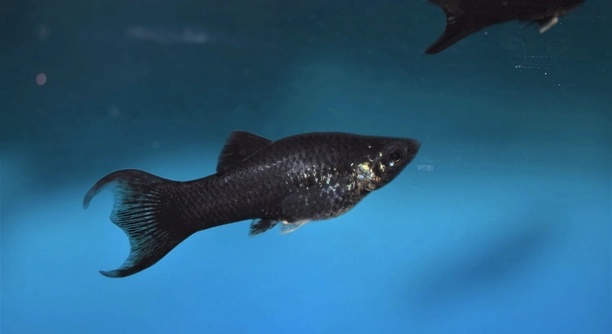
Do you ever notice your Black Molly swimming nervously in a new tank, darting from side to side without much rest? Many aquarists find themselves wondering how to create a calm environment for these lively fish.
Providing hiding spots early on is essential for Black Molly well-being. These spaces reduce stress, encourage natural behavior, and support healthy growth. Early access helps fish acclimate quickly to their environment and prevents prolonged anxiety or health issues.
Offering the right hiding spots can improve your Black Molly’s comfort, confidence, and overall activity in the tank. It sets the stage for a happier, healthier aquatic life.
Why Hiding Spots Matter for Black Mollies
Black Mollies are naturally cautious fish. In a new tank, the sudden environment can feel overwhelming, triggering stress responses that affect appetite, swimming, and immune health. Providing hiding spots gives them a sense of security, allowing them to explore the tank at their own pace. Plants, small caves, and decorations create safe zones where they can rest without feeling threatened. When fish have these spaces from the start, they are more likely to develop consistent feeding habits and interact with other tank mates calmly. Lack of hiding spots can lead to aggression or hiding in corners, which may reduce overall activity and enjoyment for observers. Simple additions like floating plants or a few decorative caves make a big difference, especially during the first weeks after introduction. Observing your Black Mollies use these spaces can also give you insight into their comfort and preferences.
Hiding spots support both mental and physical health, reducing stress-induced issues and promoting natural behaviors.
By integrating various types of shelters, you encourage exploration and reduce territorial disputes. Over time, your Black Mollies will recognize safe areas, which improves swimming patterns and overall confidence. Even in a well-established tank, adding new hiding places can refresh the environment and keep the fish engaged. It’s also important to arrange the spaces so they are accessible yet varied in size and texture. This variety allows each fish to find a spot that fits its personality and size. Observing which spots are preferred can guide future tank setups or adjustments. Maintaining clean hiding areas ensures they remain inviting and free from debris. These measures collectively enhance the health and well-being of your Black Mollies, creating a more harmonious tank environment for both the fish and anyone maintaining it.
Types of Hiding Spots
Natural plants and artificial caves are effective for Black Mollies.
Using dense plants, driftwood nooks, or small decorative caves gives Mollies options. These structures mimic their natural habitats and allow for retreat during stress. Fish feel secure and can explore freely, maintaining balance in social interactions.
Selecting hiding spots requires considering fish size and tank layout. Plants like Java moss or tall Vallisneria provide soft, natural cover, while resin or ceramic caves offer sturdier retreats. Floating plants create overhead cover, reducing light intensity and making shy fish more active. Avoid overcrowding the tank, as excessive hiding spots can restrict swimming space and cause territorial behavior. Placement near feeding areas encourages natural movement while ensuring Mollies can escape when needed. Observing your fish helps determine which spots are preferred and how often they use them. Adjusting layouts over time can maintain interest and reduce stress. A mix of textures and heights ensures all fish, regardless of size or personality, have access to comfort zones. This setup not only promotes healthy behavior but also makes your tank visually dynamic and functional.
When to Introduce Hiding Spots
Hiding spots should be added as soon as Black Mollies are placed in a new tank. Early access reduces stress and encourages natural behavior. Waiting too long can make fish wary and less likely to explore or feed properly.
Introducing hiding spots immediately helps Mollies adapt to their surroundings without fear. Young or new fish are particularly sensitive to changes in light, movement, and water flow. Providing caves, plants, and small nooks right away allows them to establish routines safely. Early access also reduces aggression, as each fish can claim its own space without confrontation. Watching them explore these areas gives insight into their comfort and confidence levels, making it easier to adjust tank layout for better harmony.
Even in a tank with established residents, adding hiding spots benefits newcomers and existing fish alike. Placement should consider swimming routes and feeding zones to avoid overcrowding. Observing interactions helps identify which areas are preferred or ignored. Adjusting locations can prevent dominance struggles and encourage more active behavior. Over time, Mollies learn to use these spaces strategically for resting, socializing, and escaping stress, promoting long-term health and reducing potential injuries. Consistency and observation are key to maintaining a safe, comfortable environment.
Materials That Work Best
Plastic and ceramic decorations are durable and safe for Black Mollies.
Using soft, natural-feeling materials like silk plants or smooth ceramic caves prevents injuries and creates comfortable retreats. Avoid sharp edges or untreated woods that can harm fish or alter water chemistry.
When selecting materials, consider durability and tank conditions. Ceramic caves and resin decorations are easy to clean and resistant to algae buildup. Live or artificial plants provide both cover and visual interest, offering a more natural feel without taking up excessive space. Avoid metals or painted items that can leach chemicals. Soft textures, rounded edges, and stable placement prevent stress or accidental harm. Rotating or occasionally changing materials can renew interest while maintaining comfort. Combining textures and heights ensures all fish, regardless of size or temperament, can find suitable hiding spaces. This approach improves overall behavior and keeps the tank environment engaging for years.
Placement Tips for Hiding Spots
Place hiding spots where Black Mollies naturally swim or rest. Corners, near plants, and along tank edges work well. Avoid blocking open swimming areas to keep the tank balanced.
Ensure hiding spots are easily accessible but not too close together. This allows each fish to have a personal retreat without causing crowding or territorial conflicts.
Benefits of Varied Hiding Spots
Using a mix of caves, plants, and overhangs encourages exploration and reduces stress. Mollies feel secure while adjusting to new surroundings. Variety allows timid fish to find suitable shelters, while more confident ones can interact freely. It supports social balance and reduces aggressive encounters. Consistent hiding options improve overall tank harmony and long-term well-being.
Maintenance Considerations
Regular cleaning of hiding spots prevents algae buildup and debris accumulation. Safe, simple cleaning helps keep retreats inviting and healthy.
FAQ
Should hiding spots be added immediately after introducing Black Mollies to a tank?
Yes, adding hiding spots right away helps reduce stress and encourages natural behavior. Black Mollies are sensitive to new environments, and immediate access allows them to explore at their own pace. Early introduction also lowers the chance of aggression and promotes consistent feeding habits.
How many hiding spots are enough for a small tank?
A small tank benefits from at least two to three hiding spots. One in a corner, one near plants, and one along an edge creates multiple safe zones. This prevents territorial disputes and ensures shy fish have a retreat, even if other fish dominate a particular area.
Can live plants serve as hiding spots?
Yes, live plants are excellent hiding spots. Dense plants like Java moss or Vallisneria provide natural cover while also improving water quality. They create soft, safe spaces that encourage timid fish to explore without feeling exposed. Floating plants also reduce light intensity, helping shy fish feel more secure.
Are artificial caves better than natural decorations?
Both have advantages. Artificial caves, made of ceramic or resin, are durable, easy to clean, and safe for fish. Natural decorations like driftwood or smooth rocks offer a more authentic feel but may require monitoring for water chemistry changes. Combining both types creates a more dynamic environment.
Should hiding spots be moved around?
Occasional adjustment can refresh the tank environment, but frequent changes may stress Black Mollies. Moving a hiding spot every few weeks or when adding new fish is sufficient. Observing fish behavior helps decide whether repositioning is beneficial or unnecessary.
Do hiding spots affect feeding behavior?
Yes, hiding spots influence how fish approach food. When safe spaces are available, timid fish are more likely to leave their hiding places and feed confidently. Placing feeding areas near but not inside hiding spots encourages natural movement while maintaining a sense of security.
Can too many hiding spots cause problems?
Excessive hiding spots can limit swimming space and cause territorial disputes. Each fish needs both cover and open space. A well-balanced layout ensures sufficient shelter without overcrowding, allowing Mollies to move freely while still having secure retreats.
How often should hiding spots be cleaned?
Cleaning every few weeks or as needed prevents algae buildup and keeps spaces healthy. Remove debris and scrub surfaces gently with a soft brush. Avoid harsh chemicals that could harm fish or disrupt water parameters. Regular cleaning maintains both safety and attractiveness of the hiding spots.
Do young Black Mollies need more hiding spots than adults?
Young Mollies are generally more cautious and benefit from extra hiding spaces. Providing multiple shelters supports growth, reduces stress, and helps them develop natural swimming and social behaviors. Adults also use hiding spots but may rely on fewer retreats once accustomed to the tank environment.
Can hiding spots reduce aggression among tank mates?
Yes, hiding spots help reduce aggression by giving fish personal spaces. Fish can retreat without confrontation, lowering stress levels and promoting peaceful cohabitation. Proper placement and variety ensure all fish, regardless of size or temperament, have access to a safe area, maintaining a balanced and harmonious tank environment.
Are floating hiding spots useful?
Floating plants or structures provide overhead cover that some fish prefer. They can help reduce light intensity, making shy Mollies more confident in swimming and feeding. Floating options also diversify the tank’s environment and give fish additional layers of safety above the substrate.
Do hiding spots affect breeding behavior?
Hiding spots can encourage breeding by offering secluded areas for fry and adult pairs. Dense plants or small caves allow females to lay eggs safely, while males can establish territories without overly aggressive interactions. Providing multiple options increases the likelihood of successful reproduction and fry survival.
Can I make DIY hiding spots?
Yes, DIY options like PVC pipes, coconut shells, or safe plastic decorations work well. Ensure materials are aquarium-safe, non-toxic, and smooth to prevent injuries. DIY spots allow customization to fit tank size and provide variety for the fish, making the environment more stimulating.
How can I tell if my Black Mollies are using hiding spots correctly?
Observe fish behavior closely. If they enter and exit spots regularly, rest comfortably, or retreat when stressed, they are using the spaces effectively. Signs of underuse may indicate overcrowding, poor placement, or stress, signaling a need for adjustment in layout or number of shelters.
Should hiding spots differ for mixed-species tanks?
Yes, in mixed-species tanks, hiding spots should accommodate all fish sizes and temperaments. Taller or wider structures may be necessary for larger fish, while smaller, dense spots benefit shy species. Variety ensures peaceful cohabitation and reduces stress for all tank inhabitants.
Do hiding spots help with water quality?
Indirectly, yes. Live plants used as hiding spots can absorb nitrates and provide oxygen, improving water quality. They also reduce light intensity and create microhabitats that mimic natural environments, contributing to healthier, more comfortable conditions for Black Mollies.
Can rearranging hiding spots help timid fish become bolder?
Gradual rearrangement can encourage timid Mollies to explore new areas. Introducing new structures slowly allows fish to investigate safely without feeling threatened. Careful observation is key to ensure changes do not increase stress or provoke territorial disputes.
Are there signs that hiding spots are inadequate?
Signs include constant hiding in corners, erratic swimming, reduced feeding, or aggression among tank mates. These behaviors suggest insufficient or poorly placed hiding spots. Adding or adjusting shelters can restore balance and improve fish comfort, encouraging more natural behavior and healthier interactions.
Do hiding spots affect water flow?
Yes, dense structures can alter water currents. Placement should maintain gentle flow throughout the tank, ensuring filtration efficiency and oxygen distribution. Avoid completely blocking water movement to prevent stagnant zones, which can compromise health and water quality.
Can I combine plants and caves in the same spot?
Combining plants and caves provides layered cover that appeals to different fish behaviors. Mollies can rest inside caves while using plant cover for additional security. This setup increases the utility of hiding spots and enriches the tank environment, supporting both physical and mental well-being.
Are hiding spots necessary for a single Black Molly?
Even a single fish benefits from hiding spots. Solitary Mollies may feel stressed in open tanks. Providing at least one retreat reduces anxiety, encourages natural swimming patterns, and supports overall health, ensuring a more comfortable and stable environment.
Do hiding spots need to match tank décor?
Matching décor is optional and mostly aesthetic. Functionality is more important than appearance. Ensure spots are safe, accessible, and appropriately sized. Consistent maintenance and thoughtful placement matter more than visual uniformity when supporting Black Mollies’ well-being.
Can hiding spots help during water changes?
Yes, hiding spots give Mollies a safe retreat during potentially stressful water changes. They allow fish to stay calm and reduce sudden movement or aggression. Maintaining consistent hiding places during maintenance helps fish feel secure despite environmental changes.
Is it better to have permanent or movable hiding spots?
A combination works best. Permanent spots provide stability and security, while movable options allow for occasional adjustment to encourage exploration and prevent boredom. Observing fish reactions helps determine the optimal balance between fixed and flexible shelters.
Do hiding spots influence how active Black Mollies are?
Yes, proper hiding spots can increase activity. Fish feel secure enough to swim, explore, and feed. Without adequate cover, Mollies may remain hidden or stressed, reducing movement. Providing safe retreats encourages confidence and natural behaviors throughout the tank.
How do hiding spots impact fry survival?
Hiding spots are critical for fry. Dense plants and small caves protect young fish from adults and other tank inhabitants. Adequate shelters increase survival rates and reduce stress, allowing fry to grow in a safer environment. Strategic placement ensures all fry have access to cover.
Can hiding spots reduce disease risk?
Indirectly, yes. Reduced stress from proper hiding spots strengthens immune response, making fish less susceptible to illness. Clean, well-maintained shelters also minimize the buildup of harmful bacteria or algae, supporting overall tank health and longevity.
How long should hiding spots remain in the tank?
Hiding spots should remain as long as the fish use them. Even adult Black Mollies benefit from consistent shelters. Removing them can increase stress, so permanent or semi-permanent placement is recommended, with occasional adjustments to maintain interest and functionality.
Are transparent hiding spots effective?
Transparent or partially see-through spots provide some cover but may not feel fully secure for timid fish. Opaque or dense materials are generally more effective, giving Mollies a true retreat while still allowing observation for caretakers.
Do hiding spots influence social hierarchy?
Yes, hiding spots help manage social interactions. Fish can establish territories without constant confrontation. Multiple options prevent dominance disputes and allow shy individuals to coexist with more assertive tank mates, promoting a balanced and peaceful environment.
Can adding hiding spots be a long-term strategy?
Absolutely. Well-chosen hiding spots support mental and physical health over the life of your Black Mollies. They encourage natural behavior, reduce stress, and maintain tank harmony. Long-term planning ensures all fish have access to safe retreats and the tank remains functional and engaging.
Is there a preferred location for hiding spots in large tanks?
In large tanks, distribute hiding spots evenly along edges, corners, and plant clusters. Vary heights and depths to suit different fish. This prevents overcrowding, encourages exploration, and ensures all fish can access secure areas without disrupting swimming space.
Do hiding spots need lighting considerations?
Yes, some Mollies prefer dimmer areas. Hiding spots near shaded regions or under floating plants provide relief from bright lights. Adjusting lighting helps balance security and visibility, making fish feel more comfortable while still allowing observation.
How do hiding spots affect tank aesthetics?
Hiding spots can enhance visual appeal while serving a functional purpose. Using plants, rocks, and decorations thoughtfully creates a natural, dynamic environment. Balancing aesthetics with safety ensures the tank is both pleasing to look at and comfortable for Black Mollies.
Can hiding spots improve acclimation of new fish?
Yes, introducing hiding spots before adding new fish helps them settle quickly. Safe retreats allow exploration without fear, reduce stress, and encourage healthy feeding and social behaviors. Proper placement accelerates acclimation and integrates new fish smoothly into the existing community.
Do hiding spots need to be anchored?
Yes, especially caves and heavier decorations. Anchoring prevents tipping or shifting that could injure fish. Plants may require substrate or weights to remain in place. Stability ensures consistent safe zones and maintains tank safety.
Are some types of hiding spots better for nocturnal activity?
Dense plants, caves, and floating shelters benefit fish during nighttime activity. Mollies may feel safer exploring under cover, reducing stress during dark periods. Providing these options allows natural nocturnal behavior without exposure or anxiety.
Can hiding spots prevent boredom in Black Mollies?
Yes, varied hiding spots encourage exploration and interaction with the environment. Fish can investigate different areas, use multiple retreats, and engage with new structures, promoting mental stimulation and active behavior throughout the tank.
How do hiding spots interact with water heaters or filters?
Avoid placing hiding spots directly in front of heaters or filters. This ensures consistent water flow and prevents fish from being trapped near strong currents or heat sources. Proper placement balances comfort with functional tank equipment.
Are natural-looking hiding spots preferred over abstract designs?
Natural-looking spots are often more comforting, but well-designed abstract decorations can also be effective if safe and functional. Focus on security, accessibility, and stability rather than style alone. Observation of fish behavior confirms which spots are truly effective.
Can hiding spots affect territorial disputes in mixed-size groups?
Yes, proper distribution prevents larger fish from monopolizing spaces. Multiple shelters allow smaller or timid fish to retreat safely, reducing aggression and promoting harmony. Adjusting spot size and placement supports coexistence among varied tank inhabitants.
Do hiding spots need to match fish size exactly?
Not exactly, but size-appropriate spots are important. Fish should fit comfortably without being cramped or overly exposed. Offering a variety of sizes ensures both juveniles and adults have suitable retreats.
Can hiding spots help reduce stress during transport?
Yes, temporary hiding spots in transport containers give fish a sense of security. Even small, simple retreats reduce movement and stress, making travel less traumatic and supporting survival during relocation.
Do hiding spots need to be part of the tank from the start?
While not strictly necessary, starting with hiding spots makes acclimation easier. New fish adapt faster, exhibit normal behaviors, and maintain healthier routines. Early introduction sets the foundation for long-term comfort and well-being.
Are hiding spots beneficial for solitary Black Mollies in a community tank?
Yes, even one fish benefits from access to retreats. A solitary Molly can escape more aggressive tank mates or stressful interactions, promoting confidence and reducing anxiety while still participating in group dynamics.
How important is observation for hiding spot effectiveness?
Observation is key. Watching how Mollies interact with shelters reveals which spots are preferred, which are ignored, and how they influence behavior. This allows adjustments for comfort, security, and overall tank harmony.
Can hiding spots help during illness or recovery?
Yes, sick or recovering fish use hiding spots to rest without disturbance. This reduces stress, allows healing, and prevents bullying from more active tank mates. Accessible, quiet areas are essential for recovery periods.
Do hiding spots need seasonal changes?
Not strictly, but occasional minor adjustments keep fish engaged and prevent boredom. Seasonal decor or rearrangement can refresh the tank while maintaining secure retreats, balancing stimulation with stability.
Are some materials better for long-term use?
Ceramic, resin, and smooth plastics last longer than untreated wood or fragile natural items. Long-term materials reduce replacement needs and maintain consistent, safe environments. Durable options are easier to clean and maintain over time.
Can hiding spots affect mating behavior in mixed-species tanks?
Yes, appropriate shelters give breeding pairs privacy while minimizing stress from other species. Multiple options prevent territorial disputes and allow more successful reproduction without interference.
Do hiding spots need to be monitored for algae growth?
Yes, regular inspection and cleaning prevent algae accumulation. Algae can reduce space usability and affect water quality. Routine maintenance keeps hiding spots healthy, safe, and inviting for Black Mollies.
Can hiding spots influence overall tank activity levels?
Yes, proper spots encourage active exploration. Confident, secure fish swim, feed, and interact more, creating a lively, balanced tank environment. Without adequate retreats, activity may decrease, and stress behaviors can increase.
Do hiding spots need different arrangements for vertical vs. horizontal tanks?
Yes, vertical tanks benefit from layered options at different heights. Horizontal tanks require distributed spots along the floor and edges. Tailoring placement to tank shape maximizes security and encourages natural swimming patterns.
Are hiding spots important for all Black Molly temperaments?
Yes, timid and bold fish alike benefit. Timid fish gain confidence, while bolder fish can use spots for short retreats or territorial purposes. Multiple, varied hiding areas accommodate all personalities.
Can hiding spots reduce stress during water parameter fluctuations?
Yes, they provide security when minor changes occur. Fish can retreat until conditions stabilize, reducing stress-related health issues. Maintaining accessible shelters is a simple but effective way to buffer environmental changes.
Do hiding spots need to be replaced over time?
Replacement isn’t always necessary if structures remain safe and clean. However, worn, broken, or algae-covered spots should be updated. Fresh, intact hiding places maintain both functionality and fish comfort.
Can hiding spots help with aggression in breeding pairs?
Yes, multiple retreats allow both partners to maintain territory without constant confrontation. Providing cover for fry and adults reduces stress and increases breeding success in the tank.
Do hiding spots help during tank rearrangements?
Yes, keeping familiar hiding spots during changes provides consistency and security. Fish rely on known retreats to manage stress, making transitions smoother and less disruptive.
Are hiding spots necessary for beginner aquarists?
Absolutely. Beginners benefit because hiding spots reduce stress-related behavior, making it easier to observe feeding, growth, and general health. Early implementation supports fish well-being and improves tank management confidence.
Do hiding spots contribute to natural behavior expression?
Yes, they allow resting, hiding, territorial displays, and exploration. Black Mollies can engage in instincts without risk, supporting mental and physical health while maintaining a balanced tank ecosystem.
Can hiding spots prevent bullying in community tanks?
Yes, retreats give weaker or timid fish spaces to escape aggressors. Proper distribution reduces conflict, ensuring peaceful coexistence and improving overall tank harmony.
Do hiding spots need to be proportionate to the number of fish?
Yes, more fish require more hiding options. Providing one or more retreats per individual or small group ensures all have access to safe spaces, preventing stress and territorial disputes.
Are hiding spots beneficial for seasonal tank lighting changes?
Yes, they provide shaded areas when lights are brighter or on longer cycles. Fish feel secure and can regulate exposure, reducing stress and maintaining natural activity patterns.
Can hiding spots be used for enrichment?
Yes, varied textures, shapes, and placements encourage exploration. Fish interact with their environment, supporting mental stimulation, natural behavior, and overall well-being.
Do hiding spots need to be anchored for safety?
Yes, stability prevents tipping or injury. Heavy or unsteady spots can trap fish or cause accidents. Anchored or well-supported decorations maintain secure retreats.
Are hiding spots helpful during illness outbreaks?
Yes, retreats provide resting areas for sick fish, reducing stress and preventing harassment by healthier tank mates. Accessible shelters are important for recovery and containment of weak individuals.
Can hiding spots reduce stress for newly purchased Mollies?
Yes, new fish acclimate faster when safe spaces are available immediately. They explore gradually and maintain normal feeding behavior, reducing shock from the new environment.
Do hiding spots need to be varied in height?
Yes, vertical variety benefits fish that swim at different levels. High caves, floating plants, and low-floor shelters accommodate diverse behaviors, providing security for all fish regardless of swimming preference.
Are hiding spots useful in nano tanks?
Even in small tanks, compact hiding spots are important. They offer retreats without overcrowding, supporting healthy behavior and reducing stress in limited space.
Can hiding spots help during water testing or maintenance?
Yes, fish can retreat safely while you handle testing, cleaning, or water changes. Secure shelters reduce stress and make routine tasks less disruptive to tank inhabitants.
Do hiding spots need different textures?
Varied textures improve engagement and comfort. Smooth surfaces prevent injury, while natural-feeling materials provide a more authentic environment. A mix caters to individual preferences and encourages natural interaction.
Are hiding spots necessary for single-species tanks?
Yes, even with only Black Mollies, retreats reduce stress, encourage natural behavior, and support overall health. Single-species tanks still require secure areas for resting and exploration.
Can hiding spots help prevent disease spread?
Indirectly, yes. Reduced stress strengthens immunity, and well-maintained spots prevent buildup of harmful bacteria. Regular cleaning ensures safe, usable retreats.
Do hiding spots influence schooling behavior?
Yes, they allow fish to gather safely and retreat individually if needed. Balanced placement encourages
Providing proper hiding spots for Black Mollies is one of the simplest ways to support their health and comfort. These fish are naturally cautious, and a lack of safe retreats can lead to stress, reduced activity, and health problems. By adding hiding spots early on, you give them a sense of security that encourages natural behavior, such as exploring the tank, feeding regularly, and interacting calmly with other fish. Hiding spots also reduce aggressive encounters because fish can retreat when needed, which is especially important in community tanks or when introducing new fish. Even a single Black Molly benefits from having at least one or two shelters, as they help the fish feel more confident and relaxed in the environment. The presence of hiding spots can also make it easier for aquarists to observe normal behavior and detect any issues early, such as signs of illness or stress, because fish are less likely to remain hidden in corners out of fear.
Choosing the right type of hiding spot is equally important. A mix of live or artificial plants, ceramic caves, and other aquarium-safe decorations can provide a variety of retreats for different temperaments and sizes of Black Mollies. Dense plants like Java moss or tall Vallisneria create soft cover, while small caves or resin decorations provide sturdier shelters. Floating plants can offer overhead cover and reduce light intensity, which makes timid fish more confident in exploring the tank. Proper placement is also essential. Hiding spots should be spread throughout the tank, along edges, corners, and near natural swimming routes, so every fish has access without overcrowding the space. For young Mollies, multiple small shelters can help them develop confidence and encourage healthy growth, while adult fish may rely on fewer but well-positioned retreats. Rotating or slightly rearranging hiding spots occasionally can keep the tank environment engaging and encourage exploration while maintaining a consistent sense of security.
Maintenance and care of hiding spots play a key role in ensuring their effectiveness. Regular cleaning is necessary to prevent algae buildup and debris accumulation, which could make spaces less inviting or even unsafe. Avoid harsh chemicals, and instead use gentle scrubbing or rinsing to keep decorations, caves, and plants clean. Monitoring fish behavior is also useful; it helps identify whether certain hiding spots are underused or overcrowded, which can guide adjustments in placement or quantity. Over time, Black Mollies will become familiar with their shelters, using them not just for retreat but also for resting, social interactions, and even breeding. Consistently providing secure, well-maintained hiding spots improves fish confidence, reduces stress, and promotes long-term health, creating a harmonious tank environment where Black Mollies can thrive naturally.

Hello,
If you enjoy the content that we create, please consider saying a "Thank You!" by leaving a tip.
Every little bit helps us continue crafting quality advice that supports the health, happiness, and well-being of pets around the world, for pets of all shapes, sizes, and species.
We really appreciate the kindness and support that you show us!