
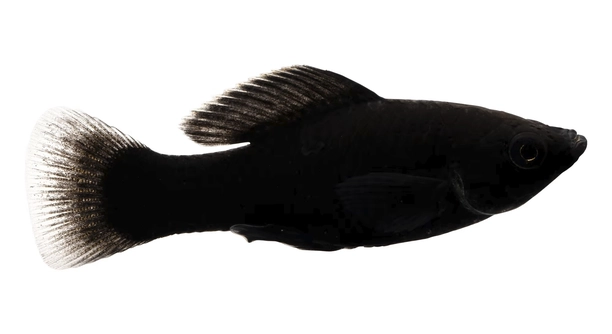
Keeping a Black Molly happy and healthy takes attention and care. These small fish are sensitive to their diet, and even slight changes can affect their energy, appearance, and overall behavior in the tank environment.
Signs that a Black Molly is struggling with its diet often include weight loss, lethargy, faded coloration, and irregular swimming patterns. Nutritional deficiencies and improper feeding routines are primary causes, which can significantly impact the fish’s growth and immune system.
Recognizing these signs early can help you make changes to improve your Molly’s health. Small adjustments in feeding and nutrition can make a big difference in its daily life.
Loss of Appetite
A Black Molly that suddenly loses interest in food can be showing one of the earliest signs of dietary trouble. They may swim around the tank lazily, barely touching their usual flakes or pellets. Overfeeding can sometimes cause this, as leftover food fouls the water, making it less appealing to eat. Nutrient deficiencies can also reduce their appetite, especially if their diet lacks protein or essential vitamins. Observing the tank closely helps identify patterns, like whether the fish eats at certain times or ignores food entirely. Sometimes, stress from tank mates or water conditions can worsen the lack of appetite. Providing fresh, high-quality food in small amounts and maintaining clean water often encourages eating. Watching for slow but steady improvement can indicate that dietary adjustments are working. Avoid sudden diet changes, as these can further confuse the fish. Consistency in feeding and tank maintenance is key to helping a Molly recover its natural appetite.
Loss of appetite often signals an immediate need to assess feeding routines and water conditions for optimal fish health.
Addressing appetite loss involves checking water quality first. Poor water conditions can make fish avoid eating and appear lethargic. Next, inspect the diet. Black Mollies thrive on a mix of flake food, occasional live or frozen treats, and vegetables like blanched spinach or cucumber. Avoid feeding too much at once; small, frequent portions encourage consistent eating. Make sure the tank has stable temperature and pH levels, as sudden changes can stress the fish and reduce appetite. If several fish share the tank, ensure none are dominating the food. Observing behavior closely while introducing dietary adjustments helps determine what works best. Over a week, a Molly should show renewed interest in food and more active swimming. Patience and careful monitoring are essential when helping a fish regain a healthy appetite and proper nutrition.
Faded Coloration
When a Black Molly’s color starts to dull, it often reflects a nutritional imbalance. Even minor deficiencies in vitamins and minerals can lead to a noticeable loss of vibrancy. Mollies fed primarily on low-quality flakes without occasional vegetables or protein sources are more prone to this issue. Faded coloration can also indicate stress or illness, but diet is a major factor that can be corrected. A proper mix of protein-rich foods, vegetables, and occasional treats like brine shrimp or bloodworms can restore their natural black shine.
A balanced diet directly influences the intensity of a Molly’s color, helping it remain lively and vibrant in the tank.
Reintroducing variety into the diet can reverse color fading over time. Start with fresh, high-quality flake food, ensuring it contains essential vitamins and minerals. Add blanched vegetables such as zucchini or spinach to provide fiber and micronutrients. Incorporate occasional protein sources like frozen or live brine shrimp or daphnia to enhance pigment development. Avoid overfeeding, as excess waste can degrade water quality and further stress the fish. Monitor behavior alongside coloration; active swimming and healthy appetite are signs the diet is improving. Consistent feeding schedules combined with water maintenance help the fish regain its black, glossy appearance. Over several weeks, the Molly should appear more vibrant and energetic, reflecting better health and nutrition.
Lethargy
Lethargy in Black Mollies is often linked to poor diet or lack of essential nutrients. When your fish spends more time at the bottom of the tank and moves slowly, it may be struggling to get the energy it needs from food.
A consistent diet lacking protein and vitamins can make a Molly unusually inactive. Feeding only one type of flake food or skipping vegetable supplements limits essential nutrients. Overfeeding can also contribute, as uneaten food pollutes the water, causing stress and reducing energy. Monitoring their swimming patterns and response to feeding times helps identify whether lethargy is diet-related. Providing balanced meals in small portions encourages more natural activity. In addition to diet, keeping water parameters stable and tank clean improves overall energy levels. Adjustments to both feeding habits and environment often result in a noticeable increase in vitality over a few days.
Lethargy is not only a behavioral concern but a clear signal that dietary improvements are needed. Observing changes after adjusting food provides insight into overall health.
Irregular Swimming Patterns
Erratic swimming often indicates a nutritional imbalance or deficiency in Black Mollies. Fish may dart suddenly, circle repeatedly, or struggle to maintain stability when essential nutrients are missing.
Vitamins and minerals play a key role in muscle coordination and energy metabolism. Deficiencies in nutrients like vitamin C or calcium can affect swimming ability. Overfeeding or feeding low-quality flakes also impacts buoyancy and movement, as leftover food degrades water quality. Ensuring a varied diet with fresh vegetables, protein-rich treats, and high-quality flakes supports muscle function and proper swimming behavior. Regularly checking water temperature, pH, and cleanliness helps prevent stress-related irregular movement.
Maintaining balanced nutrition and stable tank conditions improves swimming patterns gradually. Providing frequent small meals rather than large amounts at once helps the fish absorb nutrients better. Observation is key: healthy Mollies will swim steadily, explore the tank, and react normally to food or tankmates. Consistency in diet and environment reinforces muscle coordination, energy, and overall well-being, allowing your Molly to regain natural, smooth swimming patterns over time.
Weight Loss
Sudden or gradual weight loss in Black Mollies usually points to a nutritional problem. Inadequate protein intake or poor-quality food can cause them to become thin, making their bones more visible.
Monitoring portions and ensuring a balanced diet with protein and vegetables helps stabilize weight. Regular observation ensures that changes are addressed quickly before health worsens.
Bloated Abdomen
A bloated belly in Black Mollies can indicate overfeeding or constipation from a low-fiber diet. Feeding too many flakes or skipping vegetable supplements often leads to swelling. Adding blanched vegetables like zucchini or spinach and reducing portion sizes helps relieve bloating. Observing stool consistency and adjusting feeding frequency restores digestive balance.
Fin Deterioration
Poor nutrition can weaken fins, causing them to fray or appear shorter. Protein and vitamin deficiencies reduce fin regeneration and overall resilience. Maintaining a balanced diet and clean water conditions encourages fin recovery and prevents further deterioration.
How can I tell if my Black Molly’s diet is causing health issues?
Observing behavior, appearance, and appetite are key. A Black Molly that refuses food, swims sluggishly, loses color, or shows fin deterioration may be struggling with nutrition. Weight loss, bloating, or irregular swimming are also strong indicators. Regular observation and noting changes over time make it easier to identify diet-related problems.
What foods should I feed a Black Molly to maintain good health?
A balanced diet includes high-quality flake food, protein sources like frozen or live brine shrimp, and vegetables such as blanched zucchini, cucumber, or spinach. Variety ensures essential vitamins and minerals are supplied. Feeding small amounts multiple times a day is better than one large portion, reducing waste and preventing overfeeding.
How often should I feed my Black Molly?
Feeding two to three small meals daily is ideal. Overfeeding can lead to bloating, poor water quality, and lethargy. Small, consistent portions help the fish digest food efficiently while providing a steady source of nutrients. Observing how quickly the fish finishes food can help adjust portion size.
Can water quality affect my Molly’s diet and health?
Yes, water conditions greatly influence appetite and nutrient absorption. High ammonia, nitrite, or nitrate levels, or sudden changes in temperature or pH, can stress fish and reduce eating. Keeping the tank clean, maintaining stable parameters, and performing regular water changes supports both feeding and overall health.
Is it normal for Black Mollies to lose color sometimes?
Temporary color fading can occur with stress, illness, or dietary deficiencies. Persistent dullness usually indicates insufficient nutrients like protein, vitamins, or minerals. Adding a mix of protein-rich foods, vegetables, and occasional treats can gradually restore natural black coloration and improve vitality.
What signs indicate overfeeding or digestive issues?
Bloating, floating at the surface, or slow movement may indicate overfeeding or constipation. Uneaten food can pollute water, further stressing the fish. Reducing portions, feeding fiber-rich vegetables, and observing stool consistency help maintain digestive health and prevent recurring issues.
How long does it take to correct diet-related problems in Black Mollies?
Improvement depends on the severity and type of issue. Color fading, lethargy, or minor fin deterioration may improve within a week with proper feeding. Weight stabilization and recovery from digestive issues might take several weeks. Consistency and patience are essential to achieve lasting results.
Can dietary supplements help my Black Molly?
Supplements like vitamin-enriched flakes or liquid additives can support growth, immunity, and color, especially if natural diet is lacking. Use them cautiously and follow manufacturer instructions to avoid overdosing, which could harm the fish or disrupt tank balance.
How can I prevent diet problems in the future?
Offer a varied, balanced diet and feed small portions multiple times daily. Monitor behavior, color, and appetite regularly. Keep the tank clean, maintain stable water conditions, and avoid sudden diet changes. Early detection and routine care prevent most diet-related health issues.
What should I do if my Molly doesn’t respond to dietary changes?
If signs persist despite proper feeding and care, consult an aquatic veterinarian. Persistent lethargy, weight loss, or illness could indicate underlying disease, parasites, or waterborne problems that require professional attention. Early intervention increases the chances of recovery and long-term health.
How important is observation for maintaining a healthy diet?
Daily monitoring of appetite, activity, swimming patterns, and appearance is essential. Even minor changes can signal nutritional imbalance or illness. Recording observations helps track trends, identify issues early, and adjust feeding routines to meet the specific needs of your Black Molly.
Can Black Mollies thrive on only flake food?
Flake food alone may provide basic nutrition but often lacks variety and essential nutrients. Supplementing with vegetables, live or frozen protein, and occasional treats ensures a balanced diet, supports immune function, maintains color, and prevents behavior or health problems.
Are some Black Mollies more prone to diet-related issues?
Yes, younger fish, older Mollies, or those recently introduced to a new tank may be more sensitive. Stress, water changes, or competition for food can worsen dietary deficiencies. Extra attention to portion sizes, high-quality food, and stable tank conditions helps these fish thrive.
What is the best way to introduce new foods?
Introduce new foods gradually alongside the existing diet. Observe whether the fish accepts them and monitor digestion. Sudden diet changes can stress the fish or cause digestive issues. Gradual introduction ensures they receive nutrients without upsetting their system.
How can I balance protein and vegetable intake for my Black Molly?
Feed mostly high-quality flake or pellet food, supplemented with blanched vegetables like spinach, cucumber, or zucchini, and occasional protein sources such as brine shrimp or daphnia. Rotate foods to provide essential vitamins and minerals, supporting growth, energy, and color.
Can stress affect how my Molly eats?
Yes, stress from overcrowding, aggressive tankmates, or poor water conditions can reduce appetite. Addressing environmental stressors along with dietary improvements ensures the fish regains healthy feeding behavior. Stable tank conditions, proper nutrition, and careful observation are key to recovery.
How do I know if my feeding routine is adequate?
If your Molly maintains healthy weight, vibrant color, active swimming, and normal behavior, your routine is likely sufficient. Adjust portion sizes if the fish shows bloating, weight loss, or persistent appetite issues. Regular observation and careful monitoring help maintain proper feeding.
What role does fiber play in a Black Molly’s diet?
Fiber from vegetables like zucchini, cucumber, or spinach helps digestion, prevents constipation, and reduces bloating. A lack of fiber can lead to digestive issues, slow metabolism, and irregular swimming. Incorporating small amounts of vegetables daily supports overall gut health.
Is it okay to feed frozen or live foods daily?
Occasional frozen or live foods provide protein and stimulate natural foraging behavior, but daily feeding is unnecessary. Balance them with flake food and vegetables to prevent overfeeding, water pollution, and digestive problems. Variety ensures optimal nutrition without stressing the fish or tank environment.
How does age affect dietary needs?
Juvenile Mollies require more protein to support growth, while older fish need nutrients to maintain energy and immune function. Adjusting food types and portion sizes based on age ensures health, prevents deficiencies, and supports long-term vitality in all life stages.
Can diet alone solve all health issues in Black Mollies?
Diet is crucial, but it may not resolve problems caused by disease, parasites, or poor water quality. Balanced feeding must be paired with clean, stable tank conditions and observation for illness to maintain overall health. Professional care may be needed for persistent issues.
How often should I change or rotate foods?
Rotate vegetables, protein sources, and flakes weekly to ensure nutrient variety. Introducing different foods gradually prevents stress while providing essential vitamins, minerals, and protein. A consistent yet varied diet reduces the risk of deficiencies and supports color, growth, and energy levels.
What are signs that my dietary adjustments are working?
Improved appetite, stable weight, vibrant coloration, active swimming, and healthy fins indicate that dietary changes are effective. Monitor these signs over several days to confirm progress. Minor adjustments may still be necessary to achieve long-term health and vitality.
How can I make feeding more engaging for my Mollies?
Scatter food or place it in different areas of the tank to encourage natural foraging. Mixing textures and types of food keeps them interested, stimulates activity, and ensures all fish access proper nutrition. Consistency in feeding times also supports healthy habits.
Are there foods I should avoid for Black Mollies?
Avoid processed human foods, excessive fatty treats, or foods that deteriorate quickly in water. Low-quality flakes or over-reliance on one type of food can lead to deficiencies. Stick to balanced, high-quality flake food, vegetables, and occasional live or frozen protein for optimal health.
What is the best way to monitor long-term dietary health?
Keep a simple log of feeding times, portions, behavior, and appearance. Note any changes in weight, color, or swimming patterns. Regular observation helps detect early signs of deficiency, overfeeding, or stress, allowing prompt corrective action.
How can I support a Black Molly recovering from diet-related issues?
Provide small, frequent meals with a variety of nutrients, maintain stable water conditions, and minimize stress from tankmates or environmental changes. Patience is key, as full recovery may take days to weeks depending on the severity of the issue. Observation ensures progress is steady.
How important is protein compared to vegetables in their diet?
Both are important. Protein supports growth, energy, and fin health, while vegetables provide fiber, vitamins, and minerals. Balancing these ensures digestion, color retention, and overall vitality. Overemphasis on one can lead to deficiencies or digestive issues, so a mixed diet is essential.
What should I do if multiple Mollies show the same symptoms?
Check feeding routines, portion sizes, and water quality first. Group-wide symptoms often indicate environmental or dietary issues. Adjusting diet, ensuring even food distribution, and maintaining clean water helps prevent the problem from worsening and supports recovery for all fish.
Can stress and diet issues appear together?
Yes, stress and poor nutrition often amplify each other. Stress can reduce appetite, while inadequate diet can weaken immunity and energy, making fish more vulnerable. Addressing both tank environment and diet simultaneously is critical to restoring health.
Are there any quick fixes for diet-related health problems?
Quick fixes rarely work. Gradual adjustments in feeding, portion control, and water quality maintenance yield better results. Sudden changes may worsen stress or digestive issues. Patience and consistency are more effective for long-term improvement in health and behavior.
How can I prevent future diet struggles in my Mollies?
Feed a varied, balanced diet, monitor behavior and appearance, and maintain clean, stable tank conditions. Gradual changes, careful observation, and proper portioning reduce the risk of deficiencies, digestive issues, and stress, ensuring long-term health and vitality.
Can dietary monitoring replace regular tank maintenance?
No. Nutrition alone cannot ensure health. Regular water changes, tank cleaning, and parameter checks are equally important. Balanced diet plus clean, stable environment supports overall well-being, reduces disease risk, and promotes natural behavior in Black Mollies.
How can I tell if a new food is suitable?
Introduce it gradually alongside regular diet. Observe acceptance, digestion, and behavior. If the fish eats it willingly, maintains activity, and shows no bloating or irregular swimming, it is likely suitable. Gradual introduction minimizes stress and digestive issues.
Are all Black Mollies affected the same way by diet?
Individual differences exist. Age, size, health status, and stress levels affect how diet impacts each fish. Monitoring each Molly ensures personalized care and early intervention if problems arise, even in a shared tank.
What role does observation play in preventing diet problems?
Daily observation helps detect subtle changes in appetite, swimming, color, and weight. Early detection allows timely dietary adjustments and tank management, preventing minor issues from becoming serious health problems. Observation is the simplest, most effective tool for maintaining health.
Can Black Mollies thrive on homemade diets?
Yes, if balanced correctly. Homemade diets must include protein, fiber, vitamins, and minerals. Avoid over-reliance on one ingredient, and supplement with vegetables and occasional live or frozen protein. Careful planning ensures nutritional completeness and prevents deficiencies.
How do I know if my Black Molly’s digestive system is healthy?
Consistent, well-formed stool, normal appetite, steady weight, and active swimming are indicators. Bloating, constipation, or floating abnormally suggest issues. Providing fiber, balanced food, and proper feeding schedules supports digestion and overall health.
Can tankmates affect dietary health?
Aggressive or competitive fish can limit access to food for some Mollies. Ensuring equal food distribution and monitoring feeding behavior helps all fish receive adequate nutrition and prevents diet-related stress or deficiencies.
How much impact does diet have on lifespan?
Diet significantly affects longevity. Balanced nutrition supports growth, immunity, color, energy, and disease resistance. Poor diet shortens lifespan, while consistent, varied feeding contributes to a longer, healthier life. Proper care and nutrition go hand in hand with overall well-being.
What is the most common mistake in feeding Black Mollies?
Overfeeding, lack of variety, and reliance on low-quality flakes are common mistakes. These lead to digestive issues, nutritional deficiencies, and reduced color. Small, balanced portions with protein and vegetables prevent most diet-related problems and promote health.
How can I encourage picky eaters to try new foods?
Mix new foods with familiar favorites, offer small amounts, and observe gradually. Repeating this over time encourages acceptance without stressing the fish. Patience and consistency make dietary improvements possible.
Is it okay to change diet frequently?
Frequent, sudden changes can stress fish and affect digestion. Gradual rotation of foods ensures nutrient variety while maintaining stability. Small, incremental adjustments provide better health outcomes than abrupt switches.
How do I balance treats with regular food?
Treats like brine shrimp or daphnia should be occasional, supplementing the main diet. They provide protein and stimulation but should not replace balanced flake food and vegetables. Consistent portioning ensures nutrition without overfeeding.
How do seasonal changes affect diet needs?
Temperature fluctuations can influence metabolism. Mollies may require slightly more or less food depending on water temperature. Adjust portion size accordingly while maintaining a balanced diet to support energy and health throughout seasonal changes.
Can I use frozen foods instead of live foods?
Frozen foods are a convenient alternative to live foods, providing similar nutrients without risk of parasites. They should still supplement, not replace, regular flake and vegetable feeding for balanced nutrition.
How important is timing when feeding Mollies?
Feeding at consistent times establishes routine, reduces stress, and helps the fish anticipate meals. Small, frequent feedings maintain energy levels, support digestion, and improve overall health compared to irregular feeding schedules.
Are some vegetables better than others for Black Mollies?
Leafy greens like spinach or lettuce and firm vegetables like zucchini or cucumber provide fiber, vitamins, and minerals. Avoid vegetables that decay quickly or are difficult to digest. Rotate types to provide variety and optimal nutrition.
How do I monitor long-term dietary effects?
Track weight, color, activity, fin condition, and swimming patterns over weeks. Observing gradual changes ensures dietary adjustments are effective and helps prevent recurring health issues. Consistent care leads to lasting results.
Can stress alone mimic diet-related symptoms?
Stress can cause reduced appetite, color fading, and lethargy, similar to dietary issues. Addressing both diet and environmental stressors ensures accurate diagnosis and effective corrective measures. Stable, clean conditions combined with proper feeding prevent overlapping problems.
What should I avoid when introducing new foods?
Avoid sudden large quantities or foods that spoil quickly. Introduce gradually with familiar food, monitor acceptance, and ensure digestion. Overfeeding or inappropriate items can cause bloating, stress, or water quality issues.
Is there a difference between male and female Black Mollies in dietary needs?
Females may require slightly more protein during pregnancy to support fry development. Males benefit from a balanced diet for energy and color. Adjusting feeding based on sex and life stage ensures optimal health for all Mollies.
How do I know if my Molly’s fins are recovering?
Look for smooth edges, normal length, and active movement. Frayed, dull, or torn fins indicate ongoing deficiency or stress. Proper diet, clean water, and careful observation support fin recovery over time.
Can diet affect reproductive health?
Yes, insufficient protein or vitamins can reduce fertility, fry survival, and overall reproductive success. Balanced feeding with occasional protein-rich treats supports healthy breeding and robust offspring.
How long should I observe before making major dietary changes?
Observe for at least a week to identify patterns in appetite, swimming, and behavior. Gradual, small changes allow you to assess effectiveness without causing stress or digestive problems. Consistent monitoring prevents unnecessary adjustments.
Are processed foods harmful to Black Mollies?
Low-quality processed foods can lack essential nutrients and contribute to deficiencies. High-quality flakes are suitable when supplemented with vegetables and occasional protein sources. Avoid relying solely on cheap or overly processed options.
How can I tell if my Molly is eating enough?
Healthy appetite, steady weight, active swimming, and normal digestion indicate sufficient intake. Uneaten food, bloating, lethargy, or weight loss signals adjustments are needed. Monitoring portions and behavior ensures adequate nutrition.
What is the role of fiber in maintaining digestive health?
Fiber from vegetables promotes regular bowel movements, prevents constipation, and reduces bloating. Lack of fiber can lead to digestive issues and discomfort. Incorporating small amounts daily supports gut health and overall well-being.
Can poor diet affect immune function?
Yes, inadequate protein, vitamins, and minerals weaken the immune system, making fish more susceptible to disease. Balanced nutrition strengthens immunity, supports healing, and improves resistance to infections.
How do I handle dietary issues in a community tank?
Ensure all fish have access to proper food, feed small portions frequently, and observe each fish. Adjust feeding techniques to prevent dominant individuals from consuming most food, and maintain clean water to reduce stress and digestive problems.
Can stress from handling or moving tanks affect appetite?
Yes, stress from handling, sudden water changes, or relocation can reduce appetite. Gradual acclimation and careful feeding routines help Mollies regain normal eating behavior without added stress.
Are live plants beneficial for diet and health?
Live plants provide supplemental grazing opportunities and improve water quality. Blanched or fresh plant matter also contributes fiber and vitamins, supporting digestion, color, and overall health.
How do I maintain consistent nutrient intake?
Feed a variety of high-quality flakes, vegetables, and occasional protein sources on a consistent schedule. Monitor behavior, color, and digestion, and adjust portions to maintain steady nutrient intake over time.
Can fasting ever be beneficial?
Occasional one-day fasting can help prevent bloating and improve digestion, but it should not become frequent. Small, balanced meals regularly are more effective for maintaining health and nutrient absorption.
What should I do if multiple Mollies show bloating?
Reduce portion sizes, feed fiber-rich vegetables, and check water quality. Monitor digestion and behavior, and separate affected fish if necessary to prevent competition. Consistent care restores digestive balance gradually.
Is overfeeding worse than underfeeding?
Overfeeding often causes water pollution, bloating, and stress, while underfeeding leads to nutrient deficiencies and weight loss. Balanced, portion-controlled meals are essential to avoid either extreme and maintain optimal health.
How can I track diet success long-term?
Keep a simple log of feeding habits, behavior, appearance, and water conditions. Reviewing trends over weeks helps identify effective dietary practices and prevents recurring health issues.
Can temperature changes influence appetite?
Yes, lower temperatures slow metabolism, reducing appetite, while warmer water may increase feeding needs. Adjust portion sizes gradually based on activity and water conditions to maintain proper nutrition.
**Are protein
Caring for a Black Molly requires attention to both diet and environment. A healthy diet supports their energy, color, and overall well-being. Observing changes in behavior, appetite, and appearance can help identify potential issues before they become serious. Even small signs, like reduced swimming activity or fading color, may indicate that something in the diet is not balanced. Maintaining clean water, stable temperatures, and proper pH levels is equally important, as poor water conditions can worsen dietary problems and stress the fish. By keeping both diet and tank conditions consistent, Black Mollies are more likely to remain healthy, active, and vibrant in appearance.
Providing a variety of foods ensures that all nutritional needs are met. High-quality flake food can be supplemented with vegetables like zucchini, cucumber, and spinach, as well as occasional protein sources such as brine shrimp or daphnia. Balanced feeding helps prevent weight loss, bloating, and digestive problems while maintaining strong immune function. Overfeeding should be avoided because leftover food can pollute the water and affect both behavior and health. Feeding smaller portions multiple times a day supports better digestion and energy levels. Paying attention to portion sizes, rotation of food types, and proper supplementation can make a significant difference in preventing diet-related health problems over the long term.
Observation and consistency are key to maintaining a Black Molly’s health. Tracking their appetite, swimming patterns, weight, and coloration provides a clear picture of how well their diet is working. Any sudden changes may signal a need to adjust feeding routines or improve water quality. Recovery from dietary issues takes time, and patience is important when introducing new foods or correcting deficiencies. Small, consistent improvements often lead to noticeable results over a few weeks. By combining proper nutrition, clean and stable tank conditions, and careful observation, Black Mollies can thrive, showing vibrant colors, active behavior, and overall good health. This approach ensures they live longer, healthier lives and remain a rewarding presence in the aquarium.

Hello,
If you enjoy the content that we create, please consider saying a "Thank You!" by leaving a tip.
Every little bit helps us continue crafting quality advice that supports the health, happiness, and well-being of pets around the world, for pets of all shapes, sizes, and species.
We really appreciate the kindness and support that you show us!