
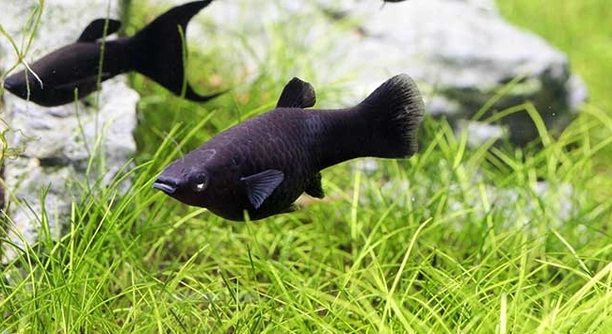
Do you ever notice your Black Molly swimming nervously or darting around its tank? These small fish can show signs of stress in different ways, which sometimes makes owners concerned about their behavior and overall wellbeing.
Black Mollies are capable of jumping when stressed. Stressors such as sudden changes in water conditions, overcrowding, or loud noises can trigger escape responses. Providing a covered tank and maintaining stable water parameters reduces the likelihood of these sudden jumps.
Keeping their environment safe and calm is important for your fish’s health and can prevent unexpected accidents in the tank.
Why Black Mollies Jump
Black Mollies often jump when they feel unsafe or stressed. Sudden movements around the tank, loud noises, or changes in water temperature can startle them. In some cases, they may leap to escape poor water quality or overcrowding. Observing their daily behavior helps you notice early signs of stress. Providing hiding spots, plants, and decorations makes them feel more secure. A well-maintained tank with stable temperature, clean water, and proper filtration is key. Feeding them on a regular schedule also adds comfort. These fish are naturally active, so occasional bursts of energy are normal. However, repeated jumping usually signals that something in their environment is uncomfortable. By paying attention and adjusting the tank conditions, you can reduce their stress. Consistent care and observation make a significant difference in their behavior. A calm tank encourages them to swim freely without risk of jumping out.
Frequent jumps are often linked to stress, which can be minimized by adjusting water quality and tank setup.
Keeping Black Mollies calm requires a combination of clean water, proper tank size, and enrichment. Plants, hiding areas, and gentle feeding routines contribute to their sense of security. Overcrowding can lead to constant movement and jumping, so monitoring the number of fish is essential. Additionally, stable lighting and avoiding sudden disturbances help reduce anxiety. When these conditions are met, Black Mollies are more likely to swim calmly, explore, and interact naturally without attempting to escape the tank. Consistent attention to their environment creates a safer, healthier space, allowing them to thrive.
Preventing Jumps and Stress
Providing a covered tank is a simple step to stop unexpected jumps.
Black Mollies benefit from preventative measures that reduce the likelihood of jumping. Covering the tank ensures they stay inside even during sudden movements. Maintaining clean water with proper filtration is essential, as poor water quality increases stress. Tank size matters; overcrowding forces fish to compete for space, leading to nervous behavior. Adding plants and decorations offers hiding spots, giving fish a sense of security. Feeding on a consistent schedule keeps them comfortable and reduces anxiety. Monitoring the temperature and avoiding sudden changes in lighting or environment also helps. Observing their behavior daily allows early detection of stress signs. Adjusting tank conditions promptly can prevent injury and maintain overall health. With these steps, Black Mollies can live more peacefully, swim confidently, and reduce the risks of jumping, ensuring a safer environment for both the fish and the tank’s setup.
Common Stress Triggers
Sudden loud noises, rapid movements near the tank, or changes in water temperature can startle Black Mollies. Overcrowding and poor water quality also make them uneasy. Recognizing these triggers helps prevent frequent jumping and keeps them calmer in their environment.
Black Mollies are sensitive to fluctuations in their surroundings. Even small changes in water temperature or chemistry can create stress. Overcrowded tanks force them to compete for space, leading to constant movement and jumping. Bright, sudden lighting changes also disturb their sense of security. Introducing plants, hiding spots, and gentle tank activity can help reduce these stressors. Regular observation lets you detect stress early and make adjustments before behaviors escalate. These small steps improve overall wellbeing and prevent injury.
Stress can also be behavioral. Fighting or chasing between fish, irregular feeding times, and sudden tank rearrangements provoke nervous responses. Mollies respond to instability by attempting to escape or leap, which may cause harm. Keeping their environment predictable and stable encourages calmer activity. Creating hiding areas and maintaining consistent routines reduces unnecessary stress. A stable, enriched tank allows them to swim confidently and interact without fear. Monitoring behavior daily helps you notice subtle signs, allowing proactive care. When they feel secure, their natural activity increases, and jumping incidents become rare.
Tank Adjustments to Reduce Jumping
Covering the tank with a secure lid prevents accidental escapes during sudden movements.
Adjusting the tank environment directly influences Black Mollies’ stress levels. Adding plants, rocks, and decorations gives them spaces to hide and reduces exposure to open areas. Proper filtration maintains clean water, while regular water changes prevent harmful chemical buildup. Ensuring the tank is large enough for all fish avoids overcrowding and reduces competition. Stable water temperature and gentle lighting prevent sudden shocks. Feeding on a consistent schedule supports routine and reduces anxiety. By monitoring their behavior and making small adjustments, you can significantly decrease jumping and promote calmer swimming.
Proper tank placement is also important. Avoid high-traffic areas or spots near loud appliances. The tank should be in a quiet corner, away from direct sunlight and drafts. Regular maintenance, including checking pH, ammonia, and nitrate levels, ensures the environment remains healthy. Gradual changes in water or tank setup minimize stress. These steps combined create a stable, safe space for Black Mollies. Over time, they learn to feel secure, which reduces frantic movements and jumping incidents. A predictable, well-maintained tank promotes natural behavior, allowing them to thrive peacefully and interact normally within their environment.
Feeding and Nutrition
Providing a balanced diet keeps Black Mollies healthy and reduces stress-related jumping. High-quality flakes, pellets, and occasional live or frozen foods give them proper nutrients. Consistent feeding routines help them feel secure and support stable behavior in the tank.
Overfeeding can cause water quality issues, which increases stress and makes them more likely to jump. Portion control and monitoring eating habits are important. Feeding small amounts two to three times a day prevents uneaten food from polluting the tank. Healthy nutrition directly impacts energy levels, immune system strength, and overall behavior.
Water Quality Essentials
Maintaining clean water is crucial for preventing stress in Black Mollies. Regular water changes, proper filtration, and testing for ammonia, nitrites, and nitrates ensure a stable environment. Unstable water conditions trigger jumping and erratic behavior, so monitoring parameters is essential.
Tankmates and Social Behavior
Compatibility with other fish affects stress levels. Aggressive or overly active tankmates can provoke nervous responses. Choosing peaceful companions helps Black Mollies feel safe and reduces jumping incidents.
FAQ
Why do Black Mollies jump out of the tank?
Black Mollies jump primarily due to stress or fear. Sudden changes in water temperature, loud noises, or disturbances around the tank can startle them. Overcrowding or aggressive tankmates also push them to try to escape. Providing hiding spots and stable water conditions reduces the likelihood of jumping.
How can I prevent my Black Molly from jumping?
A secure tank lid is the simplest solution. Beyond that, maintaining clean, well-filtered water and avoiding sudden changes in lighting or temperature is important. Adding plants and decorations gives fish places to hide and feel safe, reducing nervous energy and preventing jumps.
What water conditions are ideal for Black Mollies?
Black Mollies thrive in slightly alkaline water with a pH between 7.5 and 8.5. Temperature should be stable around 75–82°F (24–28°C). Regular water changes, proper filtration, and monitoring ammonia, nitrite, and nitrate levels keep their environment healthy and stress-free.
Do tank size and overcrowding affect jumping?
Yes, overcrowding increases competition for space and food, making Black Mollies more restless. A tank of at least 20 gallons for a small group provides enough room for swimming. Proper stocking density and compatible tankmates reduce stress-related jumps.
Can diet influence jumping behavior?
Improper feeding or overfeeding can stress Black Mollies indirectly by affecting water quality. Balanced nutrition with high-quality flakes, pellets, and occasional live or frozen foods supports health. Feeding small amounts multiple times a day maintains routine and reduces anxiety.
Are certain tankmates better than others?
Peaceful species work best with Black Mollies. Aggressive or overly active fish increase stress and may provoke frequent jumping. Mollies do well with guppies, platies, and other calm community fish. Observing interactions helps prevent conflicts and maintains a calm tank environment.
Does lighting affect jumping?
Sudden changes in light intensity or duration can startle Black Mollies. Gradual transitions and avoiding harsh, direct sunlight reduce stress. A consistent light schedule supports natural behavior and encourages calmer swimming patterns.
How can I tell if my Black Molly is stressed?
Signs of stress include rapid darting, frequent jumping, clamped fins, loss of appetite, or hiding excessively. Monitoring these behaviors daily helps catch issues early. Adjusting water quality, tank setup, or social environment can quickly alleviate stress.
Is jumping dangerous for Black Mollies?
Yes, jumping can lead to injuries or death if they land outside the tank. Even minor jumps can damage fins or scales. A secure tank lid, stable environment, and stress reduction measures are essential to keep them safe.
Can routine tank maintenance reduce jumping?
Absolutely. Regular water changes, cleaning the filter, and checking water parameters prevent buildup of toxins and maintain a healthy environment. Routine maintenance provides consistency, which reduces anxiety and the need for escape behaviors.
Do Black Mollies jump more at certain times?
They often jump when startled or during feeding if they feel competition or threat. Active periods usually coincide with daylight hours, so maintaining predictable feeding times and a calm environment helps minimize sudden jumps.
How do plants and decorations help?
Plants and decorations provide hiding spots and reduce open space stress. Mollies feel secure when they can retreat from potential threats. Adding these features encourages natural exploration while decreasing nervous movements and jumping attempts.
Can I train my Black Mollies to jump less?
While you cannot “train” them like pets, consistency in environment and handling reduces stress. Predictable routines, proper feeding, calm tank surroundings, and compatible tankmates create a sense of security that naturally lowers the frequency of jumps.
Are all Black Mollies prone to jumping?
Most Black Mollies have the potential to jump, especially under stress. Individual behavior varies depending on personality, tank conditions, and social environment. Ensuring a stable, enriched, and safe tank minimizes the chances of jumping for all fish.
How quickly should I react to a jumping incident?
Immediate action is important. Check water quality, tank lid security, and observe for injuries. Prevent further incidents by addressing stressors, improving hiding spaces, and maintaining a stable environment to reduce the likelihood of repeated jumps.
Does tank placement matter?
Yes, tanks in high-traffic areas or near loud appliances cause frequent stress. Placing the tank in a quiet, low-disturbance location with consistent lighting and temperature helps Black Mollies feel secure, reducing sudden jumps and erratic behavior.
What is the role of water changes in stress reduction?
Regular water changes remove toxins, stabilize chemistry, and improve oxygen levels. Clean water prevents stress-related jumping and supports overall health. Partial changes weekly or biweekly maintain a stable environment without shocking the fish.
Can sudden noise trigger jumps even in a well-maintained tank?
Yes, loud noises, clattering objects, or tapping on the tank glass can startle Black Mollies. While a secure lid protects them, reducing loud disturbances ensures calmer behavior and prevents repeated jumping incidents.
Are Black Mollies more prone to jumping in new tanks?
Yes, when first introduced to a tank, they may explore anxiously and jump more. Providing hiding spots, a secure lid, and gradually introducing changes helps them adjust safely. Patience and consistent care reduce stress during acclimation.
Is temperature fluctuation a major stress factor?
Temperature swings disturb Black Mollies’ metabolism and comfort, making them more likely to jump. Maintaining consistent temperature with a reliable heater and thermometer keeps them calm and encourages normal swimming behavior.
How can I monitor stress levels over time?
Observing daily behavior, feeding habits, and swimming patterns helps track stress. Noting changes in fin condition, coloration, or activity levels allows proactive adjustments to tank conditions. Consistent care and observation prevent long-term stress and reduce jumping incidents.
Do Black Mollies recover quickly from stressful jumps?
Recovery depends on the environment and health. In a stable, enriched tank, they often return to normal behavior within hours. Persistent stress or injury slows recovery, highlighting the importance of preventive measures to avoid repeated jumps.
Can jumping indicate illness?
Occasionally, yes. Stress from parasites, infections, or poor water conditions may trigger jumping. Observing other symptoms, like lethargy, clamped fins, or unusual swimming, helps identify illness early for treatment and recovery.
Are juvenile Black Mollies more active jumpers?
Juveniles are often more energetic and exploratory, making them prone to jumping when stressed. Providing secure environments and hiding spots from an early age encourages calm behavior and reduces risk as they grow.
Does adding more fish increase jumping risk?
Adding new fish can increase stress temporarily due to social hierarchy and competition. Introducing tankmates slowly, ensuring enough space, and monitoring interactions prevents excessive jumping and maintains a peaceful environment.
How important is a stable routine?
A stable feeding, lighting, and maintenance routine reduces anxiety. Predictability in the tank environment helps Black Mollies feel secure and minimizes stress-related jumping. Consistency is key to long-term calm behavior.
What are signs that my preventive measures are working?
Reduced darting, fewer jumps, calm swimming, and consistent feeding habits indicate success. Fish appear more relaxed, explore confidently, and interact peacefully with tankmates, showing that the environment is supportive and secure.
Do Black Mollies ever jump for reasons other than stress?
Occasionally, jumps happen during playful or energetic bursts, especially in healthy, active fish. These are usually short and infrequent, unlike stress-induced jumps, which are sudden, repeated, and often linked to environmental triggers.
Can adding floating plants help reduce jumping?
Yes, floating plants provide shade, reduce water surface exposure, and create a sense of cover. This makes Black Mollies feel safer and lowers the chance of sudden jumps caused by perceived threats.
Is monitoring tank chemistry essential for jumping prevention?
Absolutely. Ammonia spikes, high nitrates, or unstable pH levels stress fish and trigger jumping. Regular testing and timely adjustments maintain a calm, safe environment for Black Mollies.
Do Black Mollies respond well to minimal disturbances?
Yes, gentle handling, calm feeding, and avoiding tapping or shaking the tank reduce stress. Minimizing disturbances encourages normal swimming and decreases escape attempts, making their habitat safer.
Can jumping behavior indicate long-term stress?
Frequent jumps, combined with other stress signs, may indicate chronic stress. Addressing tank conditions, social dynamics, and routine helps prevent long-term health issues and reduces repeated jumping incidents.
How quickly should water parameters be corrected?
Prompt adjustments are critical. Rapid detection of ammonia, nitrite, nitrate, or temperature issues reduces stress and prevents jumping. Gradual corrections avoid shocking the fish while restoring a healthy environment.
Are there behavioral cues before a jump?
Yes, Black Mollies may dart, circle quickly, or hover near the water surface before jumping. Recognizing these signs allows preventive action, such as covering the tank or calming the environment, reducing injury risk.
Is it normal for Black Mollies to jump occasionally even in perfect conditions?
Occasional jumps happen, especially during energetic activity. These are normal if infrequent, not linked to stress or poor conditions. Observing overall behavior ensures these jumps are harmless and part of natural activity.
Does tank cover type matter?
Yes, mesh or glass covers work well. Covers must be secure to prevent escapes, while allowing airflow and light. A reliable cover is essential to protect Black Mollies from accidental jumps.
Can seasonal changes affect jumping?
Yes, seasonal temperature shifts or lighting changes can stress fish. Maintaining consistent conditions indoors mitigates these effects and keeps Black Mollies calm year-round.
Are older Black Mollies less likely to jump?
Mature fish tend to be calmer, having adapted to their environment. They may still jump if startled, but consistent care over time generally reduces frequent jumping behavior.
Do Black Mollies recover faster in enriched tanks?
Enriched tanks with hiding spots, plants, and stable conditions allow quicker recovery from stress or accidental jumps. They regain normal behavior faster than fish in sparse or unstable environments.
Can jumping be completely prevented?
While occasional energetic jumps may occur, consistent care, stable water conditions, tank security, proper diet, and peaceful tankmates minimize stress-related jumping. Most incidents can be prevented with proactive measures.
How does consistent monitoring help?
Daily observation of behavior, swimming patterns, feeding, and tank conditions allows early detection of stress. Timely adjustments prevent escalation, reduce jumping incidents, and support long-term health for Black Mollies.
Are there tools to monitor fish stress?
Behavioral observation is primary, but water test kits, thermometers, and pH meters help monitor environmental factors that influence stress. Maintaining proper parameters keeps Black Mollies calm and reduces jumping risks.
Do Black Mollies jump more in new tanks than established ones?
Yes, unfamiliar environments create uncertainty and stress. Gradual acclimation, hiding spaces, and stable conditions help them adjust safely, reducing early jumping incidents.
Can interacting with the tank cause stress?
Yes, tapping, moving objects nearby, or sudden activity can startle Black Mollies. Gentle interaction and calm routines reduce stress and prevent jumping.
Is water current a factor in jumping?
Strong currents may make Black Mollies uncomfortable or tire them out, prompting escape attempts. Gentle, consistent flow reduces stress while allowing normal swimming activity.
Do jumping incidents damage fish long-term?
Accidental jumps can injure fins, scales, or cause fatal outcomes. Preventive measures, proper tank setup, and secure lids protect them from long-term harm.
Does frequent observation improve behavior?
Yes, daily checks help identify stressors early. Adjusting environment, feeding, or social setup quickly minimizes jumps and encourages calmer behavior over time.
Are there seasonal diet adjustments that help?
Not strictly necessary, but maintaining consistent, high-quality food supports health year-round. Stability in diet contributes to overall wellbeing and reduces stress-induced jumping.
How do Black Mollies adapt to new tankmates?
They gradually adjust, but initial stress may trigger jumping. Providing hiding spots and observing interactions helps them settle, reducing nervous behavior.
Can enrichment reduce stress long-term?
Yes, plants, decorations, and varied swimming areas keep Black Mollies engaged. Enrichment provides security and reduces stress-related jumping over time.
Is temperature stability more important than lighting?
Both matter, but sudden temperature changes have a stronger impact on stress. Maintaining consistent heat ensures comfort, while stable lighting supports calm behavior.
Do Black Mollies ever jump out of habit?
Occasional energetic jumps may appear habitual but are generally linked to momentary stimuli. Consistent care and a safe environment make habitual jumps rare.
Does tank placement near windows or vents matter?
Yes, drafts, sunlight, or fluctuating temperatures near windows or vents can stress fish. A quiet, stable location reduces jumping and promotes calm swimming.
Can behavioral observation replace water testing?
No, both are essential. Observing stress signs helps detect behavioral issues, while testing ensures environmental factors like ammonia, pH, and temperature are safe. Combining both prevents jumping and maintains health.
Are Black Mollies more active during feeding?
Yes, excitement during feeding may prompt occasional jumps, especially if they feel competition. Predictable, calm feeding routines minimize frantic movements.
Does jumping indicate happiness or excitement?
Only occasionally. Energetic jumps during exploration are normal, but repeated jumps linked to stress indicate discomfort rather than positive activity.
Can enrichment alone prevent jumping?
Enrichment helps, but must be combined with stable water, proper diet, tank mates, and secure covers. Alone, it cannot fully prevent stress-induced jumps.
Are some Black Mollies naturally jumpier than others?
Yes, individual temperament varies. Some are naturally energetic or nervous. Proper care and a calm environment help even the most jump-prone fish.
Does tank cover material influence jumping frequency?
Yes, secure, stable covers prevent escapes. Covers should allow airflow and light while keeping fish safely inside, reducing accidents from sudden jumps.
How quickly do Black Mollies acclimate to new tanks?
Acclimation varies but usually takes a few days to a week. Providing hiding spots, stable water, and minimal disturbances helps reduce stress during this period.
Are jumping incidents more common at night?
No, they typically occur during active daylight periods or when startled. Ensuring consistent light cycles helps regulate activity and reduces nighttime jumps.
Can water surface agitation increase jumping?
Yes, excessive bubbles or rough water can startle them. Gentle filtration and surface movement reduce stress and limit jumping.
Do Black Mollies jump more when alone?
Not necessarily, but social stress or lack of companions can influence activity. Balanced social groups create a calmer environment, reducing jumping incidents.
Are floating or surface plants more effective in reducing jumps?
Floating plants provide cover and shade at the surface, calming fish and reducing perceived threats. Surface cover is particularly effective for jump-prone species like Black Mollies.
How does pH stability affect behavior?
Sudden changes in pH stress Black Mollies, increasing jumping tendencies. Regular testing and slow adjustments maintain stability, promoting calm swimming behavior.
Does water hardness influence jumping?
Black Mollies prefer moderately hard water. Extreme fluctuations in hardness can stress fish, making them more likely to jump. Maintaining consistent hardness levels supports stable behavior.
Can enrichment replace tankmates for social comfort?
Enrichment helps reduce stress but does not fully replace social interaction. Black Mollies are social, and compatible tankmates improve overall wellbeing and reduce jump-related stress.
Is constant observation stressful for fish?
No, gentle, non-intrusive observation does not stress Black Mollies. Regular monitoring helps detect problems early without negatively affecting behavior.
Can gradual acclimation reduce initial jumping in new tanks?
Yes, slowly introducing water, light, and environment changes allows Black Mollies to adapt safely, reducing stress-induced jumping during the transition.
Do jumps indicate a problem with the tank lid?
Occasional jumps do not always indicate lid issues, but a poorly fitted or unstable lid increases risk of escape. A secure, stable lid is essential for safety.
Are young Black Mollies more sensitive to stress?
Juveniles are often more sensitive to environmental changes. Providing secure spaces, calm tankmates, and consistent care reduces jumping and nervous behavior during early growth stages.
Can sudden decoration changes cause jumps?
Yes, rearranging decorations can create unfamiliar spaces, triggering stress and jumps. Gradual changes with observation minimize these reactions.
Does water flow affect jumping frequency?
Strong or uneven currents may startle or tire them, leading to jumps. Gentle, consistent water flow creates a calmer swimming environment.
Are jumping incidents linked to illness severity?
Stress from illness can trigger jumping, especially if accompanied by lethargy, clamped fins, or abnormal swimming. Monitoring and early treatment reduce risk of injury from jumps.
Does tank depth influence jumping risk?
Shallow tanks may reduce injury from jumps, but proper lids and stress reduction are more important. Depth alone does not prevent jump-related accidents.
Are jumps more likely during tank cleaning?
Yes, disturbances like tapping, water changes, or movement of objects can startle fish. Gentle, calm cleaning reduces sudden jumps.
Can stress be reversed after repeated jumping?
Yes, by addressing environmental factors, social dynamics, diet, and enrichment. Gradual restoration of stable conditions allows fish to recover from repeated stress incidents.
Do some Black Mollies never jump?
Some individuals are naturally calm and rarely jump, especially in well-maintained tanks. However, all can jump if stressed or startled, making preventive care important.
Is frequent jumping a sign of chronic stress?
Repeated, consistent jumping along with other stress signs often indicates chronic stress. Identifying and addressing environmental or social causes is necessary to restore calm behavior.
Can I reduce jumping by combining all preventive measures?
Yes, using a secure lid, stable water, balanced diet, enrichment, compatible tankmates, and calm surroundings together significantly reduces stress and prevents most jumping incidents.
Does feeding frequency influence jumping?
Yes, irregular feeding or high competition during feeding can provoke jumping. Consistent feeding routines and portion control help reduce stress-related jumps.
Are Black Mollies jumpier during water changes?
They can be startled by sudden water replacement or splashing. Gradual changes, gentle handling, and minimal disturbance reduce stress during water changes.
Do Black Mollies recover from jumping faster in groups?
Yes, social groups provide reassurance and reduce stress, helping fish return to normal behavior more quickly than isolated individuals.
Can changing tank location prevent jumping?
If placed in a quieter, stable environment, the likelihood of stress-induced jumps decreases. Avoiding high-traffic areas or drafts supports calmer behavior.
Does tank temperature consistency matter more than diet for preventing jumps?
Both are important, but unstable temperature creates immediate stress, while diet affects long-term health. Maintaining consistent temperature is critical to prevent sudden jumps.
Can jumping behavior signal water contamination?
Black Mollies are lively and sensitive fish that respond strongly to their environment. Jumping is a natural behavior for them, often triggered by stress or sudden disturbances. While occasional jumps can happen even in healthy fish, repeated jumping usually signals an issue with their tank conditions, social dynamics, or daily routine. Observing your Black Mollies closely helps you understand their behavior and recognize early signs of stress. Paying attention to water quality, tank setup, and interactions with other fish is essential. Simple measures like adding hiding spots, maintaining a consistent feeding schedule, and avoiding sudden changes in light or temperature can make a noticeable difference. A secure lid is also vital to prevent injuries from accidental jumps, ensuring their safety while allowing them to explore their tank comfortably.
Providing a stable and enriched environment reduces the frequency of jumps and supports overall health. Water quality is one of the most important factors to monitor, as fluctuations in temperature, pH, or chemical levels can create stress. Regular water changes, proper filtration, and routine testing keep the environment safe and comfortable. Tank size and stocking levels also play a significant role, as overcrowding increases stress and competition, making jumping more likely. Black Mollies thrive when paired with peaceful tankmates, allowing them to swim confidently without fear of confrontation. Plants, decorations, and other hiding spots give them security and encourage natural behavior. Over time, these measures create a calm, predictable environment that reduces stress responses, helping Black Mollies feel safe and stable in their home.
Consistency and observation are key to maintaining a peaceful tank. Feeding on a regular schedule, minimizing loud noises or sudden movements around the tank, and maintaining steady lighting all contribute to their comfort. Behavioral cues such as rapid darting, hiding, or surface hovering can indicate that adjustments are needed. By recognizing these signs early, you can take action before stress escalates, preventing injuries or more serious health issues. Black Mollies are resilient and adaptable when their environment meets their needs, and most jumping behavior can be significantly reduced with proactive care. Creating a secure, well-maintained, and enriched habitat ensures that they remain healthy, active, and less prone to stressful jumps, allowing you to enjoy their natural, playful behavior safely over time.

Hello,
If you enjoy the content that we create, please consider saying a "Thank You!" by leaving a tip.
Every little bit helps us continue crafting quality advice that supports the health, happiness, and well-being of pets around the world, for pets of all shapes, sizes, and species.
We really appreciate the kindness and support that you show us!