
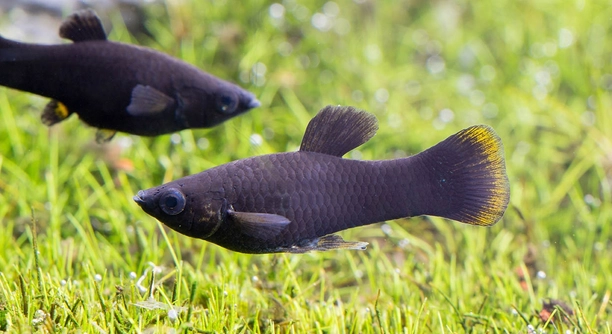
Black Molly Fry are small, active fish that bring life to any freshwater aquarium. They often swim near the surface, exploring plants and decorations while interacting with other tank mates. Their sudden hiding can be puzzling for owners.
Black Molly Fry often hide due to sudden changes in water conditions, presence of aggressive tank mates, or stress from overcrowding. Environmental disturbances, temperature fluctuations, and poor water quality are primary triggers for this defensive behavior.
Learning the common causes of hiding can help improve your fry’s environment and keep them healthy. Observing subtle changes in behavior provides key insights into their comfort and safety.
Common Environmental Triggers
Changes in the aquarium environment can make Black Molly Fry feel unsafe. Sudden shifts in water temperature, pH, or hardness can stress the fry, causing them to hide. Even small alterations, like adding new decorations or cleaning the tank too thoroughly, can create unfamiliar surroundings. Bright lighting may also make them feel exposed, encouraging them to seek shelter. Fry are sensitive to vibrations in the water from tapping or moving the tank, which can increase their stress levels. Overcrowding is another factor, as limited space prevents natural swimming patterns. Maintaining consistent conditions helps the fry feel secure. Observation is key; noticing how they respond to small changes allows you to adjust quickly. Simple adjustments, like gradual temperature changes or adding hiding spots, can make a noticeable difference. Creating a stable and gentle environment reduces stress and promotes natural activity among the fry. Proper care ensures they remain visible and active most of the time.
Stress from sudden environmental changes is a major reason fry retreat to hiding spots.
Providing hiding spaces and controlling environmental fluctuations allows fry to thrive and stay healthy. Consistent conditions improve their comfort and activity levels.
Interaction with Other Fish
Aggressive tank mates can intimidate Black Molly Fry. Even minor chasing or nipping may trigger hiding behavior. Fry tend to avoid areas where larger or faster fish swim aggressively, seeking refuge in plants or corners of the tank. Introducing new fish without monitoring interactions can create prolonged stress. Observing behavior during feeding times is important, as competition for food may cause fry to hide frequently. Non-aggressive tank companions help the fry feel secure, encouraging normal swimming and feeding routines. Fry are naturally cautious, so even subtle displays of dominance from other fish can influence their behavior. Separate tanks or partitions may be necessary in cases of persistent harassment. By managing interactions carefully, fry can grow with less fear. Placement of hiding spots near feeding areas ensures fry access food without exposing them to threats. Monitoring both fry and adult fish promotes a balanced, less stressful environment. Consistent observation allows quick adjustments to reduce stress and encourage healthy development.
Proper monitoring of tank interactions helps maintain fry comfort and safety.
Careful planning of tank mates and observation of behavior ensures fry are not constantly stressed or hiding. Providing adequate space, plenty of cover, and calm companions allows fry to develop naturally and remain active. Understanding social dynamics within the tank is crucial, as fry are vulnerable and need a safe environment. Intervening when aggressive behavior occurs prevents long-term stress and promotes healthier growth. Simple adjustments like rearranging plants or temporarily separating fry can restore balance. Over time, fry become more confident and visible, allowing for easier observation of their development and behavior. Maintaining peaceful interactions benefits the entire tank ecosystem, supporting both fry and adult fish in a stable, low-stress habitat.
Water Quality Issues
Poor water quality can make Black Molly Fry retreat into hiding quickly. High ammonia, nitrite, or nitrate levels create an unsafe environment. Fry are extremely sensitive, and even minor imbalances may trigger stress. Regular testing and careful maintenance are essential to keep them active.
Maintaining stable water parameters is crucial for fry health. Frequent partial water changes reduce harmful chemicals and waste buildup, creating a safer space. Filtration must be gentle, as strong currents can exhaust the fry. Keeping temperature, pH, and hardness within recommended ranges prevents sudden stress reactions. Observing the fry’s behavior helps identify subtle water issues early, allowing timely corrections. Clean water supports natural swimming, feeding, and growth. Neglecting these factors often results in prolonged hiding and weakened fry. A proactive approach ensures a calm and secure habitat.
Overfeeding or leftover food can also degrade water quality, causing bacterial growth. Removing uneaten food promptly and monitoring feeding amounts help maintain water clarity. Plants can assist by absorbing excess nutrients, and adding hiding spots near stable areas gives fry security. Careful attention to water quality reduces stress, encourages activity, and supports long-term survival. Balanced feeding, gentle filtration, and routine checks prevent sudden changes that trigger hiding. Observing patterns in water changes and fry behavior allows for consistent adjustments, creating a comfortable and safe environment that minimizes fear and promotes healthy development.
Lighting and Tank Setup
Excessive lighting can stress Black Molly Fry. Bright or constant light makes them feel exposed. Dim or natural lighting with hiding areas encourages normal behavior and reduces retreating.
Plants, decorations, and shelters are essential for fry safety. Hiding spots near feeding areas allow fry to access food without fear. Open spaces without cover make fry vulnerable and anxious. Placement of lights should consider shaded areas to mimic natural conditions. Fry thrive in environments where they can explore and retreat as needed. Adjustable lighting or floating plants can reduce stress and create secure zones. Rearranging the tank to balance open swimming areas with protective cover helps fry feel comfortable. Observing fry behavior under different lighting conditions provides insight into their comfort levels. Over time, fry become more confident and active when their environment supports both security and movement.
Tank layout affects fry activity and stress. Properly spaced plants and hiding spots reduce fear while encouraging exploration. Avoid overcrowding the tank with decorations that block movement or create strong currents. Soft substrate helps fry feel secure, while tall plants offer vertical cover. Positioning shelters near calm water areas prevents constant exposure to disturbances. Adjusting light intensity gradually rather than suddenly helps fry acclimate. Monitoring fry response to tank setup allows for ongoing improvements, ensuring a balanced environment. Attention to both structure and lighting supports healthy growth and reduces hiding tendencies, promoting more visible and confident fry.
Temperature Fluctuations
Sudden changes in water temperature can make Black Molly Fry hide immediately. Fry are very sensitive to even small shifts, and unstable temperatures create stress. Maintaining a steady temperature is essential for their comfort and overall health.
Using a reliable heater and thermometer ensures consistent water conditions. Gradual adjustments are necessary when raising or lowering the tank temperature. Avoid placing the tank near windows, heaters, or drafts that cause fluctuations. Fry feel safer in stable conditions, reducing hiding behavior. Observing their swimming and feeding patterns helps detect stress from temperature changes early. Small, consistent measures maintain a calm environment.
Overcrowding
Too many fish in one tank can overwhelm Black Molly Fry. Limited space increases stress, reduces hiding options, and may lead to aggressive behavior among tank mates.
Overcrowding not only stresses fry but also impacts water quality. More fish produce more waste, raising ammonia and nitrate levels quickly. Fry have less room to swim freely and hide, which can reduce feeding efficiency and growth. Larger or more aggressive fish dominate open areas, pushing fry into corners or under plants constantly. Maintaining a proper fish-to-tank ratio ensures each fry has access to space and resources, which supports natural behavior. Providing ample cover and spacing allows fry to explore safely while reducing conflicts and stress. Proper tank management, including monitoring population size and removing excess fish when necessary, helps maintain a healthy environment.
Feeding Stress
Fry may hide when food is introduced too quickly or unevenly distributed. Competing with larger fish can create fear.
Water Changes
Frequent or sudden water changes can startle fry. Gradual adjustments maintain comfort and reduce hiding.
Why do Black Molly Fry hide suddenly?
Black Molly Fry hide suddenly mostly due to stress. Sudden changes in water quality, temperature, or tank layout can make them feel unsafe. Aggressive or larger tank mates can also scare them into retreating. Fry are small and cautious by nature, so any unfamiliar situation may trigger hiding. Providing stable conditions and hiding spots reduces their stress and encourages normal swimming behavior.
How can I tell if my fry are stressed?
Signs of stress include constant hiding, reduced activity, poor feeding, or clamped fins. Fry may also swim erratically or stay near the bottom of the tank. Observing behavior during feeding and interactions with other fish gives clues about stress levels. Consistent monitoring allows early intervention before problems worsen.
What water conditions are best for Black Molly Fry?
Stable water parameters are essential. A temperature around 24–28°C, pH between 7.0 and 8.0, and moderate hardness create a safe environment. Ammonia and nitrite should always remain at zero, while nitrate should stay low. Regular testing and gentle filtration prevent sudden changes that cause hiding.
How often should I change water for fry?
Partial water changes of 20–25% weekly help maintain cleanliness without shocking the fry. Sudden large water replacements can stress them and encourage hiding. Using dechlorinated water at a matching temperature prevents rapid fluctuations. Observation helps determine the exact schedule based on fry behavior and tank conditions.
Can tank decorations affect hiding?
Yes, tank setup greatly impacts fry comfort. Plants, rocks, and shelters provide safe zones that reduce stress. Open spaces with little cover may make fry feel exposed and more likely to hide. Arranging decorations near feeding areas helps fry access food without fear, encouraging normal activity.
Does lighting influence hiding behavior?
Bright or constant light can make fry feel unsafe. Fry prefer dim or natural lighting with shaded areas for retreat. Floating plants or adjustable lights can provide cover. Gradually changing light intensity prevents sudden stress, allowing fry to explore confidently while still having protective zones.
What role do tank mates play in fry hiding?
Aggressive or larger fish often intimidate fry. Even minor chasing or nipping triggers hiding behavior. Choosing peaceful tank companions and monitoring interactions reduces stress. In some cases, separating fry from adults temporarily ensures safety and encourages growth without constant fear.
How can I reduce hiding behavior in fry?
Provide stable water conditions, adequate hiding spots, gentle lighting, and compatible tank mates. Regular observation and gradual adjustments help fry feel secure. Avoid overcrowding, overfeeding, and sudden environmental changes. Over time, consistent care encourages fry to explore more openly and remain active.
Is overfeeding a problem for Black Molly Fry?
Yes, overfeeding can deteriorate water quality, increasing stress and hiding. Uneaten food decomposes, producing ammonia and promoting bacterial growth. Feeding small, frequent meals and promptly removing leftovers helps maintain a clean environment and reduces stress-induced hiding.
When should I be concerned about fry hiding too much?
If fry remain hidden for prolonged periods, stop eating, or show signs of illness, intervention is necessary. Checking water quality, tank setup, and interactions with other fish can reveal underlying issues. Prompt action prevents health problems and encourages normal growth and activity.
Can hiding affect fry growth?
Extended hiding can limit access to food and reduce exercise, slowing growth. Ensuring easy access to safe feeding areas and providing multiple hiding spots allows fry to feed and move freely. A balanced, secure environment supports healthy development and reduces prolonged hiding.
How do I introduce new fry to an existing tank?
Introduce fry gradually to reduce stress. Use a quarantine tank or netted enclosure to allow acclimation without immediate exposure to larger fish. Gradually adjusting water conditions and monitoring behavior ensures a smooth transition and minimizes hiding due to fear.
Are there signs of illness that cause hiding?
Yes, disease or parasites can trigger sudden hiding. Signs include clamped fins, discoloration, lethargy, and erratic swimming. Water quality, nutrition, and tank hygiene influence susceptibility. Prompt detection and treatment help fry recover and return to normal activity levels.
How can I make feeding less stressful?
Feed in small, controlled amounts near hiding spots. This allows fry to eat safely without exposing themselves to aggressive fish. Using sinking or slow-dispersing food ensures fry have time to consume meals without competition or fear, reducing stress and encouraging activity.
Can water temperature swings cause long-term hiding?
Repeated temperature fluctuations can condition fry to hide frequently. Stable water temperature reduces stress, encourages exploration, and supports growth. Avoid placing tanks near heaters, windows, or drafts, and use reliable thermometers to maintain consistent conditions. Gradual adjustments are necessary when changes are unavoidable.
How does tank size influence hiding?
A small or overcrowded tank limits space and hiding options. Fry feel exposed and stressed, increasing hiding behavior. Adequate tank size with plenty of plants and shelters ensures each fry can move freely, explore, and feed safely. Proper spacing promotes confidence and reduces constant retreating.
What are the best hiding spots for Black Molly Fry?
Dense plants, rocks with crevices, floating leaves, and small caves work well. Hiding spots should be accessible from feeding areas and calm water zones. Providing multiple options prevents overcrowding of shelters and supports fry comfort and natural behavior.
Can noise or vibrations affect hiding?
Yes, sudden tapping, moving the tank, or loud vibrations can scare fry. Even minor disturbances make them retreat to safer areas. Keeping the tank in a quiet, stable location helps maintain calm behavior and reduces hiding caused by external stressors.
How long does it take for fry to stop hiding?
Time varies depending on environment, tank mates, and stress levels. With stable conditions, proper hiding spots, and compatible companions, fry gradually become more confident. Observation and patience are key, as repeated stress or sudden changes can delay progress. Consistency promotes visible and active fry behavior.
What else can I do to ensure fry feel safe?
Monitor water quality, maintain proper temperature, provide shelters, control lighting, and choose peaceful tank mates. Gradual adjustments and regular observation prevent stress. Creating a calm, stable environment encourages natural swimming, feeding, and growth while reducing hiding tendencies over time.
Black Molly Fry are delicate and sensitive creatures that respond quickly to changes in their environment. Understanding why they hide suddenly is essential for keeping them healthy and active. Many factors influence this behavior, including water quality, temperature fluctuations, overcrowding, tank setup, lighting, and interactions with other fish. Each of these elements can create stress, which causes fry to retreat into hiding. Observing the fish regularly helps you notice even small changes in behavior, allowing timely adjustments to their environment. When fry feel safe and secure, they are more likely to explore the tank, feed properly, and grow at a healthy pace.
Maintaining stable water conditions is one of the most effective ways to reduce hiding. Consistent temperature, pH, and hardness levels create a comfortable environment. Sudden changes, even minor ones, can trigger stress that makes fry hide repeatedly. Partial water changes and gentle filtration help keep water clean without shocking the fish. Overfeeding should also be avoided, as leftover food can pollute the water and worsen stress. Providing adequate hiding spots such as plants, rocks, and small caves allows fry to feel protected while still giving them access to food and space for movement. Observing how fry respond to these adjustments will show which changes are most effective in reducing hiding behavior.
Tank setup, lighting, and the choice of tank mates also play significant roles in fry comfort. Bright lights, open areas without cover, or aggressive fish can cause fry to remain hidden for long periods. By arranging plants, floating leaves, or shelters strategically, you can create secure zones where fry feel safe. Using gentle lighting and ensuring peaceful tank companions helps reduce stress and encourages natural activity. Over time, with consistent care and attention, fry gradually become more confident, visible, and active. Understanding and addressing the factors that cause hiding ensures that Black Molly Fry have the best possible environment to thrive and develop into healthy, strong fish.

Hello,
If you enjoy the content that we create, please consider saying a "Thank You!" by leaving a tip.
Every little bit helps us continue crafting quality advice that supports the health, happiness, and well-being of pets around the world, for pets of all shapes, sizes, and species.
We really appreciate the kindness and support that you show us!