
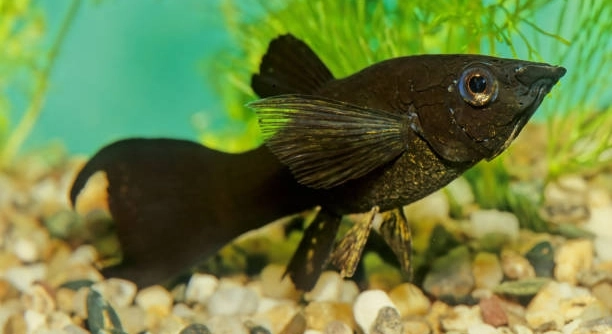
Breeding Black Mollies can be an exciting experience for aquarium enthusiasts. Many people enjoy watching their fish grow and reproduce, but the process requires careful attention to avoid mistakes that could harm the fish or their offspring.
During Black Molly breeding, it is crucial to avoid overfeeding, poor water quality, insufficient hiding spaces, incompatible tank mates, sudden temperature changes, neglecting genetic health, and improper tank maintenance. Each factor can negatively impact the health and survival of the fish.
Knowing these common pitfalls can help ensure a safe and successful breeding environment, supporting both the well-being of adult mollies and the survival of their fry.
Overfeeding the Fish
Overfeeding Black Mollies is one of the most common mistakes breeders make. It’s easy to think that more food means faster growth or happier fish, but the opposite is true. Excess food can quickly pollute the water, leading to higher ammonia and nitrite levels that stress the fish. Stressed fish are more prone to disease and may produce weaker fry. I’ve noticed that even a small pinch of food twice a day is enough for a healthy tank. Floating pellets or flakes should be consumed within a few minutes, and anything left behind needs to be removed. Overfeeding also encourages obesity in adult mollies, affecting their ability to breed effectively. Maintaining a balanced feeding routine is critical for water quality, adult health, and fry survival. Watching them nibble in moderation can actually be more satisfying than seeing them overstuffed. Consistency and careful measurement are key to success with breeding.
Feeding small, measured portions twice daily prevents water contamination and ensures Black Mollies remain healthy, active, and capable of producing strong offspring.
Being careful about how much and how often you feed your mollies can save a lot of problems later. It keeps the tank cleaner and the fish healthier, making breeding easier and more predictable.
Poor Water Quality
Neglecting water quality can severely impact Black Molly breeding. Dirty or untreated water stresses both adults and fry. Ammonia and nitrite spikes can cause fin rot, slow growth, or even death. Regular water testing and partial water changes help maintain safe parameters.
Maintaining proper water conditions requires consistent monitoring and attention. A stable pH around 7.0 to 8.0, temperatures between 75 and 80°F, and moderate hardness create the best environment for mollies to breed successfully. Filtration is essential, but strong currents should be avoided as fry can struggle against them. I make sure to test the water twice a week and adjust as needed. Using a dechlorinator is important when adding tap water, and keeping plants and decorations clean reduces bacterial buildup. Even small lapses in water care can lead to stress, aggression, or poor fry survival. Clean water encourages natural breeding behaviors and healthier, more vibrant fish. Observing your mollies closely lets you notice any changes in activity or appearance that might indicate water problems before they become serious. Consistency is the best way to maintain a thriving breeding tank.
Insufficient Hiding Spaces
Black Molly fry need hiding spots to survive. Without plants, decorations, or breeding mops, adults may eat the babies, drastically reducing survival rates.
Adding live plants or artificial decorations creates safe zones for fry. I usually include dense plants like Java moss or floating plants. These areas allow babies to explore while staying out of sight. Even small caves or PVC tubes give them shelter, reducing stress. Observing the fry hiding gives a sense of reassurance that they are safe, and it helps the adults remain less aggressive. Fry that feel secure grow faster and develop normally. Consistent care of these hiding spots is important to avoid debris buildup, which could harm water quality and fry health.
Providing multiple hiding spots ensures that fry have several safe areas. This reduces competition, allows more to survive, and keeps adults calmer, which ultimately improves overall tank harmony.
Incompatible Tank Mates
Tank mates that are aggressive or too large can threaten Black Mollies during breeding. Even calm species may outcompete mollies for food or stress them out.
Choosing compatible fish is crucial. I keep mollies with peaceful species like guppies or platies, avoiding cichlids or larger fish that nip fins or hunt fry. Incompatible tank mates can prevent breeding entirely or result in injured or missing fry. Monitoring interactions daily helps identify potential issues before they become serious. Fry often hide more when other fish are present, slowing their growth and development. Planning the tank’s community carefully allows adults to focus on breeding instead of constant stress.
Keeping mollies with calm, similarly sized fish creates a stable environment for breeding. Observing behavior and making adjustments when needed ensures both adults and fry remain safe and healthy.
Sudden Temperature Changes
Sudden shifts in water temperature stress Black Mollies and can cause illness or reduce fertility. Maintaining a stable temperature between 75 and 80°F is essential for breeding success.
Using a reliable heater and monitoring daily helps prevent fluctuations. Even a few degrees change can trigger stress, making fry more vulnerable and adults less likely to breed. Consistency is key.
Neglecting Genetic Health
Breeding closely related mollies can lead to weaker offspring with deformities or reduced immunity. Avoid mating siblings or fish from limited gene pools. Introducing new, healthy adults occasionally strengthens genetic diversity and produces stronger fry.
Improper Tank Maintenance
Skipping regular tank cleaning causes waste buildup, raising ammonia and nitrite levels. Dirty tanks increase stress and disease risk, affecting breeding success.
Regular water changes, gravel vacuuming, and filter maintenance keep the environment safe. I find that maintaining a clean tank not only protects fry but also keeps adult mollies active and healthy, allowing natural breeding behaviors to continue without interference from poor water conditions. Consistent maintenance prevents long-term problems that could compromise both the adults and the next generation.
FAQ
How often should I feed my Black Mollies during breeding?
Feeding twice a day with small portions is usually sufficient. Overfeeding can pollute the water and stress both adults and fry. I measure food carefully, ensuring it is consumed quickly to maintain water quality and support healthy growth.
What water temperature is best for breeding?
Maintaining a consistent temperature between 75 and 80°F is ideal. Sudden changes can stress mollies and reduce fertility. I keep a reliable heater and check temperatures daily, as even small fluctuations affect fry survival and adult health.
Do Black Mollies need hiding spots for fry?
Yes, fry require dense plants, breeding mops, or small decorations to hide. Without these, adults may eat the babies. I use Java moss and small PVC tubes. Hiding spots also reduce stress, allowing fry to grow safely.
Can I breed Black Mollies with other fish?
Tank mates must be calm and similar in size. Aggressive or large fish can stress mollies and eat fry. I prefer peaceful species like guppies or platies. Observing interactions ensures the adults remain focused on breeding rather than defending territory.
How often should I change the water?
Weekly partial water changes of 20–30% help maintain clean, safe conditions. I also vacuum the substrate and check filters. Clean water prevents disease, supports fry development, and reduces stress in adult mollies, allowing breeding to continue smoothly.
What signs show my mollies are stressed?
Stressed mollies may hide constantly, lose color, or refuse food. Fry may also be lethargic or hidden excessively. I watch their behavior closely and check water conditions whenever changes appear, as early intervention helps prevent serious problems.
Is overbreeding a problem?
Yes, allowing the same adults to breed repeatedly without rest can weaken their health and produce smaller or less healthy fry. I rotate breeding pairs and monitor their condition to keep adults strong and capable of producing quality offspring.
How can I prevent disease during breeding?
Maintaining clean water, avoiding overcrowding, and feeding balanced portions are key. I also quarantine new fish before introducing them to the breeding tank. Healthy adults produce stronger fry, and careful hygiene reduces the risk of infections spreading.
How long do Black Mollies take to breed successfully?
Females can give birth roughly every 4–6 weeks under optimal conditions. Monitoring water quality, diet, and tank stability helps maintain consistent breeding. I track pregnancies and prepare hiding spots for each batch of fry to maximize survival rates.
Can temperature fluctuations affect fry survival?
Yes, sudden drops or rises can be fatal to fry. I maintain stable conditions using heaters and avoid placing tanks near windows or drafts. Consistency in temperature is just as important as hiding spots and feeding routines for healthy growth.
Should I separate fry from adults?
Separating fry can increase survival but is not always necessary with plenty of hiding spots. I sometimes use breeding boxes or tanks if adult behavior is aggressive, ensuring fry have room to grow safely without stress.
How do I introduce new adults for genetic diversity?
Quarantine new fish for at least two weeks to ensure they are healthy. Introduce them gradually to reduce aggression. This practice helps maintain strong, genetically diverse offspring and prevents diseases from entering the breeding tank.
What is the ideal tank size for breeding Black Mollies?
A 20-gallon tank or larger is best for a breeding pair and fry. More space reduces stress, allows hiding spots, and provides sufficient room for fry to grow. I find that larger tanks make it easier to maintain clean water and observe fish behavior.
How can I tell if fry are healthy?
Healthy fry are active, swimming freely, and feeding well. They show no deformities and respond to light and movement. I separate weak or sick fry when necessary to provide extra care, which improves overall survival and development.
Can I use artificial plants instead of live ones?
Yes, as long as they provide adequate hiding space. I sometimes use silk or plastic plants for easy cleaning. They offer security for fry and reduce stress, though live plants can improve water quality and create a more natural environment.
What type of food is best for fry?
Fry need finely crushed flakes, micro pellets, or specially formulated fry food. I feed small amounts several times a day to ensure they grow steadily. Live foods like baby brine shrimp or daphnia can also boost growth and health.
Is it okay to leave adults with fry permanently?
Adults can coexist with fry if there are enough hiding spots, but some adults may still eat babies. I monitor tank dynamics closely and separate fry temporarily if predation becomes an issue, ensuring maximum survival.
How do I prevent overcrowding in the tank?
Overcrowding increases stress, aggression, and disease risk. I calculate the number of fry the tank can support and move excess to another tank or raise them separately. Space management keeps water cleaner and fish healthier.
What equipment is essential for successful breeding?
A reliable heater, gentle filter, water testing kits, and hiding spots are essential. I also use nets, siphons, and containers for fry management. Proper equipment ensures water stability, supports healthy growth, and makes breeding less stressful.
How important is observation during breeding?
Constant observation helps catch problems early, from water issues to aggressive behavior. I spend a few minutes each day checking adults and fry. Noticing changes quickly allows me to intervene before serious issues arise, improving breeding success and fry survival.
How long do fry take to grow into adults?
Black Mollies typically reach maturity in 3–4 months under proper care. I continue monitoring water quality, feeding, and tank conditions during this period. Healthy adults are crucial for future breeding, so growth must be supported carefully.
Can poor diet affect breeding success?
Yes, low-quality or inconsistent feeding reduces fertility and weakens fry. I use a varied diet with flakes, pellets, and occasional live food. A balanced diet keeps adults healthy, active, and ready to breed consistently.
How do I handle sick fish during breeding?
Quarantine sick fish immediately to prevent disease spread. I treat water and adjust feeding routines if necessary. Maintaining a separate hospital tank protects both adults and fry, ensuring the breeding population remains healthy and productive.
Is water hardness important for Black Mollies?
Yes, mollies prefer moderately hard water. Too soft or too hard water can stress adults and affect fry survival. I test water regularly and adjust hardness using mineral supplements if needed, keeping the tank conditions stable for successful breeding.
How can I encourage breeding behavior?
Stable water, proper diet, hiding spots, and compatible tank mates stimulate natural breeding behavior. I also avoid overcrowding and maintain consistent routines. When adults feel safe and healthy, they breed more readily, producing stronger and more numerous fry.
What mistakes should I avoid with fry feeding?
Overfeeding fry pollutes the water, while underfeeding slows growth. I feed small amounts several times a day, monitoring that all fry eat. Maintaining a consistent feeding schedule helps fry grow strong without compromising water quality.
How do I prevent mold or fungus in the tank?
Remove uneaten food promptly and clean surfaces regularly. I monitor plants and decorations for buildup. Good filtration, partial water changes, and avoiding overcrowding reduce the chances of fungal growth, keeping fry and adults healthy.
Can stress affect fry survival even with hiding spots?
Yes, adult aggression, water changes, or loud disturbances can stress fry. I minimize sudden changes and maintain calm surroundings. Stress weakens immune systems, slows growth, and increases mortality, making careful observation and gentle handling essential.
Is it okay to breed multiple pairs in the same tank?
Only if the tank is large enough with plenty of hiding spots. I usually separate pairs or monitor closely to prevent aggression. Overcrowding or fighting can harm adults and reduce fry survival, so space management is essential.
How do I maintain consistency in water conditions?
Regular testing, partial water changes, and stable temperature and pH are key. I use reliable equipment and observe fish behavior daily. Consistency supports healthy breeding, reduces stress, and improves fry survival over time.
What are signs of successful breeding?
Pregnant females, active fry, and adults displaying mating behaviors indicate success. I track pregnancies carefully and provide extra hiding spots. Recognizing these signs allows timely adjustments to feeding, tank maintenance, and fry care to maximize survival.
Can live plants improve breeding outcomes?
Yes, live plants enhance water quality, provide hiding spots, and create a natural environment. I combine live and artificial plants to balance care ease and safety. Healthy plants reduce stress, improve oxygen levels, and support fry growth and adult health.
How often should I monitor water parameters?
Checking twice a week is usually sufficient. I test for ammonia, nitrite, nitrate, pH, and hardness. Consistent monitoring helps catch changes before they affect adults or fry, ensuring a safe and stable breeding environment.
What should I do if fry are not growing well?
Assess feeding, water quality, tank size, and hiding spots. I adjust diet, increase hiding areas, and verify water parameters. Small changes can have a big impact on growth, and early intervention improves survival and overall fry health.
Are Black Mollies sensitive to light changes?
Yes, sudden or extreme light changes can stress adults and fry. I maintain a regular light cycle of around 10–12 hours per day. Consistent lighting supports normal behavior, feeding, and breeding activity.
How do I safely move fry between tanks?
Use a small net or container with tank water to avoid shock. I move fry gradually, maintaining temperature and water parameters. Gentle handling reduces stress, prevents injury, and ensures fry continue growing healthily in the new environment.
Can overcrowded fry tanks affect development?
Yes, overcrowding increases competition for food, reduces oxygen, and raises stress levels. I separate fry into appropriately sized tanks or use dividers to maintain healthy growth, ensuring survival rates and reducing disease risk.
What is the best way to introduce new hiding spots?
Add them gradually to avoid startling fish. I place plants or decorations where fry naturally hide. Sudden changes can cause stress, but careful placement supports growth, reduces aggression, and helps fry feel secure throughout development.
How long should I wait before breeding new pairs again?
Allow adults a rest period after several births to regain strength. I monitor health, feeding, and behavior before introducing new breeding cycles. Rest ensures adults remain fertile and capable of producing healthy fry consistently.
Is water movement important for breeding?
Moderate water movement is fine, but strong currents stress fry. I adjust filter flow and avoid powerful pumps in breeding tanks. Gentle circulation helps maintain oxygen without endangering delicate fry.
Can adults breed in a planted tank?
Yes, planted tanks provide hiding spots and reduce stress. I balance plant density with open swimming space to support breeding behavior. Healthy adults in a well-planted tank tend to produce more fry with higher survival rates.
What temperature fluctuations are safe during water changes?
Keep water changes within 1–2°F of tank temperature. I use a thermometer to match conditions, avoiding shock. Gradual adjustments are safer than large changes, protecting both adults and fry from stress-related health issues.
How can I tell if a female is ready to give birth?
A swollen belly and dark gravid spot near the anal fin indicate pregnancy. I prepare hiding spots and monitor her closely. Proper preparation helps fry survive and reduces stress on the female during birth.
Are there signs of weak fry?
Weak fry may swim poorly, appear thin, or hide excessively. I provide extra care, separate them if necessary, and ensure adequate feeding. Supporting weak fry increases survival and prevents long-term health issues.
How often should I clean filter media during breeding?
Rinse filter media gently in tank water every 2–3 weeks. I avoid harsh cleaning or chemicals that remove beneficial bacteria. Proper filter care maintains water quality without disrupting the biological balance needed for breeding.
Can adding too many hiding spots cause issues?
Excessive hiding spots can reduce swimming space and trap debris. I balance plants and decorations to allow fry movement while still providing security. Careful arrangement keeps the tank clean, stress low, and breeding successful.
What is the best way to acclimate new adults?
Float the bag in the tank for 15–20 minutes to equalize temperature. Gradually mix tank water before release. I do this slowly to reduce shock, stress, and the risk of sudden aggression or illness after introduction.
How do I prevent adults from harming fry accidentally?
Provide dense hiding spots, monitor behavior, and separate aggressive adults when necessary. I watch interactions closely, moving fry to a separate tank if adults become too aggressive. Safety measures increase fry survival without overly disrupting adult behavior.
Can water pH affect breeding?
Yes, mollies prefer a pH around 7.0–8.0. Sudden shifts can stress adults and harm fry. I test weekly and adjust slowly with buffers when needed. Stable pH supports mating behavior and fry development.
What is the role of light cycles in fry growth?
Consistent light supports normal feeding, swimming, and development. I maintain 10–12 hours of light daily. Irregular light patterns can stress fry and slow growth, so consistency is important for healthy, active development.
How do I ensure enough oxygen for fry?
Moderate aeration and plants help maintain oxygen. I avoid strong currents that fry cannot handle. Proper oxygen levels prevent lethargy, support growth, and reduce stress in the breeding tank.
Should I remove uneaten food immediately?
Yes, uneaten food decays quickly and pollutes water. I remove leftovers after a few minutes to maintain cleanliness, reduce ammonia spikes, and prevent disease, ensuring a safe environment for both adults and fry.
How do I tell if adults are compatible for breeding?
Observe mating behavior, aggression levels, and overall health. I select pairs that swim together calmly, feed well, and show no signs of stress. Compatibility ensures successful mating and healthier offspring.
Can stress from noise or vibration affect breeding?
Yes, loud or frequent disturbances stress adults and fry. I keep tanks in quiet areas, away from heavy traffic. Reducing environmental stress supports natural breeding behavior and improves fry survival.
How long should fry stay in the breeding tank before transfer?
Keep fry until they are strong enough to swim and feed independently. I usually wait 3–4 weeks, providing hiding spots and careful feeding. Timing ensures they survive relocation without excessive stress.
Is tank size important for adult behavior?
Yes, adequate space reduces aggression and allows natural breeding. I provide at least 20 gallons for a pair and fry. Enough room supports movement, hiding, and feeding without stress or overcrowding.
What signs indicate water quality problems?
Cloudy water, strong odor, or unusual behavior signal issues. I test for ammonia, nitrite, and nitrate immediately. Early detection prevents illness, protects fry, and maintains a stable breeding environment.
How do I prevent overpopulation in breeding tanks?
Monitor fry numbers and transfer excess to other tanks. I also manage adult breeding cycles to control population. Proper planning avoids overcrowding, reduces stress, and ensures better survival for both adults and fry.
Can adults share a tank with multiple batches of fry?
Yes, if there are plenty of hiding spots, but some adults may still eat babies. I monitor interactions and separate fry when necessary. Managing tank dynamics helps maintain both adult health and fry survival.
How do I maintain long-term breeding success?
Provide clean water, balanced diet, hiding spots, compatible mates, and regular observation. I rotate adults, monitor health, and adjust care routines. Consistency and attention to detail support continuous, successful breeding over time.
Are live foods necessary for breeding success?
Not always, but live foods like brine shrimp or daphnia can improve fry growth and adult condition. I supplement occasionally to boost nutrition, supporting stronger offspring and healthier adults during breeding cycles.
Can breeding stress affect adult lifespan?
Yes, frequent breeding without rest or poor care can shorten lifespan. I allow recovery periods, maintain water quality, and monitor diet. Reducing stress ensures adults remain healthy and capable of producing healthy fry for several cycles.
How do I handle aggressive adults during breeding?
Separate or provide extra hiding spots to reduce conflict. I observe behavior and intervene quickly if necessary. Managing aggression protects fry, prevents injury, and maintains a stable environment for successful breeding.
What is the best way to track fry growth?
Observe size, activity, and feeding habits weekly. I note weak or slow-growing fry and adjust care as needed. Tracking growth helps identify problems early and ensures fry reach maturity safely.
How do I balance tank aesthetics with fry safety?
Use plants and decorations strategically to provide hiding spots while keeping open swimming areas. I prefer a mix of live and artificial elements. Proper balance reduces stress, supports growth, and maintains a clean, visually pleasing tank.
Can overcleaning the tank harm breeding success?
Yes, excessive cleaning can remove beneficial bacteria and destabilize water conditions. I clean filters gently, do partial water changes, and avoid harsh chemicals. Maintaining balance is critical for adult health and fry survival.
How important is daily observation for breeding success?
Daily checks allow quick responses to stress, illness, or aggression. I spend a few minutes each day monitoring adults and fry. Consistent observation prevents small problems from escalating and ensures a higher survival rate.
Are certain fish personalities better for breeding?
Yes, calmer adults tend to breed more successfully and stress fry less. I select pairs that display peaceful behavior, feed consistently, and tolerate tank mates well. Personality impacts both mating success and fry survival.
How do I know when fry are ready for adult food?
Once they can swallow micro pellets or finely crushed flakes, usually after a few weeks. I monitor growth and feeding behavior carefully. Gradual introduction ensures they transition smoothly and continue developing properly.
Can sudden water changes affect fry?
Yes, rapid changes in temperature, pH, or hardness can stress fry and cause death. I adjust water slowly, using gradual mixing and temperature checks. Patience during water changes protects delicate fry.
What is the ideal pH range for fry growth?
A pH of 7.0–8.0 is ideal. I monitor levels regularly and adjust gradually if needed. Maintaining stable pH supports metabolism, growth, and overall health in both fry and adults.
How do I prevent adults from becoming aggressive after birth?
Provide hiding spots, monitor feeding, and reduce crowding. I also allow some separation if aggression persists. Calm adults protect fry and maintain a stable tank environment.
Can overfeeding fry cause problems?
Yes, leftover food can pollute water and increase disease risk. I feed small amounts several times daily, removing uneaten food promptly. Controlled feeding supports growth while maintaining safe water conditions.
How do I encourage fry to explore the tank safely?
Gradually reduce hiding spot density as fry grow and monitor interactions with adults.
Breeding Black Mollies can be a very rewarding experience when done with care and attention. There are many factors that influence the success of breeding, from water quality to tank mates, feeding routines, and the health of the adults. Each aspect plays an important role in ensuring that both the adult fish and their fry stay healthy. It is not just about keeping fish alive but creating a stable environment where they can thrive and reproduce naturally. Taking the time to learn about their needs and observing their behavior regularly can make a significant difference in breeding outcomes. Paying attention to details like temperature, water hardness, and pH can prevent stress and illness, which are often the biggest challenges in breeding Black Mollies. Consistent care and small adjustments when needed are often more effective than major changes, which can shock the fish and disrupt breeding.
One of the most important things to remember is that overfeeding and overcrowding are common mistakes that can have serious consequences. Overfeeding leads to poor water quality, which stresses both adults and fry, while overcrowding increases aggression and reduces hiding spots for fry. Providing hiding spots through plants, decorations, or breeding mops gives fry a chance to grow safely while reducing the risk of adults eating them. Observing their behavior closely allows you to notice signs of stress or illness early and take action before problems escalate. Even simple practices, like measuring food portions carefully and cleaning the tank regularly, can have a big impact on breeding success. Maintaining a calm and consistent environment supports natural behaviors, encourages healthy growth, and improves the overall chances of producing strong, viable fry.
Finally, patience and careful planning are key to long-term success. Breeding Black Mollies is not a quick process, and each batch of fry requires attention to detail and proper care. Rotating adults, ensuring genetic diversity, and monitoring water parameters help create healthy fish and sustainable breeding over time. Even minor mistakes, if left uncorrected, can affect the health of the fry and the adults, so staying proactive is essential. Observing the tank daily, making gradual adjustments, and responding to the fish’s needs will make the breeding process smoother and more successful. By maintaining clean water, consistent feeding, hiding spots, compatible tank mates, and stable conditions, you give both adults and fry the best chance to thrive. Success in breeding comes from careful preparation, attention to detail, and consistent care, and over time, these efforts lead to a healthier, more productive tank with stronger, healthier Black Mollies.

Hello,
If you enjoy the content that we create, please consider saying a "Thank You!" by leaving a tip.
Every little bit helps us continue crafting quality advice that supports the health, happiness, and well-being of pets around the world, for pets of all shapes, sizes, and species.
We really appreciate the kindness and support that you show us!