
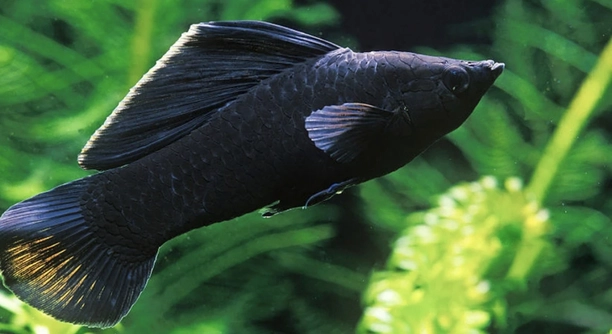
Have you ever noticed your black molly swimming near the water surface more than usual? Observing their behavior can be worrying, especially when it seems constant. Many fish owners find themselves unsure of the reason behind this unusual activity.
The primary cause of a black molly frequently swimming upward is low oxygen levels in the tank. Fish instinctively move closer to the water surface where oxygen concentration is higher. Ensuring proper aeration and regular water maintenance can prevent this behavior.
Paying attention to your molly’s swimming habits can reveal important clues about its tank environment. Understanding these signs will help maintain a healthier, more comfortable habitat for your fish.
Understanding Low Oxygen Levels
Low oxygen in a fish tank can make your black molly spend more time at the surface. This happens because the top layer of water usually has higher oxygen concentration. Poor aeration, overcrowding, or decaying plants can reduce oxygen levels. Even small tanks can struggle to maintain enough oxygen for multiple fish. Surface agitation from a filter or air pump is essential to keep oxygen circulating. Temperature also affects oxygen; warmer water holds less, making it harder for fish to breathe. Observing your molly’s behavior can alert you early to low oxygen issues.
Low oxygen levels may also make fish appear lethargic or gasp at the surface. Acting quickly can prevent stress and health problems for your black molly.
Monitoring water temperature and ensuring proper filtration will improve oxygen levels. Adding live plants can help, but avoid overstocking. Regular partial water changes and cleaning will keep water quality high. Even adjusting the flow of a filter can make a difference. A properly maintained tank allows your molly to swim comfortably throughout the entire tank rather than sticking to the surface. Watching these small changes can make caring for your fish easier and less stressful.
Water Quality Issues
Poor water quality often leads to surface swimming. Ammonia, nitrites, and nitrates can stress fish, making them seek cleaner water at the top.
Maintaining proper water parameters is essential. Test the water regularly for ammonia, nitrite, nitrate, and pH levels. High levels can irritate your fish’s gills, causing them to swim near the surface where oxygen is more accessible. Overfeeding often contributes to poor water quality because leftover food decomposes, increasing harmful compounds. A consistent cleaning schedule, including partial water changes and substrate vacuuming, helps maintain stability. Filtration should match the tank size and fish population to keep the water clear and balanced. Even small adjustments, like spacing out feeding times or trimming decaying plants, can reduce stress. Keeping a log of water tests and tank maintenance ensures your black molly stays healthy. Clean, balanced water supports normal swimming patterns and overall vitality, letting your molly explore all areas of the tank comfortably.
Overfeeding and Diet
Overfeeding can cause your black molly to swim near the surface. Uneaten food decays, reducing water quality and oxygen.
Consistently feeding too much can lead to bloating and digestive issues in mollies. Fish will seek water with higher oxygen content if their gills are irritated. Small, frequent feedings are better than large amounts at once. Monitor how much your molly eats and remove leftover food promptly. Feeding a balanced diet with occasional vegetables or high-quality flakes will prevent excess waste buildup. Overfeeding not only affects swimming behavior but also long-term health, so portion control is important.
A poor diet can also reduce energy levels and immune response. If your molly struggles to swim properly or appears lethargic, reassessing feeding habits is necessary. Adjusting feeding amounts and providing variety helps maintain normal behavior. Observing your molly after feeding gives insight into how it reacts to food, helping you create a better routine that supports healthy swimming and overall well-being in the tank.
Stress and Tank Environment
Stress from sudden changes or aggressive tank mates can make mollies stay near the surface. Crowded tanks increase tension among fish.
Stress weakens immune systems and disrupts normal swimming patterns. Loud vibrations, sudden temperature shifts, or frequent handling can also cause stress. Hiding spaces like plants or decorations provide relief and reduce anxiety. Even small disturbances, such as tapping the glass, may prompt your molly to move upward to escape perceived threats. Regular monitoring of tank conditions and maintaining a calm environment is key.
Adjusting tank layout can greatly improve comfort. Creating areas with shade and secure spots allows the molly to explore safely without constant fear. Observing interactions with other fish helps determine if aggression is causing stress. Gradual water changes, stable temperatures, and careful introduction of new tank mates reduce stress levels. A peaceful environment encourages normal swimming, feeding, and resting patterns. By managing stress factors effectively, your black molly can regain consistent behavior and thrive in the aquarium setting.
Temperature Fluctuations
Black mollies are sensitive to sudden temperature changes. Rapid shifts can make them seek warmer surface water for comfort.
Consistently keeping the tank at a stable temperature is important. Using a reliable heater and thermometer ensures conditions remain steady, reducing stress and abnormal swimming behavior.
Disease or Parasites
Infections or parasites can affect your molly’s gills, causing difficulty in breathing. Surface swimming is often a response to discomfort and low oxygen absorption. Early detection and treatment are crucial to prevent worsening health issues. Monitor for other signs like clamped fins or lethargy.
Lighting and Environment
Strong or inconsistent lighting may push mollies to swim near the surface. Adjusting light intensity and providing shaded areas helps them feel secure and reduces surface activity.
Why is my black molly constantly swimming at the surface?
Black mollies often swim near the surface because the water may not have enough oxygen for them at lower levels. This can happen in crowded tanks, poorly filtered tanks, or water with decaying food and plants. Mollies naturally go to areas where oxygen is more available. Temperature also affects oxygen levels, as warmer water holds less oxygen, making surface areas more appealing. Observing your molly’s swimming habits can indicate whether water quality or environmental factors need attention.
Can overfeeding cause surface swimming?
Yes, feeding too much can make your molly swim near the top. Leftover food decomposes, increasing harmful compounds like ammonia and nitrites. These chemicals irritate fish gills and reduce water quality. Overfeeding can also cause bloating, slowing digestion, and prompting fish to seek oxygen-rich areas. Feeding smaller amounts multiple times a day and removing leftovers quickly helps prevent this problem. A balanced diet, including occasional vegetables and high-quality flakes, supports normal swimming and health.
How does stress affect black molly behavior?
Stress can make black mollies swim near the surface. Stress comes from aggressive tank mates, overcrowding, loud noises, or sudden changes in water temperature. Fish under stress may show abnormal patterns like darting, hiding, or gasping at the surface. Adding plants, decorations, and shaded areas can help mollies feel secure. Gradual water changes, stable temperature, and careful introduction of new tank mates reduce stress. Observing interactions in the tank helps identify which factors may be causing anxiety.
Could water temperature be the issue?
Temperature changes directly impact a molly’s swimming behavior. Sudden drops or rises can make them uncomfortable, prompting them to seek warmer surface water. Maintaining a consistent temperature using a heater and thermometer is essential. Even small fluctuations can increase stress and affect oxygen levels. Stable temperature encourages normal swimming, feeding, and resting behavior.
Can diseases or parasites make my molly swim at the surface?
Yes, infections and parasites can interfere with breathing. Gills may become irritated or damaged, making it harder for the fish to absorb oxygen. Mollies respond by moving to the surface where oxygen is higher. Watch for clamped fins, unusual spots, or lethargy. Early treatment with appropriate medication is important to prevent worsening conditions and restore normal behavior.
Does lighting affect surface swimming?
Inconsistent or overly bright lighting can make mollies uncomfortable. Strong lights may push them toward shaded or surface areas to feel safe. Providing moderate light intensity and areas of shade encourages normal swimming and reduces stress. Adjusting lighting gradually rather than abruptly helps mollies adapt without impacting their daily routine.
How often should I check water quality?
Regular monitoring is critical. Test ammonia, nitrite, nitrate, and pH levels at least once a week. Maintaining these parameters within safe ranges prevents gill irritation and surface swimming. Frequent water changes and cleaning the substrate reduce toxins and support a healthy environment. Keeping a record of water tests helps identify recurring problems and ensures consistent tank conditions.
What can I do to improve oxygen levels?
Adding an air pump or adjusting filter output increases water circulation and oxygenation. Live plants also contribute oxygen, but decaying plants can have the opposite effect. Regular partial water changes maintain oxygen and remove harmful compounds. Observing your molly’s behavior after making adjustments helps confirm improvements. Consistent care ensures the fish can swim comfortably at all levels.
When should I consult a vet or fish expert?
If your molly continues to stay at the surface despite proper feeding, clean water, stable temperature, and low stress, it may indicate a health issue. Signs like lethargy, weight loss, unusual spots, or frayed fins require professional advice. Early intervention can prevent serious illness and restore normal swimming patterns.
Can tank size affect surface swimming?
Yes, small or overcrowded tanks reduce oxygen availability and increase stress. Black mollies need space to swim freely. A tank with sufficient volume and proper filtration helps maintain stable water parameters and reduces the likelihood of surface swimming caused by environmental factors. Adding plants and hiding spots improves comfort.
How do I prevent my molly from constantly swimming at the surface?
Maintain clean water, stable temperature, and proper feeding habits. Ensure adequate oxygen through filtration, aeration, and careful stocking. Reduce stress with hiding areas and calm conditions. Monitor for signs of illness and treat promptly. Following these steps encourages healthy swimming patterns and keeps your black molly active throughout the tank.
Is it normal for mollies to swim at the surface occasionally?
Yes, occasional surface swimming is normal, especially during feeding or for brief exploration. Persistent surface activity, however, indicates an underlying issue. Regular observation, water testing, and proper tank maintenance help distinguish between normal behavior and potential problems requiring intervention.
Black mollies are lively and interesting fish, but their behavior can sometimes worry us, especially when they stay near the surface. Swimming at the top is often a signal that something in their environment needs attention. It can indicate low oxygen, poor water quality, or stress. Understanding these signals is important because it allows you to respond quickly and keep your molly healthy. Observing your fish daily gives insight into what is normal and what may need adjustment. Even small changes, like moving a plant or adjusting the filter, can make a noticeable difference in their comfort and behavior.
Maintaining the right tank conditions is one of the most effective ways to reduce surface swimming. Temperature, water quality, and oxygen levels are all interconnected, and each plays a role in your molly’s well-being. Regular testing for ammonia, nitrites, nitrates, and pH helps prevent problems before they affect your fish. Keeping the tank clean through partial water changes and removing uneaten food helps maintain a healthy environment. Proper filtration and aeration also ensure the water stays oxygenated. By paying attention to these factors, you can create a stable environment where your black molly can swim freely and remain active at all levels of the tank.
Feeding and stress management are equally important. Overfeeding not only reduces water quality but can lead to health issues like bloating or digestive problems, which may make your fish seek oxygen at the surface. Stress can come from aggressive tank mates, sudden changes in lighting or temperature, or even overcrowding. Providing hiding spots, adjusting tank mates carefully, and keeping a calm and stable environment helps mollies feel secure. Monitoring your fish’s behavior and responding to signs of illness or discomfort early ensures they stay healthy. With consistent care and attention to their environment, black mollies can thrive, swim naturally, and live longer, healthier lives in your tank.

Hello,
If you enjoy the content that we create, please consider saying a "Thank You!" by leaving a tip.
Every little bit helps us continue crafting quality advice that supports the health, happiness, and well-being of pets around the world, for pets of all shapes, sizes, and species.
We really appreciate the kindness and support that you show us!