
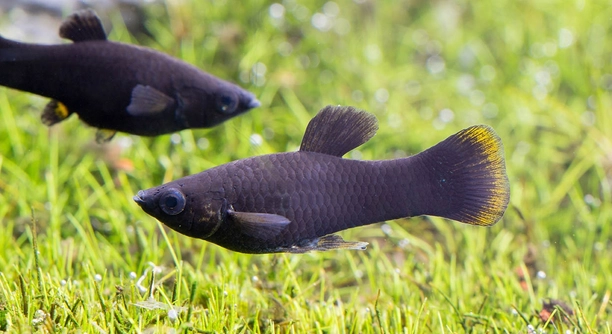
Do your Black Molly fry sometimes swim past their food without eating? Observing them in your tank, it can be surprising to see these tiny fish ignore a freshly offered meal, even when they appear hungry.
Black Molly fry may initially ignore food due to cautious behavior and underdeveloped feeding instincts. This hesitation allows them to adapt to their environment while avoiding potential threats, gradually increasing their comfort level before accepting nourishment.
Understanding these natural tendencies will help you support their growth effectively. Proper observation and gradual introduction of food can ensure healthier, thriving fry.
Common Reasons Black Molly Fry Ignore Food
Black Molly fry may ignore food at first for several reasons. Their small size makes them cautious and slow to react, especially in new tanks. Newly hatched fry are naturally wary, as instinct guides them to avoid potential threats. In addition, their tiny mouths can only handle very fine particles, so larger flakes or pellets will be ignored. Water conditions also play a role; if the water is slightly off in temperature or cleanliness, fry may lose interest in feeding. Fry can also become stressed by sudden movements, bright lights, or overcrowding, which can suppress their appetite. Feeding too much at once can overwhelm them, making it harder for them to locate food. Observing their behavior and providing small, frequent feedings can encourage them to start eating while reducing stress and improving overall survival rates. Consistency and patience are key to helping fry establish healthy eating habits.
Providing appropriately sized food in calm conditions helps fry gradually accept meals.
Monitoring their behavior and adjusting feeding techniques allows fry to thrive without risk of malnutrition or stress.
How to Encourage Fry to Eat
Start by offering very finely crushed flake food or specialized fry powder.
Introducing food in small amounts multiple times a day increases chances of acceptance. Fry are more likely to eat if they feel safe and unthreatened, so reducing movement around the tank and dimming lights during feeding can help. Live foods such as infusoria or baby brine shrimp are excellent options for stimulating appetite because they mimic natural movement that attracts fry. Make sure the water is clean and at the right temperature, as unhealthy or cold water can reduce interest in food. Observing how the fry respond to different textures and quantities helps determine the most effective feeding approach.
Gradually, as fry grow and become more confident, they will start taking larger pieces of food on their own. Keep portions small and increase amounts slowly to avoid overfeeding. Rotate between finely powdered flakes and live foods to provide balanced nutrition. Consistent routines and gentle handling encourage trust and reduce stress, making fry more willing to feed. Feeding at the same times daily establishes a pattern that fry quickly recognize. Ensuring proper water conditions, along with careful monitoring of feeding, promotes healthier growth and stronger immune systems. Over time, most fry transition from hesitancy to active feeding, allowing them to reach juvenile stages without setbacks. Observing their progress and adjusting care methods ensures they receive adequate nutrition throughout early development.
Feeding Techniques for Black Molly Fry
Small, frequent feedings work best to encourage consistent eating habits. Using finely crushed flakes or specialized fry food ensures they can easily consume the particles without struggle.
Observing the fry closely during feeding helps determine how quickly they adapt to new foods. Start with tiny amounts several times a day, making sure not to overfeed. Introduce a mix of powdered flakes and live foods such as infusoria or baby brine shrimp. This combination stimulates natural hunting instincts and helps fry become more confident in recognizing and accepting food. Avoid sudden changes in diet, as this may stress them and reduce appetite. Over time, consistent feeding routines will promote steady growth and healthier fry.
Maintaining calm during feeding is essential. Sudden movements or bright lights can scare fry, causing them to ignore food. Offering food in small, measured portions and observing their behavior ensures they get adequate nutrition. Adjusting feeding strategies as fry grow supports proper development, preparing them to handle larger foods without hesitation.
Water Conditions and Their Impact on Fry
Stable water conditions are critical for fry to feed properly. Even slight changes can make them stop eating.
Temperature, pH, and cleanliness all affect feeding behavior. Fry thrive in water that is slightly warmer than adult fish tanks. Regular water changes remove waste that can stress fry or contaminate food. Testing water parameters frequently helps maintain a safe environment, reducing the risk of illness and encouraging consistent feeding. Poor water quality can stunt growth, weaken immune systems, and make fry less likely to recognize food. Consistent conditions allow fry to focus on eating and developing.
Providing gentle filtration and avoiding strong currents also improves feeding success. Calm water allows fry to easily find food, while overcrowded tanks increase stress and competition. Observing how fry interact with their environment and adjusting tank setups can reduce anxiety and improve eating habits. Gradually increasing food variety and quantity as they grow ensures balanced nutrition, while maintaining stable water conditions prevents disruptions to feeding routines. Proper care in water management directly supports healthier, more active fry ready to thrive.
Observing Fry Behavior
Fry often explore their surroundings before eating. This cautious behavior is normal and helps them adjust to the tank environment without unnecessary stress.
They may swim near food without eating immediately. This hesitation allows them to assess safety before trying new food, ensuring they avoid potential risks while developing feeding confidence.
Adjusting Food Types
Introducing different types of food gradually helps fry accept meals. Start with finely powdered flakes or live foods that mimic natural movement. Observing which foods they respond to allows for better feeding strategies and ensures they receive balanced nutrition for growth and development.
Feeding Frequency
Frequent, small feedings encourage consistent eating. Overloading the tank with food can overwhelm fry, while measured portions help them learn to eat steadily and maintain proper growth.
FAQ
Why do Black Molly fry sometimes swim past their food?
Fry are naturally cautious and may ignore food at first to assess their surroundings. Their small size and developing instincts make them wary. They gradually start eating once they feel safe and comfortable in the tank environment. Over time, consistent feeding routines help them adapt.
How can I encourage my fry to eat more consistently?
Offer very small amounts of food several times a day. Use finely powdered flakes or live foods like infusoria or baby brine shrimp. Reduce sudden movements around the tank and dim the lights during feeding. Gradually increasing food amounts as fry grow helps them establish regular eating habits.
What types of food are best for Black Molly fry?
Tiny, easily consumable food works best. Finely powdered flakes, crushed high-quality flakes, and live foods like baby brine shrimp or infusoria are ideal. These foods stimulate natural hunting instincts, making it easier for fry to accept meals. Rotating food types ensures balanced nutrition and supports growth.
How often should I feed my fry?
Fry should be fed small amounts multiple times per day, usually three to five times. Frequent feedings prevent overloading their tiny stomachs and reduce leftover food that can pollute the water. Observing their behavior during feeding helps determine the right frequency and portion size.
Can water conditions affect fry feeding habits?
Yes. Temperature, pH, and cleanliness directly impact feeding. Fry prefer slightly warmer water than adult fish and clean, stable conditions. Poor water quality or strong currents can stress fry, making them less likely to eat. Regular monitoring ensures they remain healthy and willing to feed.
Why do some fry eat only live food?
Live food mimics natural movement, triggering hunting instincts. Fry may initially ignore non-moving particles like flakes. Introducing powdered flakes gradually, alongside live food, helps them adjust while still providing essential nutrients. Patience is key during this transition.
What signs show my fry are eating enough?
Healthy fry are active, steadily growing, and appear alert. They swim confidently while foraging and gain size over days. Lack of growth, lethargy, or persistent hiding may indicate underfeeding or stress, requiring adjustments in feeding or tank conditions.
How do I prevent overfeeding my fry?
Feed in tiny portions that can be consumed in a few minutes. Remove leftover food promptly to maintain water quality. Consistent monitoring and adjusting amounts as fry grow prevents waste, reduces stress, and keeps the tank safe from pollution-related issues.
Can stress cause fry to ignore food?
Absolutely. Sudden movements, overcrowding, bright lights, or strong currents can stress fry. They may stop eating until conditions improve. Maintaining a calm, stable environment encourages feeding and promotes healthy growth.
When should I start introducing larger foods?
Once fry grow and their mouths can handle bigger particles, usually after a few weeks, gradually offer crushed flakes or tiny pellets. Continue monitoring feeding habits to ensure they can consume food comfortably without hesitation.
How important is consistency in feeding?
Very important. Fry adapt to predictable routines more quickly, which encourages regular eating and growth. Feeding at the same times daily helps fry recognize meals and reduces stress, making the feeding process smoother and more effective.
Are there signs my fry dislike certain foods?
Yes. Fry may ignore specific particles, swim away, or appear hesitant. Observing reactions to different food types allows adjustments. Switching between powdered flakes, crushed flakes, and live food ensures fry receive balanced nutrition and maintain steady growth.
How long does it usually take for fry to start eating consistently?
It depends on the fry’s age, tank conditions, and feeding approach. Many fry begin regular feeding within a few days to a week of consistent, small, and carefully timed meals. Patience and observation are essential for successful feeding habits.
Can overcrowding affect fry feeding behavior?
Yes. Too many fry in one tank increases stress and competition, causing some to ignore food. Reducing overcrowding and providing plenty of space ensures all fry can access meals without fear or stress, promoting healthier growth.
Is live food necessary for all fry?
Not always, but it can accelerate feeding confidence. Live food attracts fry naturally, helping them learn to recognize and consume meals. Combining live food with powdered flakes ensures balanced nutrition while supporting natural instincts.
How do I know if my feeding method is working?
Observe fry during and after meals. They should actively search for food, eat without hesitation, and show steady growth. Adjusting food type, portion size, or frequency based on observations ensures fry continue developing healthily.
Can feeding habits vary between individual fry?
Yes. Some fry are more cautious or slower to adapt than others. Monitoring each group and adjusting feeding techniques allows all fry to thrive without leaving weaker ones behind. Individual differences are normal and manageable with patience and consistency.
What is the best strategy for introducing new foods?
Start gradually, mixing small amounts of new food with familiar options. Observe reactions closely, and increase amounts slowly. Maintaining calm conditions and consistent timing reduces stress and helps fry accept new foods successfully.
How does fry age affect feeding behavior?
Younger fry are more hesitant and require tiny, frequent meals. As they grow, they can handle larger particles and eat more confidently. Feeding strategies should evolve alongside their development to ensure proper nutrition and growth.
What mistakes should I avoid when feeding fry?
Avoid overfeeding, sudden diet changes, overcrowding, and stressful tank conditions. Using food that is too large or ignoring water quality can harm fry. Consistency, small portions, and patience are key to healthy feeding habits and proper development.
How long can fry survive without eating?
Fry are fragile and cannot survive long without food. Short gaps may occur without harm, but consistent neglect leads to stunted growth or death. Providing frequent, appropriate meals is essential for survival and healthy development.
Are there supplements that help fry start eating?
Liquid or powdered fry supplements can enhance nutrition and stimulate appetite. Adding these occasionally to food or water may support growth, especially during early feeding stages. Proper dosage and monitoring are important to avoid negative effects.
Can fry refuse food after a stressful event?
Yes. Stress from tank changes, sudden handling, or poor water conditions can temporarily suppress appetite. Maintaining calm conditions and slowly reintroducing food encourages them to resume normal feeding behavior.
How long should each feeding session last?
Feed only until fry consume most of the food, usually a few minutes. Leaving food too long can pollute water and create stress. Short, frequent feedings are more effective than long sessions with excessive portions.
What is the most important tip for feeding Black Molly fry?
Patience, consistency, and observation are key. Start with tiny portions, maintain stable water conditions, and monitor behavior closely. Gradually introduce new foods while keeping a calm environment to ensure fry grow healthy and strong.
How do I know when fry are ready for adult food?
When fry have grown and can comfortably eat crushed flakes or tiny pellets, usually after several weeks. Continue gradual adjustments while monitoring their ability to consume and digest the new food effectively.
Can feeding routines influence fry survival rates?
Yes. Regular, properly sized feedings in stable conditions improve survival and growth. Inconsistent feeding or poor-quality food increases stress, reduces appetite, and negatively impacts development. Maintaining predictable routines ensures healthier fry with better chances of reaching maturity.
Black Molly fry can be surprisingly cautious when it comes to eating. Observing them in a tank, it is normal to see them swim around food without immediately taking a bite. This behavior is part of their natural instincts, helping them assess their surroundings and avoid potential threats. Fry are small and fragile, and hesitation gives them time to adjust to a new environment. Offering food in tiny amounts and giving them a calm, stable setting allows them to gradually become comfortable with eating. Consistency in feeding times and portion sizes plays a significant role in encouraging fry to develop regular eating habits. Over time, they become more confident, learning to recognize and accept different food types. Watching this progression can be rewarding, as it shows how careful attention and patience support healthy growth.
Water quality and tank conditions are essential factors in how fry respond to food. Temperature, pH levels, and cleanliness all affect their willingness to feed. Fry are sensitive to fluctuations, and even small changes can make them hesitant to eat. Maintaining a calm environment with gentle filtration and minimal disturbances helps them focus on feeding rather than stress. Fry benefit from stable conditions that mimic their natural habitat as closely as possible. Small, frequent feedings are also important, as their tiny stomachs cannot handle large portions at once. Using finely powdered flakes or live foods such as infusoria or baby brine shrimp ensures that they can easily consume meals. Rotating food types and introducing new options gradually helps fry develop balanced nutrition and strong growth. Careful observation allows adjustments to feeding and tank management, ensuring each fry thrives at its own pace.
Feeding Black Molly fry requires patience, attention, and consistency, but it is also very manageable with the right approach. Understanding their natural behavior and providing food they can handle helps reduce stress and improves overall health. Gradually introducing different food types while monitoring reactions ensures that fry develop proper eating habits and nutritional balance. Calm and consistent feeding routines, combined with stable water conditions, support steady growth and allow fry to transition successfully into juvenile fish. Avoiding overfeeding and removing leftover food prevents water quality issues that can harm fry. With careful attention and dedication, fry will learn to feed confidently and grow into healthy adult fish. Observing their progress, adjusting methods as needed, and keeping the tank environment suitable creates an atmosphere where fry can thrive and reach their full potential.

Hello,
If you enjoy the content that we create, please consider saying a "Thank You!" by leaving a tip.
Every little bit helps us continue crafting quality advice that supports the health, happiness, and well-being of pets around the world, for pets of all shapes, sizes, and species.
We really appreciate the kindness and support that you show us!