
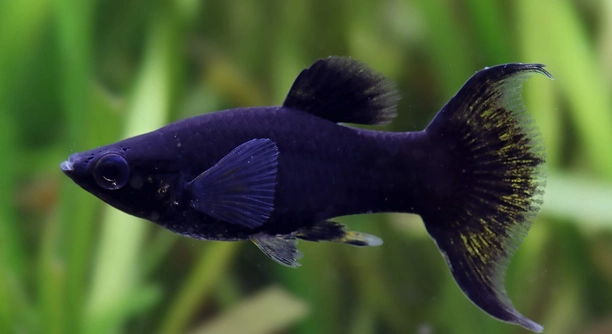
Black Mollies are lively freshwater fish, popular for their striking appearance and calm temperament. Observing them swim is usually relaxing, but when they start floating sideways, it can signal underlying issues. Identifying the cause is important for their well-being.
Floating sideways in Black Mollies is typically caused by swim bladder disorders, poor water quality, infections, constipation, stress, dietary imbalances, or sudden environmental changes. Each factor affects the fish’s buoyancy and balance, requiring prompt attention to prevent further health complications.
Understanding these common causes allows you to take the right steps to restore your fish’s health and maintain a thriving aquarium environment.
Swim Bladder Disorder
Swim bladder disorder is a common reason Black Mollies float sideways. The swim bladder is an internal organ that controls buoyancy, allowing the fish to maintain a stable position in the water. When it malfunctions, the fish may tilt, float upside down, or sink. Several factors can contribute to this condition, including bacterial infections, sudden changes in water temperature, or overeating. Overfeeding, particularly with dry or processed foods, can cause constipation, which puts pressure on the swim bladder. Even minor injuries or stress can affect its function. Maintaining a consistent feeding schedule with high-quality, varied foods and avoiding sudden water changes helps prevent these issues. Observation is key; early signs such as slight tilting or struggling to swim should not be ignored. Prompt care, including isolation of affected fish and consultation with an aquatic veterinarian if needed, often leads to recovery.
Swim bladder disorder can usually be managed with dietary adjustments, water maintenance, and careful observation.
In addition to adjusting diet, adding probiotics to food or using fasted periods can relieve pressure on the swim bladder. Keeping water parameters stable reduces stress and infection risk. Quarantining affected fish helps prevent the spread of potential bacterial issues. Monitoring behavior and responding quickly improves recovery chances.
Poor Water Quality
Poor water quality significantly affects Black Mollies’ health, leading to floating or unusual swimming patterns. High ammonia, nitrite, or nitrate levels irritate gills and stress the fish, affecting buoyancy. Temperature fluctuations or unclean tanks worsen the problem.
Regular water testing, partial water changes, and removing debris help maintain safe conditions.
Dirty or imbalanced water increases stress, weakens immunity, and can trigger infections. Black Mollies are sensitive to chemical changes, so maintaining pH and temperature within safe ranges is essential. Overcrowding or adding new fish without proper acclimation can also disrupt water quality. Filtration systems should be cleaned regularly to prevent buildup of harmful substances. Even minor neglect can lead to long-term health issues. Keeping a consistent maintenance schedule ensures your fish swim normally and remain active. Clean water not only prevents floating problems but also supports reproduction, vibrant coloration, and overall vitality. Observing fish closely after changes helps identify issues before they worsen.
Constipation
Constipation can make Black Mollies float sideways. Overfeeding or feeding low-fiber foods causes bloating, which affects their swim bladder and balance. Adjusting diet and providing fiber-rich foods helps restore normal swimming.
Constipation is often linked to diet. Feeding only flakes or pellets without variety can slow digestion. Frozen or live foods, like daphnia, brine shrimp, or bloodworms, aid bowel movements. Fasting fish for a day or two can also relieve pressure on the digestive system. Observing their swimming patterns after dietary changes shows whether the issue is improving. Maintaining a balanced feeding schedule prevents recurring constipation and swim bladder strain, helping the fish regain proper buoyancy.
Hydration and water temperature also impact digestion. Slightly warmer water can stimulate metabolism, while adding small amounts of vegetables, such as blanched zucchini or peas, encourages proper bowel function. Avoid sudden food quantity changes, as this can worsen bloating. Monitoring the fish closely ensures they recover fully without ongoing health complications. Consistency in diet and water quality keeps Black Mollies active and prevents further floating problems.
Stress
Stress affects Black Mollies’ swimming and overall health. Sudden tank changes, aggressive tankmates, or overcrowding can cause anxiety, leading to sideways floating. Maintaining a calm, stable environment is essential.
Stress can weaken immunity, making fish more susceptible to infections and swim bladder issues. High activity or constant chasing from other fish can exhaust them and disturb natural swimming patterns. Keeping hiding spots, like plants or decorations, allows them to feel secure. Gentle acclimation to new fish or tank additions reduces sudden stress, minimizing disruption. Temperature, pH, and lighting should remain consistent to avoid triggering anxiety. Observing their behavior during feeding and interactions helps identify stress sources.
Reducing stress involves careful management of tank conditions and social dynamics. Regular water changes, avoiding sudden noise or movement, and providing sufficient space prevent chronic stress. Separating aggressive fish or introducing tankmates slowly maintains harmony. A stable environment encourages normal swimming, proper feeding, and overall well-being. Over time, consistent care allows Black Mollies to regain balance, improve coloration, and thrive without recurring flotation issues.
Dietary Imbalances
A lack of proper nutrients can affect Black Mollies’ buoyancy. Feeding only one type of food, such as flakes, may lead to deficiencies that disrupt digestion and swim bladder function.
Introducing a variety of foods, including live or frozen options, ensures proper nutrition. Balanced feeding supports digestion, energy, and overall health.
Bacterial and Parasitic Infections
Infections can impair swim bladder function, causing sideways floating. Bacteria or parasites attack internal organs or weaken the immune system. Symptoms may include lethargy, clamped fins, or unusual swimming patterns. Immediate treatment with appropriate medication and isolation of affected fish can prevent worsening and protect other tank inhabitants.
Sudden Environmental Changes
Rapid shifts in temperature, pH, or water hardness can stress Black Mollies, impacting swimming stability. Gradual adjustments help prevent shock and allow the fish to adapt comfortably.
FAQ
Why is my Black Molly floating sideways all of a sudden?
Sudden sideways floating often points to swim bladder issues, poor water quality, stress, or dietary problems. Rapid changes in temperature or overcrowding can also trigger this behavior. Observing the tank environment and recent changes can help identify the cause. Correcting water parameters and adjusting feeding often restores normal swimming.
Can constipation really make my Black Molly float?
Yes, constipation is a frequent cause of buoyancy problems. Overfeeding or feeding only dry, low-fiber foods can cause bloating, pressing on the swim bladder. Offering fiber-rich foods, fasting for a day, or giving small amounts of blanched vegetables like peas can relieve constipation and restore balance.
How do I know if poor water quality is the problem?
High levels of ammonia, nitrites, or nitrates irritate gills and weaken the fish, often causing floating issues. Test water regularly, perform partial water changes, and maintain proper filtration. Sudden water chemistry shifts or unclean tanks can also stress fish and affect buoyancy. Consistent monitoring prevents long-term problems.
Are bacterial infections common in Black Mollies?
Yes, bacterial infections can impact internal organs and swim bladder function, leading to sideways floating. Symptoms may include lethargy, clamped fins, or loss of appetite. Early detection and isolation of affected fish, followed by appropriate treatment, prevent spread and promote recovery.
How can stress cause floating problems?
Stress weakens immunity and can affect swimming. Overcrowding, aggressive tankmates, sudden environmental changes, or frequent handling can trigger anxiety. Providing hiding spots, stable water conditions, and careful acclimation reduces stress. A calm environment helps fish regain normal swimming patterns.
Does diet play a big role in swim bladder health?
Absolutely. Feeding only flakes or processed foods can cause nutritional deficiencies, constipation, and bloating. A varied diet with live, frozen, or high-fiber foods supports digestion, buoyancy, and overall health. Feeding smaller, controlled portions prevents overeating and swim bladder strain.
How long does it take for a Black Molly to recover from floating issues?
Recovery depends on the cause. Minor constipation or dietary adjustments may show improvement within a few days. Swim bladder infections or prolonged stress can take weeks with consistent care, proper water conditions, and suitable medication. Observation and patience are essential.
Should I separate a floating Black Molly from the tank?
Isolation can be helpful, especially for infection or severe swim bladder problems. Quarantining reduces stress and prevents the spread of disease. Use a clean, properly conditioned tank with similar water parameters to support recovery. Ensure adequate hiding spots and gentle water flow.
Can temperature fluctuations cause sideways floating?
Yes. Rapid temperature changes shock fish and disrupt metabolism, affecting buoyancy. Gradual adjustments when changing tanks, heaters, or performing water changes minimize stress. Maintaining a stable, appropriate temperature supports swimming stability and overall health.
Are there preventive measures to avoid sideways floating?
Maintaining water quality, a balanced diet, and a calm tank environment are key. Regular observation, partial water changes, and careful acclimation of new fish reduce risk. Providing hiding spots, avoiding overcrowding, and monitoring fish behavior early ensures long-term buoyancy and health.
Is it normal for Black Mollies to float sideways occasionally?
Occasional minor tilting can happen but persistent sideways floating indicates a problem. Minor adjustments in diet, water conditions, or tank layout often resolve temporary issues. Consistent observation helps distinguish normal behavior from underlying health concerns.
Can overfeeding be harmful?
Yes. Overfeeding bloats the digestive system, strains the swim bladder, and can lead to floating. Controlled portions, scheduled feedings, and high-quality, varied foods prevent constipation and buoyancy problems. Regular fasting days can also improve digestion.
Do live plants help with swim bladder issues?
Live plants improve water quality and reduce stress by providing hiding spots. Plants also support oxygen levels and encourage natural behavior, which indirectly promotes normal swimming and reduces floating caused by environmental stress.
How do I treat swim bladder disorder?
Treatment depends on the cause. Dietary adjustments, fasting, probiotics, and maintaining optimal water parameters often help. Infections may require medication. Isolation and observation ensure recovery without affecting other tank inhabitants. Consistency and patience are essential for improvement.
Are some Black Mollies more prone to floating issues than others?
Yes. Fish with weaker immune systems, older fish, or those with previous digestive issues may be more susceptible. Maintaining proper care, consistent feeding, and stable water conditions reduces risk for all individuals.
Can I prevent bacterial infections entirely?
Complete prevention is difficult, but maintaining clean water, avoiding overcrowding, and quarantining new fish greatly reduces the risk. Healthy diets and low-stress environments also strengthen immunity, making infections less likely.
Does sudden light or noise affect swimming?
Loud noises or sudden bright light can stress Black Mollies. Stress may cause temporary buoyancy issues. Providing stable lighting schedules and a calm environment helps maintain normal swimming behavior.
What signs indicate recovery from floating problems?
Improved swimming posture, normal buoyancy, active feeding, and consistent behavior indicate recovery. Gradual improvement over several days or weeks is expected, depending on the cause and care provided. Observation is essential to ensure full recovery.
Can swim bladder issues return after recovery?
Yes, if underlying causes like poor diet, stress, or water quality are not addressed. Preventive care, consistent feeding, and monitoring maintain long-term buoyancy and reduce the likelihood of recurring problems.
Are there quick fixes for floating Black Mollies?
Immediate steps like fasting, adjusting water parameters, or providing fiber-rich foods can offer temporary relief. However, long-term recovery requires identifying and addressing the root cause for lasting health improvements.
How important is regular observation?
Extremely important. Early detection of behavior changes, swimming patterns, and appetite issues allows timely intervention. Regular checks prevent minor issues from becoming serious health problems and ensure Black Mollies thrive in a stable environment.
Do water hardness and pH affect swimming?
Yes. Sudden changes in pH or water hardness stress Black Mollies, affecting metabolism and swim bladder function. Gradual adjustments and maintaining consistent parameters support normal swimming and overall health.
Can I treat floating issues at home safely?
Many minor cases can be managed at home through diet, water maintenance, and observation. Severe infections or persistent swim bladder disorders may require professional advice or medication to ensure safe and effective treatment.
How do I choose the right food to prevent floating?
Select a balanced diet with flakes, frozen or live foods, and occasional vegetables. Avoid overfeeding and provide fiber-rich items to support digestion. Feeding smaller portions multiple times a day helps maintain proper buoyancy and overall health.
Is quarantine always necessary for a sick Black Molly?
Quarantine is recommended for contagious conditions or severe swim bladder problems. It reduces stress, prevents disease spread, and allows controlled treatment. A separate, clean tank with stable water conditions aids recovery.
What is the role of temperature in recovery?
Stable temperature supports metabolism, digestion, and immune function. Slightly warmer water can improve digestion and help relieve swim bladder pressure, but sudden changes should be avoided to prevent stress.
Can floating be a sign of aging?
Older Black Mollies may develop swim bladder weakness or digestive issues more easily. While aging can contribute, proper care, diet, and water quality minimize buoyancy problems and maintain mobility.
How can I monitor recovery effectively?
Observe swimming posture, feeding behavior, and activity levels daily. Note improvements or setbacks, and adjust care as needed. Consistency in environment, diet, and treatment ensures the fish regains balance and health.
What is the connection between stress and infections?
Stress lowers immunity, making Black Mollies more susceptible to bacterial or parasitic infections. Reducing stress through stable water conditions, hiding spots, and minimal handling prevents both floating issues and illness.
Are there preventive habits for long-term swim bladder health?
Yes. Balanced diet, consistent feeding schedule, clean water, appropriate tankmates, gradual environmental changes, and regular observation all contribute to maintaining normal buoyancy and overall health. Small daily actions prevent most floating problems.
How long should I observe before seeking professional help?
If floating persists beyond a few days despite dietary adjustments, water maintenance, and stress reduction, professional consultation is recommended. Persistent or worsening symptoms may indicate infections or severe swim bladder disorders requiring specialized care.
Can frequent water changes harm my Black Mollies?
Sudden or overly large water changes can stress fish. Partial, gradual water replacements maintain water quality without shocking the fish, supporting stable buoyancy and overall health.
Do hiding spots really make a difference?
Yes. Plants, decorations, or caves reduce stress, allow resting, and promote natural swimming behavior. Secure spaces support recovery from floating issues caused by stress or environmental disruptions.
How important is tank size in preventing floating issues?
Overcrowding can lead to stress, poor water quality, and swimming difficulties. Providing adequate space for each Black Molly reduces stress, improves water circulation, and supports normal buoyancy.
Can sudden feeding changes cause floating problems?
Yes. Abrupt changes in diet or portion size can cause digestive issues and swim bladder stress. Gradual introduction of new foods and balanced feeding schedules prevent buoyancy disturbances.
Are some medications safe for at-home treatment?
Certain treatments for infections, parasites, or swim bladder disorders can be used at home if dosage and instructions are followed carefully. Always monitor fish closely and avoid overmedicating, which can harm both fish and tank environment.
Do Black Mollies need supplements for swim bladder health?
Occasionally, probiotics or fiber supplements can help with digestion and prevent constipation-related buoyancy issues. Regular, balanced feeding often reduces the need for additional supplements.
What daily checks help prevent floating issues?
Observe swimming patterns, appetite, water clarity, and behavior. Monitor temperature, pH, and ammonia levels. Early intervention ensures minor problems don’t develop into serious buoyancy or health issues.
How can I maintain consistent water parameters easily?
Use reliable heaters, filters, and test kits. Avoid overcrowding and perform scheduled partial water changes. Consistency reduces stress, prevents infections, and supports normal swimming behavior in Black Mollies.
Do temperature and lighting schedules matter together?
Yes. Stable temperatures and regular light cycles reduce stress and encourage natural activity. Abrupt changes in either can trigger floating or unusual swimming behavior. A consistent routine promotes health and buoyancy.
Can I prevent constipation naturally?
Yes. Feed a varied diet, include fiber-rich foods, and provide occasional fasting periods. Vegetables like blanched peas or zucchini help digestion and relieve pressure on the swim bladder, preventing floating issues.
Are Black Mollies sensitive to tankmates?
Yes. Aggressive or fast-moving fish can stress Mollies, affecting buoyancy and swimming. Compatible tankmates and adequate hiding spots reduce stress and maintain normal swimming patterns.
Can recurring floating indicate a deeper health issue?
Persistent sideways floating, despite proper care, may suggest chronic swim bladder problems, internal infections, or metabolic disorders. Professional assessment ensures correct diagnosis and treatment.
Is observation more important than intervention sometimes?
Yes. Minor tilting may resolve with small adjustments in diet or environment. Careful monitoring helps avoid unnecessary medications and ensures interventions are targeted and effective.
Does water flow affect swimming stability?
Strong currents or uneven flow can tire fish and affect buoyancy. Moderate, consistent flow helps Black Mollies swim comfortably and reduces stress on the swim bladder.
Are younger fish more resilient to floating issues?
Juvenile Black Mollies often recover faster from minor digestive or stress-related problems. Maintaining proper diet, water conditions, and gentle handling supports healthy growth and buoyancy.
How can I tell if my Black Molly is fully recovered?
Stable swimming, normal feeding, active behavior, and no sideways floating indicate recovery. Consistent observation ensures the fish remains healthy and avoids relapse.
Can swimming aids or devices help?
Temporary solutions like floating rings or nets can assist severely affected fish, but addressing the root cause of buoyancy issues is essential for lasting health.
Do seasonal changes impact swimming behavior?
Fluctuations in room temperature, sunlight, or heater performance can stress fish. Maintaining stable, appropriate conditions minimizes seasonal buoyancy problems.
How does tank decoration affect swimming?
Too many obstacles can stress or restrict movement. Balanced decoration provides hiding spots without interfering with normal swimming, supporting buoyancy and overall well-being.
Are Black Mollies prone to swim bladder issues genetically?
Some strains may be more sensitive due to breeding, but proper diet, environment, and care reduce the likelihood of hereditary floating problems.
Is it safe to mix medications with other treatments?
Combining treatments should be done cautiously. Follow guidelines and observe the fish closely. Overlapping medications can stress the fish or harm water quality.
Can floating be a sign of aging or degeneration?
Older Black Mollies may experience natural swim bladder weakening or slower digestion. Maintaining diet, water quality, and gentle care helps manage age-related buoyancy changes.
How frequently should I test water parameters?
Weekly testing is ideal, especially for ammonia, nitrites, nitrates, pH, and temperature. Regular checks prevent stress and maintain stable conditions, reducing floating risks.
Are there natural remedies for minor floating issues?
Dietary adjustments, fasting, fiber-rich foods, and maintaining clean water often resolve mild buoyancy problems. Observation and gradual intervention are key.
Can stress from handling cause sideways floating?
Yes. Frequent or rough handling increases stress, impacting buoyancy. Gentle, minimal interaction helps fish recover and maintain normal swimming patterns.
Do floating problems affect reproduction?
Yes. Swim bladder issues, stress, or poor nutrition can reduce fertility and affect breeding behavior. Healthy, stable conditions support normal reproduction in Black Mollies.
Are certain foods better for preventing swim bladder problems?
High-quality flakes, live or frozen foods, and occasional blanched vegetables improve digestion and reduce swim bladder stress. Balanced diet variety is essential.
Can floating be caused by overcrowding?
Yes. Too many fish increase stress, reduce water quality, and disrupt swimming. Proper tank size and population management prevent buoyancy problems.
Is slow, steady swimming normal after recovery?
Yes. Fish often regain strength gradually. Allow time for full recovery while maintaining stable water, diet, and stress-free conditions.
Do tank temperature swings matter more than diet?
Both are important. Stable water temperature supports metabolism, while diet ensures digestion and swim bladder health. Ignoring either can trigger floating issues.
Can quarantine prevent most swim bladder problems?
Quarantine reduces infection risk but does not address stress, diet, or water quality issues. Combining preventive measures is most effective.
How do I prevent recurring constipation?
Balanced diet, fiber-rich foods, controlled portions, occasional fasting, and stable water conditions help prevent digestive issues and related buoyancy problems.
Are all Black Mollies equally sensitive to stress?
No. Individual temperament varies. Some recover quickly, while others are more affected by environmental changes, diet, or tankmates. Observation helps tailor care.
Can I mix live and frozen foods safely?
Yes. A combination provides variety, nutrients, and fiber to support digestion, reduce constipation, and maintain buoyancy. Gradual introduction avoids stress or digestive upset.
Does pH stabilization improve swimming?
Maintaining a stable pH prevents stress and supports metabolic function, which in turn helps maintain normal swim bladder operation and prevents sideways floating.
Can I use salt to treat floating issues?
Moderate aquarium salt can help mild infections and reduce stress, but dosage must be precise. Salt does not fix constipation or structural swim bladder problems.
Do hiding spaces reduce buoyancy problems directly?
Hiding spaces reduce stress, which indirectly supports swim bladder function. Less stressed fish swim normally and are less prone to floating.
Is monitoring behavior more important than water testing?
Both are important. Water testing prevents chemical stress, while behavioral observation identifies early signs of illness or buoyancy problems. Together, they ensure effective care.
Can sudden light changes trigger floating?
Yes. Abrupt light shifts can startle fish, causing stress-related swimming issues. Gradual light adjustments maintain calm behavior and normal buoyancy.
Do Black Mollies need rest periods?
Yes. Calm, low-activity periods allow digestion and recovery from minor stress, supporting swim bladder health and proper buoyancy.
Is it safe to combine quarantine with treatment?
Yes. Isolation allows focused care, reduces stress from other fish, and prevents spread of infections while treatment is applied.
Can minor injuries cause floating?
Yes. Trauma can affect swim bladder or internal organs, leading to sideways floating. Observation and gentle care support recovery.
Do live plants reduce stress effectively?
Yes. They provide hiding spots, improve water quality, and encourage natural behavior, indirectly supporting buoyancy and overall health.
Can fasting alone fix floating issues?
Fasting helps relieve constipation-related buoyancy problems but does not address infections, stress, or water quality. It should be part of a broader care plan.
How can I tell if the swim bladder is permanently damaged?
Persistent sideways floating, inability to regain balance, and repeated buoyancy problems despite proper care indicate potential permanent swim bladder damage. Professional evaluation may be needed.
Does overcrowding affect recovery speed?
Yes. Overcrowded tanks increase stress, reduce water quality, and slow recovery. Providing adequate space accelerates healing and restores normal swimming patterns.
Are live or frozen foods better for preventing swim bladder problems?
Both are beneficial. Live foods stimulate natural feeding behavior, while frozen foods provide fiber and nutrients. Variety prevents constipation and supports proper buoyancy.
How can I reduce stress during water changes?
Perform partial, gradual changes, avoid sudden temperature shifts, and minimize handling. Stable conditions reduce stress-related floating problems.
Do tank decorations need adjustment for floating fish?
Ensure decorations provide hiding spots without restricting movement. Adequate space allows normal swimming while reducing stress on affected fish.
Can floating be seasonal?
Environmental changes like temperature swings or sunlight variation can trigger temporary buoyancy issues. Maintaining stable conditions minimizes seasonal floating problems.
Is monitoring appetite as important as swimming behavior?
Yes. Appetite changes often precede buoyancy problems. Observing feeding patterns helps identify issues early and guide treatment.
Can frequent handling worsen swim bladder issues?
Yes. Rough or repeated handling increases stress, affecting digestion and buoyancy. Minimize contact to support recovery.
Does water flow adjustment aid recovery?
Moderate, consistent flow supports comfortable swimming. Strong currents can stress fish and worsen floating.
Are quarantine tanks always necessary for floating fish?
Recommended for infection or severe cases, quarantine provides a controlled environment for treatment and reduces stress from tankmates.
Can floating be mistaken for normal behavior?
Minor tilting may occur occasionally, but persistent sideways floating signals an underlying issue requiring care. Observation distinguishes normal from problematic behavior.
How do I prevent recurring floating issues?
Maintain balanced diet, clean water
Black Mollies are vibrant, active fish that bring life to any freshwater tank. Observing them swim gracefully is usually rewarding, but floating sideways is a sign that something may be affecting their health. This behavior should not be ignored, as it often indicates issues with swim bladder function, diet, water quality, or stress. By paying attention to these factors, you can identify problems early and take appropriate steps to restore your fish’s normal swimming. Maintaining consistent water parameters, a balanced diet, and a calm environment helps prevent most causes of sideways floating. Early intervention can significantly improve outcomes, reducing the risk of long-term health complications and ensuring your Black Mollies remain active and healthy. Regular observation is key, as subtle changes in posture, appetite, or activity can indicate that attention is needed before more serious issues develop.
Diet plays a central role in preventing floating problems. Overfeeding, low-fiber foods, or a lack of variety can cause constipation, bloating, and swim bladder stress. Incorporating live, frozen, or vegetable-based foods ensures proper digestion and supports buoyancy. Feeding in controlled portions and allowing occasional fasting periods reduces the risk of digestive problems. In addition to dietary considerations, maintaining proper water quality is essential. Poor water conditions, sudden temperature shifts, or overcrowding can stress fish, impair metabolism, and affect swimming stability. Regular water testing, partial water changes, and proper filtration help maintain a healthy environment. Stress management is equally important. Providing hiding spots, gentle handling, compatible tankmates, and a stable environment reduces anxiety and supports overall well-being. These combined practices create a balanced, low-stress environment that helps prevent floating issues and other health concerns.
Even with preventive measures, occasional health problems may arise. Swim bladder disorders, bacterial infections, or parasitic infestations can occur despite careful care. Recognizing symptoms early, such as sideways floating, clamped fins, lethargy, or loss of appetite, allows timely treatment. Isolation of affected fish, proper medication when needed, and adjustments to diet and water conditions can help restore normal swimming. Patience and consistency are critical during recovery, as changes in behavior or buoyancy may take days or weeks to fully resolve. Observing the fish closely throughout this period ensures that interventions are effective and any additional complications are addressed promptly. Ultimately, providing consistent care, monitoring environmental conditions, and maintaining a healthy diet will help your Black Mollies thrive. By understanding the common causes of floating and addressing them carefully, you can support the long-term health and happiness of your fish while minimizing risks of recurring swim bladder or buoyancy problems.

Hello,
If you enjoy the content that we create, please consider saying a "Thank You!" by leaving a tip.
Every little bit helps us continue crafting quality advice that supports the health, happiness, and well-being of pets around the world, for pets of all shapes, sizes, and species.
We really appreciate the kindness and support that you show us!