
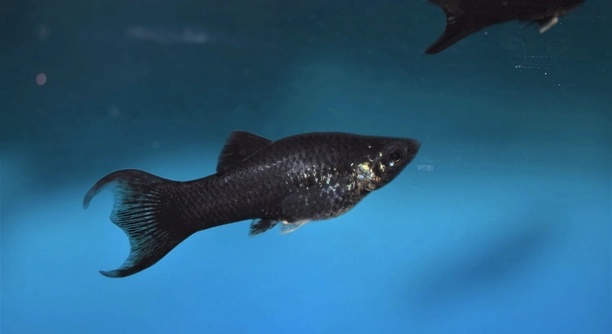
Are your Black Molly fry staying close together, forming tight groups in the tank? Observing them can be both fascinating and concerning for any aquarist trying to maintain a healthy, balanced environment for their young fish.
Black Molly fry often group tightly due to environmental stress, limited swimming space, or natural schooling behavior. These fish instinctively seek safety in numbers, especially during early development stages, as this behavior enhances survival and reduces vulnerability to perceived threats.
Learning the reasons behind this grouping can help you provide a safer, more comfortable habitat and support their healthy growth in your aquarium.
Common Reasons for Tight Grouping
One of the main reasons Black Molly fry group tightly is stress. Changes in water temperature, sudden lighting shifts, or overcrowding can make fry feel unsafe, prompting them to huddle together. Limited swimming space also forces them into closer proximity, especially in smaller tanks or tanks with heavy plant coverage. Natural schooling instincts are another factor. Young Molly fry rely on being in groups to feel secure, which helps them avoid potential threats and reduces individual vulnerability. Even in a well-maintained tank, fry may cluster if they sense movement outside the aquarium or hear vibrations. Observing this behavior carefully can help determine whether it is normal schooling or a reaction to environmental pressures. Adjusting tank conditions, including water parameters, lighting, and decorations, often encourages more comfortable movement patterns. Providing hiding spots like small plants or smooth rocks can reduce stress and support natural dispersion as fry grow older, helping them feel safe without constant close contact.
Tight grouping is rarely harmful if water quality and space are sufficient. Fry will spread as they mature.
Keeping a close eye on water conditions is key. Regular monitoring and small adjustments prevent stress-related behaviors from becoming long-term issues. Proper filtration, stable temperatures, and gentle water flow allow fry to explore the tank more confidently. Offering consistent feeding routines and avoiding sudden disruptions also encourages them to move freely. Understanding their instincts helps maintain a balanced environment where fry can grow healthy and resilient.
Environmental Adjustments to Encourage Dispersion
Adjusting the tank layout can help fry feel safer and reduce tight grouping. Adding floating plants or gentle hiding areas gives them options to explore.
Creating zones within the aquarium allows fry to swim independently while still feeling secure. Gradually increasing open swimming space encourages exploration without exposing them to stress. Removing sharp or crowded decorations reduces fear responses. Water parameters should be stable, as even minor fluctuations can trigger clustering. Keeping feeding areas varied prevents fry from always gathering in one spot. A consistent light-dark schedule also minimizes stress, allowing fry to adapt naturally to the environment. Observing their behavior over days helps identify which changes are effective. Over time, these adjustments lead to a calmer, more balanced tank where fry can disperse while still maintaining social connections. Maintaining gentle filtration and proper aeration supports these efforts, ensuring that the tank remains a safe habitat for all young fish. Regular maintenance and observation allow ongoing refinement to meet the fry’s evolving needs, supporting healthy growth and behavior patterns.
Feeding and Nutrition Impact
Inconsistent feeding can make Black Molly fry stick together, often crowding in one area during mealtime. Fry tend to follow each other when searching for food, which increases grouping behavior and can create competition for limited resources in the tank.
Providing small, frequent meals helps fry disperse naturally. Using finely crushed flake food, baby brine shrimp, or specialized fry food ensures all fry receive proper nutrition. Uneven feeding or large amounts at once encourages clustering and stress, as some fry may struggle to access food while others dominate. Observing their feeding patterns can reveal whether tight grouping is related to hunger or instinctual schooling. Adjusting feeding strategies gradually promotes healthier movement and reduces unnecessary crowding. Consistency in feeding times and quantities helps establish routine, supporting growth and reducing stress-induced behavior. Over time, fry become more confident and less reliant on constant proximity to one another, allowing natural exploration and social development in the tank environment.
Supplemental nutrition also plays a role in overall health. Healthy fry are more active and tend to spread out, reducing constant clustering in a confined area.
Water Quality and Its Effects
Poor water quality can trigger stress responses in Black Molly fry, including tight grouping. Elevated ammonia, nitrites, or sudden pH changes force fry to huddle together for perceived safety.
Maintaining stable water parameters is critical for fry health and behavior. Regular testing and partial water changes prevent harmful chemical buildup that can lead to stress-induced clustering. Proper filtration and aeration keep oxygen levels consistent, reducing the need for fry to stay in groups near bubbles or filtered areas. Temperature stability is equally important, as fluctuations can prompt fry to seek safety in numbers. Observing fry behavior alongside water metrics helps identify subtle stress signs early. By ensuring a clean, stable environment, fry are more likely to explore the tank independently while still maintaining social interactions naturally. Adjusting maintenance routines gradually avoids shock, helping fry adapt without resorting to constant tight grouping. These steps also support overall growth, immune function, and long-term health.
Light and Temperature Factors
Bright or fluctuating lighting can make Black Molly fry feel exposed, causing them to stay close together. Fry often seek shaded areas or cluster near plants to feel protected from sudden changes in light intensity.
Temperature instability also influences fry behavior. Even slight shifts in water warmth can trigger stress, leading to tighter grouping. Maintaining consistent temperature with a reliable heater and monitoring daily prevents unnecessary clustering. Fry are more active and confident when their environment remains steady, allowing them to explore and feed without fear.
Tank Size and Space
Limited swimming space forces fry to huddle, especially in smaller tanks. More room encourages natural dispersion and reduces stress-related clustering. Providing vertical and horizontal space with hiding spots allows fry to navigate freely, promoting healthier social behavior.
Social Behavior and Schooling
Black Molly fry naturally school as part of their instincts. Tight grouping is a normal survival strategy, helping them feel safer in numbers and reducing vulnerability to threats. Schooling also supports coordinated swimming, which improves muscle development and spatial awareness.
Observation Tips
Watch fry behavior at different times of day. Patterns reveal stress points, feeding preferences, and preferred hiding spots, guiding adjustments in care and environment.
FAQ
Why are my Black Molly fry grouping tightly all the time?
Black Molly fry naturally group for safety and comfort. This behavior is strongest during early development when fry are most vulnerable. Tight grouping can also signal environmental stress, such as poor water quality, sudden lighting changes, or limited space. Providing a stable tank with proper hiding areas and consistent feeding often reduces constant clustering over time.
Is tight grouping harmful to my fry?
In most cases, tight grouping is not directly harmful if the tank is well-maintained. Fry huddle instinctively for protection and will gradually spread out as they grow. Problems arise only if water quality is poor, food is insufficient, or the tank is overcrowded, which can lead to stunted growth or stress-related illness.
How can I encourage my fry to spread out?
Increasing tank space, adding hiding spots, and providing consistent feeding helps fry feel secure enough to disperse naturally. Floating plants, gentle decorations, and well-distributed feeding areas give fry options to explore independently without feeling threatened, encouraging healthier movement throughout the tank.
Does water quality affect grouping behavior?
Yes. High ammonia, nitrites, or fluctuating pH levels stress fry, prompting them to cluster. Regular testing, partial water changes, stable temperature, and proper filtration reduce stress. Fry are more likely to swim freely when water parameters are stable and oxygen levels are consistent.
Can lighting impact fry behavior?
Bright or inconsistent lighting can make fry feel exposed, increasing tight grouping. Fry prefer shaded areas or plants where they feel protected. Maintaining steady, moderate lighting encourages natural exploration and reduces stress-induced clustering.
Does feeding frequency affect grouping?
Yes. Irregular feeding or large meals can cause fry to crowd one area, creating competition for food. Small, frequent meals help distribute fry throughout the tank, promoting more natural movement and reducing stress caused by hunger or dominance behaviors.
Will fry outgrow tight grouping?
Typically, yes. As fry mature, their confidence grows, and schooling becomes less intense. Providing enough space, proper nutrition, and stable conditions allows fry to gradually explore the tank independently, though some social clustering may continue due to natural schooling instincts.
Are there signs that tight grouping is a problem?
Look for signs like lethargy, poor feeding, uneven growth, or frequent hiding in one corner. Persistent tight clustering combined with poor water conditions, overcrowding, or disease indicates stress that needs immediate correction to support healthy development.
Can tank decorations help reduce tight grouping?
Yes. Adding floating plants, small hiding spots, and clear swimming paths allows fry to feel secure while moving around. This encourages natural dispersion and reduces stress-driven clustering. Avoid overcrowding decorations, as this can worsen tight grouping by limiting swimming space.
Should I separate fry from adults to prevent stress?
Separating fry from adults is often necessary. Adult Mollies may inadvertently stress fry or compete for food. Using a dedicated fry tank or breeding box ensures safety, reduces constant tight grouping, and improves growth and survival rates.
How often should I monitor fry behavior?
Daily observation is ideal. Monitoring feeding, swimming patterns, and clustering behaviors helps detect early stress, environmental issues, or health problems. Regular checks allow timely adjustments to tank conditions, improving fry comfort and encouraging healthy dispersion.
Does schooling behavior vary between different Black Molly fry groups?
Yes. Fry from different genetic lines or varying tank environments may show different schooling tendencies. Some may naturally stay closer together, while others explore more freely. Understanding your specific fry group helps tailor care, feeding, and tank adjustments to their unique behavior.
Can water flow affect tight grouping?
Strong currents can make fry feel insecure, causing them to cluster in calmer areas. Gentle filtration and moderate water flow allow fry to swim freely while still feeling protected, reducing stress-induced tight grouping without compromising oxygenation or cleanliness.
Do Black Molly fry need companions to reduce stress?
Yes, to an extent. Fry feel safer in small groups, which helps reduce fear and stress. However, overcrowding can worsen tight grouping and competition for food. Maintaining an appropriate fry-to-space ratio ensures social comfort without causing additional stress.
What role does tank temperature play in grouping?
Temperature fluctuations stress fry and trigger tighter grouping. Maintaining a stable range of 75–80°F ensures fry remain active, confident, and less prone to huddle unnecessarily. Sudden changes in warmth can temporarily increase clustering and reduce exploration.
Can I use observation to improve fry behavior?
Absolutely. Watching fry patterns identifies stress triggers, preferred hiding spots, and feeding habits. Adjusting tank layout, feeding routines, or lighting based on observations improves dispersion, reduces stress, and supports healthy growth over time.
Are there long-term effects if fry always group tightly?
Persistent clustering due to stress can affect growth and immune function. If tight grouping is accompanied by poor water quality, overcrowding, or inadequate feeding, fry may experience slower development and higher susceptibility to disease. Ensuring proper tank conditions prevents these long-term issues.
Do hiding spots reduce tight grouping?
Yes. Providing accessible plants, smooth rocks, or other shelters allows fry to explore while feeling secure. Fry use these areas to avoid constant huddling, promoting more natural schooling and social interaction without unnecessary stress.
Can changing tankmates affect fry grouping?
Introducing aggressive or larger tankmates can make fry huddle for protection. Ensuring compatible tankmates and maintaining a safe environment helps fry disperse naturally and reduces stress-induced clustering.
Is tight grouping more common in newly hatched fry?
Yes. Newly hatched fry are more vulnerable and instinctively stay close together. As they grow and gain strength, they gradually explore more freely, though occasional schooling behavior remains normal throughout early development.
How can I balance fry safety and tank space?
Use a combination of adequate tank size, hiding spots, gentle water flow, and stable conditions. This ensures fry feel secure while having enough room to disperse, promoting healthy movement, growth, and social development without constant tight clustering.
What are simple ways to improve fry comfort?
Maintain clean water, stable temperature, consistent feeding, and gentle lighting. Adding plants and small decorations provides safety zones, encouraging fry to spread out naturally. Observing behavior regularly helps refine these adjustments for long-term comfort.
Does stress affect fry growth?
Yes. Chronic stress from poor water quality, overcrowding, or environmental instability can slow growth, weaken immunity, and increase vulnerability to disease. Reducing stress through proper care encourages healthy development and more independent swimming behavior.
Can fry behavior indicate tank issues?
Absolutely. Tight grouping, lethargy, or constant hiding often signals water quality problems, inadequate space, or environmental stress. Observing behavior helps detect issues early, allowing timely adjustments to maintain a healthy, safe habitat for fry.
How long does it take for fry to disperse naturally?
Dispersal varies by tank size, population density, and environmental conditions. With proper care, most fry begin exploring independently within a few weeks, though occasional schooling remains normal for social comfort and safety.
Are there differences in grouping between male and female fry?
Sex differences are subtle in early fry stages. Most grouping behavior is driven by instinct rather than sex. Differences in activity levels may emerge later as males and females develop, but schooling in young fry is generally uniform.
Can regular water changes reduce tight grouping?
Yes. Fresh, clean water improves comfort, reduces stress, and encourages natural swimming patterns. Partial water changes also prevent buildup of harmful chemicals that trigger huddling, supporting healthier dispersal and overall fry wellbeing.
Do fry need hiding spots at all times?
Accessible hiding areas are crucial, especially in early stages. Fry use them to feel safe while exploring. Even when they begin dispersing, shelters reduce stress and provide a fallback when they feel threatened, encouraging confident, balanced behavior.
Is constant observation necessary for fry care?
Regular monitoring is important. Observing behavior, feeding, and water conditions daily helps catch stress triggers, health issues, and environmental problems early, allowing timely interventions to support fry growth and natural schooling behaviors.
How do I know when grouping is normal versus stress-induced?
Normal grouping is temporary and fluctuates with feeding, light, or activity. Stress-induced clustering persists, accompanied by hiding, lethargy, or uneven growth. Checking water parameters, tank space, and feeding routines helps determine the cause and guide corrective actions.
Can fry feel safe without grouping tightly?
Yes. Fry disperse naturally when tank conditions are stable, food is consistent, and sufficient hiding spots exist. Tight grouping decreases as confidence grows, but occasional schooling remains part of their instinctual behavior.
Do plants influence fry grouping?
Yes. Plants provide security and reduce fear, encouraging fry to explore without constant clustering. Floating or dense plants offer shaded areas that support natural movement and independent swimming while still allowing social interaction.
How does filtration affect fry behavior?
Strong currents can force fry to huddle in calmer areas. Gentle filtration with moderate water flow creates a comfortable environment that allows dispersion while maintaining oxygenation and water cleanliness.
Are there behavioral signs before fry start huddling?
Restlessness, sudden darting, or frequent hiding often precede tight grouping. These behaviors indicate stress or perceived threats. Addressing environmental factors early prevents prolonged clustering and promotes more natural swimming patterns.
Can overcrowding cause permanent tight grouping?
Yes. Overcrowded tanks increase stress, competition for food, and limited swimming space. Fry may remain clustered longer than normal, potentially affecting growth and development. Ensuring adequate space per fry is essential for proper social behavior and health.
Does age affect how tightly fry group?
Younger fry group more tightly for protection. As they grow, confidence and swimming ability improve, reducing constant clustering. Social instincts remain, but dispersion becomes more pronounced with age and proper environmental conditions.
Can temperature fluctuations temporarily increase grouping?
Yes. Sudden drops or spikes in water temperature trigger stress responses, leading fry to huddle for perceived safety. Maintaining a stable temperature reduces this behavior and supports more consistent exploration and feeding.
Are there signs of overcrowding in a fry tank?
Signs include constant tight clustering, competition for food, aggressive behavior, and uneven growth. Monitoring population density and tank space ensures fry have enough room to spread out naturally, supporting healthier behavior and development.
Do feeding location and method affect clustering?
Yes. Concentrated feeding in one spot encourages fry to gather tightly. Distributing food evenly and using smaller portions promotes natural dispersion and reduces stress-related huddling.
How can I gradually reduce tight grouping?
Make small adjustments to tank layout, increase swimming space, provide consistent feeding, and maintain stable water conditions. Over time, fry become confident enough to explore independently while retaining normal schooling instincts.
Are there behavioral differences between tank-raised and wild fry?
Tank-raised fry may show stronger schooling due to controlled environments and fewer predators. Wild fry often disperse more quickly. Understanding these tendencies helps tailor care and tank setup for optimal growth and social behavior.
Does crowding near tank walls indicate anything?
Yes. Fry clustering along walls often signals stress, fear, or poor water flow. Observing these patterns helps identify environmental improvements like hiding spots, gentle currents, and consistent lighting to encourage natural dispersion.
Can fry behavior predict adult temperament?
Partially. Fry that are confident and explore actively often develop into more resilient, adaptable adults. Persistent stress-induced clustering may indicate sensitivity or vulnerability, which can be mitigated with proper care and stable environments.
Is schooling more important than individual space for fry?
Both are important. Fry need social contact for security but also require enough space to swim and feed independently. Balancing schooling instincts with adequate tank layout ensures healthy growth and reduces stress.
How long should fry be monitored closely?
Closely observing fry daily during the first few weeks is critical. After establishing stable water conditions, feeding, and behavior patterns, monitoring can continue at regular intervals, ensuring fry remain healthy and gradually disperse naturally.
Can changing the tank substrate affect grouping?
Yes. Rough or cluttered substrates may make fry feel exposed or unsafe, prompting clustering. Smooth or planted substrates encourage natural exploration, allowing fry to move freely while still feeling secure.
Do fry feel safer near the surface or bottom?
It depends on light, water flow, and available shelter. Fry may shift between levels based on perceived safety, using both surface and bottom areas to disperse while maintaining access to hiding spots and food sources.
Can fry behavior indicate illness?
Yes. Lethargy, constant hiding, or erratic swimming along with tight grouping can signal illness. Early detection allows prompt treatment and prevents stress-related complications from worsening their condition.
Does grouping decrease as the tank matures?
Often. A well-established tank with stable water parameters, proper feeding, and sufficient hiding spots allows fry to feel secure, gradually reducing tight clustering as they gain confidence and explore more independently.
How does water hardness influence fry grouping?
Extreme hardness levels can stress fry, leading to clustering. Maintaining moderate hardness and consistent water parameters reduces stress responses, supporting natural swimming behavior and healthier social interactions.
Can fry recognize individual tankmates?
Not in early stages. Fry rely on schooling instincts rather than individual recognition. Tight grouping is primarily a response to environmental cues and safety needs, not social bonds.
Are there seasonal variations in fry behavior?
Seasonal temperature or lighting changes in the tank room may influence activity levels and grouping. Maintaining consistent conditions minimizes these fluctuations, supporting stable behavior and natural dispersion patterns.
Does tank cleanliness directly affect tight grouping?
Yes. Accumulated waste, uneaten food, or algae increase stress, prompting fry to huddle. Regular cleaning and partial water changes improve comfort, allowing fry to explore without constant clustering.
Can introducing new fry disrupt existing groups?
Yes. New fry can cause temporary clustering as the group readjusts. Gradual introductions and adequate space help minimize stress and allow natural social integration without excessive huddling.
How can I identify stress-induced clustering versus normal schooling?
Stress-induced clustering is persistent, often accompanied by hiding, lethargy, or uneven growth. Normal schooling fluctuates with feeding, light, and activity and does not appear linked to environmental issues. Monitoring behavior alongside water quality helps differentiate the cause.
Can fry adapt to smaller tanks over time?
They may adapt but are more prone to stress and tighter grouping. Providing adequate hiding spots, gentle flow, and consistent feeding mitigates the negative effects of limited space while supporting natural behavior.
Does fry size affect grouping?
Smaller or weaker fry tend to cluster more for protection. As they grow stronger, confidence increases, leading to more independent swimming. Adequate nutrition and stable conditions accelerate this process.
Can fry feel threatened by reflections in glass?
Yes. Reflections can be perceived as other fish or threats, causing fry to huddle. Minimizing reflective surfaces or adjusting lighting reduces stress-induced tight grouping.
Are there tank setups that naturally reduce tight grouping?
Yes. Tanks with moderate vegetation, smooth hiding spots, gentle water flow, and open swimming areas encourage fry to explore safely, reducing constant clustering without interfering with natural schooling behavior.
How important is monitoring water chemistry for behavior?
Critical. pH, ammonia, nitrites, nitrates, and temperature all influence fry comfort. Stable chemistry reduces stress, prevents tight grouping caused by environmental concerns, and supports healthy growth and development.
Do fry prefer certain areas of the tank?
Yes. Fry often stay near plants, shallow areas, or gentle currents where they feel safe. Observing their preferred zones helps adjust tank layout to encourage natural dispersion while maintaining security.
Can fry learn to disperse with repeated exposure?
Yes. Consistent, low-stress environments allow fry to gain confidence. Over time, they explore more freely, reducing unnecessary tight grouping while still maintaining social interactions.
Do tank mates influence schooling behavior?
Yes. Aggressive or fast-moving fish can increase clustering as fry seek safety. Compatible, calm tank mates allow fry to swim confidently without excessive huddling, supporting natural growth and social patterns.
Does water depth affect tight grouping?
Shallow water can make fry feel exposed, increasing clustering. Proper depth combined with hiding spots and plants allows fry to disperse naturally while maintaining access to secure areas for comfort.
Can fry behavior indicate nutritional deficiencies?
Yes. Poor nutrition may reduce activity, increase hiding, and encourage tight grouping. Providing balanced, frequent meals ensures healthy growth, energy, and normal social behavior.
Are some fry naturally more social than others?
Yes. Individual temperament varies, with some fry preferring closer schooling. Observing patterns helps tailor tank setup and feeding routines to support both social and exploratory behaviors without unnecessary stress.
Does fry density impact growth and behavior?
High density increases competition, stress, and clustering. Maintaining appropriate fry-to-space ratios ensures healthier growth, balanced social interactions, and less stress-induced tight grouping.
Can fry be stressed by sudden movements outside the tank?
Yes. Quick movements, tapping, or vibrations can trigger huddling. Limiting disturbances and providing hiding spots reduces stress and encourages normal swimming behavior.
How do I balance social behavior and individual space for fry?
Provide adequate space, hiding spots, gentle currents, and consistent feeding. This supports social interactions through schooling while allowing individual exploration, reducing stress-related clustering and promoting healthy development.
Can fry be trained to disperse through feeding techniques?
Yes. Distributing food evenly and using multiple feeding points encourages fry to move around the tank, reducing tight clustering and promoting balanced social and exploratory behavior.
Do fry group more during the day or night?
Clustering is more noticeable during periods of perceived activity or threat. Fry may spread out more during calm conditions, often after feeding, when they feel safe and environmental factors remain stable.
Can noise near the tank affect fry behavior?
Yes. Vibrations and loud sounds can stress fry, causing temporary tight grouping. Reducing noise and minimizing disturbances helps maintain calm, allowing fry to disperse naturally while maintaining social cohesion.
Does tank shape influence grouping?
Longer tanks with open swimming space allow better dispersion. Small, narrow tanks limit movement, increasing clustering. Proper layout and hiding spots balance security with space for natural exploration and social behavior.
Are there seasonal considerations for indoor tanks?
Seasonal room temperature and lighting changes can affect fry activity. Maintaining consistent environmental conditions minimizes stress and tight grouping, promoting natural swimming patterns and healthy growth year-round.
Can fry behavior indicate oxygen levels?
Yes. Clustering near the surface or filter output may signal low oxygen. Adequate aeration and moderate water flow reduce tight grouping caused by oxygen stress and support healthy exploration.
How do I support fry health while allowing natural schooling?
Maintain stable water parameters, provide sufficient space, hiding spots, balanced feeding, and gentle water flow. Observing behavior and making small adjustments encourages natural schooling without excessive stress or constant tight grouping.
Are there visual cues that fry are stressed?
Frequent huddling, hiding, erratic swimming, or lethargy often indicate stress. Checking water quality, feeding, and tank setup helps identify and correct causes, supporting healthier behavior and dispersion.
**
Black Molly fry naturally group together as a protective behavior. This instinct helps them feel safe during the early stages of development. Tight clustering is common, especially in smaller tanks, when fry are adjusting to their surroundings. Observing them closely can provide insight into whether their behavior is normal or a response to stress. Factors such as water quality, lighting, temperature, feeding routines, and tank layout all influence how tightly fry group. When these conditions are stable, fry tend to disperse more, exploring the tank independently while still maintaining some level of social interaction. Understanding the reasons behind their behavior allows you to make adjustments that support both safety and freedom of movement for the fry.
Environmental stability is crucial in managing tight grouping. Maintaining consistent water parameters, including temperature, pH, and chemical balance, reduces stress that may cause fry to cluster excessively. Proper filtration and gentle water flow help create a comfortable habitat, allowing fry to swim freely without feeling threatened. Providing hiding spots, such as plants or small decorations, further encourages exploration while still offering safe areas to retreat if needed. Feeding routines also play a significant role. Small, frequent meals help distribute fry throughout the tank and reduce competition for food, which can contribute to clustering. Observing patterns in their movement during feeding times can reveal whether tight grouping is caused by hunger or instinct. Gradual adjustments in tank layout and feeding habits often improve fry confidence and reduce unnecessary huddling.
Over time, fry will naturally begin to disperse as they grow stronger and more confident. Tight grouping decreases as fry develop swimming skills and adapt to their environment. While occasional clustering remains a normal part of schooling behavior, proper care and attention to tank conditions ensure that fry can explore safely and grow healthily. Monitoring their behavior regularly allows you to detect early signs of stress or environmental issues, providing the opportunity to make timely adjustments. By creating a balanced environment with stable water parameters, adequate space, proper feeding, and gentle lighting, you support the fry’s physical development and social needs. These efforts promote a healthier, more comfortable habitat where fry can thrive, gradually spreading out while maintaining the security of their natural schooling instincts.

Hello,
If you enjoy the content that we create, please consider saying a "Thank You!" by leaving a tip.
Every little bit helps us continue crafting quality advice that supports the health, happiness, and well-being of pets around the world, for pets of all shapes, sizes, and species.
We really appreciate the kindness and support that you show us!