
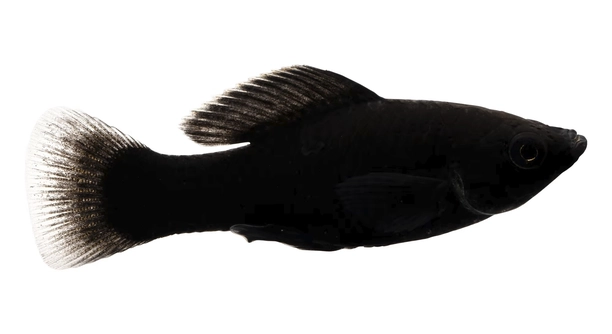
Are your black molly swimming energetically and exploring every corner of their tank? Observing their behavior and appearance can reveal much about their health. Thriving fish often display subtle but noticeable signs that indicate overall well-being.
Healthy black molly exhibit vibrant coloration, smooth scales, clear eyes, and consistent swimming patterns. They maintain proper body shape, active feeding habits, and responsive behavior, all of which are reliable visual indicators of their optimal health and thriving state.
Recognizing these signs can help you ensure your black molly remain happy and healthy. These visual cues provide guidance for attentive and effective care.
Vibrant and Consistent Coloration
A black molly displaying deep, consistent black coloration is a clear sign of good health. When their color appears rich and even across the body, it reflects proper nutrition and a stress-free environment. Dull or faded patches can indicate illness, poor water quality, or insufficient diet. Observing their fins and tail is also important. Healthy molly fins are fully extended and free of tears or spots. Color changes that are gradual can be natural, but sudden dullness should not be ignored. Proper lighting and a clean tank support coloration. Feeding a balanced diet with both plant and protein sources contributes to vibrant hues. Seasonal or environmental changes may slightly alter shades, but consistent dark tones generally show thriving fish. Monitoring their color daily allows early detection of any deviations. Black mollies that display consistent color often swim confidently, explore the tank, and interact naturally with other fish.
Proper lighting and balanced nutrition are essential for maintaining their rich black coloration.
A deep black molly signals health and comfort. Fish that maintain vibrant color usually have a stable tank environment, are fed well, and swim actively. This visual cue is one of the most reliable indicators of thriving fish.
Smooth Scales and Clear Eyes
Smooth scales and clear eyes are immediate signs of wellness in black molly.
Healthy molly scales lie flat and shimmer naturally under light. Rough, raised, or damaged scales may indicate infection, injury, or poor water conditions. Clear, bright eyes without cloudiness signal good health and proper hydration. Cloudy or bulging eyes can point to bacterial infections or water-related stress. Consistently observing these features helps catch potential issues early, making care more effective. Maintaining clean water, stable temperature, and balanced diet prevents many common problems. Black mollies rely on their senses to navigate and feed, so any impairment can affect behavior. Ensuring a stress-free environment with compatible tank mates also supports their overall condition. Regular water testing for pH, ammonia, and nitrate levels contributes to keeping scales smooth and eyes clear. Grooming plants and surfaces in the tank reduces harmful bacteria and debris that could damage scales. Healthy fish with smooth scales and clear eyes display more energetic swimming and are more likely to thrive long-term.
Consistently checking scales and eyes allows you to catch early signs of distress and maintain their health effectively.
Active Swimming and Exploration
Black mollies that swim actively and explore all areas of the tank show strong health and energy. Lethargy or hiding for long periods can indicate stress or illness. Regular movement also ensures proper muscle development and digestion, reflecting overall well-being.
Active swimming improves circulation and supports a strong immune system. Fish that move confidently around the tank interact naturally with other mollies, maintain buoyancy, and respond quickly to environmental changes. Observing their swimming patterns daily helps detect early signs of discomfort or disease. Mollies that explore are often more engaged with their surroundings, which indicates they feel secure and healthy.
Exploration and movement also prevent boredom and stress. A stimulating environment with plants, decorations, and space to swim encourages natural behavior. When mollies are active, they feed readily, grow consistently, and maintain better coloration. Watching them navigate the tank shows they are thriving physically and mentally.
Healthy Appetite
Black mollies that eat consistently and show interest in food are indicators of good health.
A strong appetite reflects proper digestion, metabolism, and energy levels. Fish that ignore food or show sudden changes in feeding habits may be experiencing illness or stress. Providing a varied diet including high-quality flakes, pellets, and occasional live or frozen foods ensures balanced nutrition. Regular feeding times help establish routine, reduce competition, and support social stability among tank mates. Monitoring their feeding behavior can reveal subtle signs of discomfort before other symptoms appear. Mollies that eagerly feed are typically active, maintain body weight, and display vibrant coloration.
Maintaining consistent feeding encourages growth and vitality. A well-fed molly is less likely to show aggression or signs of stress, and overall tank health improves when nutrition is balanced. Observing their appetite daily gives insight into water quality, tank dynamics, and their overall well-being.
Social Interaction
Black mollies that interact calmly with other tank mates demonstrate comfort and security. Aggression or constant hiding may indicate stress or poor tank conditions. Observing their social behavior helps gauge overall well-being.
Mollies that swim together, chase lightly, or hover near each other show healthy social instincts. This interaction supports mental stimulation and reduces stress, contributing to thriving behavior.
Proper Body Shape
A black molly with a smooth, well-proportioned body is a sign of good nutrition and health. Uneven swelling, sunken areas, or bloating may indicate digestive issues or disease. Maintaining proper diet and clean water helps preserve natural body shape and ensures long-term vitality.
Responsive Behavior
Active response to movement or feeding signals alertness and good health in black mollies. Fish that ignore stimuli may be stressed, sick, or adjusting poorly to their environment.
FAQ
How often should I feed my black molly?
Feeding black mollies twice a day is generally ideal. Provide small amounts that they can consume within two to three minutes. Overfeeding can lead to water quality issues and obesity, while underfeeding may stunt growth or reduce energy. A balanced mix of flakes, pellets, and occasional live or frozen foods ensures proper nutrition and supports vibrant color, activity, and overall health. Monitoring their feeding habits daily helps detect changes in appetite, which can signal stress or illness early.
What water conditions are best for black mollies?
Black mollies thrive in clean, slightly alkaline water with a pH between 7.5 and 8.5. Temperature should be maintained between 75°F and 82°F. Regular water changes of 25-30% weekly prevent the buildup of toxins like ammonia and nitrites. Mollies also benefit from moderate water hardness, which supports their immune system and scale health. Adding live plants and proper filtration helps maintain oxygen levels and reduces stress. Testing water parameters regularly ensures consistency, as sudden changes can affect behavior, coloration, and appetite.
How do I tell if my black molly is stressed?
Signs of stress include hiding frequently, clamped fins, rapid gill movement, loss of appetite, or sudden changes in coloration. Stress can result from poor water quality, overcrowding, incompatible tank mates, or sudden environmental changes. Observing behavior daily allows early intervention. Providing hiding spots, proper water conditions, and compatible companions reduces stress. Adjusting lighting and avoiding sudden temperature fluctuations also supports a calmer environment. Stress can compromise immunity, making fish more susceptible to disease. Addressing the underlying cause quickly helps mollies regain normal behavior and thrive.
Can black mollies live with other fish?
Yes, black mollies are generally peaceful and can live with other non-aggressive fish of similar size. Avoid keeping them with aggressive or fin-nipping species, as this can cause stress or injury. Providing adequate space, hiding spots, and maintaining proper stocking levels ensures harmony. Grouping them with other livebearers like platies or guppies works well. Observing interactions in the first few days is important to prevent bullying. Proper diet and routine maintenance keep all tank mates healthy. Healthy social interaction encourages active swimming and reduces territorial behavior.
How do I maintain my black molly’s color?
Vibrant coloration comes from a balanced diet and stable water conditions. Feed high-quality food with natural pigments, such as spirulina or carotenoid-rich flakes, to enhance black tones. Avoid stressors like overcrowding, poor water quality, or sudden changes in lighting. Regular water changes, proper filtration, and moderate lighting help maintain shine and overall appearance. Healthy mollies are active, feed consistently, and display smooth, dark scales. Monitoring color daily helps detect health issues early, as dull or faded tones may signal illness, stress, or nutritional deficiencies.
How can I tell if my black molly is sick?
Common signs include lethargy, loss of appetite, unusual swimming patterns, clamped fins, cloudy eyes, or visible spots and swelling. Early detection is crucial for effective treatment. Quarantining sick fish and testing water parameters often prevents the spread of disease. Maintaining a clean, stable tank environment supports recovery. Observing behavior, coloration, and physical appearance daily ensures prompt attention if abnormalities arise. Many illnesses respond well to water adjustments, medication, or dietary changes when detected early.
Do black mollies need special lighting or plants?
Moderate lighting enhances coloration and supports plant growth, which contributes to water quality and hiding spots. Live plants provide enrichment, reduce stress, and help oxygenate the water. Avoid overly bright lighting, which can stress fish or promote algae growth. Positioning plants and decorations to create sheltered areas allows mollies to rest and explore naturally. A balanced environment supports activity, social interaction, and thriving behavior. Observing their response to lighting and layout adjustments ensures comfort and promotes health.
How do I encourage breeding in black mollies?
Provide a spacious tank with clean, slightly alkaline water and stable temperatures. Include live plants or dense decorations to give fry hiding places. Feed a varied diet rich in protein to support reproduction. Separate pregnant females if needed to protect fry. Monitor health and behavior to ensure optimal conditions for breeding. Healthy, unstressed fish with proper nutrition and environment are more likely to reproduce successfully.
Can black mollies adapt to different water types?
Yes, black mollies can tolerate brackish water with slight salinity. Gradual acclimation prevents shock. Avoid sudden changes in water chemistry or temperature. Maintaining clean water, stable conditions, and proper diet allows them to thrive across varying environments. Observing behavior and coloration ensures the adjustment is successful.
What tank size is ideal for black mollies?
A minimum of 20 gallons is recommended for a small group of black mollies. Adequate space prevents overcrowding, reduces aggression, and supports proper swimming. Adding plants and decorations provides enrichment and hiding spots. Larger tanks promote healthier behavior, more consistent water parameters, and thriving fish.
Final Thoughts
Caring for black mollies requires attention to detail and consistent observation. These fish are sensitive to changes in water quality, diet, and tank conditions, and their health often reflects the environment they are kept in. Observing their behavior, color, and activity levels daily helps identify potential problems early. Thriving black mollies usually show vibrant coloration, smooth scales, clear eyes, active swimming, and a consistent appetite. Each of these signs provides insight into their overall well-being. Maintaining stable water parameters, including proper pH, temperature, and hardness, is essential for long-term health. Regular water changes and careful monitoring of ammonia, nitrate, and nitrite levels reduce stress and prevent disease.
Diet plays a significant role in the health of black mollies. Providing a balanced mix of high-quality flakes, pellets, and occasional live or frozen foods ensures they receive necessary nutrients. Variety in their diet not only supports proper growth and coloration but also keeps them engaged and active. Overfeeding should be avoided, as excess food can pollute the tank and cause digestive issues. Observing feeding behavior is equally important, as sudden changes in appetite often indicate stress, illness, or poor water conditions. A healthy feeding routine, combined with a clean and stable environment, encourages thriving behavior, social interaction, and natural activity levels.
Tank setup and social conditions also affect how well black mollies thrive. Providing enough space, hiding spots, and compatible companions allows them to express natural behaviors, reducing stress and promoting overall well-being. Live plants and gentle lighting enhance their environment, supporting both physical health and mental stimulation. Aggressive or incompatible tank mates should be avoided to prevent stress and potential injury. Attention to these details, along with consistent observation and proper care, ensures black mollies remain active, healthy, and visually vibrant. By monitoring their behavior, appearance, and interactions, caretakers can respond quickly to any changes and create an environment where these fish can truly thrive.

Hello,
If you enjoy the content that we create, please consider saying a "Thank You!" by leaving a tip.
Every little bit helps us continue crafting quality advice that supports the health, happiness, and well-being of pets around the world, for pets of all shapes, sizes, and species.
We really appreciate the kindness and support that you show us!