
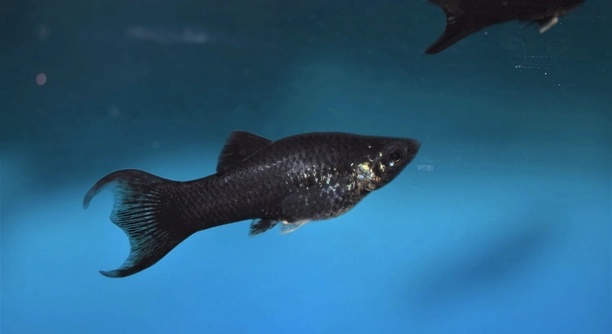
Black Molly fry often gather in neat lines near the edges of the tank. Observing them can feel both cute and puzzling, especially for new fish owners trying to understand their tiny aquatic world and behavior patterns.
When black Molly fry line up, it is usually a natural schooling behavior. This formation provides safety from potential threats, improves feeding efficiency, and reflects instinctual social interaction. Such behavior is common in small, young livebearers in captivity and in the wild.
Watching their organized movements offers insight into their instincts and health. Paying attention to these patterns can help ensure their proper growth and environment.
Understanding Fry Schooling Behavior
Black Molly fry often line up as a natural way to feel safe and stay together. In a tank, small fish can feel exposed, and forming a line reduces the risk of being singled out by larger fish. The alignment also helps them move efficiently while searching for food. Observing them, I noticed that their spacing is often consistent, with each fry maintaining a short distance from the next. This spacing seems instinctive, helping them respond quickly if something startles the group. Their tiny movements, though subtle, show coordination, and I found that they often pause together before darting toward food or shelter. The behavior can also indicate a healthy tank environment. When fry are stressed or the water quality is poor, the lining up may become irregular, or they may hide more. Overall, watching them line up can provide a lot of information about their comfort and safety.
Line formation in fry is a natural adaptation to avoid danger and improve feeding success while promoting social interaction among the young fish.
Observing these patterns can help you maintain a healthy tank. Noticing changes early allows adjustments before issues grow.
Environmental Factors Affecting Fry Behavior
Tank size, hiding spots, and water conditions all influence how fry line up.
Water temperature and pH levels can significantly affect fry activity. When the tank is clean and the water parameters are stable, black Molly fry display more consistent schooling behavior. Plants or decorations provide shelter, giving fry confidence to explore and line up naturally. I often rearrange small plants slightly, and the fry quickly adapt, showing the line formation resumes almost immediately. Overcrowding can disrupt the pattern, as fry have less space to align, making them appear restless or scattered. Lighting also plays a role; moderate light encourages normal activity, while overly bright or dim light can stress them. Feeding routines affect behavior too. Fry tend to line up near the surface when expecting food, forming a clear, organized group. By understanding these environmental influences, it becomes easier to create a supportive habitat, ensuring the fry are both safe and active. Paying attention to their behavior provides insight into their well-being, making it easier to respond to their needs and maintain a thriving tank.
Feeding Patterns and Line Formation
Fry often line up during feeding. It helps them access food evenly while reducing competition. Watching my tank, I noticed that black Molly fry quickly organize themselves before pecking at flakes or baby brine shrimp. This habit shows instinctive coordination and survival strategy.
Black Molly fry form lines when food is introduced because it allows each fry to eat without being pushed aside. In my experience, when flakes are sprinkled slowly, the fry approach in an orderly fashion, maintaining equal spacing. This method reduces aggressive behavior and ensures weaker fry get their share. Lining up also allows them to detect threats quickly, as they can react almost simultaneously. The line can form near the surface, mid-water, or near plants, depending on where the food is placed. Their natural schooling instinct makes this feeding behavior efficient, and it can help maintain a peaceful tank environment.
Consistent observation shows that fry lining up during feeding also indicates healthy appetite and proper growth. When they stop this behavior, it can signal stress or illness. Keeping feeding times regular helps reinforce this natural habit, making monitoring their health easier and creating a calmer tank.
Impact of Tank Companions
Other fish can influence fry line formation. Larger fish may cause fry to tighten their lines or hide.
When black Molly fry share a tank with adult fish, their line formation changes depending on who is present. In my tank, fry tend to stay closer to plants or tank corners when larger fish swim nearby. This behavior is instinctual, reducing the risk of being accidentally nipped or stressed. Smaller, peaceful fish have less impact, allowing fry to line up freely for feeding or exploration. Over time, fry learn which areas of the tank are safest and adjust their positioning.
Competition and predation pressure from tankmates can subtly influence fry behavior. I noticed that even a small change, like adding a medium-sized fish, can make fry more cautious, reducing the length of their lines. This adaptation helps them survive in a mixed-species environment while still allowing some social interaction. Providing adequate hiding spots, monitoring tank density, and observing fry reactions ensures they maintain healthy behaviors. Their line formation can serve as a visible indicator of comfort, feeding security, and social adaptation within the tank.
Light and Movement Influence
Lighting affects fry movement and line formation. Bright lights can make them scatter, while gentle lighting encourages organized schooling. I noticed that dimming my tank slightly made the fry line up more predictably during daily activities.
Movement within the tank also impacts how fry align. Strong currents or sudden disturbances break their line, while calm water allows consistent formation. Fry respond quickly to any change, adjusting spacing or direction. Observing their reactions helped me understand how environmental stability supports natural behavior and reduces stress.
Growth and Development
As black Molly fry grow, their line formation becomes more defined. Younger fry may scatter more, but as they develop coordination, lines lengthen and spacing becomes uniform. This behavior reflects natural schooling instincts and readiness for larger tank environments.
Stress Indicators
Disrupted line formation can indicate stress. Sudden scattering or hiding often signals water quality issues or aggressive tankmates. Monitoring these patterns helps identify and address potential problems early.
Why do black Molly fry line up in the tank?
Black Molly fry line up primarily as a safety mechanism. Small fish are naturally vulnerable, and staying in a line reduces the risk of being singled out by larger tankmates. In my experience, this behavior is most noticeable near the edges of the tank or around plants. Lining up also helps them feed efficiently. Each fry can access food without being pushed aside, which is especially important when feeding baby brine shrimp or small flakes. Their instinctive schooling behavior is a sign of natural social interaction and coordination. I often notice that when the water conditions are stable, the lines are longer and more consistent. Stress, overcrowding, or sudden disturbances can make the fry scatter instead, showing that their formation is sensitive to both environmental and social factors.
Do fry line up only during feeding?
No, line formation is not limited to feeding. Fry often align during exploration, near hiding spots, or when reacting to movement in the tank. I’ve seen them form neat lines along the tank bottom while investigating plants or decorations. These lines help maintain group cohesion and allow faster reactions to potential threats. Even when food isn’t present, lining up reduces the chance of isolation, which is instinctively dangerous for small fish. The pattern is less strict than during feeding but still noticeable, especially in calm, stable water. Observing this behavior regularly provides insight into their health and comfort in the tank environment.
Does tank size affect line formation?
Yes, the size of the tank can influence how fry line up. In smaller tanks, space limitations may cause lines to appear shorter or more crowded. I noticed that in larger tanks, fry have more room to spread out while maintaining consistent spacing. This allows the line to form naturally without stress or interference. Overcrowding can disrupt formation entirely, as fry struggle to find room and may hide more frequently. Adjusting tank size, decorations, and hiding spots directly impacts how fry interact and align, making it easier to support healthy behavior and reduce stress.
How do tankmates impact fry behavior?
Other fish in the tank can change how fry line up. Larger or aggressive fish often make fry tighten their lines or hide completely. In my tank, peaceful mid-sized fish had minimal impact, allowing fry to move and line up freely. Sudden introductions of new fish can temporarily disrupt formation until fry adjust. Fry also learn which areas are safer, often moving closer to plants or corners to avoid threats. Monitoring their reaction to tankmates ensures they remain healthy and their schooling behavior stays natural. Providing hiding spots reduces stress and keeps the line formation consistent.
Can lighting influence fry line formation?
Yes, lighting plays a significant role in fry behavior. Bright, harsh light can make fry scatter, while softer lighting encourages them to line up. I observed that dimming the tank slightly during feeding or exploration improved the organization of their formation. Fry respond to light intensity because it affects their perception of safety and activity patterns. Adjusting lighting gradually rather than suddenly keeps stress low and maintains natural schooling behavior. Consistent light cycles also help fry develop predictable patterns, making it easier to monitor feeding and health.
What does disrupted line formation indicate?
Disruption in line formation often signals stress, poor water quality, or illness. I noticed that when the water was slightly off in temperature or pH, the fry stopped forming neat lines and hid more frequently. Aggressive tankmates or overcrowding can also cause scattering. Monitoring line formation regularly helps detect problems early, allowing me to take corrective action before serious issues arise. Changes in behavior are often subtle, so paying attention to daily patterns is crucial. Proper tank maintenance and attention to environmental conditions ensure fry remain healthy and their schooling behavior stays consistent.
Does age affect line formation?
Yes, as fry grow, their line formation becomes more structured. Younger fry often move more erratically and may form short, broken lines. I noticed that by the second or third week, their coordination improves, spacing becomes more uniform, and lines extend longer. This reflects their developing instincts and growing social behavior. Observing these changes over time provides insight into growth and development, helping track progress and ensure they are thriving in a suitable environment.
How can I encourage proper line formation?
Providing a calm, stable environment encourages fry to line up naturally. In my tank, maintaining clean water, gentle currents, and adequate hiding spots made a noticeable difference. Regular feeding at consistent times also helps. Avoiding overcrowding and minimizing sudden disturbances allows fry to feel secure, supporting their instinctive schooling and organized movement throughout the tank.
What should I do if fry stop lining up?
If fry stop lining up, it’s often a sign of stress or poor water conditions. I check temperature, pH, and cleanliness first. Observing for aggressive tankmates or overcrowding is next. Adjusting these factors and adding temporary shelter usually restores their natural behavior. Consistent monitoring helps catch issues early, keeping fry safe and healthy.
Can line formation indicate overall health?
Yes, consistent line formation is a good sign of healthy fry. When I see neat, coordinated lines, it usually means they are well-fed, stress-free, and thriving. Irregular patterns or constant hiding can indicate illness, poor water conditions, or environmental stressors. Observing this behavior is an easy and effective way to track health and well-being.
Black Molly fry lining up in a tank is a behavior that shows their natural instincts and social tendencies. From my own observations, this behavior is most noticeable when fry are feeding or exploring the tank together. The lines they form help them feel safe and maintain group cohesion, which is especially important for such small, vulnerable fish. Watching them move in coordination, even in a simple way, highlights their instinct to stick together and protect one another from potential threats. This behavior is not just random; it reflects the fry’s awareness of their surroundings and their ability to adapt to different situations in the tank. It also provides a window into how they interact socially with other fry, and in some cases, with other species in a shared environment. Understanding this can help tank owners provide the right setup to encourage natural behavior while minimizing stress.
Tank conditions play a key role in how well fry display line formation. Factors like water temperature, pH levels, lighting, and the presence of hiding spots all influence their movement and coordination. In my tank, when the water was stable and the environment calm, the fry lined up consistently and seemed more confident. Sudden disturbances, bright lights, or overcrowding caused the lines to break or disappear entirely, showing that fry respond quickly to changes in their surroundings. Even small adjustments, like rearranging plants or providing gentle feeding routines, can make a noticeable difference. Paying attention to these details ensures that fry maintain their natural behaviors, which also helps with monitoring their health. Consistent line formation is a sign that the tank environment supports their growth, feeding habits, and overall well-being.
Observing black Molly fry line up can also provide insights into their development and health over time. As fry grow, their movements become more coordinated and lines become longer and more structured. Irregular or absent line formation can signal stress, poor water conditions, or interactions with aggressive tankmates. By noticing these changes early, it is possible to adjust tank conditions and prevent potential problems. Maintaining proper feeding schedules, providing adequate space and shelter, and keeping a stable environment allows fry to display natural schooling behavior. Paying attention to these behaviors not only makes watching them more enjoyable but also helps ensure that they develop properly, remain healthy, and adapt well to their environment. In the end, these small, coordinated movements are a reflection of their instincts, their health, and the care given in the tank, making line formation an important aspect to observe and understand.

Hello,
If you enjoy the content that we create, please consider saying a "Thank You!" by leaving a tip.
Every little bit helps us continue crafting quality advice that supports the health, happiness, and well-being of pets around the world, for pets of all shapes, sizes, and species.
We really appreciate the kindness and support that you show us!