
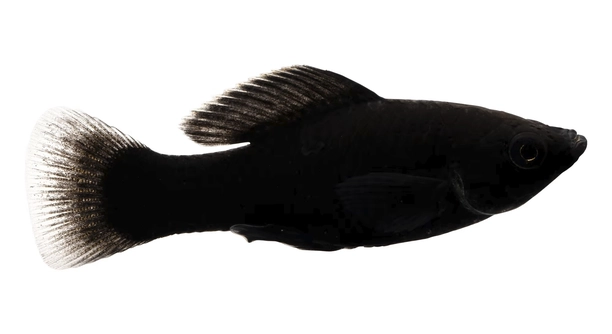
Do you ever notice your black molly swimming quickly and then suddenly darting at the glass? This behavior can be puzzling for many fish owners and may cause concern about the health or comfort of your pet.
Black mollies often dart at the glass due to stress, reflections, or perceived threats. Environmental factors, water quality, or overcrowding can trigger this instinctive behavior, leading the fish to react defensively or explore its surroundings anxiously.
Observing these patterns can help you understand your molly better and improve its living conditions for a calmer, healthier fish.
Understanding Black Molly Behavior
Black mollies are naturally active and curious fish. Darting at the glass is often a sign of their instinct to react to movement or reflections in their environment. This behavior can also appear if the tank is too small or lacks hiding spots. In many cases, sudden movements near the tank or bright lighting can make them feel threatened. Mollies may also react to water quality issues, including changes in temperature, pH, or ammonia levels, which can cause stress. Overcrowding increases competition for space and food, making fish more likely to swim aggressively or erratically. Observing their behavior over time helps identify patterns and triggers. Providing a calm environment with stable water conditions, adequate space, and gentle lighting can reduce this darting behavior. Some mollies may also explore out of boredom, so adding plants or decorations can give them stimulation. Understanding these factors ensures your molly stays comfortable and less reactive.
Stress, reflections, and environmental changes are the main reasons black mollies dart at the glass.
Regular observation and small adjustments to the tank setup can make a noticeable difference. A stable environment keeps mollies calmer and healthier over time.
Common Environmental Triggers
Sudden movements or bright lights in the room often startle black mollies, causing them to dart toward the glass.
Water quality issues like high ammonia, fluctuating temperatures, or incorrect pH levels can stress mollies, triggering erratic swimming patterns. Overcrowded tanks limit personal space and increase aggression, while a bare tank may leave them feeling exposed, amplifying their defensive instincts. Even reflections on the glass can make them mistake their own image for another fish, prompting repeated darting behavior. Observing these triggers carefully allows adjustments to prevent stress, such as adding plants or hiding spots. Regular water testing and gentle maintenance routines support a stable environment. Feeding schedules also play a role, as inconsistent feeding can increase anxiety. Understanding these environmental factors helps improve the comfort and well-being of black mollies, ensuring they remain active but not overly reactive. Addressing these aspects makes their behavior more predictable and reduces unnecessary stress.
Feeding and Diet
Uneaten food or sudden changes in diet can make black mollies restless, leading to darting behavior.
Feeding black mollies a balanced diet with high-quality flakes, pellets, and occasional live or frozen foods helps maintain their energy and reduces stress. Overfeeding can pollute the tank and trigger erratic swimming. It’s important to feed small portions two to three times daily and remove leftovers promptly. Varied nutrition supports their immune system and overall well-being, helping mollies stay calm and focused rather than reacting anxiously to reflections or movements in the tank. Observing their eating habits also signals when something may be off with water quality or fish health.
Inconsistent feeding schedules can create anticipation or anxiety, causing sudden bursts of movement toward the glass. A predictable routine encourages steady behavior and reduces the need for mollies to explore erratically, creating a calmer environment in the tank overall.
Tank Setup and Space
Black mollies need enough swimming space and hiding spots to feel secure.
A tank that is too small or overcrowded increases stress, making mollies dart more frequently. Providing plants, rocks, or decorations gives them areas to hide and reduces tension. Proper filtration and regular water changes ensure clean, stable water, which is critical for preventing stress-related behavior. Maintaining consistent temperature and pH levels helps mollies feel safe and supports healthy activity. Overcrowding can lead to aggression, especially in smaller tanks, while an open, well-decorated environment encourages exploration without constant defensive reactions. Ensuring each fish has personal space improves their comfort and reduces frequent darting.
Regular monitoring of tank conditions and adjusting décor or population density can significantly lower darting behavior. Mollies respond well to stability, and small changes in setup can make the tank more harmonious. Observing interactions between fish and rearranging decorations occasionally can prevent boredom and reduce stress-induced swimming patterns. Providing varied textures, plants, and shelters keeps mollies engaged and confident, minimizing sudden glass-chasing behaviors. A carefully planned tank layout ensures fish feel secure while still having freedom to swim and explore naturally.
Reflections and Glass
Reflections on the glass can confuse black mollies, making them think another fish is present. This often causes repeated darting toward the surface or sides of the tank.
Reducing reflections with background decorations or adjusting lighting can help mollies feel less threatened and calmer in their environment.
Social Interactions
Black mollies are social fish and interact with others in the tank. Aggression or dominance can trigger sudden movements and darting behavior, especially in smaller tanks or mixed species setups. Ensuring compatible tank mates and enough space minimizes stress and aggressive displays, promoting smoother interactions and calmer swimming patterns.
Monitoring Health
Regularly checking your molly for signs of illness or parasites is crucial. Lethargy, unusual spots, or frayed fins can indicate health issues that increase erratic behavior, including darting at the glass.
FAQ
Why does my black molly keep darting at the glass even though everything seems fine?
Even when the tank appears perfect, small stressors can trigger darting. Reflections, sudden movements outside the tank, or mild water fluctuations can make your molly feel threatened. Providing consistent lighting, a calm environment, and visual barriers like plants or backgrounds reduces unnecessary stress and keeps behavior steadier.
Can darting indicate illness in black mollies?
Yes. Sudden, repeated darting can be a response to discomfort or disease. Check for physical signs like frayed fins, spots, or unusual swimming patterns. Parasites, bacterial infections, and poor water quality often cause heightened activity or erratic swimming. Early detection and treatment improve recovery and reduce stress-related behaviors.
Is it normal for black mollies to chase their own reflection?
Yes, many mollies do this. Their curiosity and instinct to defend territory can make reflections seem like intruders. Adding plants, rocks, or repositioning the tank to reduce reflections can help mollies feel safer and decrease repeated darting.
How does tank size affect darting behavior?
Small or overcrowded tanks limit swimming space and increase stress. Black mollies need adequate room to explore without feeling confined. Overcrowding can lead to aggression, defensive darting, and increased competition for food. A larger tank with hiding spots allows them to swim comfortably and reduces erratic movements.
Can water quality cause darting at the glass?
Absolutely. Fluctuating temperature, pH, or ammonia levels can stress mollies. Even minor changes make them feel insecure, leading to sudden darting. Regular testing, consistent water changes, and stable conditions are essential for calm and healthy behavior. Clean water supports natural swimming patterns.
Will changing tank decorations help reduce darting?
Yes. Plants, rocks, and hiding spots give black mollies places to feel safe and explore. Rearranging decorations occasionally prevents boredom, offers new hiding spots, and reduces stress. A well-planned tank setup keeps them occupied and minimizes defensive or anxious darting behaviors.
Does diet influence darting behavior?
It can. Inconsistent feeding schedules or poor nutrition may make mollies restless and more reactive. Feeding high-quality flakes, pellets, and occasional live or frozen foods in small, regular portions encourages steady behavior. Removing uneaten food prevents water pollution, which also reduces stress-related darting.
Can tank mates trigger darting?
Yes. Aggressive or overly active fish can startle black mollies, causing them to dart at the glass or flee. Choosing compatible, peaceful tank mates and providing enough space for everyone minimizes stress. Observing social interactions helps identify potential sources of anxiety in the tank.
Are black mollies more active at certain times of day?
Mollies are naturally more active during daylight hours. Bright light or activity outside the tank may trigger darting. Maintaining a consistent day-night cycle with moderate lighting supports their natural rhythm, reduces stress, and prevents sudden, frantic movements.
How can I reduce darting long-term?
Create a stable environment with proper tank size, consistent water conditions, adequate hiding spots, and a balanced diet. Minimize reflections and sudden movements outside the tank. Regular monitoring of health and social dynamics ensures mollies remain calm, reducing repeated darting at the glass.
Black mollies darting at the glass is a behavior many fish owners notice, and it can feel worrying at first. This behavior is often linked to stress, environmental changes, or natural instincts. Mollies are active and curious fish, and sudden movements, reflections, or unfamiliar surroundings can trigger them to swim quickly or dart at the tank walls. While it may seem alarming, this is usually a normal response to their environment rather than a sign of serious illness. Observing when and how often your molly exhibits this behavior can give you insight into what may be causing it and help you make small changes to improve their comfort.
Maintaining a stable and healthy tank environment is key to minimizing darting behavior. Regular water testing and changes ensure proper temperature, pH, and cleanliness, which are essential for calm and healthy fish. Adequate space and decorations like plants, rocks, or hiding spots help mollies feel secure and reduce stress. Feeding routines also play an important role; consistent schedules with high-quality foods prevent anxiety and overexcited movements. Social factors should be considered as well. Peaceful and compatible tank mates, along with avoiding overcrowding, can prevent aggressive or defensive darting. Even small adjustments, such as reducing reflections on the glass or repositioning the tank, can create a more relaxed environment for your molly.
Understanding the reasons behind darting allows you to respond effectively and provide the best care. Stress, curiosity, reflections, or environmental factors are the most common triggers, and addressing these can significantly reduce the behavior. Observing your molly closely, making small adjustments, and ensuring proper care create a stable and comfortable habitat. Over time, black mollies adapt to their surroundings and become calmer, with reduced erratic movements. Being attentive to their needs ensures they remain active, healthy, and happy in their environment, while also giving you peace of mind as a fish owner.

Hello,
If you enjoy the content that we create, please consider saying a "Thank You!" by leaving a tip.
Every little bit helps us continue crafting quality advice that supports the health, happiness, and well-being of pets around the world, for pets of all shapes, sizes, and species.
We really appreciate the kindness and support that you show us!