
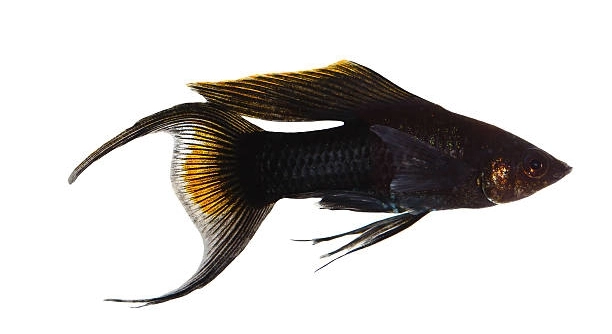
Keeping a Black Molly in a home aquarium can be a rewarding experience for fish enthusiasts. These small, active fish are known for their peaceful nature and striking appearance, making them popular choices for many aquarists.
Black Mollies are capable of living alone peacefully, provided they are kept in a properly maintained aquarium with stable water conditions, adequate space, and regular feeding. Their social needs are minimal compared to schooling fish, allowing solitary living without stress or health issues.
Observing a solitary Black Molly can be satisfying, as their behaviors and movements remain engaging even without tank mates. Proper care ensures they thrive independently while maintaining their vibrant appearance.
Setting Up the Ideal Tank for a Black Molly
Creating the right environment is essential for a Black Molly to live alone peacefully. A tank of at least 20 gallons provides enough space for swimming and exploration. Stable water temperature between 75 and 80 degrees Fahrenheit is critical, and regular filtration keeps the water clean. Adding live plants offers hiding spots and simulates a natural environment, reducing stress for solitary fish. Lighting should mimic natural day and night cycles, and the substrate should be smooth to avoid injuries. Feeding a varied diet of flakes, pellets, and occasional live or frozen foods ensures proper nutrition. Avoid overcrowding and maintain a consistent cleaning schedule to prevent disease. Monitoring water parameters like pH, ammonia, nitrite, and nitrate is vital for long-term health. Even alone, Black Mollies display active behaviors when their environment is stimulating and well-maintained, contributing to their overall well-being.
Maintaining a stable tank environment reduces stress and promotes healthier, longer-living Black Mollies, even when kept alone.
Solitary Black Mollies can thrive if their surroundings meet their needs. Observing their natural swimming patterns, exploring plants, and feeding habits can be satisfying. While some prefer company, proper care allows these fish to remain active and healthy alone. Regular monitoring and adjustments to tank conditions prevent behavioral or health issues.
Feeding and Daily Care
Providing a consistent feeding routine supports a Black Molly’s health and energy levels. A mix of high-quality flakes and occasional protein-rich foods keeps them vibrant.
Black Mollies are not demanding in care but require attention to water quality, feeding, and tank maintenance.
Daily observation helps identify any changes in behavior or health early. Feeding once or twice a day prevents overfeeding, which can harm water quality. Removing uneaten food reduces waste buildup, and routine water checks ensure ammonia, nitrite, and nitrate levels remain safe. Black Mollies enjoy occasional treats like brine shrimp or daphnia, which can boost their immune system. A well-maintained tank with consistent care reduces stress and supports longevity. Even alone, they respond positively to attention and environmental enrichment, such as plants or small decorations to explore. Regular partial water changes help maintain cleanliness, while monitoring temperature keeps the fish comfortable. With these practices, a solitary Black Molly remains healthy, active, and visually striking.
Common Health Concerns
Even solitary Black Mollies are susceptible to common freshwater fish issues. Fin rot, ich, and swim bladder problems can occur if water quality is poor or diet is unbalanced. Regular observation and prompt action are essential to prevent serious health problems.
Monitoring water parameters and maintaining cleanliness are the best defenses against illness. Fin rot develops from bacterial infections often caused by ammonia or nitrite spikes. Ich appears as tiny white spots, usually from sudden temperature changes or stress. Swim bladder issues can affect swimming ability, often linked to overfeeding or poor diet. Regular water changes, proper feeding, and careful monitoring minimize risks. Additionally, quarantining new fish or plants before adding them reduces the chance of introducing pathogens. Even a solitary Black Molly thrives when these precautions are consistently applied, showing natural swimming and feeding behaviors.
A balanced diet and clean environment significantly improve a Black Molly’s health. Observing appetite, coloration, and activity levels helps identify issues early. Supplements or occasional live foods can boost immunity, keeping the fish active and responsive.
Behavioral Traits of a Solitary Black Molly
Solitary Black Mollies remain active, exploring their tank and interacting with their environment. They exhibit curious swimming patterns and may respond to movement outside the tank.
Even alone, Black Mollies display distinct personalities. They often patrol their territory and enjoy hiding among plants or decorations. Unlike schooling fish, they do not show stress from lack of company, though they may occasionally benefit from visual stimulation. Recognizing their behavior, such as chasing small particles or investigating objects, provides insight into their mood and health. Understanding these patterns helps prevent boredom and stress, allowing the fish to remain lively and vibrant. Proper enrichment, consistent feeding, and stable water conditions encourage natural activity, ensuring that solitary Black Mollies maintain both physical and mental well-being over time.
Tank Mates Considerations
Black Mollies can live with other peaceful fish, but solitary living is entirely possible. Aggressive or overly active tank mates may stress a single Molly, so careful selection is crucial.
Choosing compatible fish is essential when adding companions. Slow-moving, non-aggressive species reduce conflict and support a calm environment for a solitary Black Molly.
Breeding Possibilities
A solitary Black Molly can still reproduce if a male and female are present in the tank. Females can store sperm and produce fry over time without frequent male interaction. Proper care and sufficient hiding spaces for fry are essential to prevent predation and ensure survival.
Environmental Enrichment
Adding plants, rocks, or decorations keeps a solitary Black Molly active. Exploration reduces boredom and encourages natural behaviors.
FAQ
Can a Black Molly get lonely if kept alone?
Black Mollies are not naturally schooling fish, so they do not require companions to feel comfortable. While they may occasionally show interest in movement outside the tank, solitary living does not harm their mental or physical health. Regular interaction with their environment is sufficient to keep them active.
How often should I feed a solitary Black Molly?
Feeding once or twice daily is ideal. Offer small portions that can be consumed within a few minutes to avoid leftover food polluting the water. A varied diet including flakes, pellets, and occasional live or frozen foods helps maintain color and vitality.
Do Black Mollies need a heater if kept alone?
Yes, maintaining a stable water temperature between 75 and 80 degrees Fahrenheit is essential. Consistent warmth supports metabolism and immune function. Even a solitary Molly benefits from steady conditions, as temperature fluctuations can lead to stress or illness.
Is it necessary to add decorations or plants for a solitary Black Molly?
Yes, environmental enrichment is important. Plants, rocks, and decorations offer hiding spots and reduce stress. They also encourage natural swimming and exploration, keeping the fish active and mentally stimulated, which supports overall health.
How can I tell if my Black Molly is stressed?
Signs of stress include clamped fins, lethargy, hiding excessively, or loss of appetite. Water quality, sudden changes in temperature, or poor diet are common causes. Monitoring behavior and maintaining stable tank conditions helps prevent stress in a solitary Molly.
Can a Black Molly live alone long-term?
Yes, with proper care, a Black Molly can thrive alone for years. Consistent water maintenance, balanced feeding, and a stimulating environment ensure health and longevity. Their independence makes them well-suited to solitary living when their basic needs are met.
Do solitary Black Mollies need frequent water changes?
Regular water changes are essential regardless of companionship. Partial water changes every week remove waste, reduce toxins, and maintain healthy water parameters. This practice prevents illness and keeps a solitary Molly active and vibrant.
Will a Black Molly breed if it is kept alone?
A single Black Molly cannot reproduce alone. Females require sperm from a male to produce fry, although they can store sperm from previous encounters for several months. Providing hiding spaces for fry is important if breeding occurs in a mixed tank.
Are there any behavioral differences between solitary and group Black Mollies?
Solitary Black Mollies may explore more actively within their tank since they are not influenced by other fish. They can develop strong territorial habits, swim freely, and display natural behaviors without competition or stress from tank mates.
How can I keep a solitary Black Molly healthy?
Maintaining clean water, proper temperature, and a balanced diet are the most important factors. Observing behavior daily, removing uneaten food, and adding enrichment like plants or rocks help ensure physical and mental well-being. Regular monitoring prevents illness before it becomes serious.
Is it safe to mix a solitary Black Molly with other species later?
Yes, but selection is key. Only peaceful, similarly sized fish should be introduced to avoid stress or aggression. Introducing new tank mates slowly and observing interactions ensures a calm and balanced environment for the solitary Black Molly.
How long can a solitary Black Molly live?
With proper care, a Black Molly can live between three and five years, sometimes longer. Stable water conditions, a nutritious diet, and reduced stress contribute to a longer, healthier life even when kept alone.
Can I train or interact with a solitary Black Molly?
While not trainable like mammals, Black Mollies can recognize regular feeding routines and may respond to movement near the tank. Consistent observation and interaction can encourage natural behaviors, making daily care more engaging for both the fish and caretaker.
Do Black Mollies need special water chemistry when alone?
Maintaining slightly alkaline water with a pH around 7.5 to 8 is ideal. Regular monitoring of ammonia, nitrite, and nitrate ensures water quality remains safe. Proper chemistry supports a solitary Molly’s immune system and overall vitality.
What is the biggest risk for a solitary Black Molly?
The main risk is poor water quality, which can lead to disease or stress. Overfeeding, infrequent water changes, and temperature fluctuations are common contributors. Vigilant care minimizes these risks and ensures a healthy, active solitary Black Molly.
How can I make a solitary Black Molly comfortable?
Provide a stable tank with clean water, consistent temperature, and enrichment like plants or decorations. Feeding a varied diet and observing behavior regularly ensures comfort, reduces stress, and encourages natural activity.
Can a solitary Black Molly coexist with live plants?
Yes, live plants are beneficial. They offer hiding spots, improve water quality by absorbing nitrates, and create a natural environment. Even alone, a Molly will explore and interact with plants, supporting both mental stimulation and physical activity.
Is tank size important for a solitary Black Molly?
A minimum of 20 gallons is recommended. Sufficient space allows swimming, exploration, and exercise. Larger tanks reduce territorial behavior, keep water stable, and make maintaining cleanliness easier, all of which contribute to the fish’s well-being.
Do Black Mollies require constant light?
No, a natural day-night cycle is important. About 10–12 hours of light per day supports natural rhythms. Darkness at night allows rest, reduces stress, and encourages normal behavior in a solitary Molly.
Are there signs a solitary Black Molly is thriving?
Bright coloration, active swimming, regular feeding, and curiosity toward surroundings indicate good health. A healthy solitary Molly displays natural behaviors and interacts with environmental enrichment without showing signs of stress or lethargy.
Can solitary Black Mollies adapt to changes in their tank?
Yes, but gradual changes are best. Sudden shifts in temperature, water chemistry, or decorations can cause stress. Introducing changes slowly allows the fish to adjust and maintain normal behavior and health.
What is the best way to monitor a solitary Black Molly?
Daily observation is key. Watch for changes in swimming, appetite, or appearance. Regularly test water parameters, perform partial water changes, and maintain a consistent feeding routine to ensure the fish remains healthy and active.
Do Black Mollies require companions for enrichment?
Companions are not necessary. Solitary Mollies respond well to environmental enrichment like plants, rocks, and decorations. These provide mental stimulation and encourage natural behaviors, keeping the fish active without needing other fish nearby.
How often should I check water quality for a solitary Black Molly?
Testing water at least once a week is recommended. Regular checks for ammonia, nitrite, nitrate, and pH ensure conditions remain stable. Early detection of problems prevents stress and illness, even for a single fish.
Can a solitary Black Molly live in a community tank later?
Yes, with careful selection of peaceful, compatible species. Introducing new fish slowly and monitoring interactions prevents stress. A solitary Molly can adjust, but the tank must remain stable and spacious to avoid aggression or territorial conflicts.
Are there common mistakes when keeping a Black Molly alone?
Overfeeding, neglecting water changes, and ignoring temperature or pH fluctuations are frequent mistakes. Ensuring consistent care, proper diet, and a well-maintained tank prevents illness and supports a healthy, active solitary Black Molly.
Does a solitary Black Molly need hiding spots?
Yes, hiding spots reduce stress and provide security. Plants, rocks, and decorations allow the fish to rest and explore safely. Even alone, these features encourage natural behaviors and contribute to overall well-being.
Can a solitary Black Molly live with invertebrates?
Yes, peaceful invertebrates like snails or shrimp are generally safe. They do not compete aggressively for space and can coexist without harming the fish. Observing interactions ensures compatibility and prevents accidental stress or predation.
What is the best feeding routine for a solitary Black Molly?
Feed small amounts twice daily, mixing flakes or pellets with occasional live or frozen foods. Remove uneaten portions to maintain water quality. A consistent routine supports health, reduces stress, and keeps the fish active.
How can I prevent boredom in a solitary Black Molly?
Introduce plants, rocks, and other decorations to encourage exploration. Rotating enrichment occasionally and observing natural behaviors provides mental stimulation, helping the fish remain active and lively even without companions.
Do Black Mollies require filtration in a solitary tank?
Yes, filtration is essential. Even one fish produces waste that can accumulate quickly. A reliable filter maintains water quality, reduces toxins, and keeps the environment healthy, preventing stress and illness.
Is it normal for a solitary Black Molly to hide frequently?
Hiding occasionally is normal, especially after changes in the tank or feeding. Persistent hiding may indicate stress, illness, or poor water conditions. Monitoring behavior and maintaining a stable environment ensures comfort and safety.
How do I know if my solitary Black Molly is happy?
A happy Molly swims actively, shows vibrant colors, explores the tank, and eats regularly. Consistent behavior, curiosity toward surroundings, and responsiveness to routine care indicate a healthy and content solitary fish.
Can I add a male to a solitary female Molly?
Yes, adding a male can allow breeding, but it may also introduce aggression or stress. Ensure adequate space, hiding spots, and stable conditions to minimize conflict and protect both fish.
Do solitary Black Mollies need supplements?
Occasional vitamin or mineral supplements can be beneficial, especially if feeding primarily dry foods. They support immune function, coloration, and overall health, contributing to long-term vitality even for a single fish.
How much space does a solitary Black Molly need?
At least 20 gallons is recommended, with more space improving activity and comfort. Adequate room supports swimming, exploration, and reduces stress, making the fish more resilient and vibrant.
Are there risks in keeping a solitary Black Molly long-term?
The main risks involve water quality, diet, and stress. Proper care, consistent maintenance, and environmental enrichment prevent these issues, allowing the fish to live a healthy, active life for years.
Can I observe natural behaviors in a solitary Black Molly?
Yes, solitary Black Mollies display foraging, exploring, and swimming patterns naturally. Providing enrichment and stable conditions ensures these behaviors remain visible and the fish stays engaged with its environment.
Is it necessary to quarantine new plants or decorations?
Yes, quarantining prevents introducing pathogens or parasites into the tank. Even a single Black Molly benefits from this precaution, maintaining a healthy, disease-free environment.
How do I manage water changes for a solitary Black Molly?
Partial water changes of 25–30% weekly are ideal. This removes toxins, stabilizes water chemistry, and maintains a clean environment, supporting health and longevity in a single fish.
Can a solitary Black Molly adapt to different water types?
Gradual acclimation allows adaptation to slightly different water conditions, but rapid changes can stress the fish. Consistency in pH, temperature, and hardness ensures comfort and prevents illness.
Do Black Mollies need aeration in a solitary tank?
Yes, proper aeration ensures sufficient oxygen levels. Even one fish produces waste that can reduce oxygen over time, so an air pump or filter maintaining circulation is important for health.
Are there seasonal considerations for a solitary Black Molly?
Temperature stability is most important. Seasonal fluctuations in room temperature can affect water conditions. Monitoring and adjusting heaters or tank placement keeps the fish comfortable year-round.
How do I encourage activity in a solitary Black Molly?
Adding plants, decorations, and varied food stimulates movement and exploration. Observing natural behaviors, like swimming and foraging, keeps the fish active and engaged in its environment.
Can a solitary Black Molly live with plants that require high light?
Yes, but ensure the lighting does not overheat the tank. Proper lighting supports plant growth without causing stress to the fish. Providing shaded areas or decorations allows the Molly to find comfort if needed.
Is water hardness important for a solitary Black Molly?
Moderate to hard water is preferred. Stable hardness supports metabolic and reproductive functions. Regular monitoring ensures the fish remains healthy and active in a solitary setting.
Do Black Mollies enjoy current in the tank?
They tolerate gentle currents and may explore swimming areas created by water movement. Strong currents can stress a solitary Molly, so adjusting flow for comfort is important.
Can I use a filter with strong suction for a solitary Black Molly?
Strong suction should be avoided. It can trap fins or cause stress. A filter providing gentle circulation maintains cleanliness without endangering the fish.
Are solitary Black Mollies prone to obesity?
Yes, overfeeding can lead to weight gain. Providing measured portions and a balanced diet prevents obesity and associated health problems, even for a single fish.
How do I handle a solitary Black Molly for tank maintenance?
Use a soft net and minimal handling. Frequent handling can stress the fish. Move it carefully when performing water changes or cleaning to maintain health and reduce anxiety.
Do solitary Black Mollies need hiding spaces at all times?
Yes, permanent hiding options reduce stress. Even if rarely used, the presence of shelters provides security and comfort, contributing to overall well-being.
Can a solitary Black Molly survive in cooler water temporarily?
Short periods in slightly cooler water are tolerable, but prolonged exposure risks stress or illness. Maintaining stable, warm conditions ensures health and longevity.
Is it normal for a solitary Black Molly to interact with its reflection?
Yes, they may respond to their reflection, especially in a solitary tank. This behavior is harmless and can provide mental stimulation for the fish.
Do Black Mollies need a specific water flow pattern?
Moderate, consistent flow supports oxygenation and waste removal. Avoid strong currents that can stress a solitary Molly, ensuring comfortable swimming conditions.
Can a solitary Black Molly live with only artificial plants?
Yes, artificial plants provide hiding and exploration opportunities. While they do not improve water quality, they still offer enrichment for mental stimulation and natural behaviors.
Are there seasonal changes in feeding for a solitary Black Molly?
Feeding may naturally slow in cooler months due to metabolism. Adjust portions accordingly and maintain high-quality nutrition to support consistent health and activity.
Do solitary Black Mollies need frequent tank rearrangement?
Occasional rearrangement provides novelty and encourages exploration. Frequent changes can cause stress, so adjust the environment gradually to keep the fish comfortable and engaged.
Is it okay if a solitary Black Molly ignores food sometimes?
Occasional refusal is normal, especially after minor water changes or stress. Consistent observation ensures it is not a sign of illness. Persistent refusal requires monitoring water quality and health.
Can a solitary Black Molly live with other peaceful species long-term?
Yes, if tank size and environmental enrichment are sufficient. Monitor interactions for stress or territorial behavior, ensuring compatibility and comfort for all species.
Do Black Mollies need water testing kits?
Yes, testing for ammonia, nitrite, nitrate, and pH is essential. Regular checks maintain a stable, healthy environment, especially important for a solitary fish that relies entirely on tank conditions.
Are there specific signs of aging in a solitary Black Molly?
Slower swimming, faded colors, and decreased activity may indicate aging. Proper care can still maintain quality of life and health, supporting longevity in solitary living conditions.
Can a solitary Black Molly live without a filter temporarily?
Short-term is possible, but prolonged periods increase risk of waste buildup, poor oxygenation, and stress. Filtration is highly recommended for long-term health.
Do solitary Black Mollies respond to music or vibrations?
They may react to vibrations or movement but cannot perceive music as humans do. Gentle interaction can stimulate activity without causing stress.
Is it normal for a solitary Black Molly to rest at the bottom of the tank?
Occasional resting is normal. Persistent lying at the bottom can indicate stress, illness, or poor water conditions. Observation and water testing ensure comfort and health.
Can a solitary Black Molly live in brackish water?
Yes, they tolerate slightly brackish conditions, but gradual acclimation is required. Stable salinity supports health, whereas sudden changes may cause stress or illness.
Do solitary Black Mollies need UV sterilizers?
Not necessary but can help reduce pathogens in the tank. Proper filtration, water changes, and hygiene are sufficient for maintaining health.
How can I tell if a solitary Black Molly is eating enough?
A healthy Molly actively consumes food in a few minutes and maintains weight. Monitoring appetite and behavior ensures proper nutrition and prevents overfeeding.
Are there risks if I leave a solitary Black Molly alone for days?
Yes, without feeding or water monitoring, water quality can decline quickly. Automatic feeders and stable tank conditions reduce risks during short absences.
Can a solitary Black Molly coexist with fast-moving fish?
Fast-moving fish may stress a solitary Molly. Slow, peaceful species are safer companions to maintain a calm environment. Observation is essential to prevent aggression or stress.
Do solitary Black Mollies require observation of behavior daily?
Yes, daily observation helps detect early signs of illness, stress, or abnormal behavior, ensuring timely interventions and long-term well-being.
Is it normal for a solitary Black Molly to ignore humans sometimes?
Yes, they may show limited interest in people at times. Interaction is not required for health, as environmental enrichment is more important for stimulation.
Can I use medications in a solitary Black Molly tank?
Yes, but follow instructions carefully. Treating illness promptly ensures recovery, but unnecessary medication can harm water quality and the fish.
Do solitary Black Mollies show aggression?
They are generally peaceful but may defend territory if stressed or in a small tank. Proper space and enrichment reduce territorial behavior.
Can a solitary Black Molly survive without a filter for a week?
It is risky. Waste buildup can quickly reach harmful levels. Filtration or partial water changes are essential to maintain a safe environment.
Are there signs of boredom in a solitary Black Molly?
Lethargy, reduced exploration, and decreased appetite indicate boredom or stress. Environmental enrichment and routine adjustments help maintain activity.
How do I maintain stable temperature for a solitary Black Molly?
Use a reliable heater, monitor with a thermometer, and avoid placing the tank in drafty areas. Stable temperatures prevent stress and support health.
Can a solitary Black Molly live in a tank with fluctuating light?
Frequent light changes may stress the fish. Consistent day-night cycles help regulate activity, rest, and overall well-being.
Do Black Mollies need special substrates when alone?
Smooth gravel or sand is preferred. Sharp or rough substrates can injure fins, even in a solitary tank. Safe substrate encourages exploration and comfort.
Can a solitary Black Molly live with only one type of food?
Relying on a single food type may lead to nutritional deficiencies. A varied diet ensures health, color, and energy, supporting long-term well-being.
Is tank size more important than companions?
Yes, adequate space is crucial for swimming, exploration, and comfort. Proper size reduces stress and supports health more than having additional fish.
How do I know if my solitary Black Molly is adapting well?
Final Thoughts
Keeping a Black Molly alone can be a very manageable and rewarding experience when the right care is provided. These fish are naturally independent and do not require companions to feel comfortable or display normal behaviors. A well-maintained tank with proper filtration, stable temperature, and clean water allows a solitary Black Molly to thrive. Even without other fish, they remain active, explore their environment, and maintain bright, healthy colors. Attention to diet is also important, as a balanced mixture of flakes, pellets, and occasional live or frozen foods supports their overall well-being. Regular observation helps to detect early signs of stress, illness, or changes in behavior, ensuring that the fish remains healthy over time. Solitary Black Mollies can live for several years if their environment is consistent and their needs are met.
Environmental enrichment plays a significant role in a solitary Black Molly’s life. Including live or artificial plants, rocks, and decorations provides hiding spots, exploration areas, and mental stimulation. Even a single fish will actively investigate new elements, swim through open areas, and respond to subtle changes in its surroundings. Light cycles should mimic natural day and night patterns, giving the fish periods of activity and rest. Maintaining water quality through regular testing and partial water changes prevents common health problems such as fin rot, ich, or swim bladder issues. Monitoring pH, ammonia, nitrite, and nitrate levels keeps the tank safe, while moderate water flow ensures adequate oxygenation. Solitary Black Mollies do not become bored when their environment is thoughtfully arranged, and their natural behaviors continue without the need for other fish. This independence makes them particularly well-suited for aquarists who prefer low-maintenance tanks or have limited space.
Long-term health and comfort for a solitary Black Molly are achieved through consistency and attention to detail. Temperature stability, proper nutrition, and a stimulating environment are more important than adding companions. Daily observation allows caretakers to respond to minor issues before they develop into serious problems. Even when kept alone, Black Mollies display curious, active, and vibrant behavior, showing that they can adapt well to solitary living. Providing hiding spots, clean water, and a balanced diet ensures physical health while reducing stress. While some fish require social interaction to thrive, Black Mollies demonstrate that independence is not a disadvantage. By meeting their basic needs and maintaining a stable environment, a solitary Black Molly can live a long, healthy, and peaceful life, offering both visual enjoyment and satisfaction for the caretaker.

Hello,
If you enjoy the content that we create, please consider saying a "Thank You!" by leaving a tip.
Every little bit helps us continue crafting quality advice that supports the health, happiness, and well-being of pets around the world, for pets of all shapes, sizes, and species.
We really appreciate the kindness and support that you show us!