
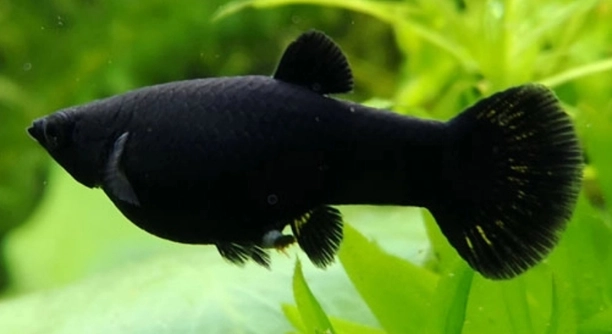
Are your black molly fry scattering around the tank after feeding, leaving you unsure about their behavior? Many fish owners notice this sudden movement, especially when the fry are still small and vulnerable. Observing them closely can provide insight.
The primary reason black molly fry scatter after feeding is instinctive survival behavior. Fry naturally disperse to avoid competition and reduce the risk of being eaten by adults or other tank mates. This behavior helps ensure higher survival rates in a crowded environment.
Monitoring their movement and feeding patterns can improve your understanding of their needs. Proper care can support healthy growth and reduce unnecessary stress.
Understanding Fry Scattering Behavior
When black molly fry scatter after feeding, it is often a natural reaction to movement and food in the tank. Fry have an instinct to spread out quickly to avoid being accidentally eaten by larger fish or even their own parents. This behavior may appear sudden and chaotic, but it is actually a survival mechanism. Younger fry are particularly sensitive, and even small changes in lighting, water flow, or the introduction of new food can trigger rapid dispersal. Observing their patterns over time can help you identify when this behavior is normal versus when it indicates stress. Maintaining consistent feeding schedules and providing hiding spots with plants or decorations can reduce frantic scattering. Over time, fry may become more comfortable and less reactive, but their natural instinct to disperse will always play a role in their early development. Understanding this behavior is key to keeping your fry healthy and thriving.
Fry scatter primarily for safety. They instinctively avoid threats and spread out to survive. Hiding spots help calm them.
Providing proper hiding spaces and steady feeding routines encourages fry to feed calmly. Fry scattered in a tank with plants or floating decorations usually settle faster. Avoid overcrowding, as it increases stress and erratic swimming. Adjusting water flow and tank lighting can further help fry feel secure, allowing them to feed without constant scattering. Regular observation ensures you notice when behavior shifts, signaling potential health or environmental issues. Over time, a consistent setup helps fry grow steadily and reduces unnecessary stress reactions.
Feeding Practices to Reduce Scattering
Smaller, more frequent feedings help fry stay calmer. Large amounts of food can cause them to disperse rapidly.
Using finely crushed flakes, micro pellets, or liquid fry food allows even the smallest fry to access nutrition without competition. Slowly distributing food across different areas of the tank encourages exploration while reducing stress. Avoid overfeeding, as leftover food can deteriorate water quality, causing fry to scatter due to discomfort or poor oxygen levels. Some tank owners find that feeding in dimmed lighting or near plants encourages fry to eat without panicking. Observation is crucial: each tank and fry population may react differently to feeding styles. Adapting feeding times, amounts, and food types ensures fry stay healthy and calm, allowing better growth and reducing the risks associated with frantic scattering. Consistency and attention to detail are key to maintaining a stable and safe environment for black molly fry.
Tank Environment Adjustments
Proper tank setup can reduce fry scattering. Adding plants and hiding spots gives them security, while gentle water flow prevents sudden movements that startle them.
Adjusting the tank environment for black molly fry is essential for their calm behavior. Fry feel safer when they have plants, moss, or small decorations to hide among. Strong currents or abrupt water movement can make them dart around, increasing stress and reducing feeding efficiency. Positioning filters to create a gentle flow and avoiding sudden temperature or lighting changes helps fry stay relaxed. A stable environment encourages natural exploration and minimizes frantic scattering, allowing fry to feed steadily and grow healthily.
Temperature and water quality also impact fry behavior. Maintaining consistent warmth and clean water supports their overall health. Overcrowded or improperly filtered tanks increase stress and erratic movement. Monitoring parameters like pH, ammonia, and nitrates is crucial, as sudden spikes can trigger scattering. Plants not only provide hiding spots but also help with water oxygenation, which keeps fry calmer. A balanced setup ensures fry spend more time feeding and less time panicking. Small adjustments can make a noticeable difference in reducing unnecessary stress.
Observation and Monitoring
Watching fry behavior closely helps identify stress triggers. Note how they respond to feeding and environmental changes.
Frequent observation allows you to spot patterns in scattering. Some fry may react strongly to light, while others respond to movement in the tank. Tracking these behaviors over time helps you adjust feeding locations, tank layout, and hiding spots effectively. Monitoring also alerts you to potential health issues early, such as disease or water parameter imbalance, before they escalate. Consistency in observation supports informed decisions about tank management, helping fry stay calm, feed properly, and grow steadily.
Gradual Acclimation
Introducing fry to new environments slowly helps reduce scattering. Sudden changes in tank conditions can trigger frantic movement.
Acclimating fry to temperature, lighting, and water flow gradually allows them to adjust without panic. Moving them too quickly into new tanks often causes stress, which increases scattering and reduces feeding efficiency. Consistency and patience are key.
Feeding Techniques
Using smaller portions of food multiple times a day keeps fry calmer. Overloading the tank with food creates competition and erratic swimming.
Tank Mates
Choosing compatible tank mates is important. Aggressive or fast-moving fish can cause fry to scatter and hide excessively.
Why do black molly fry scatter more than other fry?
Black molly fry have strong survival instincts from birth. They are naturally cautious and respond quickly to movement, changes in lighting, and water currents. This makes them more prone to scattering than some other species, which may be calmer or slower to react. Their small size and vulnerability trigger rapid dispersal, especially when food is introduced or when adult fish are nearby. Providing hiding spots and gentle water flow can reduce excessive scattering. Even with ideal conditions, some level of dispersal is natural and helps them avoid accidental predation within the tank environment.
Does water temperature affect fry scattering?
Yes, water temperature plays a significant role in fry behavior. Sudden drops or spikes in temperature can stress fry, causing them to scatter unpredictably. Fry are more comfortable in a stable temperature range, usually between 24-28°C (75-82°F) for black molly fry. Consistency is key, as fluctuations can make them hyperactive or lethargic, affecting feeding and growth. Using a reliable heater and thermometer ensures the tank maintains steady warmth. Fry also respond to localized temperature differences near filters or lights, so placement and circulation are important to avoid unnecessary stress. Proper monitoring helps them feed calmly and reduces scattering incidents.
Will overcrowding make fry scatter more?
Overcrowding is a major factor that increases fry dispersal. When too many fry share a limited space, competition for food and hiding spots becomes intense. This causes them to dart around more frequently to avoid bumping into others or being accidentally nipped by adults. Providing a spacious tank with plants or floating decorations allows fry to spread out naturally and feel safer. Proper population management ensures each fry has access to food without stress. Reducing overcrowding also minimizes water quality issues, which can indirectly trigger frantic movements. A balanced tank helps fry settle into consistent feeding and calmer swimming behavior.
How can feeding frequency impact scattering?
Feeding frequency directly influences fry activity. Large amounts of food in one sitting often overwhelm fry, causing them to scatter rapidly. Smaller, more frequent feedings allow fry to feed calmly and evenly without competing excessively. Distributing food in different tank areas also reduces clustering and frantic movements. Using finely crushed flakes, micro pellets, or liquid fry food ensures even the smallest fry can access nutrition. Observing their response to different feeding schedules helps identify what works best. Over time, consistent feeding routines encourage more stable behavior and reduce unnecessary scattering during meal times.
Do tank decorations really help reduce scattering?
Yes, tank decorations are crucial for fry comfort. Plants, moss, and small hiding spots give fry areas to retreat, reducing panic movements. Open, empty tanks may cause fry to scatter excessively since they feel exposed. Decorations also break up water currents, creating calmer zones where fry can feed and explore safely. Overcrowding decorations should be avoided, as it may restrict swimming space. A balanced setup of hiding spots and open areas allows fry to move freely while still feeling secure. Regularly checking placement ensures fry have accessible refuges without interfering with water flow or feeding.
Are adult mollies a threat to fry?
Adult mollies can unintentionally threaten fry. While not always aggressive, adults may eat very small fry, triggering them to scatter whenever adults are nearby. Separating fry in a dedicated breeding tank or using a mesh divider helps reduce stress and increases survival rates. Even in shared tanks, providing dense plant cover or floating mats can give fry places to hide. Fry learn to sense adult movements, and too many interactions with adults often result in hyperactive dispersal. Proper tank management, including separation or safe hiding spots, ensures fry can feed without constant fear.
How does water quality influence scattering?
Poor water quality can significantly increase fry stress and erratic behavior. High ammonia, nitrite, or nitrate levels irritate fry and force them to swim frantically to avoid uncomfortable areas. Consistent water changes and proper filtration are essential for maintaining a calm environment. Clear, clean water improves visibility and reduces sudden surprises that might trigger scattering. Plants help absorb excess nutrients and oxygenate water, further calming fry. Monitoring pH, temperature, and chemical levels regularly ensures fry remain comfortable and reduces unnecessary stress movements. A stable, clean tank directly contributes to calmer, more predictable fry behavior.
Can scattering indicate illness in fry?
Yes, unusual or excessive scattering can sometimes signal health issues. Lethargic or constantly darting fry may be reacting to parasites, bacterial infections, or poor water conditions. Observing other signs, such as loss of appetite, discoloration, or abnormal swimming, can help identify illness early. Maintaining water quality, stable temperatures, and a stress-free environment reduces the likelihood of disease. Quick intervention, like isolating sick fry or adjusting tank conditions, supports recovery. While some scattering is natural, sudden changes in movement patterns should always be monitored to ensure fry remain healthy and continue to develop normally.
Is lighting a factor in fry scattering?
Lighting affects fry behavior more than many realize. Bright or sudden lights can startle fry, causing rapid dispersal. Gradual light transitions and dimmed feeding conditions help fry remain calmer while eating. Floating plants or shaded areas also provide relief from direct light, creating safe feeding zones. Even consistent daytime lighting can influence activity levels, so balancing brightness and providing shaded refuges encourages steady swimming and reduces unnecessary frantic movements. Observing fry responses to light changes allows better tank management and helps maintain a calm feeding environment for growing fry.
Does scattering decrease as fry grow?
Yes, as black molly fry grow, scattering generally decreases. Larger fry feel less vulnerable and become more confident exploring the tank. They also compete less intensely for food and can handle minor water flow changes or adult presence without panicking. Early care, consistent feeding, and safe tank setups support this transition. Gradual acclimation to their environment helps them become calmer and more predictable, reducing frantic dispersal over time. By the time fry reach juvenile stages, they often swim more steadily and feed efficiently, though some instinctive scattering remains part of their natural behavior.
Final Thoughts
Watching black molly fry scatter after feeding can feel a little alarming at first, but it is a normal part of their early development. Fry are naturally cautious and small, so sudden movements, light changes, or the presence of adults can trigger rapid dispersal. This behavior is not a sign of a problem on its own. Understanding why fry scatter helps you provide an environment that supports their growth and reduces unnecessary stress. Creating hiding spots, adjusting water flow, and keeping a calm feeding routine can make a noticeable difference in their behavior. Even with all precautions, some scattering is natural and indicates that the fry are using their instincts to stay safe. Observing them regularly allows you to notice when scattering is excessive or linked to environmental issues, which is key to maintaining a healthy tank.
Tank setup plays a major role in how black molly fry behave. Providing plants, moss, or small decorations gives fry places to hide and feel secure. Open spaces without any cover can make fry feel exposed, increasing frantic swimming. Water flow should be gentle, as strong currents can startle them and make feeding stressful. Maintaining stable water temperature, clean water conditions, and consistent lighting helps fry stay calm. Overcrowding should also be avoided, as too many fry in a limited space increases competition and stress, which leads to more scattering. By carefully planning the tank environment, you can create a space where fry feel safe and confident, which encourages steady feeding and growth. Small adjustments to their surroundings often lead to noticeable improvements in their behavior.
Feeding practices and observation are equally important. Smaller, frequent feedings are better than one large portion, as they reduce competition and prevent frantic dispersal. Using finely crushed flakes, micro pellets, or liquid fry food ensures that even the smallest fry can access nutrients. Observing how fry respond to feeding, water conditions, and interactions with adults allows you to make small adjustments that reduce stress. Over time, consistent routines, stable water quality, and appropriate tank setup help fry grow more steadily and with less unnecessary movement. Understanding their natural instincts, combined with careful attention to environment and feeding, allows fry to thrive while minimizing stress. Paying attention to these details helps maintain a calm, healthy tank where black molly fry can develop into strong, active fish.

Hello,
If you enjoy the content that we create, please consider saying a "Thank You!" by leaving a tip.
Every little bit helps us continue crafting quality advice that supports the health, happiness, and well-being of pets around the world, for pets of all shapes, sizes, and species.
We really appreciate the kindness and support that you show us!