
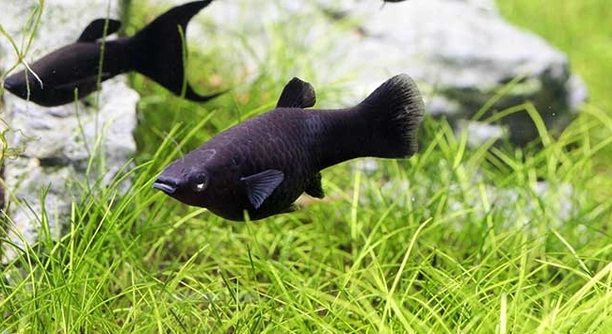
Do you ever notice your Black Molly fish swimming cautiously when first placed in a new tank? Their behavior can seem distant at first, making it unclear how they will interact with other fish in the group.
Black Mollies do require time to bond in groups. Gradual introductions, consistent tank conditions, and adequate space help reduce aggression and establish social hierarchies, allowing the fish to form stable relationships and coexist peacefully over time.
Understanding their social needs helps ensure a healthier and calmer aquarium environment for your Black Mollies and other tank companions.
How Black Mollies Establish Social Hierarchies
When Black Mollies are first introduced to a group, they often spend time observing each other. This behavior helps them understand who is dominant and who is more submissive. Aggressive displays, like chasing or fin nipping, are common in the early stages. Over time, these interactions decrease as fish learn their place in the group. Providing enough space and hiding spots can reduce stress and prevent injuries. Feeding routines also play a role, as food competition may trigger short bursts of aggression. Consistent water conditions, including temperature and pH, create a stable environment that allows them to focus on social interactions rather than survival. Keeping males and females balanced helps maintain peace, as overcrowding can intensify conflict. Watching these patterns develop can be fascinating, showing the complex social behavior Black Mollies naturally display in their communities, even in small tanks.
Understanding these social behaviors helps you manage your tank more effectively.
Observing interactions regularly allows you to spot early signs of stress or dominance issues before they escalate.
Tips for Helping Black Mollies Bond
Introducing new fish slowly reduces tension in the tank. Using a divider initially lets them see each other without direct contact. Gradual integration ensures they adjust without constant fighting. Ensuring adequate hiding spaces, such as plants and decorations, helps shy fish feel secure and avoid confrontations. Feeding evenly distributed food prevents aggressive chasing, and maintaining consistent water quality supports overall health, reducing stress-related behaviors. Male and female ratios should be considered to prevent overcrowding and excessive competition.
Black Mollies are naturally social, but patience is key. Observing their behavior allows you to recognize when a fish feels threatened or left out. Providing plenty of space and hiding spots gives shy fish confidence. Gradually, the group settles into a stable hierarchy, and aggressive displays become minimal. Proper feeding, tank maintenance, and thoughtful introductions all contribute to a peaceful community. By understanding these needs, you create a balanced environment where all Black Mollies can thrive together, reducing stress, supporting health, and enhancing their natural interactions. Consistency in care fosters trust within the group, helping fish feel secure and comfortable in their shared space.
Signs That Black Mollies Are Bonding
Black Mollies swimming closely together, sharing hiding spots, and feeding calmly are good signs they are bonding. Reduced chasing and fin nipping indicate the group is settling into a stable social hierarchy.
As Black Mollies spend more time together, their interactions become less aggressive and more cooperative. Fish that initially hid may begin exploring the tank openly, signaling growing confidence. You may notice them following each other during feeding or resting near the same areas. Social grooming behaviors, like gentle nipping at fins without causing injury, can also appear. These behaviors indicate trust developing between tank mates and a sense of security in the environment. Maintaining stable water conditions and consistent feeding routines reinforces this calm behavior, allowing the group to bond without unnecessary stress. Observing these subtle cues can help you understand their relationships and adjust care to support continued harmony.
Paying attention to these early bonding signs helps prevent conflicts and encourages a peaceful tank. Watching them interact regularly shows the nuances of their social development. With patience, the group will become more cohesive, with each fish understanding its role. Healthy, bonded Black Mollies display synchronized swimming, minimal aggression, and shared space usage, reflecting a balanced aquarium community. Consistency in care, proper tank setup, and monitoring of behavior ensure the bonding process continues smoothly and reduces the risk of injury or stress-related illness.
Managing Aggression During Bonding
Even with gradual introductions, occasional aggression is normal. Chasing, fin nipping, or short bursts of dominance are part of establishing hierarchy and usually decrease over time.
If aggressive behaviors persist, consider adjusting tank layout to include more hiding spaces and visual barriers. Ensure food is distributed evenly to reduce competition. Separating the most aggressive fish temporarily may help the group calm down. Keeping water parameters stable, monitoring male-to-female ratios, and avoiding overcrowding are essential. Sometimes, aggression stems from stress due to poor conditions rather than social issues alone. Watching their behavior and making small adjustments allows the fish to settle naturally while minimizing harm. Regular observation and timely intervention ensure the bonding process is successful and safe.
Creating a Comfortable Environment
Providing plenty of plants, decorations, and hiding spots helps Black Mollies feel secure. Open swimming areas combined with shelters reduce stress and support bonding.
Stable water conditions, including consistent temperature and pH, encourage calm behavior. Avoid sudden changes, as these can trigger aggression and disrupt social harmony.
Feeding Practices to Support Bonding
Distribute food evenly across the tank to prevent competition. Feeding in multiple areas reduces chasing and allows shy fish to eat without stress. Using high-quality, varied food supports overall health and keeps energy levels balanced, helping fish interact more peacefully during social development.
Monitoring Group Dynamics
Regular observation helps identify aggressive behavior early. Tracking how fish interact allows timely adjustments in tank setup or care to maintain harmony and ensure all fish feel secure and comfortable.
Using Tank Dividers
Temporary dividers allow new Black Mollies to see each other without direct contact. This method reduces initial stress and aggression while giving them time to adjust to the group.
FAQ
How long does it take for Black Mollies to bond in a new group?
Bonding time varies depending on the number of fish, tank size, and individual temperaments. Typically, it can take anywhere from a few days to a few weeks. Early interactions may include chasing or fin nipping, which usually decreases as fish establish their social hierarchy. Gradual introductions and a stable environment speed up the bonding process. Watching how fish settle into roles and adjust their behavior provides a clear sign that relationships are forming. Consistency in feeding, water conditions, and tank layout also helps the group stabilize more quickly.
Can Black Mollies be too aggressive when bonding?
Yes, some aggression is normal, but excessive chasing, constant fin nipping, or stress behaviors indicate problems. Overcrowding, poor tank layout, or unbalanced male-to-female ratios often contribute. Providing hiding spaces, visual barriers, and temporary separation of aggressive fish can reduce stress. Monitoring interactions daily ensures aggression does not harm fish health. Adjusting food distribution and maintaining clean water also help reduce tension. Most groups settle after initial conflicts if conditions are managed properly.
Do male and female ratios affect bonding?
Male-to-female ratios are important for maintaining harmony. Too many males in a tank can lead to frequent chasing and harassment of females. A balanced ratio allows males to compete without overwhelming certain individuals. In larger groups, multiple females help diffuse aggression, making the social hierarchy easier to establish. Observing interactions and adjusting numbers if necessary supports peaceful bonding.
Is tank size important for bonding?
Yes, space plays a significant role. Smaller tanks increase stress and the likelihood of aggressive encounters, while larger tanks give fish room to explore and avoid conflict. Hiding spots, plants, and decorations further reduce tension by allowing subordinate fish safe retreat areas. Proper spacing allows Black Mollies to gradually interact, minimizing stress during the bonding process.
How does feeding influence group dynamics?
Feeding practices can either increase or reduce tension. Distributing food in multiple areas prevents competition and aggressive chasing. Using high-quality, varied food supports energy levels and overall health, making fish less irritable. Consistent feeding routines provide stability, helping fish settle into a predictable pattern of interaction. Watching how fish feed together gives insight into their comfort level within the group.
Should I separate fish that seem stressed?
Temporarily separating stressed or aggressive fish can prevent injuries and reduce overall tension. Using a divider allows observation while giving fish time to adjust. Once aggression decreases and fish become more comfortable, they can be reintroduced. This strategy helps maintain social balance while avoiding long-term stress for the group.
Can environmental factors affect bonding?
Yes, water quality, temperature, and pH are critical. Sudden changes can increase stress and trigger aggression. Maintaining stable conditions ensures fish focus on social interactions rather than survival. Decorations, plants, and hiding areas also contribute by providing security, reducing conflict, and supporting calm behavior. A consistent environment is key to helping Black Mollies bond efficiently.
How can I tell if my Black Mollies are bonded?
Signs of bonding include calm swimming together, shared spaces, and reduced chasing or fin nipping. Fish begin exploring openly and may follow each other during feeding or resting. Subtle social interactions, like gentle nipping without injury, indicate trust. Observing these patterns over time confirms a stable, peaceful group dynamic.
Are there ways to speed up bonding?
Gradual introductions, stable water conditions, adequate space, hiding spots, and careful feeding routines all help accelerate bonding. Using temporary dividers for new fish, maintaining balanced male-to-female ratios, and monitoring behavior daily ensures conflicts remain minimal. Patience combined with consistent care supports faster, healthier integration.
What if bonding never seems to occur?
Persistent aggression or stress may indicate tank issues, such as overcrowding, poor layout, or incompatible fish. Reassessing tank conditions, adjusting fish numbers, or separating problematic individuals can help. Ensuring proper care, space, and resources is essential for promoting eventual bonding and reducing ongoing conflict.
This FAQ provides practical guidance to manage and support Black Mollies as they establish social relationships in groups, helping create a calm and healthy aquarium environment.
Final Thoughts
Black Mollies are naturally social fish that form relationships slowly over time. Observing their early interactions helps you understand how they establish hierarchy and develop trust within a group. Chasing, fin nipping, and occasional aggression are normal in the beginning, and these behaviors usually decrease as they settle into a stable pattern. Providing a well-structured environment with adequate hiding spots, open swimming areas, and consistent water conditions reduces stress and allows fish to focus on socializing rather than survival. Balanced male-to-female ratios also make a significant difference, preventing constant harassment and helping the group form a more peaceful structure. Paying attention to these details makes the bonding process smoother for both the fish and the caretaker.
Feeding routines and food distribution also play an important role in supporting social harmony. Ensuring that food is spread across multiple locations prevents competition and reduces aggressive chasing. High-quality, varied food keeps energy levels balanced and supports overall health, which directly affects behavior. Consistency in feeding times and methods gives fish predictability, which reduces stress and allows them to interact more calmly with one another. Observing how fish feed together can provide insights into the group’s dynamics, highlighting which individuals may need extra attention or temporary separation. Combined with stable tank conditions, thoughtful feeding practices encourage peaceful interactions and faster social integration.
Finally, patience is essential when helping Black Mollies bond in a group. These fish require time to feel secure, understand their place in the hierarchy, and develop trust with tank mates. Small interventions, like temporary dividers, additional hiding spots, or monitoring aggressive fish, can help, but they should be applied carefully without causing further stress. Over time, with consistent care and observation, the group will settle into a stable and harmonious community. Watching this process can be rewarding, showing the subtle social behaviors and personalities that emerge as bonding progresses. Supporting their environment, health, and social needs ensures that Black Mollies can thrive together peacefully, creating a balanced and healthy aquarium ecosystem for everyone involved.

Hello,
If you enjoy the content that we create, please consider saying a "Thank You!" by leaving a tip.
Every little bit helps us continue crafting quality advice that supports the health, happiness, and well-being of pets around the world, for pets of all shapes, sizes, and species.
We really appreciate the kindness and support that you show us!