
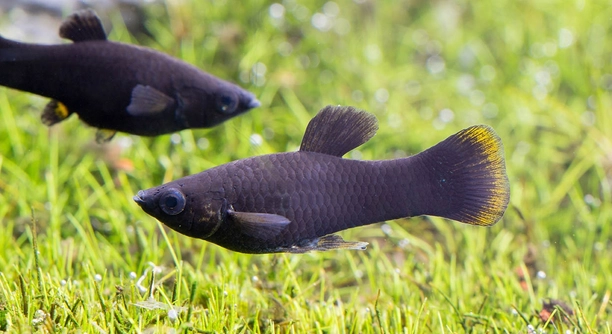
Do your black molly fish sometimes behave unpredictably in a mixed tank, leaving you unsure about breeding success and fish health? Many aquarists experience unexpected challenges when keeping multiple types together. Understanding these issues helps maintain a balanced environment.
Breeding issues in mixed black molly tanks often arise from genetic incompatibilities, stress due to overcrowding, competition among males, and inadequate nutrition. These factors can reduce fry survival rates, influence mating behaviors, and negatively impact overall tank health.
Addressing these common breeding challenges ensures your fish thrive and your tank remains a stable, healthy environment for all inhabitants.
Overcrowding Stress
When black mollies share a tank with too many fish, stress quickly becomes a problem. Overcrowding limits swimming space, reduces oxygen levels, and increases waste, all of which affect breeding success. Dominant males may constantly chase females, leaving them no time to rest or feed properly. Fry often struggle to survive in crowded conditions, as adults may eat them or they may not find safe hiding spaces. Keeping the population balanced and providing plenty of plants and hiding spots can reduce aggression and allow natural breeding behaviors. Regular water changes help maintain cleanliness and oxygen levels, which is especially important in mixed tanks. Observing interactions and removing overly aggressive males temporarily can also improve the overall atmosphere. By managing the number of fish and arranging the tank thoughtfully, you create a healthier environment that encourages breeding. Overcrowding stress is subtle but can have a lasting impact if ignored, affecting both adult fish and fry survival.
Managing tank population carefully ensures fish are less stressed and more likely to reproduce successfully.
Providing hiding spaces and structured areas reduces competition, letting mollies feel secure. This simple adjustment can improve fry survival and tank harmony significantly.
Genetic Compatibility
Breeding issues in mixed black molly tanks often stem from differences in genetics. Crossbreeding various strains can produce weaker fry, color mutations, or physical deformities. Even healthy adults may pass on traits that reduce the survival of offspring. Some combinations produce offspring that grow slower or are more susceptible to disease. Understanding the genetic background of your fish is essential before introducing them to the same tank. By selecting compatible strains, you can preserve desired traits and encourage robust breeding outcomes. Avoid mixing types that are known to produce fragile or low-survival fry. Keeping detailed records of parentage helps track successful pairings and identify problematic combinations. Observation over time reveals which pairs breed naturally and which struggle, making it easier to plan for future breeding. Proper attention to genetics ensures that the tank produces healthy, strong fry and maintains the appearance and vitality of your black mollies.
Careful selection of compatible fish can prevent weak fry and support consistent breeding success.
Understanding genetic compatibility not only protects fry but also preserves the traits you value in black mollies. Recording parentage and tracking outcomes allows you to make informed breeding decisions. Avoiding random pairings reduces the risk of deformities and health issues. Planning breeding pairs carefully ensures healthier, stronger fry while maintaining the visual appeal of your tank. Observing natural mating patterns also gives insight into which combinations thrive best. This attention to genetics benefits both adult fish and offspring. Over time, consistent monitoring and selective pairing will lead to a more stable, productive breeding environment, reducing wasted efforts and stress on the fish. Creating a tank with compatible strains helps maintain long-term health, vibrant coloration, and natural behavior patterns, giving you a more enjoyable and successful black molly breeding experience.
Male Aggression
Male black mollies often compete aggressively for female attention. Constant chasing or nipping can stress females and reduce breeding success. Separating overly aggressive males or providing hiding spots helps keep stress levels low and allows females to recover between interactions.
Aggressive males dominate the tank and interfere with natural mating behaviors. When males constantly chase females, females may refuse to breed or hide for long periods. Over time, this stress can weaken immune systems, making them more prone to disease. Providing visual barriers like plants or decorations helps females escape and reduces continuous harassment. Sometimes rotating males or temporarily isolating the most aggressive ones creates a calmer environment, improving breeding outcomes. Observing the interactions closely ensures that aggression does not escalate to injury or death, which can happen in confined spaces. Managing male aggression is a key factor in maintaining a productive mixed black molly tank.
By monitoring male behavior and adding hiding areas, females feel safer, leading to healthier fry and more consistent breeding patterns. These changes often result in a noticeable improvement in overall tank harmony.
Nutrition Deficiencies
Poor nutrition directly impacts the reproductive health of black mollies. Without a balanced diet, females may produce fewer eggs, and fry may be weak or fail to survive. Supplementing with high-quality flakes, live foods, and occasional vegetables ensures proper development.
A lack of proper nutrients can reduce fertility and overall health. Females require a protein-rich diet to produce viable eggs, while males need consistent feeding to maintain energy for breeding displays. Insufficient vitamins and minerals can cause deformities in fry and slow growth. Live foods like brine shrimp or daphnia provide essential proteins, while blanched vegetables offer necessary fiber and vitamins. Feeding small portions multiple times a day encourages better digestion and reduces waste buildup in the tank. Balanced nutrition strengthens fish, increases fry survival, and improves coloration and activity levels.
Maintaining a consistent feeding schedule and rotating food types supports long-term breeding success. It also keeps the fish more active, reducing stress and promoting natural behaviors. Proper diet prevents nutritional gaps that could otherwise cause health problems or low fry survival rates, making it easier to maintain a thriving mixed black molly tank over time.
Poor Water Quality
Black mollies are sensitive to poor water conditions. High ammonia, nitrite, or nitrate levels can stress fish, reduce breeding, and harm fry. Regular water testing and partial changes keep the tank safe and stable.
Uneven temperature and pH fluctuations also impact reproduction. Maintaining consistent conditions ensures fish stay healthy and more likely to breed successfully.
Overcrowded Fry
When too many fry are left in the main tank, they compete for food and space. Survival rates drop as weaker fry fail to thrive. Using separate rearing tanks or adding plenty of plants helps young fish grow safely and reduces losses.
Disease Transmission
Mixed black molly tanks increase the risk of spreading disease. Illness can reduce fertility and kill fry if untreated. Quarantining new fish and monitoring health closely prevents outbreaks.
Inadequate Hiding Spaces
Lack of hiding spots makes females and fry vulnerable. Plants, decorations, and shelters reduce stress and predation, supporting healthier breeding outcomes and higher survival rates.
How can I tell if my black mollies are stressed?
Stressed black mollies often hide frequently, swim erratically, or show faded colors. Females may avoid males, and aggression among males can increase. Fry may fail to grow properly or hide constantly. Observing your fish daily helps spot changes early. Regular water testing, proper nutrition, and sufficient space reduce stress.
What is the best way to manage male aggression?
Separate the most aggressive males temporarily or provide plenty of plants and decorations as visual barriers. Rotating males or reducing the number of males in the tank also helps. Ensuring females have hiding spots allows them to rest, recover, and breed more successfully.
How do I improve fry survival in a mixed tank?
Use dense plants or separate rearing tanks to protect fry from adults. Feeding small, frequent portions of high-quality foods ensures they get enough nutrition. Monitoring water quality closely is critical, as ammonia and nitrite spikes can quickly kill fry. Strong currents should be avoided to prevent exhausting the young fish.
What should I feed black mollies for better breeding?
A balanced diet includes high-quality flakes, live foods like brine shrimp or daphnia, and occasional vegetables like spinach or zucchini. Females need protein to produce viable eggs, while males benefit from consistent nutrition to maintain energy for mating displays. Rotating food types prevents nutrient deficiencies.
How often should I change water in a mixed tank?
Partial water changes of 20-30% weekly help maintain stable water quality. Testing ammonia, nitrite, nitrate, and pH levels ensures conditions remain safe. Freshwater additions should match the tank temperature and hardness to avoid stressing the fish. Overcrowded tanks may require more frequent changes.
Can different black molly strains be kept together?
Yes, but careful attention to genetics is necessary. Mixing incompatible strains may result in weak fry or deformities. Track parentage and avoid random pairings. Selecting compatible fish preserves desired traits and ensures fry are healthy and robust.
How do I prevent disease in a mixed tank?
Quarantine new fish for at least two weeks before adding them. Observe all fish for signs of illness like white spots, clamped fins, or lethargy. Keeping the tank clean, maintaining stable water conditions, and feeding a proper diet all reduce disease risk. Prompt treatment is essential if symptoms appear.
What role do hiding spaces play in breeding success?
Plants, caves, and decorations reduce stress for both adults and fry. Females can avoid constant male attention, and fry can hide from adults. A well-structured tank encourages natural behaviors and improves survival rates. Changing layouts occasionally prevents territorial disputes among males.
How can I balance tank population effectively?
Maintain a ratio of more females than males to reduce aggression and stress. Avoid overcrowding, as it increases competition for food and reduces breeding success. Monitor fry growth and consider moving them to separate tanks to prevent losses and maintain overall tank health.
Is water temperature important for black molly breeding?
Yes, maintaining a stable temperature between 75-82°F supports reproductive health. Sudden fluctuations can stress adults and reduce fry survival. Using a reliable heater and thermometer ensures conditions remain optimal for breeding. Temperature consistency also promotes activity and proper feeding behavior.
How do I know if my fry are getting enough food?
Fry should appear active and grow steadily. Uneaten food should be minimal, and weak or undersized fry may indicate insufficient feeding. Providing small, frequent feedings of finely crushed flakes or baby brine shrimp ensures all fry get enough nutrition without fouling the tank.
Can I prevent crossbreeding in a mixed tank?
Separate strains or monitor breeding pairs closely to prevent unwanted crossbreeding. Using breeding nets or dedicated tanks for specific pairings preserves desired traits and reduces the chance of producing weak or unpredictable offspring.
How long does it take for black molly fry to grow?
Fry usually reach maturity in about 3-4 months, depending on diet, water quality, and tank conditions. Healthy, well-fed fry in stable tanks grow faster, develop stronger coloration, and are more likely to survive to adulthood. Regular observation helps ensure growth remains on track.
What signs indicate successful breeding?
Pregnant females show a swollen belly, usually near the anal fin. Fry may appear in hiding areas or among plants. Active, healthy adults, combined with proper water quality and nutrition, indicate a well-functioning breeding environment. Monitoring these signs helps you track breeding success over time.
How can I reduce stress in a mixed black molly tank?
Provide enough space, hiding spots, and maintain proper water quality. Avoid sudden changes in temperature or pH. Minimize overcrowding, monitor aggressive males, and ensure balanced nutrition. Reducing stress increases breeding success, fry survival, and overall health of the tank population.
Final Thoughts
Breeding black mollies in a mixed tank can be challenging, but understanding the main issues makes it much easier to manage. Overcrowding, male aggression, poor water quality, and nutrition deficiencies are some of the most common problems. Each of these factors directly affects the health of adults and the survival of fry. By keeping a careful eye on the tank population, providing enough space, and observing fish behavior, you can reduce stress and improve breeding success. Planning the tank layout with plenty of plants and hiding spots gives both adults and fry a safer, more comfortable environment. Stress is subtle, but it can have a big impact on breeding, so managing it consistently is key.
Maintaining proper water quality is one of the most important steps for a healthy breeding tank. Regular water testing, partial water changes, and monitoring parameters like temperature, pH, and ammonia levels help prevent many problems. Black mollies are sensitive to sudden changes, so keeping conditions stable allows them to focus on natural behaviors like feeding and mating. Nutrition also plays a critical role. Feeding a balanced diet with high-quality flakes, live foods, and occasional vegetables ensures adults stay healthy and fry grow strong. Inadequate food can weaken fish, reduce fertility, and make fry more vulnerable to disease or environmental stress. Watching your fish closely and adjusting their diet or environment when needed helps maintain a productive tank.
Genetic compatibility and disease prevention are equally important for successful breeding. Mixing incompatible strains can lead to weak or deformed fry, so tracking parentage and selecting compatible fish helps maintain healthy offspring. Quarantining new fish and monitoring the tank for illness reduces the risk of outbreaks that can harm both adults and fry. Providing separate spaces for fry or dense plant cover allows them to grow safely without being eaten or stressed by adults. With careful attention to these factors, you can create a stable environment that supports natural breeding behaviors, healthier fry, and overall tank harmony. Maintaining this balance requires patience and observation, but the results are worth it for anyone looking to breed black mollies successfully.

Hello,
If you enjoy the content that we create, please consider saying a "Thank You!" by leaving a tip.
Every little bit helps us continue crafting quality advice that supports the health, happiness, and well-being of pets around the world, for pets of all shapes, sizes, and species.
We really appreciate the kindness and support that you show us!