
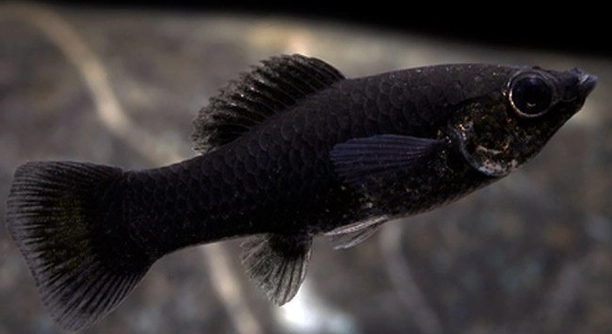
Do you love keeping aquariums but find yourself unsure if your Black Molly can thrive without special water treatments? Many hobbyists face this situation when setting up a simple, low-maintenance tank environment.
Black Mollies can survive in tap water alone if it is properly conditioned and monitored. Regular testing for pH, hardness, and chlorine levels is essential, as untreated or unstable tap water can stress the fish and affect long-term health.
Maintaining a stable and safe environment is key, and small adjustments can make a big difference for your Black Molly’s wellbeing.
Understanding Tap Water for Black Mollies
Tap water can be used for Black Mollies, but it requires careful attention to its chemical composition. Chlorine and chloramine are often present in tap water, which can harm fish if left untreated. Using a water conditioner neutralizes these chemicals, making the water safe for your Mollies. Temperature consistency is also important. Sudden fluctuations can stress fish, so maintaining a stable tank environment is essential. Black Mollies prefer slightly alkaline water, usually between pH 7.0 and 8.5. Hardness is another factor; soft water can cause stress, while moderately hard water helps with their overall health. Testing kits make it simple to monitor these parameters. Regular partial water changes, about 20-30% weekly, help remove toxins and maintain quality. Keeping an eye on water clarity, odor, and any sudden algae growth can also indicate issues. By observing these factors, tap water can serve as a healthy environment for your Black Mollies.
Using a water conditioner and monitoring pH levels keeps tap water safe for Mollies. Small adjustments prevent stress and promote health.
Stable water conditions improve fish behavior and appearance. Mollies become more active, eat consistently, and display brighter colors. Attention to water quality ensures their long-term wellbeing and reduces risk of disease. Regular testing and small adjustments create a reliable environment for healthy growth.
Feeding and Care in Tap Water
Black Mollies adapt to a variety of foods, including flakes, pellets, and occasional live or frozen treats. Their diet should be balanced to support growth and vibrant coloration. Overfeeding can pollute the water, so small, frequent meals are better. Vegetables like spinach or zucchini can supplement protein-rich foods, providing essential nutrients. Observing their feeding behavior helps ensure all fish receive adequate nutrition. Maintaining clean water is as important as feeding; leftover food should be removed promptly to prevent ammonia spikes. A healthy diet combined with properly conditioned tap water supports immune function and reduces stress.
Providing a balanced diet helps Mollies thrive in tap water. Vegetables and protein sources enhance health and color.
Consistent care involves monitoring water quality, feeding appropriate portions, and observing fish behavior. Mollies in stable conditions show reduced stress, fewer health issues, and longer lifespans. Simple daily maintenance, including water checks and debris removal, ensures they remain active and vibrant. Adjustments in diet and water chemistry contribute to overall wellness, creating a comfortable habitat. Black Mollies respond well to attentive care, and even tap water alone can meet their needs if these steps are followed. Proper feeding, conditioning, and regular observation make maintaining a thriving aquarium straightforward and rewarding.
Common Water Issues
Tap water may contain fluctuating pH levels, hardness variations, or trace metals that can affect Mollies. Regular testing is essential to catch these changes early. Simple adjustments, like partial water changes or conditioners, help maintain a stable environment and prevent stress-related illnesses.
Monitoring pH, hardness, and chlorine levels is crucial for Mollies’ health. Even minor fluctuations can cause stress, leading to poor appetite, faded colors, or increased susceptibility to disease. Using a reliable test kit ensures accurate readings. Adjustments can include adding minerals, buffering pH, or using a water conditioner. Keeping a consistent routine with weekly partial water changes supports stability, removes toxins, and keeps your fish comfortable. Observing fish behavior can also alert you to unseen water quality issues before they become serious.
Algae growth, cloudiness, or unusual odors are signs of water imbalance. Acting promptly with cleaning routines and chemical checks helps prevent deterioration. Black Mollies respond well to stable conditions, and maintaining clean water ensures they remain active, healthy, and display their natural colors. Consistency in observation, feeding, and maintenance is key to thriving fish in tap water setups.
Tank Maintenance Essentials
Partial water changes, typically 20-30% weekly, help remove waste and maintain water quality. Skipping these changes can lead to ammonia buildup and poor fish health. Using a siphon to clean substrate prevents debris accumulation and maintains clarity.
Regular filter checks are important to keep water circulating properly and remove impurities. Cleaning the filter media without completely replacing it preserves beneficial bacteria. Avoid over-cleaning, which can disrupt biological balance. Observing the tank for uneaten food, waste, or detritus allows timely removal before it affects water quality. Tools like algae scrapers, nets, and siphons make maintenance easier. Maintaining a consistent schedule keeps tap water safe for Mollies and supports their overall wellbeing.
Consistency in cleaning and monitoring encourages a stable environment. Mollies thrive when tank maintenance is simple but regular, balancing hygiene with the natural biological ecosystem. Following a routine ensures water chemistry remains steady and reduces risks of disease. Over time, these practices make caring for Black Mollies manageable, even in basic tap water setups, while allowing them to grow healthily and display vibrant coloration. Observing the fish daily adds insight into their needs and helps catch minor issues before they become significant problems.
Signs of Stress in Black Mollies
Lethargy, clamped fins, or hiding more than usual can indicate stress in Black Mollies. Changes in color or reduced appetite are also common signs. Monitoring behavior daily helps catch issues early and allows adjustments to water or tank conditions.
Frequent rapid gill movement or erratic swimming patterns often point to poor water quality. Acting quickly with partial water changes, proper conditioning, or adjustments in diet can reduce stress. Consistent observation ensures Mollies remain healthy and active in tap water environments.
Choosing the Right Tankmates
Black Mollies are peaceful but benefit from compatible tankmates. Small, non-aggressive fish like tetras, guppies, or corydoras are suitable. Avoid larger or aggressive species that may stress or harm them. Compatibility helps maintain a calm, healthy aquarium environment.
Maintaining Temperature
Keeping a stable temperature around 75-80°F supports Black Mollies’ activity and growth. Sudden drops or spikes can lead to illness or stress, so a reliable heater and thermometer are recommended. Regular checks ensure a consistent environment for long-term health.
FAQ
Can Black Mollies live in untreated tap water?
Black Mollies should not be placed directly into untreated tap water. Chlorine and chloramine in tap water are harmful to fish. Using a water conditioner neutralizes these chemicals, making the water safe. Testing pH and hardness helps ensure the environment is stable, allowing Mollies to thrive.
How often should I change the water?
Weekly partial water changes of 20-30% are recommended. This helps remove waste, toxins, and leftover food. Skipping changes can lead to ammonia buildup, cloudiness, and stress. Maintaining a routine keeps the water clean, supporting healthy growth and preventing disease.
What pH is best for Black Mollies?
Black Mollies prefer slightly alkaline water, ideally between pH 7.0 and 8.5. Stable pH prevents stress, supports digestion, and enhances their natural coloration. Frequent testing is important, and minor adjustments can be made with buffers if pH fluctuates outside this range.
Is tap water hardness a problem?
Moderate to hard water is ideal for Black Mollies. Soft water can cause stress, while very hard water may affect breeding. Testing water hardness and adjusting with mineral supplements ensures your Mollies remain healthy. Stability is more important than hitting exact numbers.
Can I use a filter with tap water?
Yes. A filter helps remove debris, circulate water, and maintain oxygen levels. Avoid over-cleaning the media to preserve beneficial bacteria. Regular checks and gentle cleaning help sustain water quality without disrupting the tank’s biological balance.
Do Black Mollies need live plants in tap water tanks?
Live plants are beneficial but not required. They improve water quality by absorbing nitrates and provide hiding spots. Hardy plants like Java moss or Anubias thrive in tap water and complement the natural behavior of Mollies.
What should I feed Black Mollies?
A balanced diet includes high-quality flakes, pellets, and occasional live or frozen foods. Vegetables such as spinach or zucchini supplement protein-rich meals. Feed small portions two to three times daily to prevent overfeeding and maintain water quality.
How do I know if my Black Mollies are healthy?
Healthy Mollies are active, brightly colored, and eat consistently. Faded color, lethargy, clamped fins, or erratic swimming are signs of stress or poor water conditions. Daily observation and water testing help catch issues before they worsen.
Can Black Mollies breed in tap water?
Yes, if the water is conditioned and stable. Females give birth to live fry, and slightly harder water supports reproductive health. Providing plants or breeding traps offers hiding spots for fry, increasing survival rates.
How do I prevent disease in tap water tanks?
Maintain clean, conditioned water, avoid overfeeding, and monitor fish daily. Quarantine new fish before adding them to the tank. Consistent care and observation minimize risk of infections and stress-related illness.
Are temperature fluctuations dangerous?
Yes. Black Mollies thrive in 75-80°F. Rapid changes can weaken the immune system and cause stress. Use a reliable heater and thermometer to keep the temperature consistent. Sudden drops or spikes should be corrected immediately to protect fish health.
Can I keep other species with Black Mollies?
Yes, peaceful small fish like guppies, tetras, and corydoras are suitable. Aggressive or larger species should be avoided as they may stress or harm Mollies. Proper selection supports a calm, balanced aquarium environment.
How long do Black Mollies live in tap water?
With proper care, conditioned tap water, a balanced diet, and stable parameters, Black Mollies can live 3-5 years. Attention to water quality, temperature, and routine maintenance directly impacts their lifespan and overall health.
How do I handle cloudy water?
Cloudiness often results from excess waste, overfeeding, or bacterial blooms. Partial water changes, cleaning substrate, and using a filter help restore clarity. Avoid over-cleaning beneficial bacteria. Monitoring feeding habits and tank load prevents future cloudiness.
Are Black Mollies sensitive to chlorine or chloramine?
Yes, even low levels can be harmful. Using a water conditioner neutralizes these chemicals. Tap water should always be treated before introducing Mollies to prevent stress, gill damage, and long-term health issues.
Can I adjust pH with chemicals safely?
Yes, but adjustments should be gradual. Rapid changes cause stress or illness. Buffers designed for aquariums help stabilize pH. Monitoring daily ensures stability and prevents negative effects on Mollies’ health.
Is it okay to use tap water in a breeding tank?
Conditioned tap water is fine for breeding if hardness and pH are suitable. Plants or breeding traps protect fry, while partial water changes maintain cleanliness. Consistent water parameters improve survival rates and overall reproductive success.
Do Black Mollies need aeration in tap water tanks?
Aeration improves oxygen levels and circulation, especially in warmer water. While not always necessary with a filter, air stones or gentle flow help maintain a healthy, stable environment, supporting activity and feeding behavior.
How often should I test water parameters?
Test pH, hardness, ammonia, nitrite, and nitrate weekly. Frequent monitoring catches problems early. More frequent testing is needed if adding new fish, adjusting water chemistry, or noticing unusual behavior or stress signs.
Can untreated tap water kill Black Mollies quickly?
Yes. Chlorine, chloramine, and unstable pH can harm gills, cause stress, and even lead to death within hours. Conditioning water and testing parameters ensures a safe environment for long-term health and activity.
Is it difficult to keep Black Mollies in tap water?
Not if the water is conditioned, parameters are monitored, and regular maintenance is performed. Simple routines like partial water changes, proper feeding, and observation make it manageable. Stability in water quality ensures Mollies thrive without extra effort.
Can Black Mollies adapt to slight variations in tap water?
Yes, they are relatively hardy. Minor fluctuations in pH or hardness are tolerable if changes are gradual. Sudden extremes should be avoided. Observing behavior and color helps determine how well they are adapting.
What is the most common mistake with tap water tanks?
Skipping water conditioning, irregular testing, or overfeeding are frequent issues. These can lead to stress, disease, and poor coloration. Maintaining routine care and observing water quality prevents most common problems and supports healthy, active Mollies.
How do I safely introduce Mollies to tap water?
Acclimate them slowly using the drip method or gradual mixing of tank water with the transport water. This reduces stress and allows adjustment to pH, hardness, and temperature. Proper acclimation prevents shock and supports long-term health.
Can I use bottled water instead of tap water?
Bottled water may lack essential minerals needed by Mollies. Conditioned tap water with proper hardness and pH is generally better. Bottled water can be used if parameters are tested and supplemented appropriately.
How do I prevent algae in tap water tanks?
Avoid overfeeding, maintain light schedules, and keep water clean with partial changes. Live plants compete with algae for nutrients. Regular cleaning of surfaces and observation reduces algae growth without harming Mollies.
Are Black Mollies suitable for beginners using tap water?
Yes, they are hardy and adaptable. With basic knowledge of conditioning water, monitoring parameters, and routine maintenance, they thrive even in simple tap water setups. Observation and consistency are the keys to success.
How often should I clean the filter in a tap water tank?
Check filters weekly and rinse media gently when needed. Avoid complete replacement, which removes beneficial bacteria. Proper filter maintenance keeps water clear, circulating, and safe for Mollies without disrupting the tank’s balance.
What signs show water is safe for Mollies?
Clear water, stable pH, moderate hardness, no strong odors, and active, brightly colored fish indicate a healthy environment. Consistent behavior and feeding patterns confirm that the tank conditions are suitable for long-term care.
Can I mix different types of tap water?
Mixing tap water is possible if both sources are conditioned and tested for pH and hardness. Gradual mixing prevents shock. Ensuring stability and avoiding extreme differences in parameters supports healthy adaptation for Black Mollies.
Do Black Mollies need extra minerals in tap water?
Sometimes, especially if water is very soft. Adding aquarium-safe mineral supplements helps maintain hardness and supports overall health, coloration, and reproductive success. Observing fish behavior indicates if adjustments are needed.
How do I handle sudden water changes?
Gradual partial water changes are safest. Sudden full changes can stress Mollies. Conditioning new water and matching temperature prevents shock. Frequent small adjustments maintain a stable, healthy environment for long-term wellbeing.
What equipment is essential for tap water tanks?
A heater, thermometer, filter, water conditioner, test kits, and siphon are key. These tools maintain stability, cleanliness, and safe conditions, allowing Black Mollies to thrive without complications. Proper equipment reduces risks and makes daily care manageable.
How can I tell if tap water is harming my Mollies?
Stress signs like clamped fins, faded color, lethargy, or rapid gill movement indicate water issues. Immediate testing for pH, hardness, and chlorine levels helps identify problems. Prompt adjustments prevent long-term health effects.
Is tap water alone sufficient for long-term care?
Yes, if it is conditioned, monitored, and maintained consistently. Stability in pH, hardness, and temperature, combined with routine feeding and cleaning, ensures Black Mollies remain healthy and active over their lifespan.
Black Mollies can live comfortably in tap water as long as the water is properly treated and regularly monitored. Conditioning tap water to remove chlorine and chloramine is essential, and checking parameters like pH and hardness ensures the fish remain healthy. While tap water alone can be sufficient, it is the consistency in maintenance that truly matters. Small, regular adjustments and partial water changes help maintain a stable environment. Mollies respond well to stability, showing more activity, vibrant colors, and improved overall health. Even simple aquariums with tap water can support a thriving group of Black Mollies when these basic steps are followed.
Feeding also plays an important role in their wellbeing. A balanced diet of flakes, pellets, and occasional vegetables or live foods helps maintain their growth and coloration. Overfeeding should be avoided, as leftover food can pollute the water and create stress. Observing the fish while they eat provides insight into their behavior and health. In combination with regular water testing and conditioning, proper feeding routines reduce the risk of disease and improve longevity. Mollies are relatively hardy, but attentive care is still necessary to prevent subtle stressors from affecting their immune system or behavior.
Maintaining a tap water aquarium for Black Mollies is straightforward with consistent care and observation. Monitoring water parameters, performing partial water changes, and keeping the tank clean ensure a safe and stable environment. Temperature stability, proper filtration, and occasional supplementation of minerals if the water is very soft contribute to overall health. Choosing compatible tankmates and providing plants or hiding spots further reduce stress and support natural behavior. With these routines in place, tap water alone can sustain a healthy, active population of Black Mollies. Attention to small details, rather than complex setups, makes caring for these fish manageable while allowing them to thrive over the years.

Hello,
If you enjoy the content that we create, please consider saying a "Thank You!" by leaving a tip.
Every little bit helps us continue crafting quality advice that supports the health, happiness, and well-being of pets around the world, for pets of all shapes, sizes, and species.
We really appreciate the kindness and support that you show us!