
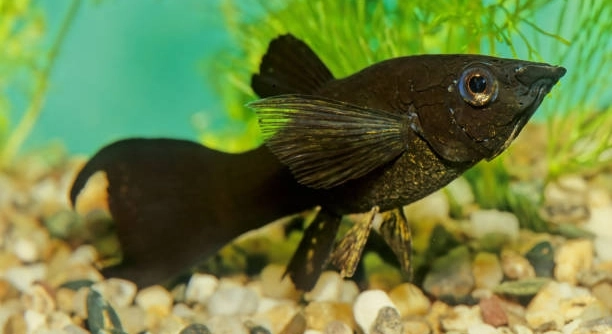
Caring for a black molly tank can seem simple at first, yet a clean environment supports healthier fish and a balanced aquatic space. A steady routine helps prevent stress and promotes growth in your tank.
The best practices for cleaning a black molly tank involve consistent water changes, proper filtration maintenance, careful substrate vacuuming, and monitoring waste buildup. These steps help stabilize the aquatic environment and reduce stress, ensuring optimal health for your black mollies.
These simple methods create a cleaner habitat that supports stable conditions, giving your fish the comfort and wellness they deserve.
Maintaining Clear Water
Keeping the water clear plays a major role in supporting your black mollies. Clean water reduces stress and prevents harmful buildup that affects their health. Regular care creates a stable environment that feels safe and balanced, making it easier for your fish to thrive without unnecessary complications.
Clear water depends on steady habits that support filtration, waste control, and nutrient balance. Each part of this process helps maintain a space where healthy bacteria can function properly, allowing your tank to remain stable and pleasant for your fish. Small actions done consistently help keep the water in good condition and prevent unwanted issues.
A clean and steady environment supports the natural behavior of your black mollies and keeps them active. With proper attention, you can maintain a tank that stays clear, balanced, and comfortable for your fish without needing complicated techniques.
Managing Waste Buildup
Consistent control of waste buildup helps protect your tank from harmful spikes that can affect the health of your black mollies. Managing waste keeps the environment stable and supports the natural balance needed for your fish to stay comfortable.
Regular substrate vacuuming, careful feeding, and a dependable filter work together to limit excess debris in the tank. Overfeeding can cause leftover food to break down quickly, so providing only what your fish can eat in a short time helps keep the water stable. A strong filter supports this by catching loose particles and helping beneficial bacteria process waste efficiently. During water changes, gently cleaning the substrate prevents pockets of debris from forming and keeps the tank healthier. These steady habits reduce stress on your fish and support long-term tank stability, giving your mollies a space where they can remain active and healthy without frequent issues.
Optimizing Filtration
A steady filtration system supports clean water and helps reduce stress on your black mollies. Consistent flow prevents waste from settling and keeps the environment balanced. Maintaining the filter regularly ensures it runs efficiently and supports the overall health of your tank.
Clean the filter media on a routine schedule, but avoid overcleaning since beneficial bacteria play an important role in stabilizing the water. Rinse the media gently in tank water during changes to preserve these bacteria while removing buildup. Check the intake for blockages, and confirm that the flow rate matches the needs of your black mollies. A dependable filter keeps debris moving, supports oxygen levels, and helps the tank remain stable. Regular attention to its performance creates a comfortable space that your fish can rely on.
Choosing the right filter size is equally important, as an undersized filter struggles to keep up with daily waste. A properly sized unit handles the workload more effectively and provides consistent support. When the filtration is strong and stable, your tank stays clearer, healthier, and easier to maintain.
Handling Algae Growth
Algae growth is common in a black molly tank, but steady control prevents it from taking over. Reducing excess nutrients, managing lighting, and keeping the tank clean are the most effective ways to limit unwanted algae and protect water quality.
Start by monitoring how long your tank lights stay on, since too much light encourages algae to spread quickly. Keep a balanced feeding routine so leftover food does not break down and fuel algae growth. During water changes, gently wipe surfaces where algae tend to collect, and remove any visible patches before they spread. Reliable filtration also helps by circulating the water and removing particles that contribute to algae buildup. With consistent habits and steady attention, algae becomes easier to manage, keeping your tank clear and comfortable for your mollies.
Controlling Feeding Practices
Feeding your black mollies the right amount helps keep the tank clean by reducing excess waste. Offering small portions they can finish quickly prevents leftover food from breaking down and affecting the water. Steady feeding habits support a cleaner environment and make routine maintenance more manageable for your fish today.
Consistent feeding control also protects the biological balance in your tank. Limiting heavy meals prevents ammonia spikes that place stress on your black mollies. Keeping portions moderate allows the filter to work efficiently and reduces the chance of debris collecting on the substrate and clouding the water over time naturally.
Maintaining Stable Water Parameters
Stable water parameters support the long term health of your black mollies by keeping stress levels low and preventing harmful fluctuations. Regular testing helps you track pH, ammonia, nitrite, and nitrate so you can adjust before problems appear. Performing steady water changes maintains consistency and removes dissolved waste that builds up between cleanings. Avoid making rapid adjustments because sudden shifts can overwhelm your fish and disrupt the beneficial bacteria they rely on. Keeping temperature stable also matters, since fluctuating heat weakens their immune system and affects behavior. Simple habits followed consistently create conditions that remain comfortable and predictable for them.
Using Safe Cleaning Tools
Using safe tools protects your black mollies from unnecessary stress during tank maintenance. Soft algae pads, gentle siphons, and non abrasive brushes prevent damage to the glass and substrate. Avoid harsh chemicals, since they can disrupt the biological balance and leave harmful residues that disturb your fish in the tank.
FAQ
How often should I clean my black molly tank?
Regular cleaning is essential to keep the tank healthy and safe for your black mollies. Partial water changes of 20-30% every week are usually enough, while deeper cleaning of the substrate and decorations can be done monthly. Consistency prevents waste buildup and keeps water parameters stable.
What is the best way to clean the substrate without stressing the fish?
Use a gentle siphon vacuum to remove debris from the substrate. Avoid disturbing the gravel too aggressively, as this can cloud the water and stress your mollies. Performing this during partial water changes ensures waste is removed while maintaining stability in the tank.
Can I use chemicals to clean my tank?
Harsh chemicals should be avoided. They can leave residues that harm your black mollies and disrupt beneficial bacteria. Stick to rinsing decorations in warm water and using aquarium-safe cleaning tools. Mild algae scrapers are sufficient for removing buildup on surfaces.
How do I control algae growth effectively?
Control algae by managing light exposure, feeding moderately, and keeping up with water changes. Reducing excess nutrients prevents rapid algae growth. Regularly wipe tank surfaces and decorations where algae appear. A balanced tank environment keeps algae under control naturally without stressing the fish.
Is it necessary to remove all plants during cleaning?
No, you don’t need to remove healthy plants completely. Gently rinse or wipe them if debris or algae accumulate. Removing plants unnecessarily can disturb the tank’s ecosystem. Maintaining plants helps provide shelter and contributes to a balanced environment for your mollies.
How can I keep my water parameters stable?
Test your water weekly to monitor pH, ammonia, nitrite, nitrate, and temperature. Perform consistent water changes and avoid sudden adjustments. Maintaining stable conditions supports your fish’s health, reduces stress, and keeps beneficial bacteria functioning properly.
What filter maintenance is needed for black molly tanks?
Rinse filter media gently in tank water during water changes to remove debris without killing helpful bacteria. Check the filter intake for blockages and ensure the flow rate suits the tank size. Consistent maintenance keeps the filtration system working efficiently and supports overall tank health.
Can overfeeding harm my black mollies?
Yes, overfeeding produces excess waste, which can cloud water, raise ammonia levels, and stress fish. Feed small portions that they can consume in a few minutes. Consistent moderation helps maintain clean water and a healthier environment.
How can I prevent stress during cleaning?
Move slowly and perform routine cleaning in small steps. Avoid sudden water changes or rough handling of decorations. Keeping the process calm and predictable ensures your black mollies remain comfortable and safe while you maintain the tank.
Should I clean decorations regularly?
Yes, rinse and gently scrub decorations with warm water if algae or debris appear. Avoid using soap or chemicals. Clean decorations help maintain aesthetic appeal and prevent buildup that could negatively affect water quality.
Is it necessary to replace filter media frequently?
Replacing media too often can remove beneficial bacteria. Rinse it during water changes and replace only when it’s worn or ineffective. Properly timed replacement maintains filtration efficiency while keeping the tank stable.
What is the role of temperature in tank cleanliness?
Stable temperature helps prevent stress and supports the tank’s biological balance. Sudden fluctuations can weaken your mollies’ immune system and disrupt beneficial bacteria. Maintaining a consistent, appropriate temperature improves water quality and overall fish health.
Can black mollies tolerate minor water cloudiness?
Minor cloudiness from small substrate disturbances is generally harmless if parameters remain stable. Frequent or prolonged cloudiness, however, may indicate excessive waste, overfeeding, or inadequate filtration, which should be addressed promptly to protect fish health.
How do I know if my cleaning routine is effective?
Clear water, healthy fish behavior, and limited algae growth indicate an effective routine. Consistent maintenance, including water changes, substrate vacuuming, and filter care, ensures the tank remains balanced and your black mollies thrive.
Are there specific tools recommended for black molly tanks?
Soft algae pads, gentle siphons, and non-abrasive brushes are best. These tools clean effectively without harming fish or disrupting the tank ecosystem. Using safe equipment makes maintenance easier and reduces stress for your mollies.
Can I use tap water for water changes?
Tap water must be treated with a water conditioner to remove chlorine and chloramine before adding it to the tank. Untreated water can harm your mollies and disrupt the tank’s biological balance. Proper preparation ensures safe and healthy water changes.
How important is routine observation during cleaning?
Observing your black mollies while cleaning helps spot signs of stress, illness, or environmental issues early. Noticing changes in behavior or appearance allows for prompt intervention and supports the long-term health of your fish.
What steps prevent sudden ammonia spikes?
Regular partial water changes, controlled feeding, and proper filter maintenance prevent ammonia from rising. Avoid overfeeding and remove leftover food promptly. Keeping the tank stable reduces the risk of sudden harmful spikes that stress your mollies.
Is weekly maintenance enough for small tanks?
Yes, weekly partial water changes and routine substrate cleaning are sufficient for small tanks. Filter care and algae management should also be done consistently. Regular attention ensures a safe and clean environment for your black mollies.
How do I manage detritus in a planted tank?
Gently siphon debris from the substrate without disturbing plant roots. Regularly remove decaying leaves or plant matter to prevent nutrient buildup. Maintaining a balance between plants and cleanliness keeps the tank stable and supports your mollies’ well-being.
What is the best approach to sudden tank issues?
Address problems promptly but carefully. Identify the cause, whether it’s water quality, feeding, or equipment failure, and take measured corrective steps. Avoid rapid changes that could stress your black mollies, and maintain consistent care afterward.
How can I simplify cleaning without skipping steps?
Create a consistent routine with manageable tasks, such as weekly water changes, substrate vacuuming, and filter checks. Breaking the process into small steps ensures thorough maintenance while keeping it simple and less stressful for you and your mollies.
Are there risks in over-cleaning a black molly tank?
Over-cleaning can remove beneficial bacteria and destabilize water parameters. Avoid scrubbing everything aggressively or replacing too much filter media at once. Gentle, steady maintenance is enough to keep the tank healthy and support your fish.
Can I clean the tank while fish are inside?
Yes, with caution. Perform gentle substrate cleaning, partial water changes, and surface wiping carefully to avoid stressing the mollies. Sudden movements or aggressive actions can frighten them, so a calm, deliberate approach is important.
How do I maintain a balance between cleaning and natural tank cycles?
Focus on partial water changes, gentle substrate maintenance, and consistent filter care without disrupting the tank’s natural biological processes. Preserving beneficial bacteria while removing waste ensures your black mollies stay in a healthy, stable environment.
What should I do if I notice unusual fish behavior after cleaning?
Check water parameters immediately and ensure no cleaning tools or residues have harmed the tank. Minor stress is normal, but persistent changes in behavior may require partial water changes or adjustments to filtration. Monitoring your mollies closely helps restore comfort quickly.
How can I reduce stress during weekly maintenance?
Perform tasks slowly, keep movements consistent, and avoid sudden water changes. Ensuring tools and cleaning methods are gentle reduces stress and allows your black mollies to remain calm while you maintain the tank.
Are there seasonal considerations for tank cleaning?
Temperature changes and seasonal shifts in light exposure can affect water quality and algae growth. Adjust water change frequency, monitor parameters, and control lighting to keep the tank balanced throughout the year. Regular attention ensures consistent conditions.
How important is record-keeping for cleaning routines?
Keeping track of water changes, filter maintenance, and water tests helps identify patterns and potential issues early. A simple log supports consistent care and ensures nothing is overlooked, helping maintain a healthy tank environment for your mollies.
What is the safest way to remove stubborn algae?
Use a soft algae pad or non-abrasive brush. Avoid scraping too hard, and never use chemicals. Regular gentle removal prevents buildup while keeping your black mollies safe and the tank clear.
How do I know if my mollies are thriving after cleaning?
Healthy coloration, active swimming, regular feeding, and normal behavior indicate that your mollies are thriving. Consistent cleaning and care create conditions that allow them to remain active, stress-free, and healthy in the tank environment.
What is the role of routine observation alongside cleaning?
Observation helps detect early signs of illness, stress, or water imbalance. Combining careful monitoring with consistent maintenance ensures timely interventions and supports long-term tank stability for your black mollies.
Can I clean the tank too infrequently?
Yes, skipping routine maintenance allows waste buildup, algae growth, and unstable water parameters. Consistency is key to keeping the tank safe, clear, and comfortable for your black mollies, preventing avoidable health issues.
How do I prevent harmful bacteria growth during cleaning?
Rinse decorations and substrate with warm water, maintain proper filter function, and avoid harsh chemicals. Balanced care preserves beneficial bacteria while preventing harmful growth that could stress or harm your fish.
What is the easiest way to combine water changes and substrate cleaning?
Use a siphon to remove water and debris simultaneously. This method saves time, reduces disturbance, and maintains a cleaner environment efficiently, supporting both water quality and substrate hygiene.
Are there specific signs that indicate cleaning is needed?
Cloudy water, visible debris on the substrate, algae patches, or unpleasant odors signal the need for cleaning. Prompt attention prevents stress for your black mollies and ensures a healthy aquatic environment.
How long does a proper weekly maintenance session take?
With consistent habits, it usually takes 20-30 minutes to perform water changes, substrate cleaning, filter checks, and surface wiping. Keeping the routine steady prevents larger problems and maintains a comfortable space for your mollies.
How can I keep cleaning simple for multiple tanks?
Create a schedule, use dedicated tools for each tank, and follow the same routine for each. Consistency reduces mistakes, ensures steady maintenance, and keeps all tanks healthy without overwhelming effort.
Is it important to check water flow during cleaning?
Yes, ensuring filters and pumps operate correctly maintains circulation and oxygenation. Checking flow prevents stagnant areas where debris could accumulate and supports consistent conditions for your black mollies.
How do I balance cleaning frequency with minimal stress?
Perform routine maintenance consistently but gently. Small, steady tasks prevent waste accumulation while avoiding drastic changes, allowing your mollies to remain comfortable throughout the process.
Can overuse of algae pads harm the tank?
Excessive scrubbing may damage plants or substrate and remove beneficial biofilm. Use pads sparingly and only on affected surfaces to maintain a healthy tank environment.
What should I do if water becomes cloudy after cleaning?
Allow a few hours for sediment to settle while ensuring filtration continues. If cloudiness persists, check for leftover debris or filter issues. Proper siphoning and gentle cleaning prevent prolonged turbidity.
Are there shortcuts that won’t compromise cleanliness?
Combining partial water changes with substrate vacuuming and filter checks is the most efficient approach. Avoid skipping steps, but streamlining tasks can save time without reducing the effectiveness of tank maintenance.
How can I tell if my mollies are comfortable during cleaning?
They swim normally, respond to light feeding, and show no signs of hiding or stress. Consistent, calm maintenance supports their comfort and overall health.
Does the type of substrate affect cleaning practices?
Yes, fine gravel or sand requires gentler vacuuming to avoid stirring up debris excessively. Adjust suction strength and technique based on substrate type to maintain cleanliness without harming your mollies.
How important is gentle water addition after cleaning?
Adding water slowly prevents sudden changes in temperature and parameters, reducing stress. Gradual refilling helps maintain stability and ensures the tank environment remains comfortable for your black mollies.
Can I combine tank cleaning with plant trimming?
Yes, trimming plants during maintenance helps remove decaying material and prevents nutrient buildup. Gentle handling ensures plants stay healthy while supporting a clean, balanced tank environment.
How can I maintain tank hygiene without stressing the fish?
Use slow, steady movements, gentle siphoning, and minimal disruption. Consistency and care during routine maintenance protect your black mollies from unnecessary stress and support a healthy, stable environment.
Are there benefits to observing fish during maintenance?
Yes, it allows early detection of illness, stress, or behavioral changes. Observing your mollies helps ensure that cleaning and environmental adjustments are effective without causing harm.
What is the best approach for long-term tank stability?
Maintain consistent water changes, filter care, algae control, and careful feeding. Steady observation and gentle cleaning habits ensure a balanced, safe environment that supports the long-term health of your black mollies.
How do I prevent sudden issues during cleaning?
Plan your routine, handle water and decorations gently, and check all equipment before starting. Consistent methods minimize risks and keep the tank safe for your mollies at all times.
Is weekly water testing necessary?
Yes, it helps track parameters like ammonia, nitrite, nitrate, and pH. Regular testing ensures early detection of problems and supports the effectiveness of your cleaning routine.
What are simple ways to keep the tank clear between cleanings?
Limit feeding, remove leftover food, perform partial water changes, and check filter performance. Small, steady actions maintain water clarity and support overall tank health.
How do I know if I’m overfeeding during maintenance?
Observe leftover food after feeding. If debris remains, reduce portions. Proper feeding ensures less waste, making maintenance easier and keeping water quality high.
Can I leave fish in the tank during complete cleaning?
Yes, but avoid aggressive substrate cleaning or rapid water changes. Gentle handling and partial maintenance prevent unnecessary stress while keeping the environment clean.
How can I make filter maintenance less stressful for the tank?
Rinse media in tank water, avoid over-cleaning, and check flow rates carefully. Gentle handling preserves beneficial bacteria and maintains a stable environment for your mollies.
Are there common mistakes to avoid during black molly tank cleaning?
Over-cleaning, using chemicals, overfeeding, and sudden parameter changes are common errors. Consistency, gentle methods, and steady monitoring prevent problems and support fish health.
How often should decorations be cleaned?
Clean decorations when algae or debris appear, usually during regular water changes. Gentle scrubbing preserves surfaces and maintains aesthetic appeal while supporting tank health.
Can I use tap water directly for refills?
No, always treat with a conditioner to remove chlorine or chloramine. Safe water prevents harm to black mollies and maintains biological balance.
How does routine observation support cleaning efforts?
Observation identifies early signs of stress, disease, or parameter shifts. Combined with consistent maintenance, it ensures effective cleaning without compromising the health of your black mollies.
What is the best order for weekly cleaning tasks?
Start with gentle algae removal, perform partial water changes, clean the substrate, and check the filter. Following this order maintains stability and reduces stress for your fish.
Are there tools that simplify regular maintenance?
Soft algae pads, gentle siphons, and non-abrasive brushes are effective. They allow thorough cleaning while minimizing stress and protecting both fish and tank surfaces.
How do I manage ammonia spikes during cleaning?
Perform gradual water changes, avoid overfeeding, and maintain the filter. Stable, controlled steps prevent sudden ammonia increases that could harm your black mollies.
What is the recommended water change schedule?
Partial water changes of 20-30% weekly keep the tank balanced, remove waste, and support the health and activity of your black mollies.
How do I know if my mollies are thriving after maintenance?
Active swimming, healthy coloration, normal feeding, and minimal hiding indicate that cleaning routines are effective and your black mollies are comfortable.
Can cleaning routines vary by tank size?
Yes, larger tanks may require more extensive cleaning, while small tanks need shorter, consistent maintenance. Adjust frequency and effort based on tank volume and fish load.
How important is gentle handling during maintenance?
Gentle handling prevents stress and injury, maintaining a safe environment. Slow movements and careful cleaning support the overall well-being of your black mollies.
What signs indicate the filter needs attention?
Reduced flow, unusual noise, or debris buildup indicate maintenance is needed. Timely action keeps filtration effective and the tank stable.
Can over-cleaning remove beneficial bacteria?
Yes, aggressive cleaning of filters or substrate can disrupt bacterial colonies. Gentle, steady maintenance preserves these bacteria, supporting water quality and fish health.
How do I manage leftover food between cleanings?
Remove uneaten food promptly and feed moderate portions. This prevents nutrient buildup, reduces waste, and keeps the tank environment balanced.
What is the safest way to rinse decorations?
Use warm water and a soft brush. Avoid soap or chemicals, which can leave harmful residues. Gentle rinsing protects fish and maintains a healthy tank.
How do I balance routine cleaning with plant care?
Trim decaying leaves and remove debris without uprooting healthy plants. Maintaining this balance supports a clean, stable, and attractive tank for black mollies.
How important is consistency in tank maintenance?
Consistency ensures water stability, healthy bacteria, and reduced stress for your mollies. Skipping steps or cleaning irregularly can compromise their well-being and the tank’s environment.
Can I clean multiple tanks efficiently?
Using dedicated tools and following the same routine for each tank saves time while maintaining consistency, reducing errors, and supporting fish health across all tanks.
How do I manage tank cleaning during temperature fluctuations?
Monitor temperature closely, adjust water changes gradually, and maintain consistent care. Avoid sudden shifts to prevent stress and maintain stable conditions for your black mollies.
Is it necessary to observe fish after cleaning?
Yes, monitoring behavior and feeding ensures your mollies remain comfortable and allows early detection of stress, illness, or environmental changes.
Can overuse of algae scrapers harm the tank?
Excessive scraping can damage plants, substrate, or decorations. Use tools sparingly and only on affected areas to maintain a healthy, safe environment.
How do I prevent water cloudiness after cleaning?
Perform gentle siphoning, avoid stirring the substrate aggressively, and allow particles to settle. Proper filtration also helps restore clarity quickly and safely.
Are there benefits to a cleaning checklist?
Yes, a checklist ensures all steps are completed consistently, prevents missed tasks, and maintains a healthy, stable environment for black mollies over time.
What is the role of gradual water addition?
Adding water slowly after cleaning prevents sudden changes in temperature or parameters, reducing stress and supporting a stable, comfortable environment for your black mollies.
How do I know if cleaning is too frequent?
Over-cleaning may remove beneficial bacteria, disturb substrate, or stress fish. Stick to consistent weekly routines and gentle methods for optimal tank health.
Final Thoughts
Maintaining a black molly tank requires steady care and attention to detail. Clean water, proper filtration, and careful management of waste are the foundation of a healthy environment. Consistency in these practices helps reduce stress for the fish and supports their natural behavior. When you establish a routine that includes regular water changes, substrate vacuuming, and gentle cleaning of decorations, you create a stable space where your black mollies can thrive. Small, simple habits done consistently have a large impact on water quality and fish health. Over time, these practices become second nature and make tank maintenance feel manageable rather than overwhelming. Paying attention to the smallest details, like leftover food or algae buildup, can prevent larger issues and keep the tank balanced.
Monitoring water parameters is another key aspect of caring for black mollies. Regular testing of pH, ammonia, nitrites, and nitrates ensures that the aquatic environment remains safe and stable. Even minor fluctuations can cause stress or illness if not addressed promptly. Maintaining a steady temperature also contributes to fish well-being and supports the biological balance within the tank. Proper filtration and gentle cleaning routines help stabilize the water while preserving beneficial bacteria. By observing your fish during maintenance, you can detect early signs of discomfort or disease and respond before the problem worsens. This proactive approach not only protects your mollies but also makes cleaning and maintenance more effective. Overfeeding, inconsistent water changes, or aggressive cleaning can create avoidable challenges, so keeping a careful, measured approach is always beneficial.
Caring for a black molly tank involves more than simply removing debris or topping up water. It is about creating an environment that supports long-term health and comfort for your fish. Balancing cleaning, feeding, and monitoring requires attention, but the results are clear in active, vibrant fish and a tank that stays clear and stable. Using gentle tools and safe methods ensures that your fish experience minimal stress during maintenance. Over time, regular care fosters a predictable and healthy environment that benefits both the fish and the person maintaining the tank. By following consistent practices, observing your mollies, and addressing issues early, you establish a sustainable routine that supports the well-being of your black mollies and keeps their home safe, clean, and comfortable.

Hello,
If you enjoy the content that we create, please consider saying a "Thank You!" by leaving a tip.
Every little bit helps us continue crafting quality advice that supports the health, happiness, and well-being of pets around the world, for pets of all shapes, sizes, and species.
We really appreciate the kindness and support that you show us!