
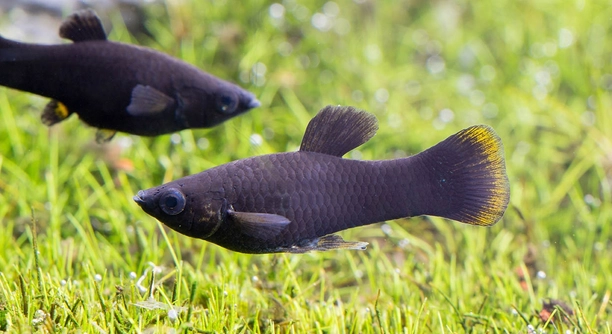
Black Molly Fry is known for her calm and gentle nature, but even the most composed personalities can face moments of surprise. Certain events or changes can trigger unexpected reactions that reveal a more sensitive side.
Black Molly Fry can be shocked by sudden loud noises, drastic changes in her environment, unfamiliar animals, unusual foods, unexpected handling, abrupt movements, and extreme temperature shifts. These triggers often provoke stress responses and heightened alertness.
Recognizing these triggers can help maintain her comfort and well-being, ensuring a smoother and calmer experience in daily life and interactions.
Sudden Loud Noises
Black Molly Fry reacts strongly to sudden loud noises. Things like dropping dishes, a slamming door, or even a raised voice can startle her. She may freeze, dart away, or swim frantically. Her reactions are not overdramatic; they are instinctive. Over time, repeated exposure to these loud sounds can make her wary, even in spaces she normally feels safe. Observing her closely after a loud noise is important. Sometimes she may hide for several minutes before resuming normal behavior. Providing a calm and quiet environment can reduce these stress responses. Even background noises, such as music or a television, can occasionally trigger her if they suddenly increase in volume. Monitoring these triggers helps maintain her sense of security. It also allows you to adjust her surroundings to prevent unnecessary stress. Small changes, like softening the impact of household noises, can make a noticeable difference in her comfort.
Avoiding sudden loud noises helps Black Molly Fry maintain a relaxed and secure environment, reducing stress-related behaviors significantly.
Keeping track of specific sounds that provoke her allows you to anticipate reactions. Gradually introducing minor noises in a controlled manner can help her build tolerance without overwhelming her. Over time, she may become less reactive, but sensitivity should always be respected. Careful observation ensures that her environment remains safe, comfortable, and predictable.
Unfamiliar Animals
Unfamiliar animals can make Black Molly Fry very cautious. Even small or calm animals can trigger defensive or startled responses if she is not used to them.
Introducing new animals slowly is essential. Start by keeping them in separate spaces, allowing Black Molly Fry to observe from a distance. Gradually, she can become accustomed to their presence without feeling threatened. Rapid or forced interaction often increases anxiety and stress, potentially affecting her behavior long-term. Each animal has its own scent, sound, and movement style, which may be overwhelming at first. Providing hiding spots and clear boundaries can help her feel safe during these initial encounters. Positive reinforcement, such as calm tones or gentle handling, encourages confidence and reduces fear responses. Patience is key; some animals may take days or weeks to acclimate, and forcing interaction can have negative effects. Understanding her limits allows her to explore her surroundings and new companions safely. Creating a predictable routine around these introductions further supports her comfort and reduces the likelihood of shock responses.
Drastic Changes in Environment
Sudden changes in Black Molly Fry’s environment can unsettle her. Moving her tank, rearranging decorations, or changing lighting abruptly often triggers stress responses, making her hide or swim nervously. Consistency helps her feel safe and reduces these reactions.
Gradually introducing environmental changes is important for her well-being. Even minor adjustments, like shifting a plant or adding new decorations, can feel overwhelming if done all at once. She relies on familiar surroundings to feel secure, so pacing changes allows her to adapt without panic. Observing her reactions helps gauge whether adjustments are too quick or stressful. Providing stable routines, consistent feeding areas, and predictable tank conditions builds trust and comfort. Small steps, repeated carefully, help her navigate her environment confidently.
Keeping a record of her reactions to environmental changes can be useful. If she consistently reacts negatively to certain adjustments, it may indicate sensitivity to specific factors like lighting or current flow. Paying attention to these patterns ensures her tank remains a safe and supportive space. Gradual modifications and consistent observation prevent unnecessary stress and allow her to enjoy her surroundings comfortably. Over time, she may accept new elements more easily, but patience is key.
Unusual Foods
Introducing new foods too quickly can shock Black Molly Fry. Sudden changes in diet may cause hesitation, refusal, or stress.
She adjusts better when new foods are added slowly alongside familiar items. Combining small portions of unfamiliar foods with those she already accepts helps her taste and recognize them without feeling threatened. Variety is important, but abrupt changes often lead to rejection or stress, affecting her overall appetite. Monitoring her response ensures she receives proper nutrition without discomfort. Gradual exposure allows her to explore different textures and flavors safely. Over time, she can expand her diet confidently without sudden shock or distress.
Unexpected Handling
Black Molly Fry can be startled by sudden or rough handling. Quick movements or lifting her without warning often make her dart or hide, showing signs of stress.
Gentle and predictable handling is essential. Always approach slowly, supporting her body carefully. Over time, she may become more comfortable, but abrupt actions should be avoided to prevent shock and anxiety.
Abrupt Movements
Abrupt movements near her tank can trigger defensive reactions. Even simple gestures like waving hands quickly or leaning over suddenly may startle her. Observing her cues helps maintain a calm atmosphere and reduces unnecessary stress.
Extreme Temperature Shifts
Sudden changes in water temperature can shock Black Molly Fry. She is sensitive to rapid cooling or heating, which may cause lethargy, stress, or erratic swimming. Maintaining stable, consistent water conditions ensures her comfort and health.
What should I do if Black Molly Fry is startled by a loud noise?
If she gets startled, remain calm and avoid making sudden movements yourself. Allow her to retreat to a hiding spot if needed. Keeping the area quiet for a while helps her feel safe. Over time, exposure to consistent, gentle noises may reduce her sensitivity.
How can I help her adjust to new animals?
Introduce new animals slowly and from a distance. Avoid forcing interaction. Let her observe them behind a barrier first. Gradual exposure allows her to feel secure while learning the presence of others. Provide hiding spots and maintain her regular routine to reduce stress.
What’s the best way to manage environmental changes in her tank?
Small, gradual changes work best. Rearrange decorations or add new plants slowly. Avoid moving the tank or altering the layout suddenly. Monitor her behavior for signs of stress, like hiding or erratic swimming. Keeping the environment predictable helps her feel safe.
How should I introduce new foods to her diet?
Add unfamiliar foods gradually alongside familiar items. Mix small portions so she can explore without feeling threatened. Watch her reactions and avoid forcing her to eat. Gradual exposure helps expand her diet without causing anxiety or rejection.
Can abrupt handling harm her?
Yes, sudden or rough handling can stress her. Approach slowly, support her body carefully, and avoid quick movements. Consistent gentle handling helps her feel comfortable and reduces the likelihood of panic or injury.
What signs show she’s stressed by temperature changes?
Lethargy, erratic swimming, and hiding are common signs. Extreme shifts in water temperature can shock her system. Maintaining stable, moderate water conditions ensures she stays healthy and comfortable. Adjust gradually if temperature changes are needed.
How can I prevent future shocks for Black Molly Fry?
Observe her reactions closely to understand her sensitivities. Keep routines predictable, make changes gradually, and provide hiding spaces. Gentle handling, careful introductions to new animals, and stable water conditions all contribute to a calmer, more secure environment.
What’s the role of observation in her daily care?
Regular observation is essential. It helps identify stress triggers, monitor reactions to new foods or changes, and maintain her well-being. Paying attention to small details allows adjustments before stress becomes severe, keeping her comfortable and safe.
How long does it take for her to adapt to new stimuli?
Adaptation time varies. Some changes may be accepted in days, while others take weeks. Patience and gradual exposure are key. Respecting her limits ensures she adjusts without unnecessary stress and builds confidence in her surroundings.
Are there ways to reduce stress from unexpected events?
Minimize sudden noises, avoid abrupt movements, and keep her environment consistent. Providing hiding spots and maintaining predictable routines also helps. Gradual, controlled introductions to new stimuli allow her to explore safely without overwhelming stress.
Can repeated shocks affect her long-term health?
Yes, frequent stress can impact her immune system, appetite, and behavior. Preventing repeated shocks through careful observation and gentle routines supports her long-term physical and emotional health, allowing her to thrive in her environment.
What is the best approach to building trust with Black Molly Fry?
Consistency and patience are key. Gentle handling, predictable routines, and gradual exposure to new experiences build trust. Observing her cues, offering stable surroundings, and avoiding sudden surprises help her feel secure, creating a calm, trusting bond over time.
How do I know which triggers are most significant?
Pay attention to her immediate reactions: darting, hiding, or erratic swimming often indicate strong sensitivity. Keeping a log of incidents helps identify patterns. This information allows targeted adjustments to her care and environment, reducing stress effectively.
Is there a way to safely expand her experiences without causing shock?
Yes, introduce new experiences slowly and in controlled settings. Start with minor changes or brief exposures. Observe her comfort level and provide hiding spots. Gradually increase exposure only when she remains calm, ensuring her confidence grows without overwhelming stress.
How do hiding spots help reduce shock?
Hiding spots give her control and a sense of security. She can retreat when startled, which reduces stress and prevents prolonged panic. Providing multiple safe areas throughout her tank ensures she always has options for comfort and privacy.
What role does water quality play in preventing stress?
Stable and clean water supports her overall health and reduces stress. Poor water conditions can make her more sensitive to changes or disturbances. Maintaining consistent temperature, filtration, and cleanliness prevents shock and promotes well-being.
Can she become accustomed to minor stresses over time?
Yes, gradual exposure to minor, controlled stresses can increase tolerance. The key is slow introduction, consistent observation, and ensuring she can retreat when needed. Over time, this approach can help her remain calm during otherwise startling events.
How should I react if she shows extreme stress?
Do not force interaction or remove her abruptly. Provide quiet, safe spaces and avoid sudden movements. Calmly monitor her until she resumes normal behavior. Reacting calmly helps prevent escalation and signals a safe environment.
Are there common mistakes to avoid when caring for her sensitivities?
Rushing introductions, making sudden changes, or handling her roughly are major mistakes. Ignoring signs of stress can worsen reactions. Consistency, patience, and gradual exposure are essential to prevent unnecessary shock and maintain her comfort.
How can I balance her need for stimulation with her sensitivity?
Offer new experiences slowly and in small doses. Use familiar routines as a foundation while introducing minor changes. Observation ensures she isn’t overwhelmed. This balance keeps her environment engaging without causing unnecessary stress, supporting both mental stimulation and emotional security.
What small adjustments have the biggest impact on reducing shock?
Gentle handling, consistent feeding schedules, gradual environmental changes, and providing hiding spots all make a noticeable difference. Even minor adjustments like softening loud noises or spacing out new introductions help maintain a calm and secure environment.
Black Molly Fry is a delicate and sensitive creature who reacts strongly to her surroundings. Even small changes in her environment, handling, or diet can startle her, and understanding these triggers is important for her comfort. Loud noises, abrupt movements, and sudden introductions to new animals or foods often cause her to hide or swim erratically. Observing her behavior closely allows you to notice these reactions early and take steps to reduce stress. Over time, these careful adjustments help her feel more secure and confident in her tank. Maintaining a consistent environment, predictable routines, and gentle handling forms the foundation of her well-being.
Her sensitivity also shows how adaptable she can be when changes are introduced gradually. Small steps, like adding new foods slowly or letting her watch new animals from a distance, allow her to adjust without panic. Even rearranging tank decorations should be done in stages to avoid overwhelming her. Providing hiding spots throughout the tank gives her control over her environment, letting her retreat whenever she feels uneasy. Gradual exposure paired with patience builds her confidence and reduces the likelihood of repeated shock responses. Consistency and observation are key because they ensure that any change or addition to her environment does not result in unnecessary stress. By paying attention to her cues and responding calmly, her trust and comfort can grow steadily.
Long-term care for Black Molly Fry requires balance between stability and gentle enrichment. While she needs a calm and predictable environment, she also benefits from new experiences when introduced thoughtfully. Monitoring her reactions allows you to find the right pace for changes, ensuring she can explore without feeling threatened. Water quality, temperature stability, and a quiet environment all contribute to reducing stress. Over time, these practices help her maintain physical health, emotional security, and confidence in her surroundings. Thoughtful care not only minimizes shock but also encourages natural, healthy behavior, making her daily life more comfortable and enjoyable. Patience, consistency, and awareness of her sensitivities create the safest and most supportive environment possible for Black Molly Fry.

Hello,
If you enjoy the content that we create, please consider saying a "Thank You!" by leaving a tip.
Every little bit helps us continue crafting quality advice that supports the health, happiness, and well-being of pets around the world, for pets of all shapes, sizes, and species.
We really appreciate the kindness and support that you show us!