
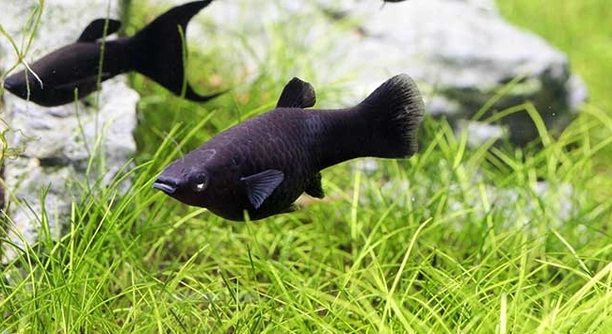
Is your black molly constantly scraping against decorations in your aquarium? Observing this behavior can be concerning for many fish owners, as it may indicate underlying health or environmental issues affecting your pet’s comfort and wellbeing.
Black mollies often scrape against decor due to irritation caused by parasites, poor water quality, or physical discomfort. This behavior can also be linked to stress or aggression, and addressing these factors promptly ensures the fish’s health and reduces repeated scraping.
Understanding the reasons behind this behavior will help you take appropriate measures for a healthier aquarium environment and a happier fish. Proper care and observation are essential for long-term wellbeing.
Common Causes of Black Molly Scraping
Black mollies may scrape against tank decor for several reasons. One common factor is poor water quality. High levels of ammonia or nitrites can irritate their skin and fins, leading to scratching behavior. Another reason is parasites, such as ich or flukes, which attach to the fish’s body and create discomfort. Stress also plays a role; overcrowded tanks, aggressive tank mates, or sudden changes in environment can trigger this behavior. Physical injuries or sharp objects in the tank may cause accidental scraping, while nutritional deficiencies can weaken their scales and skin, making them more prone to irritation. Observing your molly’s behavior alongside water testing and visual inspections can help identify the specific cause. Acting promptly to correct water parameters, remove harmful objects, or treat parasites ensures your molly stays healthy and reduces repeated scraping incidents in the tank. Maintaining a clean and stable environment is key to preventing these issues.
Monitoring these conditions regularly can prevent long-term health problems and support your molly’s comfort.
Proper tank maintenance and observation are essential. Regular water testing, cleaning, and monitoring your fish’s behavior can quickly reveal signs of stress, illness, or irritation. Adjusting tank conditions, treating parasites, and ensuring appropriate diet all contribute to reducing scraping behavior and promoting a healthier, calmer environment.
How to Address the Behavior
Addressing black molly scraping starts with identifying the cause. Correcting water parameters, treating parasites, and reducing stress factors are immediate steps to improve comfort.
Once the underlying issue is identified, specific actions can help prevent scraping. For water quality, performing partial water changes, testing ammonia and nitrite levels, and adding a reliable filtration system will create a healthier environment. If parasites are present, use recommended medications and quarantine affected fish when necessary. Stress reduction can involve rearranging tank decor to create hiding spots, reducing aggressive tank mates, or ensuring adequate space for swimming. Nutrition also matters; providing a balanced diet rich in vitamins and minerals strengthens skin and scales, minimizing irritation. Observing behavior after each adjustment helps determine effectiveness. Patience is important, as mollies may continue scraping briefly while recovering. Maintaining these preventive measures long-term ensures ongoing health and comfort, creating a stable habitat where your black molly can thrive without unnecessary scraping.
Signs of Stress in Black Mollies
Scraping against decor is often accompanied by other stress indicators. These include faded coloration, clamped fins, rapid gill movement, or hiding more than usual. Observing these behaviors alongside scraping can help pinpoint environmental or health problems quickly.
Stress in black mollies can arise from multiple factors. Overcrowding, aggressive tank mates, or sudden changes in water temperature can significantly impact their behavior. Inadequate hiding spots or insufficient space for swimming increases tension, leading to repeated scraping or erratic movements. Even subtle shifts in pH or hardness can trigger discomfort. By carefully monitoring tank conditions, fish owners can recognize early signs and make necessary adjustments before stress escalates into illness. Maintaining a stable and well-structured environment supports the overall health and well-being of mollies.
Behavioral changes often appear gradually. A once-active molly may retreat to corners, avoid feeding, or show intermittent scraping. These patterns indicate underlying problems that require attention, such as parasites, diet deficiencies, or water instability. Quick intervention ensures your molly recovers faster and prevents permanent health effects. Regular observation and consistent tank management reduce recurring stress incidents.
Preventive Measures to Reduce Scraping
Providing a clean and stable tank environment minimizes scraping behavior. Regular water changes, balanced feeding, and appropriate tank mates are essential.
Maintaining water quality is critical. Testing ammonia, nitrite, and nitrate levels weekly, combined with consistent partial water changes, prevents irritants that provoke scraping. Proper filtration ensures toxins are removed efficiently. Providing hiding spots and avoiding overcrowding reduces tension among fish. A varied diet with sufficient nutrients strengthens scales and skin, lowering irritation risks. When introducing new fish or decor, gradual acclimation helps mollies adjust without stress. Observing behavior after each change allows prompt corrections, ensuring the tank remains a comfortable environment. These preventive measures protect both health and behavior.
Monitoring daily activity and tank conditions helps prevent scraping before it becomes severe. Regular checks allow early detection of stress or illness, supporting healthier, calmer mollies over time.
Water Quality Checks
Regular water testing is crucial for molly health. Ammonia, nitrite, and nitrate levels should be monitored closely to prevent irritation that causes scraping. Clean water reduces stress and supports overall wellbeing.
Using a reliable test kit weekly ensures accurate readings. Partial water changes remove toxins, while proper filtration maintains stability. Avoid overfeeding, as leftover food can decompose and affect water quality. Consistent monitoring keeps your tank safe and comfortable for black mollies, preventing repeated scraping behavior.
Treating Parasites
Parasites like ich or flukes irritate black mollies, leading to scraping. Prompt treatment is necessary to prevent further health issues.
Observation helps identify infected fish early. Look for white spots, frayed fins, or lethargy. Quarantining affected fish and following recommended medications effectively treat parasitic infections. Cleaning the tank thoroughly prevents recurrence and maintains a healthy environment for all inhabitants.
Diet and Nutrition
A balanced diet strengthens mollies’ skin and scales. High-quality flakes, vegetables, and occasional protein-rich treats support overall health and reduce irritation that causes scraping.
Tank Layout Adjustments
Providing hiding spots and smooth decorations reduces accidental scraping. Avoid sharp or rough surfaces to protect your molly’s fins and skin.
FAQ
Why is my black molly constantly scraping against decor?
Scraping often indicates irritation or stress. Common causes include poor water quality, parasites, aggressive tank mates, or sharp objects in the tank. Identifying the exact cause requires observing behavior, checking water parameters, and inspecting for signs of disease. Prompt action prevents injury and promotes comfort.
Can parasites really make my molly scrape so much?
Yes. Parasites such as ich, flukes, or external protozoa attach to the skin and fins, causing discomfort. Mollies may scrape against rocks, plants, or decorations to relieve irritation. Early detection, quarantine, and proper treatment are essential to prevent worsening infections and further scraping.
Could water conditions be the reason?
Absolutely. High ammonia, nitrite, or nitrate levels irritate the skin and gills, prompting scraping. Inconsistent pH or temperature fluctuations also stress fish. Regular testing, proper filtration, and consistent water changes help maintain a stable environment and reduce scraping incidents.
Does tank overcrowding affect this behavior?
Overcrowding creates stress, competition for space, and aggression among fish. Black mollies may scrape against decor to escape or assert territory. Ensuring appropriate stocking density, providing hiding spots, and reducing aggressive tank mates can prevent stress-induced scraping.
Is diet a factor in scraping?
Yes. Poor nutrition weakens scales and skin, making mollies more susceptible to irritation. A balanced diet with flakes, vegetables, and occasional protein-rich foods supports skin health. Nutritional improvements often reduce scraping caused by sensitivity or minor injuries.
Can stress alone cause scraping?
Stress from environmental changes, new tank additions, or sudden movement can trigger scraping. Even minor stressors affect sensitive mollies. Observing behavior closely, maintaining stable conditions, and offering hiding places help mollies feel secure, reducing unnecessary scraping.
Should I be worried about injury from scraping?
Repeated scraping can damage fins, scales, or skin, increasing the risk of infection. Minor injuries heal if the tank is clean, but persistent scraping should be addressed promptly to prevent lasting harm. Proper care and monitoring ensure recovery.
How do I know if my molly is sick or just stressed?
Look for additional signs such as faded color, clamped fins, lethargy, or loss of appetite. Stress usually appears alongside scraping without physical lesions, while disease often shows visible spots, swelling, or fin damage. Early identification allows targeted treatment and improves recovery chances.
Can rearranging the tank help stop scraping?
Yes. Providing smooth decorations, hiding spots, and enough swimming space reduces accidental scraping and stress. Avoid sharp or rough surfaces. Gradually changing tank layout allows mollies to adapt without additional stress. Observation after changes ensures adjustments are effective.
Is it normal for mollies to scrape occasionally?
Occasional rubbing is normal as they explore or clean themselves. However, frequent or persistent scraping signals irritation or discomfort. Regular monitoring, proper tank maintenance, and attention to diet and health help differentiate normal behavior from problematic scraping.
What should I do immediately if my molly starts scraping?
Check water quality first. Inspect for signs of parasites or injury. Remove sharp objects and ensure hiding places are available. Monitor closely, make gradual adjustments, and consider treatment if parasites or infection are suspected. Acting quickly reduces risk of further injury or stress.
Can black mollies fully recover from scraping behavior?
Yes. Addressing the underlying causes—whether parasites, water issues, stress, or diet—typically stops scraping. With consistent care, clean water, proper nutrition, and a safe tank layout, mollies can return to normal behavior and regain comfort over time.
How long does it take for scraping to stop after corrections?
Recovery depends on the cause. If water quality is corrected, behavior may improve within a few days. Parasite treatments or injury recovery can take one to two weeks. Monitoring daily ensures mollies are healing and prevents recurrence.
Are certain tank mates more likely to trigger scraping?
Aggressive or territorial species can stress mollies, leading to scraping. Peaceful, similarly sized fish reduce tension. Observing interactions and separating aggressive individuals helps maintain a calm environment and prevents stress-induced scraping.
Do black mollies prefer specific types of decorations?
They favor smooth surfaces and plants over sharp rocks or rough ornaments. Providing hiding places and open swimming areas creates a secure environment, minimizing accidental scraping and stress. Proper tank design supports both safety and natural behavior.
Can supplements improve skin health and reduce scraping?
Yes. Vitamins and minerals in high-quality flakes, vegetables, and occasional protein treats strengthen scales and skin. Supplementing diet with specific nutrients helps mollies resist irritation, recover from minor injuries, and reduce scraping over time.
How often should I check my tank to prevent scraping?
Daily observation of fish behavior and weekly water tests are ideal. Regular checks allow early detection of stress, water instability, or parasites, preventing scraping before it becomes a serious problem. Consistency ensures a healthy environment for black mollies.
Does tank size influence scraping behavior?
Smaller tanks can cause stress and overcrowding, prompting scraping. Adequate space for swimming, hiding, and social interactions is necessary. Larger, well-structured tanks reduce stress, prevent territorial disputes, and allow mollies to explore without irritation.
Are there long-term effects of repeated scraping?
Persistent scraping can lead to fin damage, scale loss, and increased susceptibility to infection. Addressing causes early prevents long-term harm. Healthy tank conditions and careful observation ensure mollies recover fully and maintain overall wellbeing.
Is it necessary to quarantine new fish to prevent scraping?
Yes. Quarantining new fish prevents introducing parasites or disease that can irritate existing mollies. Observing new arrivals for a few weeks before adding them to the main tank protects both behavior and health, reducing scraping incidents.
Can temperature changes trigger scraping?
Sudden shifts in temperature stress mollies, irritating skin and fins. Maintaining a stable temperature within species-specific ranges prevents discomfort and reduces scraping behavior. Gradual adjustments are important when changes are unavoidable.
Does molly age affect scraping behavior?
Younger fish may scrape more due to exploration or sensitivity. Older fish can develop weakened skin or scales, increasing irritation risk. Understanding age-related tendencies helps provide appropriate care, tank setup, and diet to reduce scraping across life stages.
How can I tell if scraping is caused by diet issues?
Look for signs like dull coloration, weakened scales, or slow growth. Improving nutrition often decreases scraping if diet deficiency was the cause. Offering a balanced, varied diet strengthens skin and reduces irritation over time.
Are there specific medications for scraping caused by parasites?
Yes. Ich, flukes, and other external parasites have recommended treatments. Following dosage instructions and quarantine protocols ensures effectiveness. Cleaning the tank after treatment prevents reinfection, allowing mollies to recover fully and stop scraping.
Can black mollies scrape without serious health issues?
Occasional scraping is normal for cleaning or exploration. Persistent or repeated scraping usually indicates irritation or stress. Observing patterns and addressing environmental or health factors helps distinguish harmless behavior from concerning issues.
What role does tank maintenance play in scraping prevention?
Consistent maintenance keeps water quality stable, reduces stress, and minimizes irritation. Cleaning the tank, performing water changes, and monitoring fish health are key steps in preventing scraping and ensuring a safe environment for black mollies.
Can molly behavior change suddenly and cause scraping?
Yes. Stress, illness, or environmental changes can trigger sudden scraping. Observing fish behavior daily helps catch changes early. Quick intervention prevents prolonged discomfort and supports recovery.
Is scraping more common in certain molly species?
Black mollies are sensitive to water quality and stress. While all mollies may scrape occasionally, black mollies can show this behavior more prominently when conditions are suboptimal. Tailoring care to their sensitivity reduces scraping incidents.
How do I prevent scraping after tank cleaning?
Ensure water parameters remain stable, avoid sudden temperature shifts, and rinse decorations thoroughly. Gradual reintroduction of fish reduces stress and accidental scraping after maintenance. Observing behavior for a few hours post-cleaning helps identify any lingering irritation.
Are there signs scraping has stopped due to treatment or care changes?
Fish appear calmer, fins are intact, and color is vibrant. They explore the tank normally without frequent rubbing. Consistent observation confirms that water, diet, or parasite treatments are effective, indicating a healthier, more comfortable environment.
Does lighting affect scraping behavior?
Harsh or sudden lighting can stress mollies. Gradual light transitions and moderate intensity reduce irritation and promote natural behavior, minimizing scraping caused by environmental stressors.
Can other diseases mimic scraping behavior?
Yes. Fungal or bacterial infections may cause rubbing or scraping as the fish attempts to relieve discomfort. Identifying the specific issue ensures appropriate treatment and prevents misdiagnosis.
Should I adjust feeding schedule to reduce scraping?
Yes. Overfeeding can degrade water quality, while underfeeding may weaken skin and scales. Balanced, timed feeding supports health, reduces irritation, and helps prevent scraping behavior.
Do seasonal changes affect scraping?
Sudden seasonal temperature or lighting shifts can stress mollies. Maintaining consistent tank conditions throughout the year helps prevent scraping linked to environmental fluctuations.
Is it normal for mollies to scrape at night?
Occasional nighttime scraping is normal during exploration or cleaning. Persistent nocturnal scraping often signals irritation, stress, or parasites and requires investigation.
Can tank mates calm scraping behavior?
Peaceful, non-aggressive fish reduce stress. Observing social dynamics ensures mollies feel safe, minimizing scraping caused by tension or competition. Aggressive species can worsen scraping and should be avoided.
Does scraping indicate molly is ready to breed?
Not usually. While active exploration occurs during mating behavior, frequent scraping primarily signals irritation, stress, or environmental issues rather than reproductive readiness.
How do I differentiate normal rubbing from harmful scraping?
Normal rubbing is occasional and gentle. Harmful scraping is frequent, vigorous, or accompanied by other stress or health signs. Monitoring behavior patterns helps identify when intervention is necessary.
Can mollies scrape due to boredom?
Yes. A lack of stimulation or decor may lead to repetitive rubbing. Providing plants, decorations, and swimming space keeps them engaged and reduces scraping caused by inactivity.
Does water hardness affect scraping?
Extremely soft or hard water can irritate skin and fins. Maintaining moderate, species-appropriate hardness supports comfort and reduces scraping behavior. Regular testing and adjustment prevent discomfort.
Can scraping cause permanent damage?
If persistent and untreated, scraping can damage fins, scales, and skin. Early intervention prevents lasting harm, allowing mollies to recover fully and maintain overall health.
Are there long-term habits to prevent scraping?
Consistent tank maintenance, proper diet, stable water conditions, and stress reduction are key. Observing behavior and adjusting care routines prevent recurrence and ensure mollies remain healthy and comfortable.
Is scraping more likely in newly introduced fish?
Yes. New fish may explore or react to unfamiliar surroundings. Gradual acclimation, quarantine, and careful monitoring reduce stress and prevent scraping during the adjustment period.
Can temperature, pH, and hardness all affect scraping at once?
Yes. Multiple unstable parameters amplify irritation. Maintaining consistent, balanced conditions for temperature, pH, and hardness is crucial for comfort and minimizing scraping behavior.
How important is observation in preventing scraping?
Daily observation is vital. Early detection of stress, parasites, or environmental changes allows immediate action, reducing scraping and supporting molly health. Awareness ensures quick intervention and long-term wellbeing.
Should I replace decorations if scraping persists?
Yes. Rough or sharp surfaces can cause accidental injury. Smooth, safe decorations and proper spacing reduce scraping risk and promote a secure environment for black mollies.
Can stress from other fish cause scraping indirectly?
Yes. Aggressive or overly active tank mates create tension, leading to scraping as mollies seek relief or space. Adjusting tank dynamics improves comfort and reduces repetitive scraping behavior.
Are there signs that scraping is no longer a concern?
Mollies explore freely, maintain vibrant color, and show normal swimming patterns without frequent rubbing. Consistent calm behavior indicates that environmental or health issues have been resolved.
Is quarantine necessary for all new tank decorations?
Not always, but rinsing and soaking decorations removes debris, chemicals, or pests. This prevents irritation or infections that could trigger scraping in sensitive mollies.
Do mollies scrape more in planted or bare tanks?
Planted tanks provide hiding spots and stimulation, reducing stress-induced scraping. Bare tanks can lead to boredom or territorial disputes, increasing rubbing behavior. Balanced decor supports both exploration and comfort.
Can water changes trigger temporary scraping?
Yes. Sudden changes in temperature or water chemistry may stress mollies, causing short-term scraping. Gradual changes and careful monitoring minimize discomfort and maintain stability.
Are there environmental cues that help mollies stop scraping?
Stable water parameters, smooth surfaces, hiding spots, and calm tank mates reduce irritation. Consistency in diet and maintenance further supports comfort and minimizes scraping incidents.
Does molly size affect scraping frequency?
Larger mollies may scrape more due to spatial needs or territorial behavior, while smaller mollies are sensitive to irritation. Proper tank size and layout accommodate both size ranges, reducing scraping risks.
Can seasonal light schedules reduce scraping?
Gradual light transitions mimic natural conditions, lowering stress. Consistent lighting reduces irritation and behavioral scraping triggered by sudden brightness changes.
How does stress recovery influence scraping cessation?
Reducing stress allows mollies to stop scraping gradually. Stable water, adequate hiding spots, and balanced diet all support recovery and prevent recurrence.
Is frequent observation enough to prevent scraping?
Observation alone is not enough. It must be combined with proper maintenance, diet, tank layout, and care. Awareness allows early intervention but preventive measures ensure long-term comfort and health.
Can scraping behavior return after treatment?
Yes. If water conditions, diet, or stress factors are not maintained, scraping may recur. Continuous monitoring and preventive care are essential to avoid repeated irritation and injury.
Does molly temperament affect scraping?
Individual temperament can influence sensitivity to stress or irritation. Some mollies may scrape more under minor discomfort, while others tolerate conditions better. Adjusting tank dynamics and monitoring behavior helps manage scraping based on personality differences.
Are there specific signs to watch for during recovery from scraping?
Look for normalized swimming, intact fins, vibrant color, and reduced rubbing. Gradual improvement over days or weeks indicates recovery is progressing. Consistent observation ensures mollies remain comfortable and healthy.
Can tank size, mate selection, and water quality together prevent scraping?
Yes. Adequate space, peaceful tank mates, and stable water create a low-stress environment. Together, these factors significantly reduce scraping and support overall molly wellbeing.
Is preventive care more effective than reactive treatment?
Yes. Maintaining stable water, proper diet, stress-free conditions, and regular observation prevents scraping before it starts. Proactive care ensures healthier mollies and reduces the need for corrective interventions.
How does molly behavior indicate the success of preventive measures?
Calm swimming, minimal rubbing, and active exploration show that water quality, diet, and tank conditions are effective. Observing consistent, stress-free behavior confirms that preventive care is working.
Can scraping ever indicate a positive behavior?
Occasional light rubbing against smooth surfaces is normal self-cleaning behavior. Persistent or vigorous scraping, however, signals irritation, stress, or environmental issues that need attention.
How do I maintain long-term prevention of scraping?
Regular water testing, careful monitoring of behavior, balanced diet, adequate tank size, peaceful mates, smooth decorations, and gradual environmental changes all contribute to long-term prevention. Consistency is key for ongoing molly health and comfort.
What’s the first step if scraping begins suddenly?
Check water quality immediately, inspect for parasites or injury, and ensure tank layout is safe. Prompt action prevents escalation and protects your molly’s health.
Can cleaning or water treatment stress mollies?
Yes. Sudden changes in water chemistry or handling during cleaning can stress fish, leading to temporary scraping. Gradual adjustments and careful procedures minimize this risk.
Are frequent partial water changes better than occasional large ones?
Yes. Regular, moderate changes maintain stable water parameters, reducing irritation and preventing scraping caused by sudden chemical shifts. This approach supports both health and comfort.
Do hiding places really reduce scraping?
Yes. Hiding spots reduce stress and provide refuge from aggressive tank mates. A secure environment prevents excessive rubbing and promotes normal behavior.
Can tank temperature fluctuations worsen scraping even with good diet and water?
Yes. Temperature instability stresses mollies regardless of other factors. Maintaining consistent, species-appropriate temperatures is essential for minimizing scraping and supporting overall wellbeing.
Is scraping more common during molly growth phases?
Young mollies may scrape more while exploring, and older ones may scrape if skin or scales weaken. Observing behavior relative to age helps provide appropriate care.
Does observing fish closely help in all cases?
Close observation identifies early signs of irritation, stress, or illness. It allows timely intervention and confirms the effectiveness of treatment or preventive measures, reducing scraping incidents.
Can mollies stop scraping naturally without intervention?
Occasional light rubbing may stop naturally. Persistent or frequent scraping requires intervention to address underlying issues. Natural cessation occurs only when causes like irritation or stress are resolved.
Is quarantine essential for all health issues that cause scraping?
Not always, but it is recommended for contagious parasites or disease. Quarantine prevents spread, allows targeted treatment, and protects tank stability, reducing scraping risks.
How do I know if scraping is completely resolved?
Mollies swim calmly, fins are intact, coloration is healthy, and rubbing is minimal. Regular observation over several days ensures that scraping behavior has fully ceased and health is stable.
Does tank location or lighting impact scraping?
Placement near drafts, direct sunlight, or fluctuating light can stress mollies. Stable, moderate lighting and proper tank positioning minimize environmental stressors that trigger scraping.
Are behavioral cues enough to identify causes?
Behavioral cues help, but they must be combined with water testing, health inspection, and environmental assessment to accurately identify scraping causes. Observing patterns alongside conditions gives a full picture.
Can scraping behavior indicate multiple underlying issues?
Yes. Water quality, parasites, diet, stress, and tank layout can all contribute simultaneously. Addressing each factor ensures effective resolution and prevents recurrence.
Do all black mollies respond the same way to irritation?
No. Individual sensitivity varies. Some mollies may scrape lightly, others vigorously. Adjusting care based on each fish’s behavior ensures comfort and reduces injury.
Are frequent check-ins necessary after treatment?
Yes. Observing behavior, water quality, and tank conditions daily ensures treatments are effective, and any recurrence is caught early, maintaining molly health and comfort.
Can scratching or scraping indicate hidden health issues?
Persistent scraping may reveal internal stress, minor infections, or early-stage parasites. Attention to behavior and early treatment prevents escalation and promotes long-term wellbeing.
How long should monitoring continue after scraping stops?
Black mollies scraping against decorations can be alarming, but understanding the causes helps address the issue effectively. Scraping is often a sign of irritation, stress, or environmental discomfort rather than a purely behavioral habit. Common triggers include poor water quality, parasites, overcrowding, sudden changes in temperature or pH, and sharp or rough surfaces in the tank. Even dietary deficiencies can make mollies more sensitive, causing them to scrape more frequently. By observing your fish carefully and monitoring tank conditions, you can identify the source of discomfort and take steps to correct it. This approach ensures that the fish’s health and wellbeing are maintained, preventing more serious problems from developing over time.
Maintaining a stable and clean tank environment is essential for reducing scraping behavior. Regular water testing for ammonia, nitrites, nitrates, and pH levels helps catch issues before they affect the fish. Performing consistent partial water changes and keeping a reliable filtration system in place removes toxins that can irritate mollies. Providing smooth decorations and adequate hiding spots reduces accidental scraping while minimizing stress. Proper tank mates and sufficient swimming space also contribute to a calmer environment. Alongside environmental care, a balanced diet strengthens scales and skin, helping mollies resist minor irritations. Paying attention to all these factors in combination creates a safe and comfortable space where your mollies are less likely to scrape excessively.
Scraping can often be resolved with consistent care and monitoring. When issues such as parasites or water quality problems are corrected, mollies generally return to normal behavior over time. Observation remains important even after improvements, as it ensures that conditions remain stable and any recurring problems are addressed quickly. While occasional rubbing is natural and harmless, persistent scraping signals that intervention is needed. By focusing on water quality, tank layout, diet, and stress reduction, you provide the best environment for black mollies to thrive. Proper attention to their needs promotes overall health, reduces irritation, and allows mollies to swim freely without discomfort, making your aquarium a more harmonious and stable habitat for all its inhabitants.

Hello,
If you enjoy the content that we create, please consider saying a "Thank You!" by leaving a tip.
Every little bit helps us continue crafting quality advice that supports the health, happiness, and well-being of pets around the world, for pets of all shapes, sizes, and species.
We really appreciate the kindness and support that you show us!