
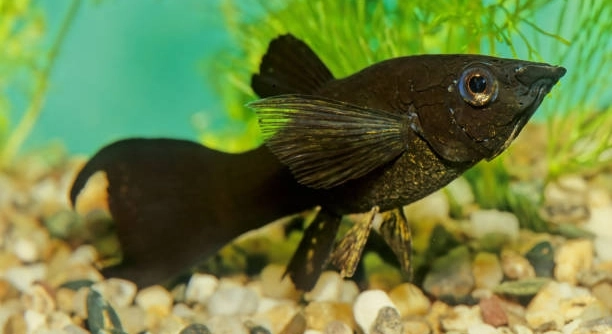
Are your black molly fish spending most of their time near the bottom of the tank? Observing their behavior can reveal important details about water conditions, feeding habits, and overall tank environment that affect their comfort and health.
Black mollies often gather near the bottom due to suboptimal water parameters, low oxygen levels, or stress. This behavior can indicate issues such as poor filtration, unsuitable temperature, or lack of adequate swimming space, which require immediate attention for proper fish health.
Monitoring tank conditions closely can help address these underlying issues and improve your mollies’ wellbeing. Understanding the reasons behind their behavior ensures a healthier and more balanced aquarium environment.
Understanding Water Quality
Poor water quality is one of the main reasons black mollies stay near the bottom. Ammonia, nitrite, and nitrate levels need constant monitoring, as high concentrations can cause stress. Temperature fluctuations also play a role, as black mollies thrive in stable, slightly warm water. Adequate filtration is essential to maintain clean water and proper oxygenation. Decorations and plants should allow swimming space while providing shelter, as overcrowded tanks increase stress. Regular water changes reduce toxin buildup and help mollies feel secure. Observing behavior after water adjustments can confirm if conditions are improving. Avoid sudden changes, as abrupt shifts in pH or temperature can worsen their discomfort. Keeping consistent routines for feeding and maintenance supports healthier activity levels. Even minor changes in water chemistry can influence where mollies spend their time. Tracking patterns helps prevent long-term health problems. Overall, maintaining optimal water quality is key for bottom-dwelling behavior correction and their general wellbeing.
Monitoring water closely ensures your mollies have a stable, comfortable environment to explore the tank fully and reduce stress.
Adjusting water parameters gradually while maintaining regular cleaning can dramatically improve black mollies’ activity. Providing a balance of open swimming space, hiding spots, and clean, oxygen-rich water encourages them to spread throughout the tank. Careful observation combined with small, consistent changes helps mollies regain confidence and normal swimming patterns, reducing bottom-dwelling behavior. Incorporating plants or decorations for shelter without overcrowding gives them security while encouraging movement. Temperature consistency and proper filtration prevent oxygen depletion, making the tank more inviting. Feeding schedules and diet quality also influence activity; overfeeding or poor nutrition can make mollies sluggish. By monitoring their response to each adjustment, you can fine-tune conditions for a healthier tank. Black mollies are sensitive to environmental stress, and correcting these factors not only improves swimming behavior but also strengthens immunity and overall vitality. Small, consistent steps make the biggest difference in encouraging active, happy fish.
Diet and Feeding Habits
Improper diet can contribute to bottom-dwelling behavior, especially if mollies are overfed or lack essential nutrients. Feeding smaller, balanced portions promotes energy and activity throughout the tank.
Providing a varied diet that includes high-quality flakes, frozen foods, and occasional live options ensures black mollies receive proper nutrition. Overfeeding causes uneaten food to decay, affecting water quality and oxygen levels, which can further encourage bottom-dwelling. Feeding frequency and portion size should match tank population and fish size. Observing how mollies respond to different foods helps identify preferences and energy levels. Incorporating vegetable matter such as blanched spinach or zucchini supports digestive health. Ensuring access to food without competition reduces stress and encourages more active swimming. Consistency in feeding times can train mollies to be more active at certain periods. Poor nutrition combined with environmental stress often leads to lethargy and unusual positioning. Attention to dietary needs, along with water quality management, is crucial for promoting a healthier, more active tank. Regularly rotating foods and monitoring consumption helps maintain balanced nutrition while supporting normal behavior patterns.
Tank Environment
Tank size and layout directly affect black molly behavior. Overcrowded tanks limit swimming space, causing mollies to spend more time at the bottom. Proper decoration and plant placement allow hiding without restricting movement.
Providing open swimming areas while incorporating plants or rocks for shelter creates balance. Black mollies need both security and freedom to explore. Crowded tanks increase stress and encourage bottom-dwelling. Even subtle changes, like rearranging decorations, can influence how mollies use the space. Observing their movement patterns after adjustments helps determine if the environment is suitable. Filtration placement matters too; strong currents can push them down, while stagnant areas may become uninviting. By arranging the tank thoughtfully, mollies feel safer and more active.
Lighting also plays a role in activity. Bright, consistent lighting encourages natural swimming patterns, while dim or uneven light can cause them to stay near the bottom. Combining proper lighting with a well-planned layout promotes healthier, more balanced behavior.
Social Behavior
Black mollies are social fish, and interactions influence tank positioning. Aggression or dominance from other fish can force some to retreat to the bottom to avoid confrontation.
Mollies thrive in groups with compatible companions. Introducing more compatible fish or separating aggressive individuals reduces stress and encourages normal activity. Observing group dynamics is key to identifying which fish cause anxiety or are bullied. Providing adequate hiding spots allows subordinate fish to feel safe without completely limiting movement. Social stress often leads to lethargy, poor appetite, and bottom-dwelling behavior. Maintaining a peaceful community improves overall wellbeing and encourages natural swimming. Properly spacing feeding areas also minimizes competition, reducing conflict and ensuring every fish receives enough nutrition.
Group behavior impacts more than stress; it can affect feeding and energy levels. Ensuring the tank has a balanced mix of males and females, and monitoring social interactions daily, allows black mollies to remain active. Well-planned social arrangements combined with environmental adjustments help mollies explore all levels of the tank, rather than staying at the bottom, improving health and vitality.
Oxygen Levels
Low oxygen in the tank can make black mollies stay near the bottom where water movement is minimal. Proper aeration and circulation help maintain healthy oxygen levels for active swimming.
Adding an air stone or adjusting filter flow improves oxygen distribution. Mollies respond quickly to better aeration, often moving to higher water levels.
Stress Factors
Sudden changes in water temperature, loud vibrations, or frequent handling can stress black mollies. Stress reduces activity and encourages bottom-dwelling.
Minimizing disturbances, maintaining stable conditions, and avoiding overcrowding help mollies feel secure. Calm, consistent care supports healthier behavior and increases overall activity in the tank.
Disease and Health Issues
Illness or parasites often cause lethargy and bottom-dwelling. Early detection and treatment are essential for recovery.
FAQ
Why are my black mollies staying at the bottom all the time?
Black mollies stay at the bottom mainly due to stress, poor water quality, low oxygen, or illness. Environmental factors like overcrowding, improper temperature, or insufficient hiding spaces also make them seek the bottom. Observing behavior alongside tank conditions can help pinpoint the cause.
Can poor water conditions make black mollies behave differently?
Yes. High ammonia, nitrite, or nitrate levels, sudden pH changes, and improper temperature affect their health. Mollies respond by hiding or staying at lower tank levels. Regular water testing, proper filtration, and consistent water changes prevent these problems and support active swimming.
Does tank size impact bottom-dwelling behavior?
Absolutely. Overcrowded tanks reduce swimming space and increase stress, pushing mollies toward the bottom. Properly sized tanks with open areas and shelter allow natural movement. Rearranging plants and decorations can make a big difference in activity levels.
Can diet affect where black mollies swim?
Yes. Poor nutrition or overfeeding leads to sluggish behavior. Feeding smaller, balanced portions, including vegetables, high-quality flakes, and occasional live food, improves energy and encourages movement throughout the tank. Feeding routines also train them to be more active.
Do black mollies need companions to stay active?
Social dynamics affect behavior. Aggressive tank mates or overcrowding can force some mollies to stay at the bottom. Keeping compatible groups and providing hiding spots reduces stress. Monitoring interactions ensures all fish have space and safety, promoting normal swimming patterns.
How does oxygen level affect black mollies?
Low oxygen makes mollies stay near stagnant areas at the tank bottom. Proper aeration from air stones or adjusted filter flow improves oxygen distribution. Once oxygen levels rise, mollies tend to explore higher water levels and become more active.
Can stress cause black mollies to hide at the bottom?
Yes. Sudden temperature changes, loud vibrations, frequent handling, or overcrowding increase stress. Stress reduces activity and appetite, making mollies stay near the bottom. Stable conditions, gentle handling, and calm environments improve comfort and normal behavior.
How do I know if illness is causing bottom-dwelling?
Look for lethargy, loss of appetite, visible spots, clamped fins, or abnormal swimming patterns. Illness and parasites often manifest as persistent bottom-dwelling. Early detection and proper treatment prevent worsening and restore normal activity.
Will improving lighting help?
Consistent, bright lighting encourages natural swimming. Dim or uneven lighting can cause mollies to stay low. Combining good lighting with proper tank layout, oxygenation, and social management promotes healthier, more active behavior.
What is the first step to fix bottom-dwelling behavior?
Check water quality, temperature, and oxygen levels first. Ensure tank size and layout are suitable. Observe diet and social interactions. Gradually improving these factors allows mollies to explore all levels of the tank naturally.
Can rearranging decorations help?
Yes. Providing hiding spots while keeping open swimming areas reduces stress. Mollies need both shelter and freedom to move. Thoughtful placement of plants and rocks encourages exploration and reduces persistent bottom-dwelling behavior.
How long does it take for black mollies to start swimming normally?
It varies depending on the cause. After correcting water parameters, improving oxygen, and reducing stress, changes can be seen within days. Social adjustments or diet improvements may take a week or two. Patience and monitoring are key.
Should I separate aggressive fish?
Yes. Aggression can push submissive mollies to the bottom. Separating dominant fish or adding additional hiding spaces balances social interactions and allows all fish to swim freely.
Are there signs that indicate permanent issues?
Persistent lethargy, discoloration, and loss of appetite despite optimal conditions suggest serious health problems. Consulting a vet or experienced aquarist may be necessary to address long-term concerns and prevent further decline.
Can temperature fluctuations cause bottom-dwelling?
Yes. Black mollies prefer stable, slightly warm water. Sudden drops or spikes in temperature cause stress and reduce activity, making them stay near the bottom. Using a reliable heater and thermometer ensures consistent conditions.
Does feeding schedule matter?
Yes. Regular feeding encourages movement at specific times. Irregular feeding can cause stress and lethargy. Small, consistent portions promote energy, healthier swimming patterns, and reduce bottom-dwelling behavior.
What is the simplest way to encourage swimming?
Maintain stable water parameters, provide balanced nutrition, ensure proper tank size, add hiding spots without overcrowding, and reduce stress factors. Gradual improvements in these areas encourage black mollies to explore the entire tank.
Are black mollies more active at certain times?
Yes. They often become more active during daylight hours if lighting is consistent. Feeding schedules and stable tank conditions further influence activity, reducing bottom-dwelling tendencies.
Is frequent water change necessary?
Regular water changes prevent toxin buildup, maintain oxygen levels, and improve overall health. Changing 25-30% weekly is typically effective for black mollies, supporting movement and reducing stress-related bottom-dwelling.
Can black mollies recover fully from prolonged bottom-dwelling?
Yes, if underlying issues are corrected. Proper water quality, diet, oxygenation, social balance, and stress reduction restore activity levels. Continuous observation ensures adjustments are effective and supports long-term health.
How can I monitor behavior effectively?
Watch swimming patterns, feeding response, and social interactions daily. Note changes after adjustments to water, diet, or tank layout. Consistent observation helps identify issues early and confirms improvements in activity levels.
Does tank filtration affect behavior?
Strong currents may push mollies downward, while stagnant water can feel unsafe. Proper filter placement balances water flow, oxygenation, and safe areas, encouraging natural swimming and reducing bottom-dwelling behavior.
Can adding plants help?
Yes. Plants provide shelter and reduce stress, giving mollies safe spaces without restricting movement. A mix of open areas and hiding spots promotes activity and natural swimming behavior.
Should I worry about long-term bottom-dwelling?
Persistent bottom-dwelling signals environmental or health issues. Ignoring it can lead to stress, illness, and reduced lifespan. Addressing underlying causes promptly ensures healthier, more active fish.
How often should I check water parameters?
Testing ammonia, nitrite, nitrate, pH, and temperature at least weekly is recommended. Frequent monitoring prevents environmental stress, supports activity, and reduces bottom-dwelling behavior.
Can black mollies adapt to less-than-ideal conditions?
They may survive in suboptimal conditions, but activity and health decline. Long-term exposure to poor water, overcrowding, or stress increases risk of illness and persistent bottom-dwelling. Proper care is essential.
Does adding air stones make a difference?
Yes. Air stones increase oxygenation and water circulation, which encourages mollies to swim at higher levels. Combined with clean water and proper tank layout, this reduces bottom-dwelling behavior effectively.
How can I tell if stress is gone?
Fish become more active, explore mid and upper tank areas, feed normally, and interact with companions. Observing these changes confirms that adjustments are improving their environment and reducing bottom-dwelling tendencies.
Can I fix bottom-dwelling without changing the tank setup?
Minor improvements, like better feeding routines and oxygenation, may help, but full recovery often requires checking tank size, layout, and water quality. Comprehensive adjustments produce the most consistent results.
Does water hardness affect black mollies?
Yes. Mollies prefer moderately hard water. Incorrect hardness can stress them, reduce swimming activity, and promote bottom-dwelling. Regular testing and adjustment maintain optimal conditions for healthy behavior.
How important is consistency?
Very important. Consistent water quality, feeding schedules, temperature, and minimal disturbances reduce stress, prevent bottom-dwelling, and support long-term health. Sudden changes can reverse progress.
Are some black mollies naturally more timid?
Yes. Individual temperament varies. Timid mollies may stay at the bottom longer, especially if tank conditions or companions increase stress. Providing hiding spaces and gentle care encourages more confident swimming.
Can overcrowding alone cause this behavior?
Yes. Overcrowded tanks limit movement and increase stress, forcing mollies to stay at the bottom. Proper population management and tank sizing reduce bottom-dwelling and improve overall wellbeing.
Does tank maintenance frequency matter?
Yes. Regular cleaning and water changes prevent toxin buildup, improve oxygen levels, and reduce stress. Consistent maintenance encourages active swimming and reduces persistent bottom-dwelling.
How do I know if my interventions are working?
Observe swimming patterns, feeding response, and social interactions. Gradual improvement in activity and exploration of the full tank indicates interventions are effective and mollies are recovering from bottom-dwelling behavior.
Black mollies staying near the bottom of the tank often signal that something in their environment or health needs attention. Observing this behavior is the first step in understanding what may be affecting them. Factors such as water quality, temperature, oxygen levels, tank layout, and diet all play important roles in how active your mollies are. When any of these conditions are not ideal, mollies naturally spend more time at the bottom where they feel safer or less stressed. This behavior is a signal that adjustments are needed to create a healthier and more comfortable environment for them. Monitoring their daily habits and paying attention to subtle changes in behavior can provide important clues. The sooner these issues are addressed, the quicker mollies can return to normal, active swimming patterns, which is an indicator of good overall health.
Maintaining stable water conditions is critical for black mollies. Regular testing of ammonia, nitrite, nitrate, pH, and temperature ensures that their environment stays within safe ranges. Even minor fluctuations in these parameters can cause stress or lethargy. Consistent water changes, proper filtration, and adequate aeration help keep oxygen levels high and water clean. Tank size and layout also contribute to their comfort. Providing open areas for swimming and safe spots for hiding helps mollies feel secure while encouraging exploration of different tank levels. Overcrowding should be avoided, as it limits movement and increases stress, which in turn reinforces bottom-dwelling behavior. Small, gradual adjustments to the tank setup, such as adding plants or rearranging decorations, can make a significant difference in their activity and overall wellbeing.
Diet and social factors are equally important in supporting healthy, active mollies. Feeding a balanced diet that includes high-quality flakes, vegetables, and occasional live foods gives them the energy to swim throughout the tank. Overfeeding or poor nutrition can lead to sluggish behavior and increase bottom-dwelling tendencies. Social interactions among tank mates also affect behavior. Aggressive or dominant fish can push timid mollies to the bottom, so providing hiding spots and monitoring social dynamics is essential. By addressing environmental, dietary, and social factors, mollies are more likely to explore all levels of the tank, exhibit normal activity patterns, and maintain strong health. Consistent care and attention to these details will help ensure your black mollies thrive and remain active, happy, and stress-free.

Hello,
If you enjoy the content that we create, please consider saying a "Thank You!" by leaving a tip.
Every little bit helps us continue crafting quality advice that supports the health, happiness, and well-being of pets around the world, for pets of all shapes, sizes, and species.
We really appreciate the kindness and support that you show us!