
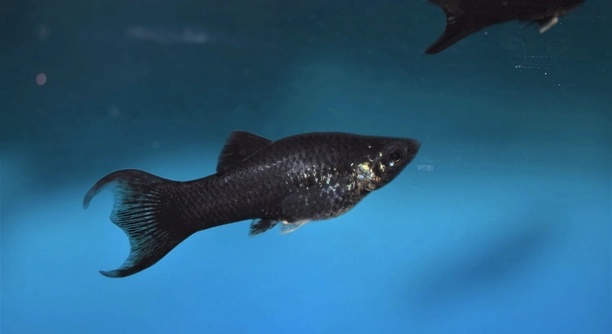
Many fish enthusiasts enjoy keeping black molly fish because of their striking color and active behavior. These fish are generally hardy, making them popular for both beginners and experienced aquarists in home tanks.
Black mollies can survive in unfiltered tanks if regular water changes are maintained and the tank is not overcrowded. However, filtration is highly recommended to support stable water conditions and overall fish health, especially in smaller or heavily stocked aquariums.
Proper care and observation can make a noticeable difference in how black mollies thrive and adapt in various tank setups.
Understanding Black Molly Needs
Black mollies are freshwater fish that can adjust to different tank conditions, but they still have basic needs. They require clean water, a steady temperature between 72 and 78°F, and a balanced diet. In an unfiltered tank, waste can build up quickly, which makes regular water changes essential. Feeding them high-quality flake or pellet food along with occasional vegetables helps them maintain good health. Live plants can improve water quality and provide hiding spots, which reduces stress. Black mollies are active swimmers, so a tank that allows them space to move freely is important. Without proper care, they may develop health issues like fin rot or stress-related diseases. Observing their behavior daily can help identify problems early. Although filtration is not mandatory, maintaining stable conditions in an unfiltered setup takes extra attention and consistency.
Regular partial water changes help black mollies stay healthy and reduce ammonia buildup in an unfiltered tank.
Keeping an unfiltered tank requires more effort, but it can work. Frequent water testing ensures pH and nitrate levels remain safe. Removing uneaten food promptly prevents toxins from accumulating. Overcrowding can quickly destabilize the water, so tank size matters. Live plants can assist in absorbing some waste. While black mollies tolerate variations, sudden changes in water conditions can harm them. Patience and observation are key to keeping them active and stress-free.
Water Maintenance in Unfiltered Tanks
Water changes are essential in unfiltered tanks to prevent toxic buildup.
Performing regular water changes in an unfiltered tank keeps black mollies healthy and supports stable water chemistry. Without a filter, ammonia and nitrate levels can rise quickly, which is harmful. Changing about 25-30% of the water weekly is often enough for lightly stocked tanks. Monitoring temperature and pH ensures a safe environment. Using dechlorinated water prevents chemical shocks that can stress the fish. Cleaning the substrate and removing debris also help maintain water clarity. While it may seem time-consuming, consistent care reduces the risk of disease and promotes growth. Over time, observing how your fish respond to these changes will guide adjustments, ensuring they remain vibrant and active. Regular maintenance fosters a healthier environment, even without mechanical filtration, allowing black mollies to thrive naturally. Proper planning and routine will make unfiltered tank care manageable.
Feeding Black Mollies in Unfiltered Tanks
Black mollies need a varied diet to stay healthy, even without a filter. Providing high-quality flakes, pellets, and occasional vegetables ensures they get essential nutrients and remain active in an unfiltered setup.
Feeding black mollies in an unfiltered tank requires care to prevent water problems. Uneaten food can quickly decompose, raising ammonia and nitrate levels. Smaller, frequent feedings reduce waste and help maintain water quality. Including blanched vegetables like zucchini or spinach provides fiber and supports digestion. Occasional live or frozen foods, such as brine shrimp, add protein and keep the fish stimulated. Observing how much they eat prevents overfeeding and keeps the tank cleaner. Consistency in feeding schedules also reduces stress and promotes growth, making the fish more resilient in unfiltered environments.
Maintaining water quality while feeding involves balancing nutrition and cleanliness. Removing leftovers promptly and monitoring fish behavior ensures a healthy tank. Overfeeding can cause cloudy water and harm fish, while careful portioning keeps black mollies thriving. Adding live plants can help absorb extra nutrients. By watching how the fish respond, adjustments can be made to prevent water quality issues. Even without a filter, disciplined feeding habits create a safe, stable environment where black mollies can grow, reproduce, and display their natural behaviors. Attention to both diet and water is crucial for long-term health.
Tank Size and Population Considerations
Smaller tanks are harder to manage without a filter, so keeping population low is important. Overcrowding leads to stress and faster water contamination.
Choosing the right tank size is critical for black mollies in an unfiltered setup. A minimum of 20 gallons is recommended for a small group, allowing space for swimming and social interaction. Overcrowding increases waste buildup and stress, making water changes more demanding. Fewer fish in a larger tank reduces the risk of disease and allows for more stable water parameters. Including plants and hiding spots supports natural behavior and provides security. Watching how fish interact can guide decisions about adding or removing individuals. Maintaining a balance between tank size and population ensures black mollies remain healthy and active without constant emergency maintenance.
Population control is essential to prevent rapid deterioration of water quality. Introducing too many mollies at once can overwhelm the ecosystem. Monitoring growth and removing excess fish when necessary keeps the tank manageable. Regular water testing informs decisions about changes or additions. Careful observation of behavior and coloration helps identify stress early. Plants, aeration, and minimal disturbance improve overall stability. Even in larger tanks, overstocking increases the need for frequent maintenance. Maintaining a healthy balance ensures long-term survival, reduces disease risk, and allows black mollies to flourish naturally without relying on mechanical filtration.
Water Temperature and Stability
Black mollies are sensitive to sudden changes in temperature. Keeping water consistently between 72 and 78°F helps them stay active and healthy in an unfiltered tank.
Using a reliable heater and thermometer ensures temperature fluctuations are minimal. Sudden drops or spikes can stress the fish and lead to illness.
Benefits of Live Plants
Live plants help maintain water quality in unfiltered tanks. They absorb nitrates, provide oxygen, and create hiding spots, which reduces stress for black mollies. Incorporating fast-growing plants like hornwort or java moss can naturally improve water conditions.
Monitoring Fish Health
Regular observation is key to spotting early signs of illness. Watch for changes in color, behavior, or appetite, as these indicate stress or water quality issues.
FAQ
Can black mollies survive without a filter?
Yes, black mollies can survive without a filter, but only if the tank is well-maintained. Regular partial water changes, careful feeding, and monitoring water quality are essential. Without these steps, ammonia and nitrate levels can rise, harming the fish. Plants can help, but they are not a complete replacement for filtration.
How often should I change water in an unfiltered tank?
Water should be changed at least 25-30% weekly in a lightly stocked unfiltered tank. In more densely populated tanks, more frequent changes may be needed. Removing uneaten food and cleaning the substrate during changes helps prevent waste buildup, keeping the water safer for black mollies.
What tank size is best for unfiltered black molly tanks?
A minimum of 20 gallons is recommended for a small group of black mollies. Larger tanks are easier to maintain because water parameters stay more stable. Overcrowding leads to stress, rapid water contamination, and increased risk of disease. Plants and hiding spots improve overall conditions.
Can black mollies eat normal fish flakes in an unfiltered tank?
Yes, high-quality flakes or pellets are fine, but portions must be controlled. Uneaten food decomposes quickly in unfiltered tanks, raising toxins. Supplementing with vegetables like spinach or zucchini provides fiber, while occasional live or frozen foods add protein and stimulation. Observing feeding behavior helps prevent overfeeding.
Do black mollies need live plants in an unfiltered tank?
Live plants are very helpful. They absorb some nitrates, provide hiding spots, and reduce stress. Fast-growing plants like hornwort, java moss, or duckweed are ideal. While plants do not replace water changes, they help maintain better water quality and create a more natural environment for the fish.
What are the signs of stress in black mollies?
Signs include faded colors, clamped fins, sluggish swimming, and loss of appetite. Rapid breathing or staying at the surface often indicates poor water quality. Observing these behaviors early allows corrective action, such as water changes or adjusting the tank environment.
Is aeration necessary in unfiltered tanks?
Aeration is recommended but not always mandatory. Black mollies breathe at the surface, but adding an air stone helps oxygenate water and improves circulation. This is especially useful in smaller tanks or in warmer temperatures when oxygen levels can drop faster.
How many black mollies can I keep in an unfiltered tank?
A safe ratio is about 1 inch of fish per gallon of water. Overcrowding increases waste quickly, making water management harder. Keeping fewer fish reduces stress and allows better control of water conditions, ensuring long-term health without relying on a filter.
Can unfiltered tanks support black molly breeding?
Yes, but careful monitoring is required. Fry are sensitive to water quality, so frequent partial water changes are essential. Dense plants provide hiding places for babies, reducing predation risk. Maintaining a stable, clean environment supports successful breeding without filtration.
How do I maintain stable pH in an unfiltered tank?
Regular testing is key. Adding crushed coral or limestone can buffer pH naturally. Avoid sudden changes, as black mollies prefer slightly alkaline water, around 7.5-8.0. Consistency in feeding and water changes prevents rapid pH swings, which are stressful or even fatal.
Can black mollies live long in an unfiltered tank?
They can, if care is consistent. Regular water changes, proper feeding, aeration, and plant support all contribute to longevity. Neglecting these aspects shortens life expectancy. Black mollies are resilient, but their health depends on a stable and clean environment even without a mechanical filter.
Are there common diseases in unfiltered black molly tanks?
Yes, poor water quality can lead to fin rot, ich, and fungal infections. Early detection is crucial. Clean water, adequate space, and careful feeding help prevent these issues. Sick fish should be isolated and treated promptly to avoid spreading disease in the tank.
How do I clean an unfiltered tank efficiently?
Use a siphon to remove debris from the substrate during water changes. Scrub algae from glass or decorations without using harsh chemicals. Consistent partial water changes keep the environment safe and reduce buildup of toxins, making maintenance manageable without a filter.
Do black mollies need hiding spots in an unfiltered tank?
Yes, hiding spots reduce stress. Plants, rocks, or decorations create safe areas where fish can retreat. This is especially important in unfiltered tanks where water conditions can fluctuate slightly. Providing cover helps black mollies feel secure and supports natural behaviors.
Can black mollies tolerate slight water fluctuations?
They are more tolerant than some fish but still need stable conditions. Small, gradual changes in temperature or pH are usually fine, but sudden shifts can stress or harm them. Consistency is key for unfiltered tanks to ensure their health and activity levels remain high.
Is it okay to keep other fish with black mollies in an unfiltered tank?
Yes, compatible species can cohabitate, but consider bioload. Avoid overcrowding, as more fish increase waste and water management challenges. Peaceful species like guppies or platies are good companions. Monitor behavior and water quality carefully to ensure all fish thrive.
How do I know if water quality is safe without a filter?
Testing regularly for ammonia, nitrite, nitrate, and pH is essential. Observing fish behavior and water clarity gives additional clues. Any signs of stress or illness indicate water issues. Prompt partial water changes and cleaning help maintain a safe environment without mechanical filtration.
Are there ways to naturally improve water quality in unfiltered tanks?
Yes, live plants, gravel vacuuming, and partial water changes all contribute. Adding beneficial bacteria can also help break down waste. Avoid overfeeding and overcrowding. These steps maintain cleaner water and reduce toxins, creating a stable environment suitable for black mollies.
Can black mollies adapt to unfiltered tanks long-term?
With careful management, they can adapt. Consistency in feeding, water changes, and monitoring ensures they stay healthy. Plants and hiding spots support natural behavior, while attention to water parameters prevents stress. Over time, black mollies can live full, active lives in well-maintained unfiltered tanks.
What is the main challenge of keeping black mollies in unfiltered tanks?
The biggest challenge is maintaining water quality. Without a filter, waste accumulates faster, requiring regular changes, careful feeding, and monitoring. Overcrowding or neglect can quickly lead to illness. Diligence and observation are necessary to keep the fish healthy and thriving.
Final Thoughts
Black mollies are resilient fish that can survive in unfiltered tanks, but their care requires consistency and attention. While they do not absolutely need a filter, maintaining a clean and stable environment is essential. Regular water changes, monitoring water parameters, and removing uneaten food are key steps to keep them healthy. Without these efforts, the tank can quickly become unsafe, and the fish may experience stress, illness, or even death. Observing their behavior closely helps you notice early signs of health problems. For example, faded colors, clamped fins, or unusual swimming patterns often indicate water quality issues. Acting promptly when these signs appear can prevent more serious complications and improve the overall well-being of your mollies.
In unfiltered tanks, tank size and population balance are very important. Smaller tanks are harder to manage because water conditions can change more quickly. A minimum of 20 gallons is recommended for a small group, but larger tanks are easier to maintain and offer more swimming space. Overcrowding increases waste buildup and stress, making frequent water changes even more necessary. Adding live plants is a helpful way to support water quality and provide hiding spots, which reduce stress for the fish. Feeding must be done carefully to avoid excess waste, using small portions and including a mix of flake, pellet, and vegetable options. With a proper routine, black mollies can adapt and thrive, even without mechanical filtration.
Although managing an unfiltered tank requires effort, it can be a rewarding experience. It teaches observation and patience, and it allows you to understand your fish better. Maintaining stable water conditions, controlling population, and providing a balanced diet all contribute to their long-term health. While unfiltered tanks may not be ideal for everyone, they are workable for those willing to pay attention to daily and weekly maintenance. Proper care ensures black mollies remain active, colorful, and healthy, allowing you to enjoy their natural behavior in a more hands-on way. Consistency, observation, and careful planning make unfiltered tank keeping achievable and successful.

Hello,
If you enjoy the content that we create, please consider saying a "Thank You!" by leaving a tip.
Every little bit helps us continue crafting quality advice that supports the health, happiness, and well-being of pets around the world, for pets of all shapes, sizes, and species.
We really appreciate the kindness and support that you show us!