
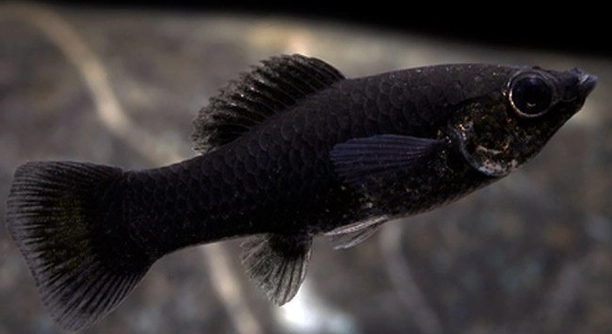
Black Molly fry are small, delicate, and require careful attention during their early days. Their survival can be affected by several environmental and biological factors that influence growth, health, and the likelihood of reaching adulthood successfully.
Temperature, water quality, nutrition, overcrowding, genetics, stress, and disease are primary factors affecting Black Molly fry survival. Maintaining stable water conditions, appropriate feeding schedules, and minimizing stress are critical for improving survival rates and supporting healthy development.
Understanding these factors helps ensure your fry thrive and reach maturity. Applying proper care strategies early can make a significant difference in their growth.
Temperature Control
Black Molly fry are extremely sensitive to temperature fluctuations. Maintaining a stable water temperature between 78 and 80°F is essential for their growth and overall health. Sudden drops or spikes in temperature can stress the fry, weaken their immune systems, and slow development. Using a reliable heater and thermometer ensures consistency, and gradual adjustments help prevent shock. Even a minor change can impact metabolism, digestion, and activity levels, affecting survival rates. Seasonal changes can alter water temperature in the tank, so monitoring daily is important. Additionally, avoiding placing the tank near windows or air vents reduces sudden environmental changes. Consistent temperature also supports proper enzyme function and feeding behavior, which are critical for early development. Observing fry for lethargy or unusual swimming patterns can indicate stress due to temperature issues. By prioritizing stable heat, you give fry a better chance to grow into healthy adult fish.
Maintaining a steady temperature encourages activity, feeding, and normal growth patterns. Sudden changes often result in stress-related illness or death.
Temperature consistency not only prevents stress but also supports immune function. Fry are more likely to resist infections and digest food efficiently when the tank environment remains predictable. Monitoring and gradual adjustments help maintain health during vulnerable stages, improving survival chances significantly.
Water Quality
Clean, well-maintained water is critical for fry survival. Poor water conditions can lead to disease, stunted growth, and high mortality rates.
Fry are highly sensitive to ammonia, nitrites, and nitrate buildup. Regular water changes, proper filtration, and monitoring pH levels between 7.0 and 8.0 ensure a safe environment. Maintaining oxygen levels is equally important. Using a sponge filter reduces strong currents that can harm fry, while removing uneaten food prevents toxins from accumulating. Overcrowding increases waste, so keeping fry populations manageable helps maintain quality. Introducing new fish or plants without proper acclimation can introduce bacteria or parasites. Testing water parameters regularly and making small, gradual corrections prevents sudden shocks. A consistent cleaning schedule and careful observation of fry behavior indicate whether water quality is adequate. Healthy water supports growth, strengthens immune systems, and reduces stress, giving fry the best chance to thrive and develop properly over time.
Nutrition
Proper feeding is vital for Black Molly fry survival. They require small, frequent meals of high-quality food to grow strong and healthy.
Fry need finely crushed flakes, powdered fry food, or freshly hatched brine shrimp. Feeding too much at once can pollute the water, while feeding too little slows growth. Small meals multiple times a day mimic natural feeding patterns and ensure fry get enough nutrients without overwhelming their delicate systems. Observing their response helps determine the right portion size and frequency. Balanced nutrition supports development, strengthens immunity, and increases survival chances.
In addition to quantity, quality matters. Providing varied foods ensures they receive proteins, vitamins, and minerals essential for organ development, proper bone structure, and active swimming. Nutrient deficiencies can cause deformities or slow growth. Rotating food types prevents boredom and encourages natural feeding behavior. Careful feeding also reduces leftover food that could decay and harm water quality. Paying close attention to nutrition during these early weeks gives fry a stronger foundation for long-term health and resilience.
Overcrowding
Overcrowding negatively impacts fry survival by increasing stress and competition for food. Maintaining appropriate tank density is crucial.
Too many fry in one tank can lead to slower growth, weaker immunity, and higher mortality. Overcrowding increases waste accumulation, reducing water quality and oxygen levels. Spacing fry across multiple tanks or separating them with mesh partitions ensures everyone has room to swim freely. Proper population management allows fry to feed adequately, reduces aggressive interactions, and lowers disease risk. Observing behavior and growth patterns helps adjust stocking density.
Providing enough space allows fry to establish territory and move without restriction. Overcrowded conditions force competition for food, resulting in malnourished individuals. Stress from limited space can weaken immune systems, making fry vulnerable to infections and stunted growth. Managing tank population also simplifies water maintenance, as fewer fry produce less waste. Regular monitoring ensures growth and behavior remain healthy, and overcrowding problems are addressed early. With careful planning, each fry has room to develop fully, improving long-term survival and overall vitality.
Stress
Stress significantly reduces Black Molly fry survival. Sudden changes, aggressive tank mates, or loud vibrations can cause constant stress and weaken immunity.
Minimizing disturbances and keeping a calm environment helps fry stay active and healthy. Providing hiding spots and gentle water flow reduces stress, encouraging normal growth and behavior.
Genetics
Genetic health influences fry survival and development. Strong lineage improves growth, resistance to disease, and overall vitality. Careful selection of breeding adults reduces the risk of deformities and low survival rates. Monitoring fry for abnormalities helps maintain a healthy stock over time.
Disease
Disease spreads quickly among fry due to their small size and developing immune systems. Preventing infections through quarantine, proper nutrition, and clean water is essential for survival. Early detection and treatment help minimize losses.
FAQ
What is the ideal temperature for Black Molly fry?
Black Molly fry thrive in water maintained between 78 and 80°F. Consistent temperature supports metabolism, feeding behavior, and overall development. Sudden changes can stress fry, weaken their immune systems, and slow growth. Using a reliable heater and thermometer ensures stability, while gradual adjustments prevent shock.
How often should I feed my fry?
Fry need small meals multiple times a day. Finely crushed flakes, powdered fry food, or freshly hatched brine shrimp work best. Feeding too much can pollute water, while feeding too little slows growth. Observing their behavior helps adjust portion sizes and ensures adequate nutrition.
Can fry survive in tap water?
Tap water can be used if properly treated. Chlorine or chloramine must be removed using a water conditioner. Monitoring pH between 7.0 and 8.0 and keeping nitrate levels low is essential. Stable water conditions are critical to prevent stress and disease.
How do I prevent disease in fry?
Clean water, proper nutrition, and a stress-free environment reduce disease risk. Quarantining new fish or plants prevents introducing parasites or bacteria. Observing fry for unusual behavior or physical changes allows early detection, improving chances of recovery and survival.
Is overcrowding harmful to fry?
Yes, overcrowding increases competition for food, reduces growth rates, and raises stress levels. It also accelerates waste buildup, lowering water quality and oxygen levels. Using separate tanks or mesh partitions ensures fry have enough space to swim freely and develop healthily.
What is the best way to improve survival rates?
Maintaining stable water conditions, proper feeding, reducing stress, and managing tank population are all essential. Paying attention to genetics and early signs of disease improves survival. A combination of careful monitoring and timely adjustments creates an environment where fry can thrive.
Should fry be separated from adults?
Separating fry from adult fish prevents accidental predation and competition for food. Adults may outcompete or eat fry, so using a breeding box, mesh divider, or a dedicated fry tank is recommended. This ensures safe feeding and reduces mortality.
How important is hiding space for fry?
Providing hiding spots reduces stress and allows fry to explore safely. Plants, small decorations, or floating moss create shelter. Fry feel safer in a structured environment, which encourages normal swimming patterns, feeding behavior, and overall growth.
Can I use medications for fry?
Medications can be used carefully if needed, but dosage must match fry size and sensitivity. Overuse or incorrect treatment can harm delicate fry. Always follow guidelines and observe their response closely during treatment.
How long does it take for fry to grow into adults?
Black Molly fry usually reach adulthood in three to four months with proper care. Growth depends on nutrition, water quality, temperature, and genetics. Providing a stable, stress-free environment supports steady development and increases survival rates throughout this period.
What are common signs of stress in fry?
Lethargy, erratic swimming, reduced feeding, and hiding more than usual indicate stress. Causes include poor water quality, sudden temperature changes, overcrowding, or aggressive tank mates. Addressing the underlying issue quickly helps fry recover and continue developing normally.
Can fry survive without live food?
Yes, fry can grow on finely crushed flakes or powdered fry food if balanced and high quality. Live food like brine shrimp improves growth rates and activity, but consistent feeding with prepared foods is sufficient for survival if done carefully.
How often should water be changed for fry?
Frequent, small water changes help maintain water quality without stressing fry. Replacing 10–20% of water daily or every other day removes excess waste, reduces toxins, and stabilizes parameters, supporting healthy growth and reducing disease risk.
Do genetics affect fry size and survival?
Genetic health significantly impacts growth, immune function, and resilience. Using strong, healthy breeding adults reduces deformities and mortality. Monitoring fry for abnormalities helps select future breeders and maintain a robust population over time.
Is it necessary to monitor water parameters daily?
Daily checks of temperature, pH, ammonia, nitrites, and nitrate levels prevent sudden changes that can harm fry. Keeping a routine ensures early detection of issues, allowing corrective measures before survival or development is affected.
This FAQ covers the most common concerns about Black Molly fry care. Following these guidelines improves survival rates and supports healthy growth throughout their early stages.
Black Molly fry are delicate and require careful attention in their early stages to survive and grow into healthy adults. Maintaining stable water conditions, including proper temperature, pH, and cleanliness, is essential. Small fluctuations can cause stress, slow growth, or make fry more vulnerable to disease. Consistent monitoring of water quality and making gradual adjustments ensures the environment remains safe and supportive. Fry are particularly sensitive to ammonia, nitrites, and nitrates, so frequent water testing and partial water changes are necessary. Using gentle filtration and avoiding strong currents helps fry swim comfortably and prevents injury. Providing hiding spaces, such as plants or moss, allows fry to feel secure and reduces stress. Stress can weaken the immune system and increase the risk of disease, making it critical to keep disturbances to a minimum and maintain a calm environment.
Nutrition plays a central role in their survival and development. Fry need small, frequent meals of high-quality food that is easy to digest. Finely crushed flakes, powdered fry food, and freshly hatched brine shrimp provide essential proteins, vitamins, and minerals needed for proper organ development, bone growth, and overall activity. Overfeeding can pollute the water and reduce oxygen levels, while underfeeding slows growth and can lead to weaker fry. Rotating food types ensures balanced nutrition and encourages natural feeding behavior. Observing fry during feeding helps determine whether portions and frequency are appropriate. Providing the right nutrients from the start strengthens immune systems and supports healthy development, increasing the chances that the fry will survive to adulthood. Genetics also affect survival, as strong, healthy parent stock reduces the risk of deformities and increases resilience in the offspring.
Other factors such as overcrowding, disease prevention, and stress management are equally important. Overcrowding increases competition for food, reduces water quality, and causes stress, which can lead to higher mortality. Managing tank populations through separate fry tanks or mesh dividers ensures each fry has space to swim and feed freely. Preventing disease through quarantine, clean water, and careful observation is critical since fry are particularly vulnerable to infections. Early detection of illness and proper treatment can prevent significant losses. Minimizing sudden disturbances, aggressive tank mates, and environmental changes also helps reduce stress. By paying close attention to these factors and maintaining consistent care, the chances of raising healthy Black Molly fry increase significantly, creating a stable and supportive environment where they can thrive.

Hello,
If you enjoy the content that we create, please consider saying a "Thank You!" by leaving a tip.
Every little bit helps us continue crafting quality advice that supports the health, happiness, and well-being of pets around the world, for pets of all shapes, sizes, and species.
We really appreciate the kindness and support that you show us!