
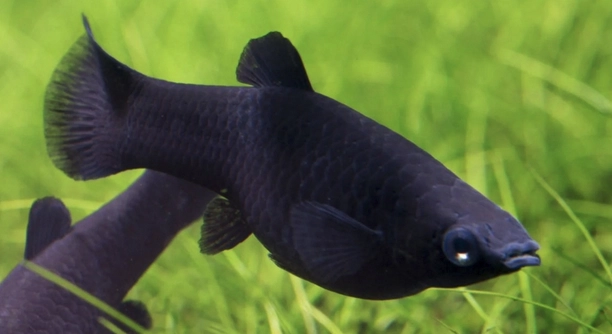
Do you ever notice your Black Molly acting restless or darting around the tank for no obvious reason? These small fish are sensitive creatures, and even subtle changes in their environment can trigger sudden panic reactions.
Black Mollies often experience panic due to environmental stressors, sudden changes in water parameters, overcrowding, aggressive tankmates, or inadequate hiding spaces. Each factor can disrupt their normal behavior, leading to erratic swimming, flashing, or sudden group movements as a stress response.
Understanding these common triggers can help you create a calmer, safer environment for your Black Mollies to thrive and feel secure in their habitat.
Sudden Changes in Water Conditions
Black Mollies are highly sensitive to abrupt shifts in water conditions. Rapid changes in temperature, pH levels, or hardness can cause immediate stress. Even minor fluctuations may trigger frantic swimming, erratic darting, or hiding. These reactions are their natural response to potential threats, as their instincts push them to seek safety. Maintaining a stable and consistent environment is essential. Regular testing of water parameters helps catch variations early. Introducing changes slowly, such as adjusting temperature by a degree at a time, allows Mollies to acclimate. Filtration and aeration also support stable water conditions, reducing panic episodes. Tank size matters; overcrowding amplifies the stress from changing water conditions. Proper care ensures Mollies remain calm, healthy, and exhibit normal behavior patterns, avoiding unnecessary stress and potential illness. Observing their daily activity gives insight into their comfort level.
Sudden water changes can trigger panic, but gradual adjustments and monitoring ensure Mollies remain calm and healthy in their habitat.
Consistently stable water prevents panic and supports overall health. Proper filtration, slow acclimation, and regular monitoring reduce stress. Mollies thrive when they feel secure, and attentive care helps prevent erratic behavior. Overcrowding or poor water quality amplifies panic responses, so maintaining clean, stable conditions is key to a peaceful aquarium.
Overcrowding and Limited Space
Overcrowding in a tank can quickly lead to panic. Black Mollies require adequate swimming space to feel secure and move freely. When tanks are packed, their stress levels rise, triggering frantic swimming, collisions, and erratic group movements.
Limited space prevents Mollies from establishing territories and safe zones, increasing tension among tankmates and causing repeated stress reactions throughout the day.
Ensuring appropriate stocking levels is critical. A tank that is too small restricts movement and limits oxygen circulation, making Mollies more vulnerable to stress. Overcrowded conditions often amplify aggression between fish, resulting in heightened panic episodes. Providing hiding spots and plants can offer refuge, helping them feel more secure. Properly spacing individuals allows normal behavior patterns, including feeding, exploration, and social interactions, without constant fear. Regular observation is necessary to detect early signs of overcrowding stress, such as rapid gill movement, erratic swimming, or hiding. Adjusting tank population gradually, alongside maintaining clean water, promotes a calm and healthy environment. Peaceful interactions reduce the frequency of panic, ensuring Mollies remain healthy and active.
Aggressive Tankmates
Aggressive tankmates often trigger panic in Black Mollies. Fish that nip fins or chase others create constant stress, causing Mollies to swim frantically or hide frequently.
Keeping aggressive species separate reduces stress. Mollies do best with peaceful tankmates that allow them to explore and feed without fear. Observation is key to maintaining harmony.
Aggression in the tank can escalate quickly. Even minor harassment from more dominant fish can create repeated panic episodes, which weaken Mollies over time. Providing hiding spots, visual barriers, and enough space for retreat helps Mollies manage interactions. Choosing compatible species and monitoring behavior daily minimizes stress. Adjustments in stocking density and tank layout also reduce conflict. Calm interactions ensure Mollies spend more time feeding, exploring, and swimming normally instead of constantly reacting to threats.
Proper pairing of tankmates ensures a balanced environment, allowing Mollies to develop natural behavior patterns without excessive stress.
Poor Hiding Spaces
Lack of adequate hiding spaces increases stress in Black Mollies. Without cover, they feel exposed, leading to sudden panic and erratic swimming. Plants, caves, and ornaments create safe zones, reducing stress.
Providing a variety of hiding spots allows Mollies to retreat when feeling threatened, lowering overall tension. These spaces give them control over their environment and help regulate interactions with other fish.
Black Mollies rely on secure areas to manage their stress levels. When hiding options are limited, they may exhibit constant vigilance or group tightly, which elevates panic responses. Plants, artificial caves, and decorations mimic natural habitats, offering protection and comfort. Regular rearrangement of these structures can keep the tank stimulating without overwhelming the fish. Proper design ensures Mollies have access to quiet corners as well as open swimming areas. This balance between cover and space promotes natural behavior, reduces fear responses, and supports overall health. Mollies with secure hiding places are calmer, feed more consistently, and show normal social interactions.
Loud Noises and Vibrations
Sudden loud noises or vibrations near the tank can startle Black Mollies. They react by darting quickly, flashing, or hiding, as their instincts interpret disturbances as threats.
Consistent, calm surroundings help Mollies feel safe. Avoid tapping the glass or placing the tank near heavy foot traffic, appliances, or speakers.
Overfeeding and Uneaten Food
Excess food in the tank can pollute water and stress Black Mollies. Uneaten food decomposes, altering water quality and creating unsafe conditions. Regular feeding routines and removing leftovers prevent these issues. Proper portion control keeps the tank clean, reducing panic and supporting healthy behavior.
Sudden Lighting Changes
Abrupt changes in lighting can alarm Black Mollies. Switching lights on or off suddenly may trigger frantic swimming, as they interpret it as a threat in their environment. Maintaining gradual transitions and using dimmers can help them adjust naturally and feel secure.
FAQ
What causes Black Molly panic most often?
Black Molly panic is typically triggered by sudden environmental changes, aggressive tankmates, overcrowding, or poor water quality. Even minor disturbances in temperature, pH, or hardness can startle them. Providing stable conditions and monitoring daily behavior reduces frequent stress reactions.
How can I tell if my Black Mollies are stressed?
Signs of stress include frantic swimming, hiding, flashing against tank surfaces, rapid gill movement, or clustering tightly. Stress may also cause a lack of appetite or changes in coloration. Observing patterns over time helps identify recurring triggers and prevent panic.
Can tank size affect panic behavior?
Yes, limited space increases stress. Overcrowding restricts swimming, reduces oxygen circulation, and amplifies conflicts. A larger tank with proper filtration allows Mollies to swim freely, explore, and establish territories, minimizing panic incidents.
Are certain tankmates better for Black Mollies?
Peaceful species that do not nip fins or chase others are ideal. Aggressive or territorial fish heighten stress and panic. Adding plants, ornaments, and hiding spots supports safe interactions and prevents dominance-related disturbances.
How should I manage water changes?
Gradual water changes are essential. Rapid adjustments in temperature or pH shock Mollies and trigger panic. Slowly acclimating them and monitoring parameters carefully ensures a smooth transition and keeps behavior calm.
Do Black Mollies need hiding spaces?
Yes, hiding spaces are crucial. Plants, caves, and decorations provide refuge, allowing Mollies to retreat when stressed. Secure areas reduce constant vigilance and erratic swimming while promoting natural behavior and social interactions.
Can lighting affect their behavior?
Abrupt lighting changes can startle Black Mollies. Gradual transitions or dimmers allow them to adjust naturally. Sudden on/off switches often provoke panic responses, including darting or clustering near tank edges.
How does feeding impact their stress levels?
Overfeeding leads to uneaten food, poor water quality, and stress. Proper portion control and removal of leftovers prevent panic triggers. Regular feeding routines help maintain calm, healthy fish that exhibit normal behavior.
What are some preventive measures to reduce panic?
Maintaining stable water conditions, avoiding overcrowding, choosing compatible tankmates, and providing hiding spaces are key. Gentle lighting transitions and consistent feeding schedules further minimize panic episodes and support overall health.
Can panic affect their health long-term?
Yes, chronic stress weakens the immune system, reduces appetite, and can lead to disease. Addressing triggers promptly ensures Mollies remain active, healthy, and display normal behavior patterns over time.
Is monitoring behavior enough to prevent panic?
Observation is vital. Watching how Mollies respond to their environment allows early detection of stressors. Adjusting tank setup, population, or water conditions based on behavior helps prevent recurring panic episodes effectively.
Do Mollies respond differently in groups versus alone?
Black Mollies are social fish. In groups, panic can spread quickly if one fish reacts to a stressor. Ensuring ample space and hiding spots prevents chain reactions and helps maintain calm across the group.
How often should I check water parameters?
Regular checks of temperature, pH, hardness, and ammonia levels are crucial. Frequent monitoring prevents sudden changes that trigger panic. Keeping a consistent schedule supports stable, stress-free conditions.
Can environmental enrichment help reduce panic?
Yes, decorations, plants, and varied structures give Mollies mental stimulation and security. Enrichment prevents boredom, encourages natural behavior, and provides safe areas to retreat when stressed.
Are there signs that indicate a tankmate is causing panic?
Yes, frequent chasing, fin nipping, or aggressive displays often provoke panic. Observing interactions closely allows you to separate or rehome problematic tankmates before stress becomes chronic.
How quickly should panic responses be addressed?
Immediate action is important. Identifying the cause—whether environmental, social, or feeding-related—and adjusting the tank helps Mollies return to normal behavior and prevents health issues.
Can panic be completely eliminated?
While it may not be possible to remove all stress, most panic can be minimized. Stable water, compatible tankmates, hiding spaces, and careful handling reduce episodes, creating a calm, healthy environment for Black Mollies.
Do seasonal changes affect Black Molly panic?
Yes, seasonal temperature shifts or light variations can stress Mollies. Adjusting heaters, lights, and monitoring water parameters during these periods prevents sudden reactions and maintains calm behavior.
How do I know if a panic episode is dangerous?
Occasional frantic swimming is normal, but prolonged or repeated episodes may indicate poor water quality, disease, or aggression. Consistent observation and timely interventions are necessary to protect health and prevent injury.
Can panic lead to injuries?
Yes, panicked Mollies may collide with tank walls, decorations, or each other. Providing open swimming areas and safe hiding spots reduces injury risk and keeps their environment secure and stress-free.
How long does it take for Mollies to calm after panic?
Recovery time varies. Minor panic may resolve in minutes if conditions stabilize. Persistent stress may take hours or longer. Ensuring a stable, safe environment accelerates recovery and promotes natural behavior.
Are young Mollies more sensitive to triggers?
Yes, juveniles are more vulnerable to sudden changes, aggressive tankmates, and overcrowding. Extra care with water parameters, space, and gentle handling helps reduce panic and supports healthy growth.
Does diet play a role in stress management?
A balanced diet supports immune function and resilience. Malnutrition or irregular feeding can weaken Mollies, making them more prone to panic. Consistent, nutritious meals promote calm and overall health.
Can acclimation help new Mollies reduce panic?
Proper acclimation is critical. Gradual introduction to temperature, pH, and tankmates allows new Mollies to adjust without stress. This prevents immediate panic and helps them integrate smoothly into the environment.
Is it necessary to isolate panicked Mollies?
Isolation is sometimes helpful if panic is severe or caused by aggression. Separating stressed individuals temporarily allows them to recover and reduces chain reactions in the main tank.
How do I balance visibility and hiding spaces?
Providing both open swimming areas and secure retreats creates balance. Mollies feel safe yet can explore freely. Proper layout reduces constant stress, supports natural behavior, and minimizes panic responses.
Are certain water treatments helpful for reducing panic?
Mild stress-reducing additives or conditioners can stabilize water parameters, but they do not replace proper care. Maintaining consistent temperature, pH, and cleanliness is more effective for long-term stress reduction.
Do Mollies ever panic for no reason?
Occasional minor panic may occur due to instinctive responses, but repeated episodes usually indicate environmental or social stressors. Identifying and correcting triggers ensures long-term calm behavior.
How important is consistent tank maintenance?
Regular cleaning, water changes, and filter checks prevent sudden shifts in water quality. Consistent maintenance is essential for reducing panic and supporting the overall health and well-being of Black Mollies.
What role does social hierarchy play in panic?
Dominant fish can intimidate others, triggering repeated panic responses. Ensuring proper space, hiding spots, and compatible tankmates helps maintain social balance and prevents constant stress.
Can panic affect reproduction?
Yes, stressed Mollies may reduce breeding behavior or neglect fry. Stable, low-stress conditions encourage normal mating, egg-laying, and fry care, supporting a thriving aquarium.
How can I prevent long-term behavioral issues?
Addressing environmental, social, and dietary factors promptly prevents chronic stress. Adequate space, hiding areas, stable water, and compatible tankmates maintain normal behavior and reduce the likelihood of persistent panic.
Do Mollies communicate stress to each other?
Yes, panic can spread through visual cues. One panicked fish may trigger rapid swimming in others. Proper tank setup and adequate space reduce these chain reactions and maintain calm group behavior.
Are there signs of recovery after panic?
Calm swimming, normal feeding, and resumed exploration indicate recovery. Regular observation ensures Mollies return to natural patterns and helps detect any lingering stressors early.
Can aquarium location influence panic?
Yes, tanks near loud appliances, high traffic areas, or frequent vibrations increase panic risk. Placing tanks in stable, quiet locations minimizes stress and supports a calm environment.
How often should hiding spaces be rearranged?
Occasional rearrangement adds mental stimulation and prevents territorial conflicts, but frequent changes may increase stress. Balance stability and variety to keep Mollies comfortable and secure.
Do water flow and filtration affect panic?
Strong currents or inconsistent flow can startle Mollies. Moderate, steady filtration supports oxygenation and water quality without creating stressful turbulence, allowing calmer behavior.
Can stress-reducing supplements help?
Some natural additives may reduce stress temporarily, but they do not replace proper care. Stable water, hiding spots, compatible tankmates, and consistent feeding remain the most effective methods.
Is it normal for Mollies to panic occasionally?
Yes, occasional minor panic is natural, especially with unexpected stimuli. Frequent or prolonged episodes indicate underlying issues that should be addressed promptly to protect health.
How can I monitor long-term stress trends?
Keeping a journal of behavior, water parameters, feeding, and tankmate interactions helps track triggers. This data allows informed adjustments to prevent future panic and maintain a healthy environment.
Does tank decoration type matter?
Yes, plants, caves, and varied textures provide security and mental stimulation. Sharp or unstable decorations can injure Mollies during panic, so smooth, safe items are preferable.
Can temperature fluctuations alone cause panic?
Yes, even small, rapid temperature shifts can trigger panic. Using a reliable heater, thermometer, and gradual adjustments maintains stability and reduces stress responses.
How does age affect panic frequency?
Juveniles are more sensitive, while adults may tolerate minor changes better. Monitoring and adjusting conditions based on age helps reduce panic episodes and supports healthy development.
Are Mollies more prone to panic in community tanks?
Community tanks can increase panic if incompatible species are present. Ensuring peaceful tankmates, proper space, and hiding areas helps Mollies feel secure and reduces stress spread.
Does diet variety reduce panic?
A balanced, varied diet supports health and resilience. Nutritional deficiencies can increase sensitivity to stressors, so consistent, quality feeding promotes calmer behavior.
Can water chemistry alone prevent panic?
Maintaining stable pH, hardness, and temperature prevents environmental stress triggers, but social factors, space, and hiding spots are equally important for overall calm behavior.
Is frequent observation necessary?
Yes, daily monitoring allows early detection of panic triggers and ensures prompt adjustments to tank conditions, maintaining healthy, stress-free Mollies.
Do Mollies recover fully after repeated panic?
With proper care, recovery is possible. Stabilizing water, reducing aggression, providing hiding spots, and maintaining consistent routines help Mollies regain natural behavior and health.
Can seasonal lighting changes affect panic?
Yes, natural or artificial light fluctuations can trigger panic. Gradual transitions or dimmers help Mollies adjust, minimizing stress responses.
Are there signs Mollies feel secure?
Normal swimming, consistent feeding, exploration, and social interactions indicate comfort. Calm behavior shows that environmental and social conditions are suitable.
How quickly should tank adjustments be made after noticing panic?
Prompt intervention is key. Immediate identification and correction of stressors prevent repeated panic, supporting health, growth, and natural behavior patterns.
Can panic affect lifespan?
Chronic stress weakens immunity, reduces appetite, and may shorten lifespan. Preventing panic through stable, secure conditions supports longevity and overall well-being.
How important is gradual introduction for new tankmates?
Critical. Slow, careful introduction prevents immediate panic, reduces aggression, and helps Mollies adapt without stress, ensuring peaceful coexistence.
Do Black Mollies panic more in smaller tanks?
Yes, restricted space increases stress, limits movement, and amplifies reactions to environmental or social triggers. Larger tanks with hiding spots reduce panic frequency.
Can external vibrations trigger panic?
Yes, nearby machines, speakers, or foot traffic can startle Mollies. Positioning tanks in stable areas minimizes unnecessary stress and promotes calm behavior.
How can I track improvement in panic behavior?
Observe swimming patterns, feeding, coloration, and social interactions over time. Reduction in frantic movements and increased calm activity indicates improvement and successful interventions.
Are frequent water changes necessary for panic prevention?
Regular changes are important but should be gradual. Sudden shifts can trigger panic, while consistent, measured maintenance maintains a healthy, stress-free environment.
Do tankmates influence panic recovery?
Yes, peaceful companions help Mollies feel secure, allowing faster recovery. Aggressive or fast-moving tankmates may prolong stress episodes and delay normal behavior.
Is hiding behavior always a sign of panic?
Not always. Mollies use hiding spaces for comfort and security naturally. Persistent hiding combined with erratic swimming may indicate stress.
How does aquarium layout impact panic?
A balanced layout with open swimming areas and secure hiding spots reduces stress. Proper flow, decorations, and space distribution prevent frequent panic and encourage natural behavior.
Can sudden chemical treatments trigger panic?
Yes, abrupt addition of water conditioners, medications, or additives can startle Mollies. Introduce treatments gradually and monitor reactions to minimize stress.
Are male and female Mollies equally prone to panic?
Both sexes can panic, though males may be more active or territorial. Proper tank conditions and hiding spots benefit all Mollies and reduce stress responses.
How does social hierarchy affect panic recovery?
Dominant fish can delay recovery for stressed individuals. Providing sufficient space and hiding spots allows subordinates to regain composure without repeated stress exposure.
Can consistent routines reduce panic?
Yes, feeding, lighting, and maintenance routines create predictability, helping Mollies feel secure and minimizing unnecessary panic episodes.
Do water hardness and pH impact panic frequency?
Yes, rapid shifts in pH or hardness trigger stress. Maintaining stable, appropriate parameters for Mollies ensures calm behavior and reduces panic likelihood.
Is overcrowding more stressful than aggressive tankmates?
Both contribute to panic. Overcrowding limits space and oxygen, while aggression creates direct threats. Addressing both factors supports calmer, healthier Mollies.
Can Mollies panic due to sudden movements outside the tank?
Yes, shadows, vibrations, or abrupt motion nearby can startle them. Stable surroundings help Mollies remain calm and reduce unnecessary stress responses.
How does feeding schedule consistency affect panic?
Regular feeding reduces stress and competition, preventing panic triggered by sudden hunger or rushes at mealtime. Consistency fosters calm behavior and well-being.
Are Black Mollies sensitive to water additives?
Some additives can cause temporary stress or reactions. Gradual, minimal use with careful monitoring avoids panic and ensures continued comfort.
Can temperature stratification in the tank cause panic?
Yes, uneven temperatures create microclimates that confuse Mollies, triggering stress. Proper circulation and gradual adjustments maintain stable conditions and reduce panic.
How do I know if panic is caused by illness?
Persistent frantic swimming, color changes, labored breathing, or lethargy may indicate disease rather than environmental stress. Prompt observation and treatment prevent further health decline.
Is frequent rearrangement of decorations stressful?
Too frequent changes can confuse Mollies, increasing panic. Occasional adjustments provide stimulation, but stability is important for a secure environment.
Can Black Mollies calm each other after panic?
Yes, stable, social groups can encourage calm behavior. Ensuring compatible companions and sufficient space allows Mollies to recover together without repeated stress triggers.
Do tank depth and shape influence panic?
Yes, shallow tanks limit vertical space and can intensify panic. Deep, spacious tanks with secure zones allow natural swimming and reduce stress responses.
How important is gradual acclimation for new Mollies?
Critical. Slow adaptation to water parameters and tankmates prevents immediate panic and ensures a smooth transition into the environment.
Can seasonal temperature fluctuations trigger panic?
Yes, sudden shifts in water temperature from seasonal changes can stress Mollies. Gradual adjustments and monitoring help maintain stable, calm conditions.
Are there signs that indicate a Mollie has fully recovered from panic?
Consistent swimming, normal feeding, and resumed social interactions indicate full recovery. Observing these patterns confirms that stress has been successfully minimized.
Does tank location near windows affect panic?
Yes, direct sunlight, shadows, or outside movement can startle Mollies. Placing the tank in a stable, low-traffic area supports calm behavior.
How can I balance tank stimulation and stress reduction?
Provide hiding spots, plants, and decorations for enrichment while ensuring enough open swimming areas. This balance encourages natural behavior without causing panic.
Can panicked Mollies affect the behavior of new tankmates?
Yes, visible panic can spread quickly. Gradual introductions and calm environments prevent chain reactions, allowing new fish to acclimate without stress.
Is monitoring water temperature enough to prevent panic?
Temperature is important, but pH, hardness, filtration, and social factors are equally critical. Stable, balanced conditions collectively reduce panic episodes.
Do Mollies benefit from gradual changes in tank environment?
Yes, gradual changes in layout, water parameters, or lighting allow adaptation, minimizing panic and supporting healthy behavior.
How often should I check for stress signs in Mollies?
Daily observation is recommended. Noticing subtle changes in behavior, swimming patterns, or feeding ensures early intervention before panic becomes chronic.
Can panic behavior be inherited or genetic?
Genetics may influence temperament slightly, but environment, tankmates, and care practices are the main factors determining panic frequency and intensity.
Do Black Mollies remember stressful events?
They respond more to immediate conditions than long-term memory. Consistently stable, safe environments reduce repeated panic responses regardless of past events.
How can I create a long-term calm environment for Mollies?
Stable water, compatible tankmates, hiding spaces, consistent routines, and gentle handling collectively maintain a stress-free habitat, reducing panic episodes over time.
Is it normal for Mollies to cluster during panic?
Yes, clustering is a natural stress response, providing safety in numbers. Adequate space and hiding areas prevent excessive group panic.
Can minor disturbances, like tapping the glass, cause panic?
Yes, even small disturbances startle Mollies. Avoid tapping or sudden movements near the tank to maintain calm behavior.
How do I differentiate between normal activity and panic?
Erratic darting, flashing against surfaces, hiding excessively, or rapid gill movements indicate panic, while smooth, steady swimming with normal feeding reflects typical activity.
Are there preventive strategies for new aquariums?
Acclimation, gradual stocking, hiding spots, and careful selection of peaceful tankmates establish a low-stress environment, minimizing initial panic and promoting healthy behavior.
Can water filtration strength trigger panic?
Strong or uneven currents may startle Mollies. Moderate, consistent filtration supports water quality without creating turbulence that triggers panic.
Black Mollies are delicate fish that react quickly to changes in their environment. Their panic responses, such as darting, flashing, or hiding, are natural reactions to stress. While these behaviors can seem sudden or alarming, they are usually signs that the fish are trying to protect themselves. Understanding what triggers these responses is key to keeping Black Mollies healthy and calm. Environmental factors, tankmates, water quality, and space all play important roles in their well-being. By observing behavior closely, fish owners can identify potential issues before they lead to serious stress or illness.
Creating a stable environment is essential for reducing panic. Regular monitoring of water parameters like temperature, pH, and hardness helps prevent sudden shifts that may startle Black Mollies. Providing a tank with sufficient space and hiding areas allows them to feel secure and explore freely. Overcrowding and aggressive tankmates can increase stress, so careful planning of tank population and species compatibility is necessary. Even minor adjustments in lighting, water flow, and feeding routines can have a significant effect on how calm the fish remain. Consistency in daily care, combined with thoughtful observation, helps maintain a peaceful aquarium environment.
Proper care for Black Mollies also involves attention to social and environmental enrichment. Plants, decorations, and secure retreats offer mental stimulation while reducing feelings of vulnerability. Balanced nutrition and regular cleaning routines support overall health, ensuring that Mollies can recover quickly from stress when it occurs. While occasional panic is natural, repeated or prolonged episodes should be addressed by reviewing water quality, tankmates, and space. By understanding their needs and responding appropriately, fish owners can create a thriving environment where Black Mollies display normal behavior, remain healthy, and experience minimal stress. Attentive care and observation form the foundation of a calm, stable aquarium that supports both the physical and emotional well-being of these sensitive fish.

Hello,
If you enjoy the content that we create, please consider saying a "Thank You!" by leaving a tip.
Every little bit helps us continue crafting quality advice that supports the health, happiness, and well-being of pets around the world, for pets of all shapes, sizes, and species.
We really appreciate the kindness and support that you show us!