
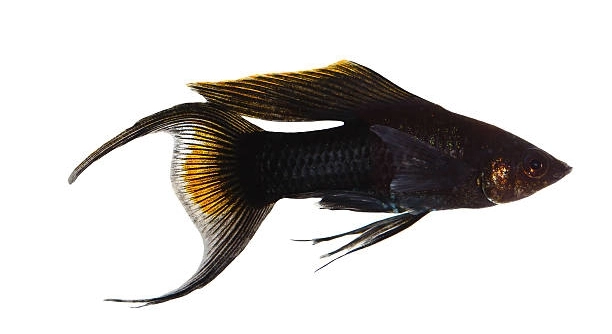
Caring for black molly fish can be enjoyable, but catching them often feels stressful. Many fish keepers struggle with handling these lively, small fish without causing harm or unnecessary stress. Proper methods make the process smoother.
The most effective approach to catching black molly fish without stress involves using gentle techniques, calm movements, and proper equipment. Minimizing sudden motions and reducing water turbulence allows the fish to remain calm, ensuring safety for both the fish and the handler.
Following simple, careful steps can make a noticeable difference, helping you handle your black molly fish more confidently and safely.
Preparing the Right Equipment
Before attempting to catch black molly fish, it is essential to have the correct equipment ready. A small, fine-meshed net works best to prevent injury. Using a container to temporarily hold the fish is also important. Make sure the container has clean, conditioned water similar to the tank. Avoid overcrowding the container, as black mollies can become stressed quickly. It is helpful to have a soft cloth or hand towel nearby in case of spills. Keeping your workspace organized ensures a smoother process and minimizes panic. Additionally, check the tank for obstacles that may block your movements. A calm approach is critical, as sudden motions can frighten the fish. Preparing ahead reduces stress for both you and the fish. Rehearse your actions mentally to stay composed during the actual catching. The right equipment and planning make a significant difference in managing black molly fish safely.
Having the proper net and container ready helps reduce stress and prevents accidents. Planning ahead ensures the process is calm and controlled.
Consistency and care with your equipment directly affect the fish’s safety. Choosing tools suited to black mollies’ size and behavior can make handling smoother. Using a net that is too large may cause injury, while inadequate containers can stress the fish. Clean, conditioned water helps the fish maintain normal behavior. Preparing every detail in advance minimizes sudden movements, making the catching process less frantic. Even subtle adjustments, like removing obstacles or arranging containers, can make a noticeable difference. Over time, handling black mollies with the right tools becomes more intuitive. Your actions influence their comfort, so calm, deliberate movements are vital. By taking the time to prepare properly, you can catch the fish efficiently and safely, making future care easier for both you and the fish.
Approaching the Fish Calmly
Move slowly and deliberately when approaching black molly fish. Quick movements startle them, increasing stress and making catching harder.
Remaining calm allows the fish to stay near the surface without panicking. Slow, steady motions encourage cooperation and reduce splashing.
To catch black mollies efficiently, start by observing their swimming patterns. Identify areas where they congregate, often near plants or corners. Avoid reaching abruptly into the tank; instead, move your hand gently through the water. Approach the fish from the side rather than from above to minimize shadowing. Keep breathing steady and hands relaxed. Using a calm voice or silence maintains a peaceful environment. Gradually position the net nearby, allowing the fish to swim naturally into it. Timing is crucial—act slowly but decisively when the fish enters the net. After securing them, transfer the fish immediately to the prepared container. Following these careful steps reduces stress, prevents injury, and ensures the fish remain healthy and active.
Timing Your Catch
Choosing the right time of day makes catching black mollies easier. Early morning or late evening is ideal when fish are less active and calmer.
Observing the fish’s daily patterns helps determine the best moment to catch them. Black mollies are generally more relaxed during cooler parts of the day. Avoid feeding times, as fish can be more erratic. Approaching the tank quietly and minimizing external disturbances creates a calmer environment. Slow movements and patience are essential to prevent sudden stress. Planning around their natural rhythm ensures the process is smoother. Timing directly affects both the efficiency of catching and the well-being of the fish, so select a moment when they are least active.
After choosing the ideal time, position your net carefully. Move gradually toward the fish without casting shadows. Allow the fish to approach the net naturally and avoid chasing them. Acting with calm consistency reduces panic, making the transfer into the container safer. Maintain a steady pace throughout the process, monitoring the fish’s reactions. Using small adjustments rather than quick actions helps the fish feel secure. Timing combined with careful execution ensures a stress-free catching experience. Patience and observation are key to managing black mollies calmly.
Using Proper Handling Techniques
Handle black mollies with care to prevent injury. Wet your hands before touching them to avoid removing their protective slime.
When transferring fish, gentle support is critical. Avoid squeezing or sudden jerks, and keep the fish partially submerged while moving between containers. Use smooth, confident movements. Wet hands reduce friction and protect delicate scales. Position your hands under the fish’s body, supporting it evenly. This method decreases stress and lowers the risk of physical damage. Calm handling also helps the fish adapt quickly to the new container.
After placing the fish in a holding container, observe for signs of distress, such as rapid gill movement or frantic swimming. Give the fish a few minutes to settle before any further interaction. Avoid overcrowding containers, as limited space helps maintain calm behavior. Minimize loud noises or vibrations nearby, as black mollies are sensitive to sudden environmental changes. Keep water temperature and conditions consistent with the original tank. Proper handling ensures safety, reduces stress, and encourages healthy behavior during and after the catch.
Minimizing Tank Stress
Keep the tank environment calm before catching black mollies. Turn off bright lights and reduce external vibrations to help the fish remain relaxed.
Removing sudden disturbances prevents panic. Ensure the tank lid is secure but easily accessible. A quiet, steady environment supports smoother catching.
Gradual Net Introduction
Introduce the net slowly into the tank, allowing fish to notice it without immediate threat. Sudden placement can startle them. Move the net from the side rather than from above, creating less shadow and disturbance. Patience and slow movements ensure fish approach naturally.
Controlling Water Movement
Limit splashing or strong currents while catching black mollies. Gentle water movement keeps them calm and makes the transfer safer.
Aftercare in the Holding Container
Monitor fish in the holding container for a few minutes. Ensure water conditions match the original tank. Avoid sudden temperature changes or overcrowding to maintain calm behavior.
FAQ
How can I reduce stress for black mollies when catching them?
Reducing stress starts with a calm approach and proper preparation. Keep the tank environment quiet and minimize sudden movements. Use a small, fine-meshed net and handle the fish gently. Wet your hands before touching them to protect their protective slime. Introducing the net slowly and avoiding shadows helps the fish feel safe. Timing also matters—catching them during early morning or late evening, when they are less active, results in calmer fish. Ensuring containers have clean, conditioned water similar to the tank prevents sudden environmental changes. Patience and careful execution make a noticeable difference in reducing stress.
What is the best net to use for black mollies?
A small, fine-meshed net works best for black mollies. The net should allow water to flow through easily while providing support for the fish’s body. Avoid large, coarse nets that can damage delicate fins or scales. Soft, flexible nets reduce the risk of injury during transfer. Choosing the right size ensures the fish does not panic or get trapped in corners. A well-sized net also allows smoother movements, which reduces stress. Having a secondary container ready ensures a quick, safe transfer, preventing prolonged exposure in the net. Regularly inspect nets for tears or rough edges to avoid accidents.
Can I catch multiple black mollies at once?
Catching multiple fish at once is possible but requires extra caution. Overcrowding a net or container can increase stress and injury risk. It is better to catch one or two fish at a time, ensuring the container has enough water and space. Move slowly and calmly, allowing each fish to enter the net without chasing. If using a larger net, keep movements deliberate and steady. Gradually transferring fish reduces panic. Observe their behavior closely; signs of frantic swimming or rapid gill movement indicate stress. By catching fewer fish at a time, you maintain safety and calmness throughout the process.
How do I prevent fish from jumping during transfer?
Black mollies can jump when startled, so secure handling is essential. Keep hands and the net steady while slowly moving the fish. Cover containers partially if necessary, but ensure enough water and air circulation. Avoid sudden movements, loud noises, or abrupt changes in lighting. Moving fish slowly and supporting their body evenly decreases the tendency to leap. Using a net with fine mesh helps maintain control while providing a gentle barrier. Practicing calm, confident movements during transfer encourages the fish to remain composed. Maintaining water consistency also reduces sudden shocks that can trigger jumping behavior.
How long should black mollies stay in a holding container?
Black mollies should remain in a holding container only for short periods. Ideally, limit the time to the few minutes needed for safe transfer or inspection. The container should match the tank’s water conditions, including temperature and pH. Avoid overcrowding to maintain calm behavior. Monitor fish for signs of distress such as frantic swimming or rapid gill movement. Prolonged holding can increase stress and weaken their immune system. Gradual acclimation back into the main tank ensures safety and comfort. Preparing the container in advance and transferring fish promptly minimizes disruption to their routine and promotes a smoother, stress-free experience.
Is it necessary to adjust lighting during catching?
Yes, adjusting lighting helps reduce stress. Dim or turn off bright overhead lights, as intense lighting can startle black mollies. Shadows or glare from sudden light changes can cause panic. A calm, softly lit environment allows fish to remain relaxed and swim naturally. Gradually returning light to normal levels after catching helps them acclimate without shock. Combining lighting adjustments with slow, careful movements makes the catching process safer and more controlled. Consistency in environmental conditions supports their well-being during and after handling.
What signs indicate a black molly is stressed?
Stress in black mollies can show through erratic swimming, rapid gill movement, hiding, or loss of appetite. They may also appear pale or cling to the bottom of the tank. Monitoring these signs during and after catching is important. Promptly reducing disturbances and maintaining calm handling minimizes further stress. Ensuring proper water conditions and giving fish time to settle in holding containers supports recovery. Regular observation helps you detect early signs of distress, allowing timely interventions that protect their health.
Can feeding affect the ease of catching black mollies?
Yes, feeding influences behavior. Avoid catching black mollies immediately after feeding, as they may be more active or aggressive. Fish are generally calmer before meals or during cooler parts of the day. Observing their routine and planning transfers around feeding schedules results in smoother, safer handling. Maintaining consistency in feeding and tank routines also reduces surprises that can stress the fish during catching. Feeding management is a small but effective factor in ensuring calm behavior and a safer, stress-free transfer.
How do I ensure water quality in the temporary container?
Water quality is critical. Use clean, conditioned water similar in temperature, pH, and hardness to the main tank. Avoid chlorine or sudden chemical changes. Regularly check water clarity and oxygenation. Providing adequate volume prevents overcrowding. Maintaining proper water conditions reduces stress, supports respiration, and prevents shock during holding. A few minutes in properly prepared water ensures the fish remain safe, healthy, and ready to return to their tank without complications.
Final Thoughts
Catching black molly fish without stress requires preparation, patience, and gentle handling. Rushing or using rough methods often leads to panic and potential injury. Taking the time to plan ahead ensures both the fish and handler remain calm. This includes having the right equipment, choosing appropriate timing, and maintaining a controlled environment. Proper nets and containers are essential tools, and knowing how to use them effectively is just as important as having them ready. Simple actions like wetting hands before touching the fish, introducing the net slowly, and moving deliberately can make a noticeable difference. These small adjustments may seem minor, but they significantly reduce stress for black mollies and allow for safer transfers. By focusing on these careful practices, catching black mollies can become a routine task rather than a stressful challenge.
Understanding the behavior of black mollies also plays a key role in minimizing stress. Observing their swimming patterns, preferred locations in the tank, and daily activity levels provides insight into the best approach for catching them. Timing the catch during calmer parts of the day, such as early morning or late evening, helps prevent frantic swimming and panic. Similarly, keeping external disturbances to a minimum—such as loud noises, bright lights, or sudden tank movements—supports a more relaxed atmosphere. Even the movement of the water should be gentle, as strong currents or splashing can startle them. By paying attention to these behavioral cues and environmental factors, fish keepers can create a calm setting that encourages cooperation from the black mollies. Over time, this knowledge makes catching and handling the fish more predictable and less stressful for everyone involved.
Finally, aftercare following the transfer is just as important as the catching process itself. Once black mollies are in a holding container or new location, monitoring them for signs of stress is essential. Observing gill movement, swimming patterns, and general behavior helps identify if the fish are adjusting well. Keeping the water consistent in temperature, pH, and cleanliness prevents additional strain on the fish. Avoiding overcrowding and providing adequate space allows them to settle comfortably. Gentle, patient handling and attention to detail throughout every step—from preparation to transfer and aftercare—ensures the fish remain healthy and calm. Following these methods consistently will not only make catching black mollies a smoother experience but also support their long-term well-being in the tank. With careful planning, observation, and practice, managing black mollies becomes an achievable, stress-free part of aquarium care.

Hello,
If you enjoy the content that we create, please consider saying a "Thank You!" by leaving a tip.
Every little bit helps us continue crafting quality advice that supports the health, happiness, and well-being of pets around the world, for pets of all shapes, sizes, and species.
We really appreciate the kindness and support that you show us!